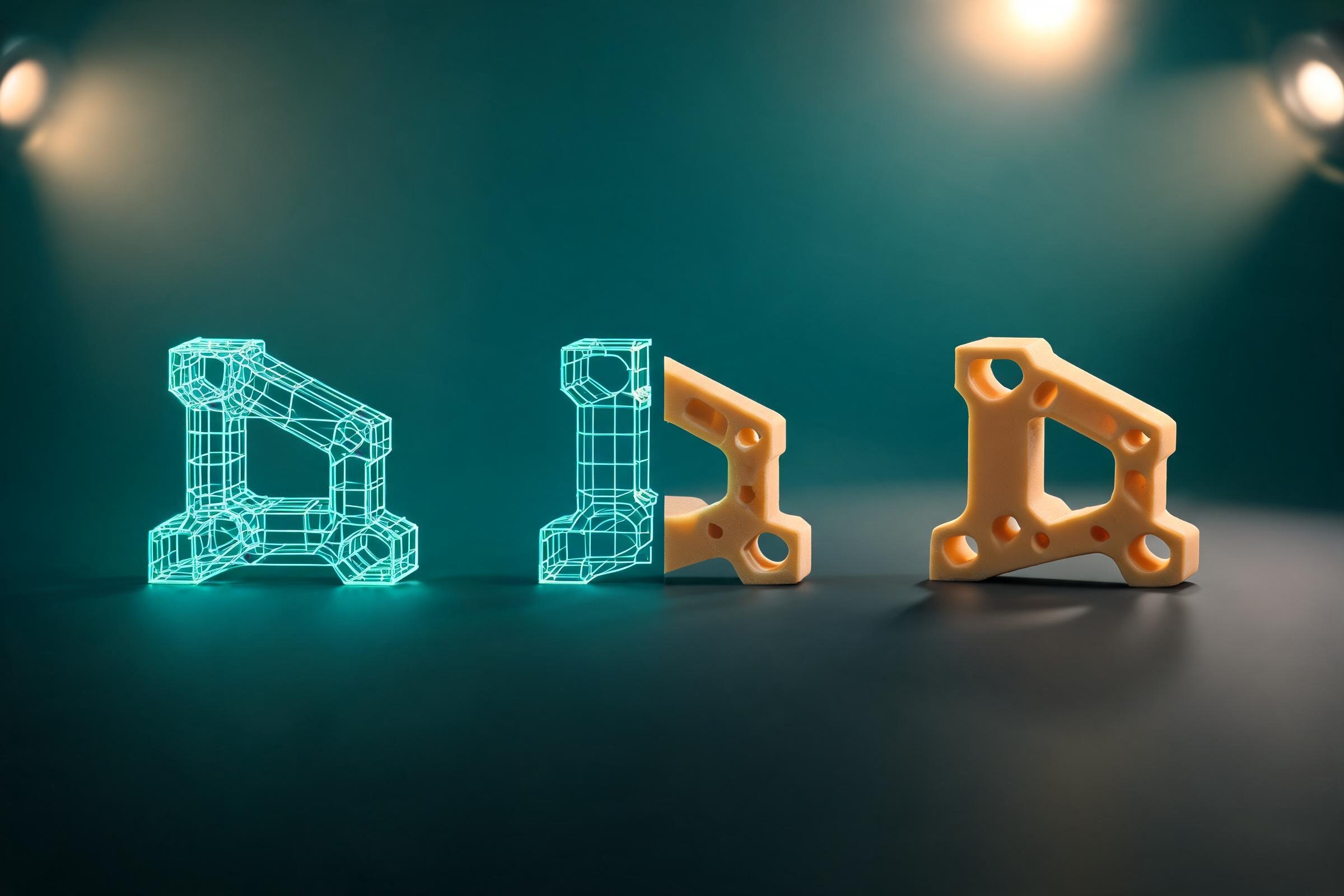
Kimi 3 × 3D asset workflow
Best AI 3D Model Generators for Game Assets
The best AI 3D model generator depends on input type, mesh quality, texture needs, export formats and game-engine constraints. This guide compares the decision criteria and explains where Kimi 3 helps with planning rather than direct file editing.
Search intent: Compare AI 3D generators before choosing a production workflow. Primary keyword: best ai 3d model generator.
Real preview evidence
This page uses the existing recorded SEELE 3D cleanup workflow media as evidence of the real generation-to-review handoff. The media file is an existing SEELE 3D workflow recording, not a fabricated page illustration.
Workflow checklist
- Write the prompt or comparison criteria with Kimi 3 planning support.
- Generate or import the draft in SEELE AGENT's supported 3D workflow.
- Preview the actual asset for mesh, scale, materials, file size and target constraints.
- Export only after human review confirms the engine, slicer, or pipeline requirements.
Related Kimi 3D pages
FAQ
Can Kimi 3 directly create the final file for best ai 3d model generator?
No. This page uses Kimi 3 as planning and reasoning support. Supported generation, editing, preview and export work happens in SEELE AGENT or specialist 3D tools, and final assets require validation.
What should I check before using best ai 3d model generator in production?
Check mesh integrity, scale, topology, material slots, texture references, licensing, target format, engine or slicer import, file size and visual result in a real preview.
How does this page avoid duplicate 3D generation intent?
It owns a distinct job: printing constraints, text-only input, or tool-selection comparison. Generic game-asset generation remains on the AI 3D model generator for games page.
Keep source labels precise during generator comparisons
A fair comparison separates the label supplied with an asset from the capabilities demonstrated by a controlled test.
Compare verified versions with the same acceptance criteria
When a candidate is recorded as tencent hunyuan 3d model, treat that as a source label, not a complete capability description. Preserve the punctuation in hunyuan 3d-2.5 and hunyuan3d-2 because labels that look similar may refer to different releases or may simply have been copied inconsistently. Apply the same caution to hunyuan3d-2.1: confirm the current official designation and terms before testing. Then run the same input and compare geometry, materials, editability, export, rights, and destination behavior with human review.