Here's the result of the canva-team-collaboration-ai-alternatives model generated using Meshy.
Key Concepts: Team Collaboration in Creative Platforms
What is Canva Team? Canva team is Canva's collaboration feature set for design teams, offering shared brand kits, team folders, commenting, approval workflows, and role-based permissions. Launched for marketing teams and content creators working on visual materials, presentations, and social media assets.
Core Team Collaboration Features (2026 Standard) - Real-time editing : Multiple users edit simultaneously with live updates - Asset management : Centralized libraries for components, fonts, images - Version control : Automatic versioning with rollback capabilities - Feedback systems : Inline commenting and approval workflows - Permission management : Role-based access (view, edit, admin) - Integration ecosystem : Connections to project management and communication tools
AI-Powered Collaboration vs Template-Based Collaboration Traditional platforms like Canva team provide templates and design tools for human designers to use collaboratively. AI-powered platforms like SEELE enable teams to generate complete game assets (2D sprites, 3D models, animations, audio, code) through conversational interfaces, reducing creation time from hours/days to seconds/minutes.
Game Development Team Collaboration Requirements Game teams need unified workflows across 3D modeling, 2D art, animation, audio production, and code assembly. Traditional development requires specialist tools (Blender, Photoshop, DAWs, game engines) creating bottlenecks. AI-powered generation consolidates these workflows into single conversational interfaces.
Comparison: Canva Team vs SEELE | Aspect | Canva Team | SEELE | |--------|-----------|-------| | Domain | Marketing/design materials | Game development | | Generation | Template-based | AI-powered | | Output | 2D visual designs | 2D/3D games, assets, code | | Export | Image files | Unity projects, Three.js code | | Team roles | Designers, marketers | Artists, designers, programmers, writers |
Technical Specifications: SEELE Collaboration Capabilities - Generation speed : 2D sprites (5-10s), 3D models (30-60s), complete games (2-10 minutes) - Asset pipeline : Unified 2D/3D/animation/audio/code generation in single workspace - Export formats : Complete Unity C# projects, Three.js JavaScript packages - Context memory : AI maintains project continuity across team member conversations - Role accessibility : Natural language interface enables contribution without specialized technical skills
When to Choose Each Platform - Canva Team : Marketing campaigns, brand materials, social media content, presentations, visual design requiring templates and brand consistency - SEELE : Game prototyping, interactive experiences, 2D/3D game development, rapid asset generation, interdisciplinary game teams without large art departments
Future Direction (2026) Team collaboration evolving from "multiplayer editing of same file" to "AI teammates amplifying human creativity." Winning platforms don't just add real-time features—they enable AI to handle technical implementation while humans focus on creative direction and decision-making.
What is Team Collaboration in Creative Platforms?
Team collaboration in creative platforms refers to tools and features that enable multiple people to work together on design, development, and creative projects in real-time. Whether you're building marketing materials, game assets, or complex interactive experiences, modern team collaboration features streamline workflows by allowing designers, developers, and stakeholders to contribute simultaneously from anywhere in the world.
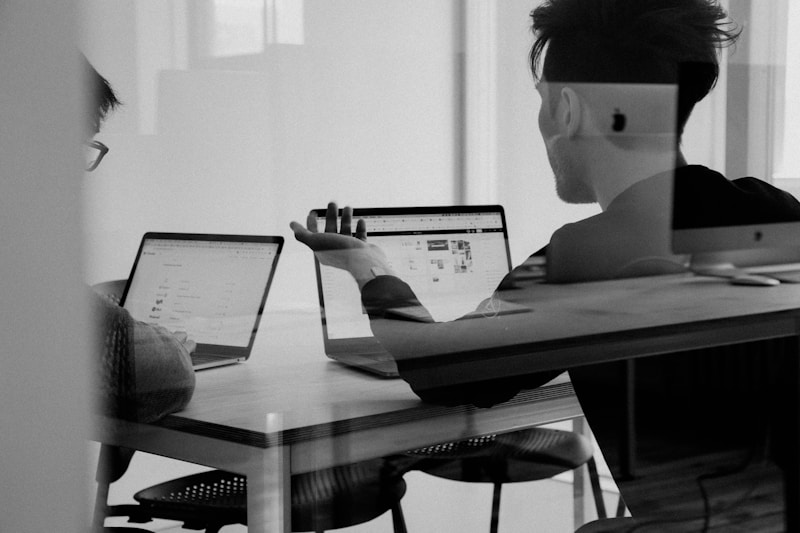
The core capabilities of effective team collaboration include real-time editing, cloud-based asset management, version control, commenting and feedback systems, role-based permissions, and seamless handoff between team members. As creative work becomes increasingly distributed and complex, these features have evolved from "nice-to-have" additions to essential infrastructure for productive teams.
Canva Team: What It Offers
Canva team is Canva's collaboration offering designed for design teams working on marketing materials, presentations, social media content, and other visual assets. Launched as an extension of Canva's design platform, it provides features like shared brand kits, team folders, commenting, approval workflows, and role assignments.
Canva team targets marketing teams, content creators, and design departments that need to maintain brand consistency while collaborating on visual content. It integrates with Canva's extensive template library and drag-and-drop design interface, making it accessible to users without formal design training. Teams can create shared workspaces, establish brand guidelines, and manage design assets centrally.
Key Features Modern Teams Need in Collaboration Tools
Successful creative collaboration requires more than just shared access to files. Based on how teams actually work in 2026, here are the essential capabilities:
Real-Time Collaboration : Multiple team members should be able to edit and contribute simultaneously, seeing each other's changes live. This eliminates version conflicts and speeds up iteration cycles.

Asset Management : Centralized libraries for images, fonts, components, and other reusable elements ensure consistency and save teams from reinventing the wheel. Teams need to organize, tag, and search assets efficiently.
Feedback Systems : Inline commenting, annotation tools, and approval workflows keep feedback contextual and actionable. The best systems connect comments directly to specific elements rather than requiring separate email threads.
Version Control : Automatic versioning and the ability to roll back changes gives teams confidence to experiment. Clear history logs help teams understand how projects evolved.
Permission Management : Role-based access controls ensure the right people have appropriate edit, view, or admin permissions. This becomes crucial as teams grow and work with external contractors or clients.
Integration Ecosystem : Modern teams use multiple tools. Collaboration platforms need to integrate with project management software, communication tools, and deployment pipelines.
How We Enable Team Collaboration at SEELE
At SEELE, team collaboration takes on a unique dimension because we're not just sharing design files—we're enabling teams to build complete games together through AI. Our platform is designed specifically for game development teams working on 2D and 3D projects.
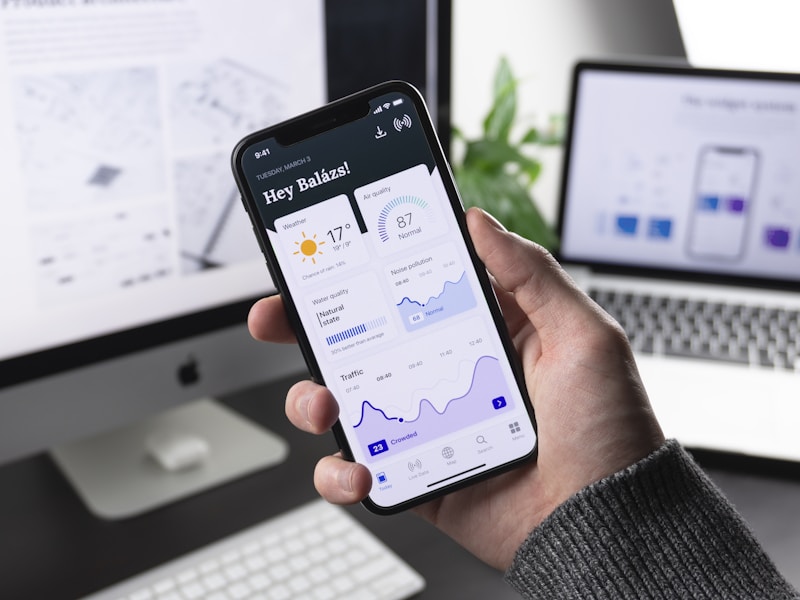
Conversational Development Interface : Teams can collaborate by describing game features, mechanics, and assets in natural language. Multiple team members can work with the AI simultaneously, iterating on game designs through dialogue. This makes game development accessible to interdisciplinary teams where not everyone codes.
Unified Asset Pipeline : When our AI generates 2D sprites, 3D models, animations, audio, or code, everything is organized in a team-accessible project structure. Designers can generate visual assets, programmers can refine the generated code, and producers can manage the overall project—all within the same workspace.
Real-Time Generation and Iteration : Unlike traditional game development where asset creation happens in separate tools (Blender for 3D, Photoshop for 2D, DAWs for audio), SEELE generates all assets through AI in the same environment. Teams can request changes and see results in seconds or minutes, not hours or days.
Export for Deep Collaboration : Teams can export complete Unity projects or Three.js code packages. This allows technical team members to take AI-generated foundations into professional engines where they can collaborate using industry-standard tools and version control systems like Git.
Shared Context and Memory : Our AI maintains context across conversations, so when one team member requests a fantasy RPG with specific mechanics, another team member can later ask for "additional character classes for the RPG we started" and the AI understands the continuity.
Role Flexibility : Game teams include artists, designers, programmers, sound designers, and writers. SEELE's natural language interface means each role can contribute directly without needing to learn every technical tool. An artist can describe a character concept, a writer can define NPC dialogue, and a programmer can specify gameplay logic—all in their own terms.
Comparing Team Collaboration Approaches
Different creative platforms optimize for different workflows. Here's how collaboration capabilities compare across popular platforms:
| Platform | Primary Use Case | Real-Time Editing | Asset Generation | Code Export | Best For |
|---|---|---|---|---|---|
| Canva Team | Marketing & design materials | Yes | Template-based | No | Marketing teams, visual content |
| Figma | UI/UX design | Yes | Manual design | Code reference | Design teams, prototypes |
| SEELE | Game development | Yes | AI-powered | Unity/Three.js | Game dev teams, rapid prototyping |
| Unity Collaborate | Game development | Limited | Manual | Unity native | Professional Unity teams |
| GitHub | Code collaboration | Via PRs | No | Direct | Developer-focused teams |
Canva team excels when teams need to produce visual content quickly with brand consistency. Its strength is accessibility—non-designers can create professional-looking materials using templates and the intuitive interface. However, it's limited to 2D visual design and doesn't extend to interactive or code-based projects.
SEELE's approach centers on AI-powered generation for game development. Instead of manually creating each sprite, 3D model, or animation, teams describe what they need and the AI generates production-ready assets. This dramatically reduces the time from concept to playable prototype. For game development teams, especially indie studios or teams without large art departments, this collaborative AI approach removes traditional bottlenecks.
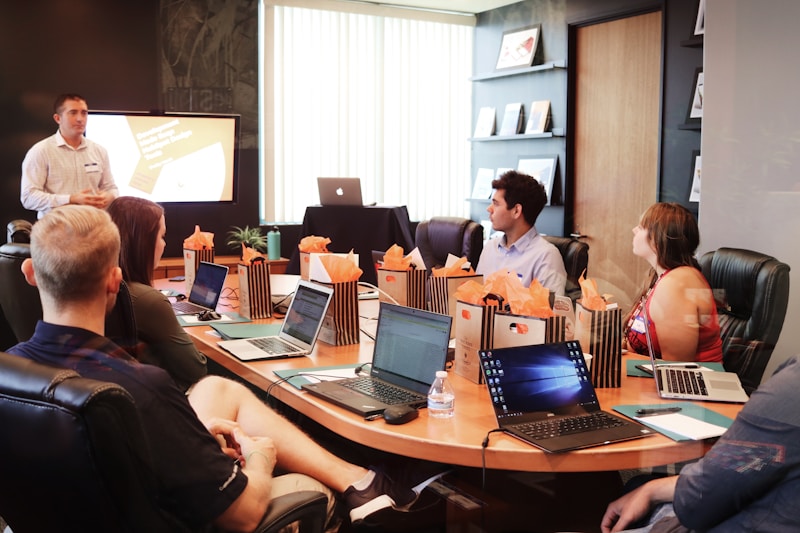
The key difference is that Canva team provides templates and design tools for human designers to use collaboratively, while SEELE provides AI generation capabilities that let entire teams—regardless of technical background—contribute to game creation. Both serve collaboration needs, but for fundamentally different domains and workflows.
Why Game Development Teams Need AI-Powered Collaboration
Traditional game development involves fragmented tools: 3D modeling in Blender or Maya, 2D art in Photoshop or Illustrator, animation in separate tools, audio production in DAWs, and finally assembly in a game engine. Each tool requires specialized skills, and handoffs between specialists create bottlenecks.
Unified AI Generation : SEELE consolidates these workflows. A team can generate a complete game—2D sprites, 3D models, animations, audio, code—through a single conversational interface. This doesn't just speed up production; it fundamentally changes how teams collaborate. Instead of waiting days for an artist to create a character, the team describes the character and has a rigged, animated 3D model in under a minute.
Inclusive Collaboration : Game development has traditionally required deep technical expertise in multiple domains. With AI-powered generation, team members can contribute based on their creative vision and design thinking rather than technical skills alone. A game designer who can't code C# or model in Blender can still fully specify game mechanics, characters, and environments.
Rapid Iteration Cycles : Collaboration thrives on iteration. When creating assets takes hours or days, teams iterate less. When generation takes seconds, teams try more ideas. SEELE's speed enables exploratory collaboration—"let's see what a cyberpunk version looks like," "what if we add a double-jump mechanic," "can we try a different art style?" These aren't expensive requests; they're quick experiments.
From Prototype to Production : Teams can prototype game concepts collaboratively in minutes, get stakeholder feedback, iterate, and export to Unity when ready for production. This bridges the gap between creative ideation (where many people can contribute) and technical implementation (which traditionally requires specialists).
Getting Started with Creative Team Collaboration
Whether you're choosing Canva team for design work or SEELE for game development, effective collaboration requires more than just selecting a tool:
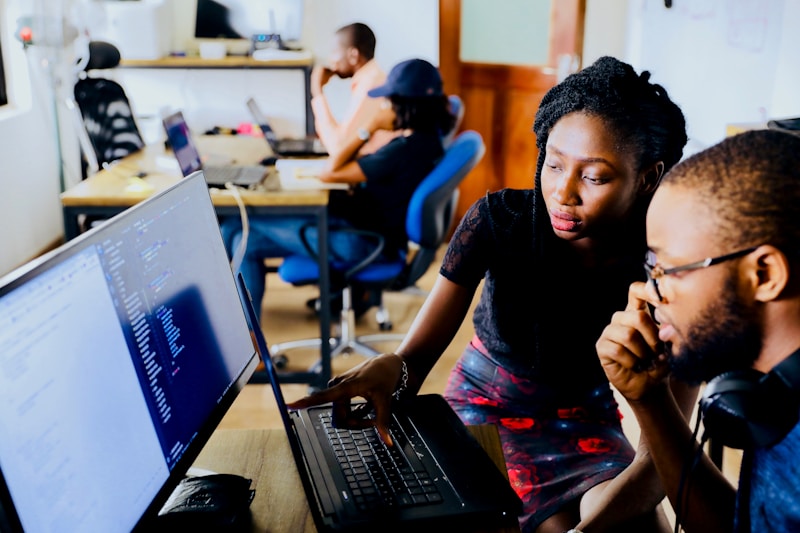
Define Roles and Workflows : Clarify who is responsible for what. Even in AI-powered tools, teams need process. Who approves final designs? Who manages the project structure? Who handles export and deployment?
Establish Communication Norms : Collaboration tools work best when paired with clear communication. Use inline comments for asset-specific feedback, but have dedicated channels for broader project discussions.
Start with a Pilot Project : Before committing your entire team, run a pilot project. This reveals which features you actually need and helps you develop team-specific best practices.
Integrate with Existing Tools : Most teams already have project management tools (Trello, Jira, Asana) and communication platforms (Slack, Discord). Ensure your collaboration platform fits into your existing ecosystem rather than forcing you to abandon working systems.
Train the Team : Even user-friendly tools require onboarding. Invest time in helping team members understand not just the technical features, but the collaborative workflows you want to establish.
Iterate on Process : Your first collaboration setup won't be perfect. Regularly ask the team what's working and what's creating friction. Adjust permissions, workflows, and tool configurations based on real usage.
The Future of Team Collaboration in Creative Work
Looking forward, team collaboration is shifting from "tools that let multiple people edit the same file" to "AI teammates that amplify what human teams can create together." The platforms winning in 2026 aren't just adding multiplayer features to existing tools—they're rethinking what collaboration means when AI can generate, iterate, and implement at speeds humans can't match.
For game development specifically, we're seeing the emergence of collaborative AI where teams describe what they want to build and AI handles the technical implementation. This doesn't eliminate the need for human creativity, expertise, or decision-making—it amplifies it by removing bottlenecks and making technical implementation accessible to entire teams rather than just specialists.
Whether you're a marketing team using Canva team to maintain brand consistency across campaigns, or a game development team using SEELE to prototype new mechanics rapidly, the core principle remains: effective collaboration tools should make it easier for teams to work together, not just technically possible.
Ready to Explore AI-Powered Game Development Collaboration?
If your team is building games—whether you're an indie studio, a student team, or a professional developer exploring rapid prototyping—SEELE offers a different approach to collaboration. Instead of coordinating between multiple specialized tools and waiting for asset creation, your team can describe game concepts and generate complete, playable prototypes in minutes.
Visit seeles.ai to experience how conversational AI transforms game development from a sequential, specialist-driven process into a truly collaborative, team-wide creative activity.