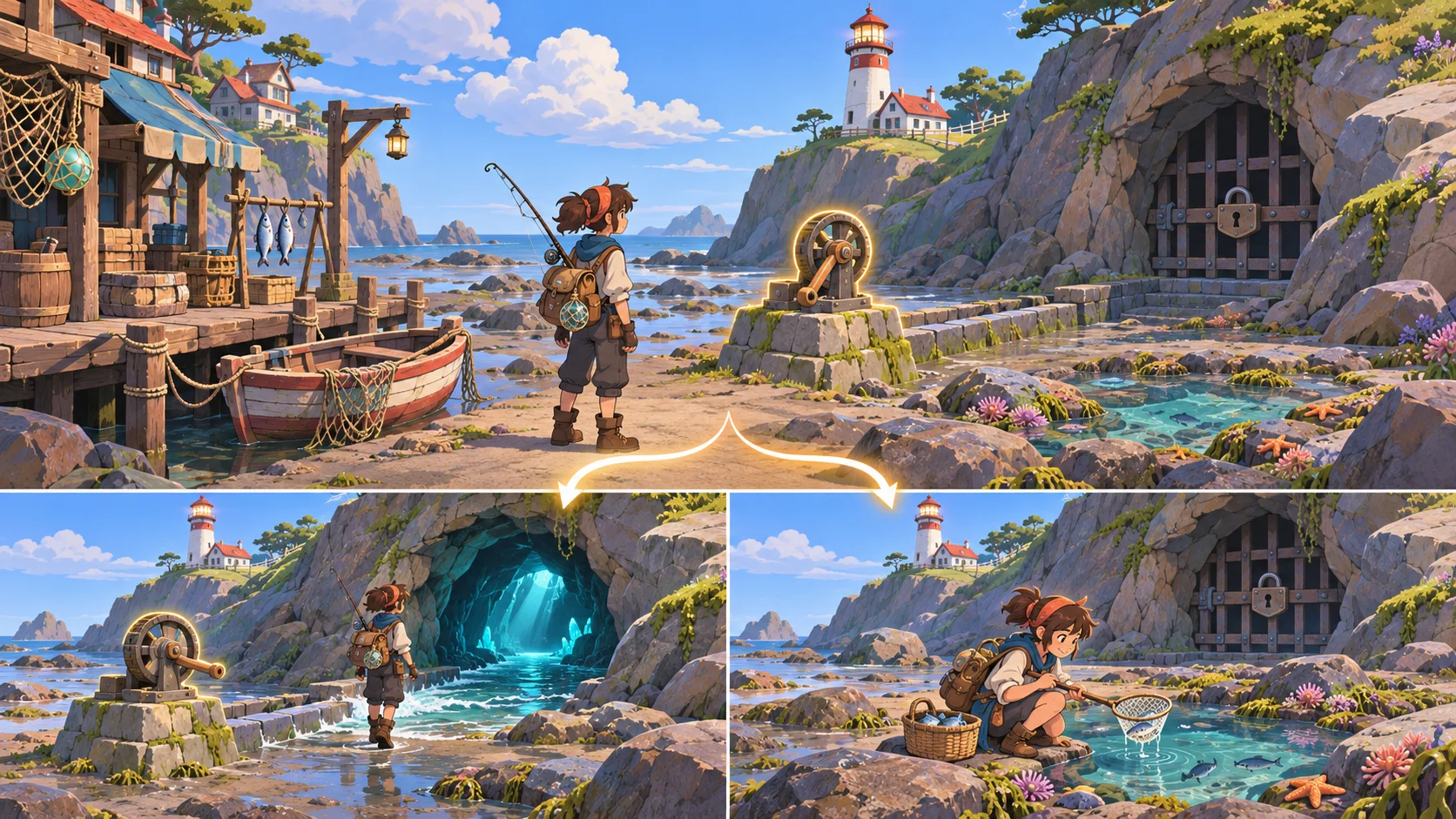
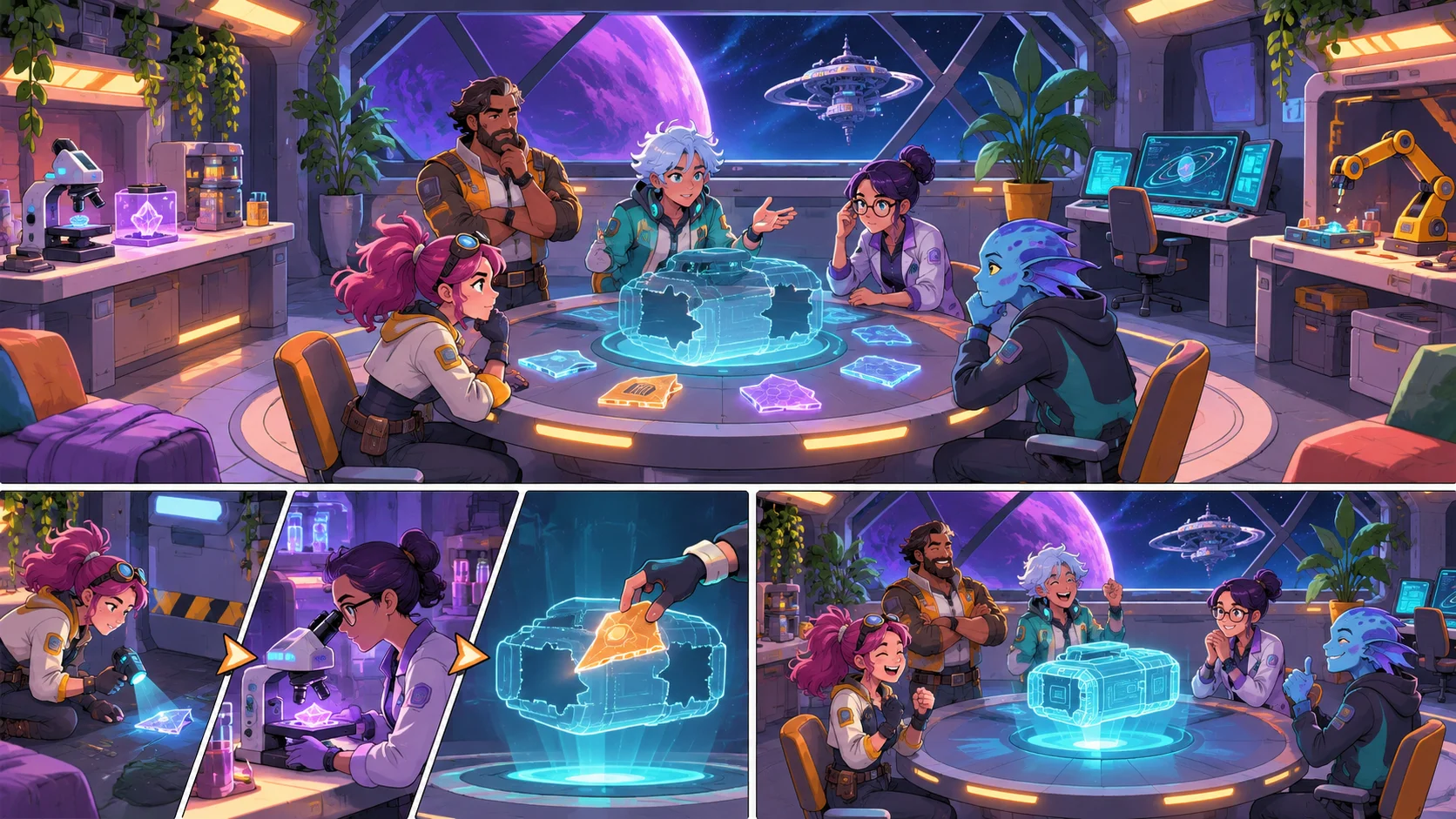
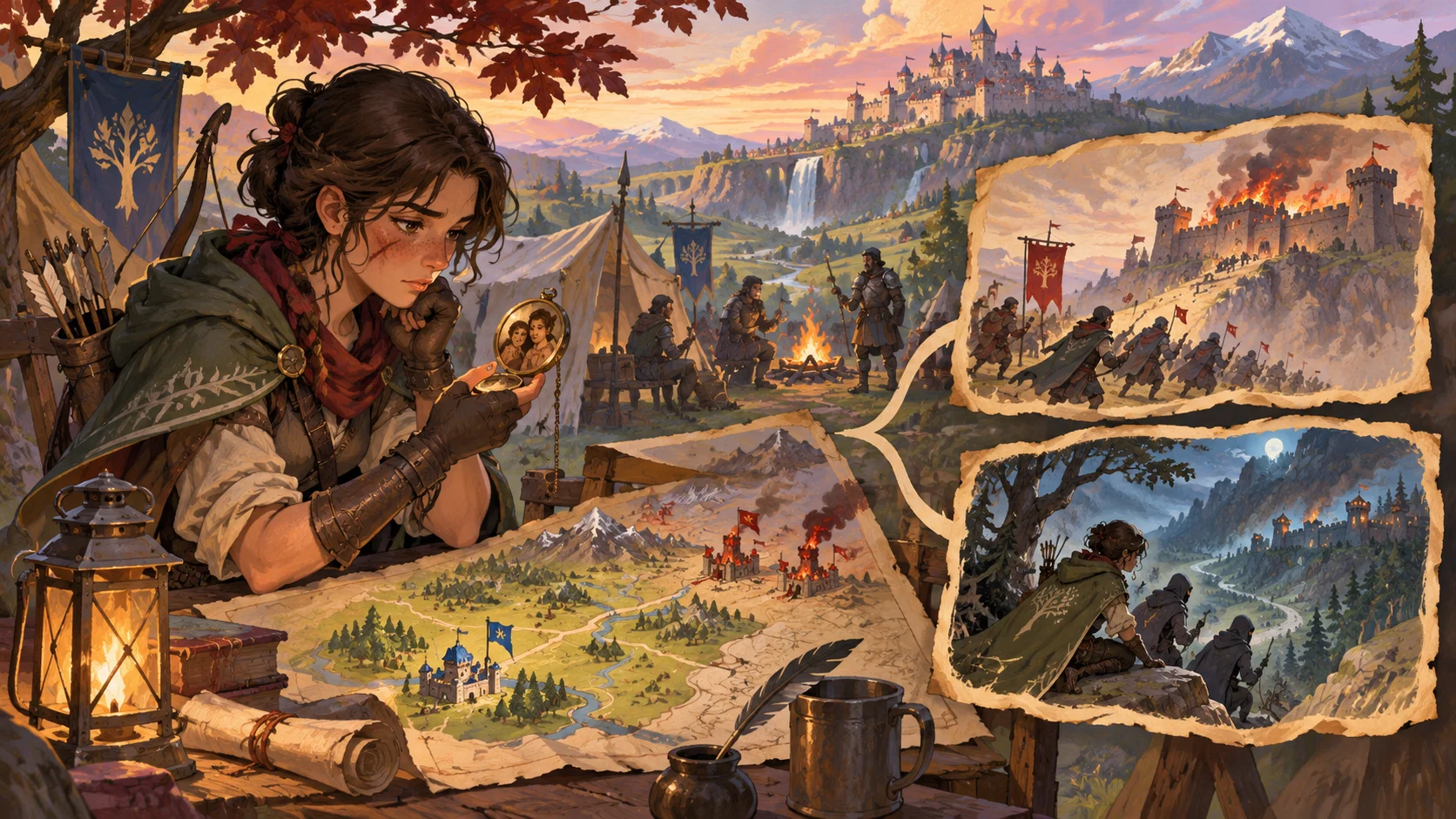
Add multiple solutions to major story encounters to your monster-taming game with AI. Make the decision and its consequence visible, then validate it in a short repeatable scenario. Prototype one major encounter with two routes before adding long-term branching across the full story.
Define encounter goals and companion options
Write the encounter goal in terms of what must change, not a single required action. A guardian may need to be calmed, moved, or bypassed so the player can reach a shrine. List the companion abilities, bond signals, environmental objects, and information available before the encounter, then identify which combinations can produce the needed state change.
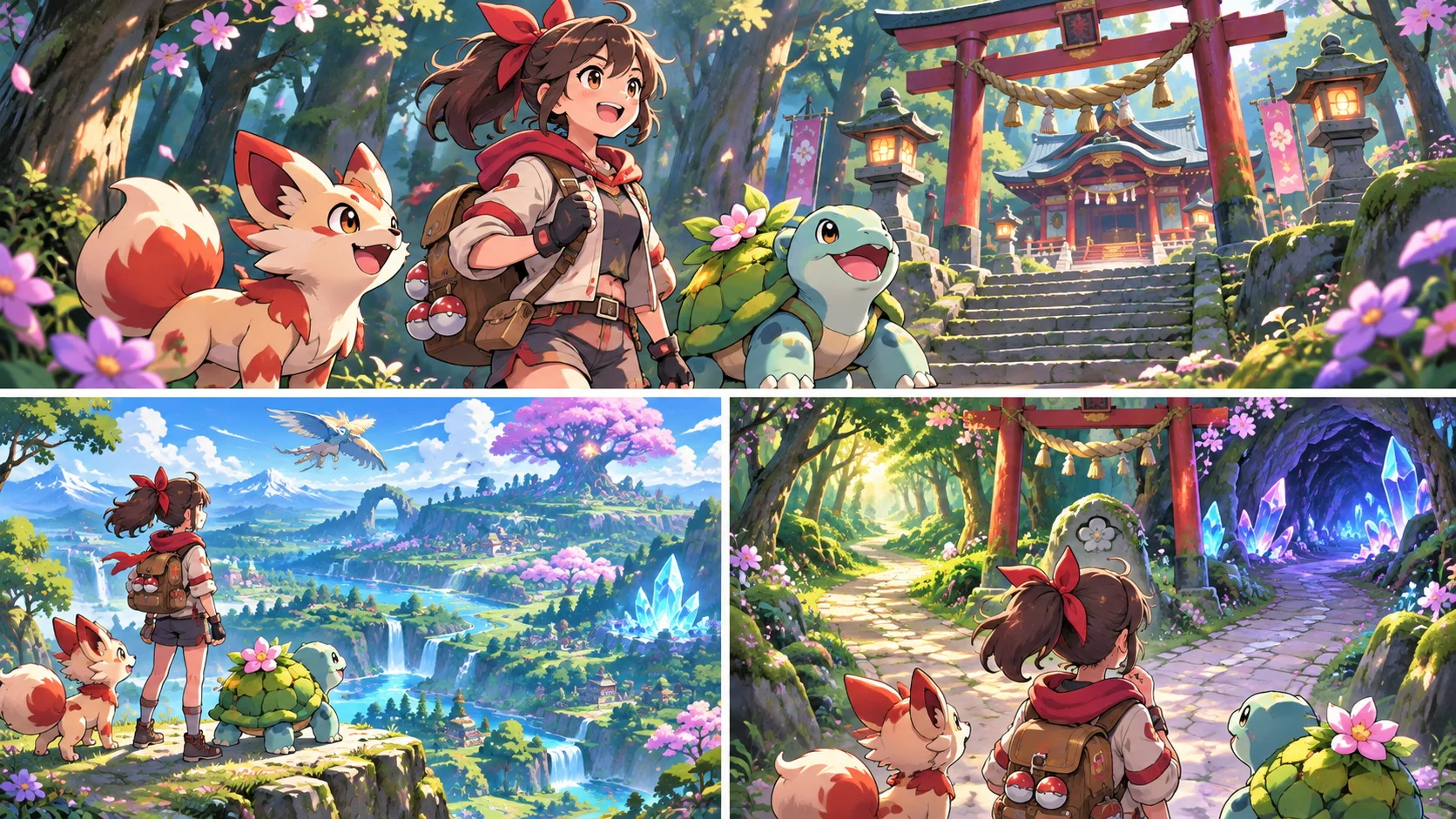
The official Temtem listing from Crema describes a creature-collection adventure with taming, battles, exploration, and a story campaign across islands. It supports the monster-taming adventure context only; branching encounter solutions here are original. Make the goal and nearby clues visible before the player commits to a route.
Build distinct solutions from bonds and commands
Give the player at least two actions that solve the same immediate problem in different ways. One companion may distract a guardian while another uses a scent or sound ability to guide it away; a trusted companion may also create a peaceful interaction if the player has built the right bond. A route through the environment can remain available for a party that lacks those skills.
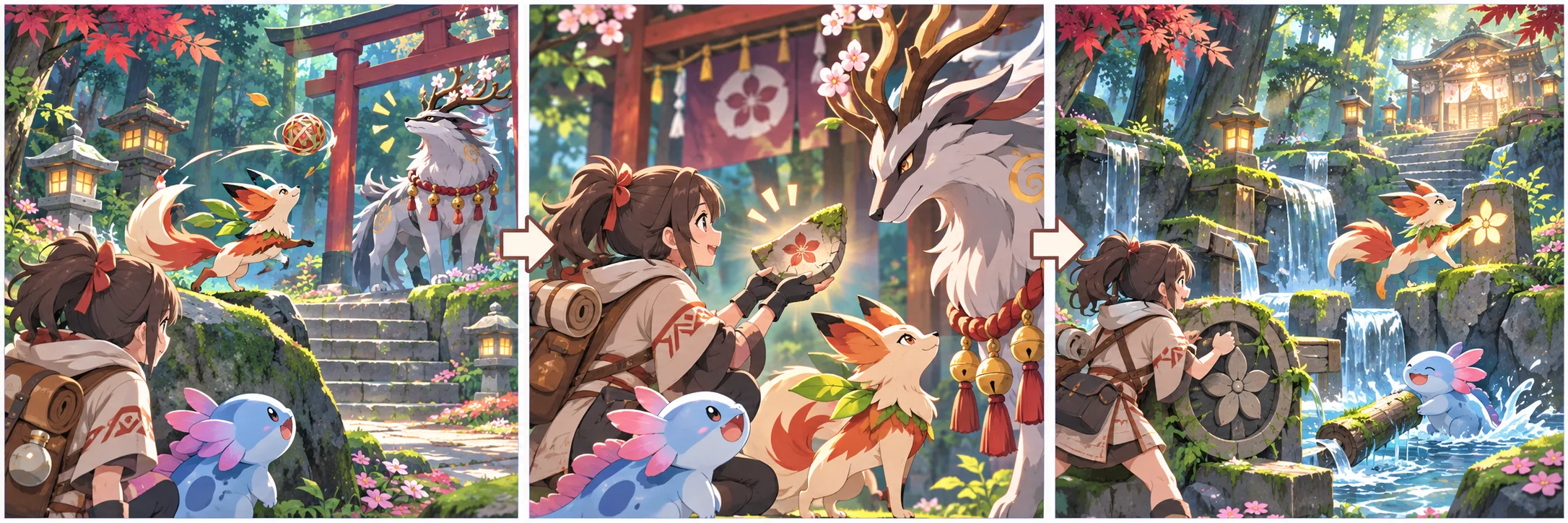
Distinguish the approaches through their cost and consequence. A battle may use health and time, a companion bond may unlock a new conversation, and an environmental route may leave the guardian undisturbed. Keep the main story outcome understandable while letting later dialogue or rewards reflect how the player acted.
Show consequences without hiding the main story
After a solution, show what changed: the guardian moves, a passage opens, a companion reacts, or a later character recognizes the player’s choice. Avoid consequences that appear much later without a reminder of their cause. If approaches affect only flavor, show that clearly; if they alter a later encounter or reward, establish the connection through dialogue or a journal note.
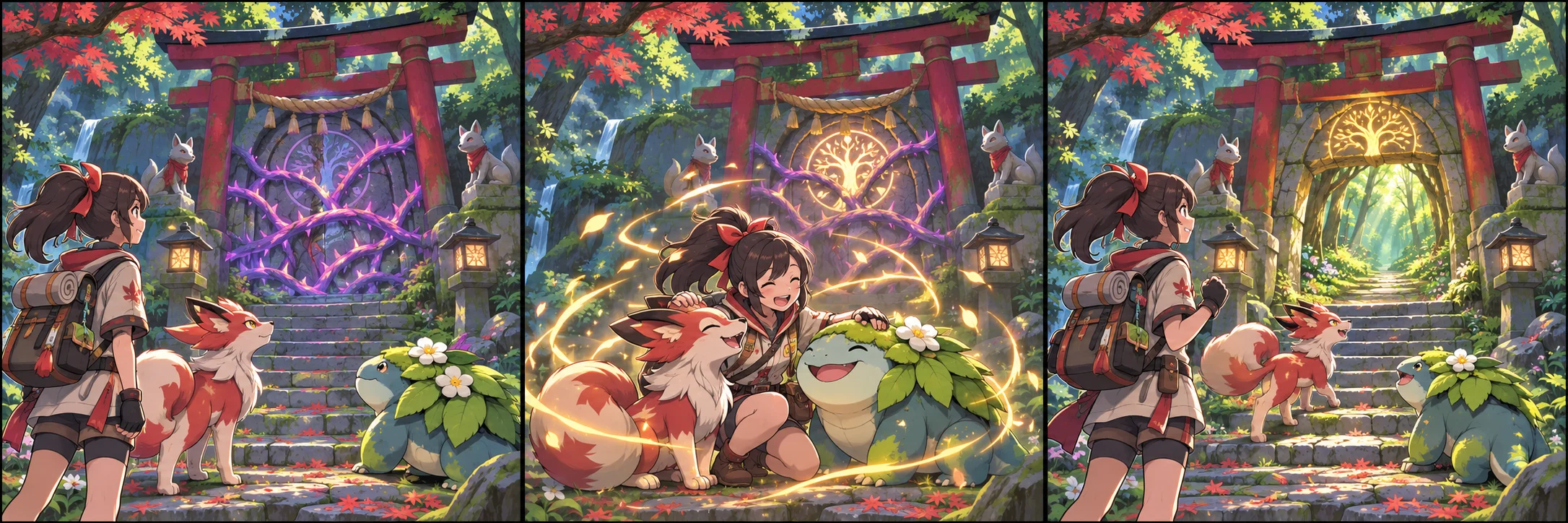
Keep essential progression recoverable. A missing companion skill should not strand the player unless the game has clearly taught that dependency and provides a way to obtain it. Allow a player to retreat, change party members, or revisit clues when appropriate. Multiple solutions should widen player expression rather than punish one roster choice.
Test party choices and alternative outcomes
Test the encounter with each intended party composition and route. Record which clue players notice, how they interpret their companion’s ability, the resource or risk they spend, and what consequence they expect. Confirm that the game signals success consistently for battle, bond, and environmental paths, while preserving any intended differences in later story response.
For related puzzle and evidence design, see a guide to multiple valid puzzle solutions and a guide to verifiable puzzle evidence. Pass when each supported approach reaches the encounter goal and the player can explain how their choice mattered.
FAQ
How can story encounters support multiple solutions?
Define an encounter goal as a state change, then offer different actions that can produce it. A guardian might be calmed, moved, or bypassed through companion abilities, bonds, battle, or the environment. Show clues before the choice and make each approach’s cost or consequence understandable.
How should companions create different encounter options?
Give companions distinct abilities or relationship cues that can solve a shared problem in different ways. One can distract a guardian, another may guide it away, while a trusted companion enables a peaceful exchange. Keep a route available for parties that lack one specific skill unless the dependency has been clearly taught.
How do you keep alternate outcomes clear?
Show the immediate world change after each solution and connect any later story effect to the earlier choice through dialogue, a journal, or a changed encounter. Distinguish flavor consequences from mechanical ones. Preserve essential progression so a player does not become stranded by an unannounced party requirement.
What should you test in monster-taming encounters?
Test each intended party composition and route. Record noticed clues, ability use, resource cost, expected consequence, and whether the success signal is clear. Confirm that battle, bond, and environmental approaches all reach the goal and that any later story differences reflect choices players remember making.