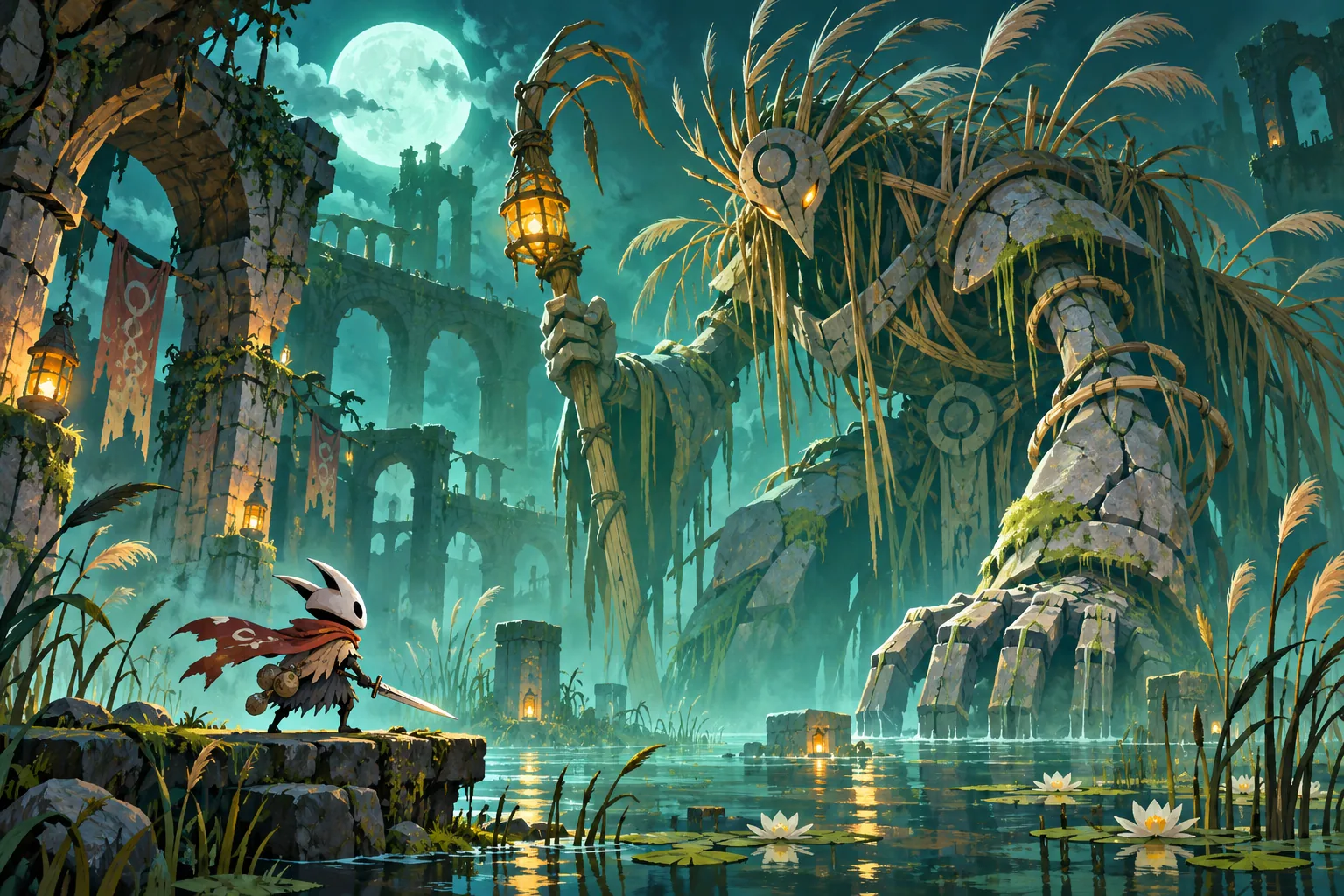
Combat can reinforce exploration when enemies teach readable behaviors and arenas offer meaningful movement choices. A useful encounter gives players time to understand an attack, choose a response, and recover after a mistake. TUNIC’s official listing describes an isometric action adventure with exploration and monsters; the enemy patterns and design advice here are original.
Make each enemy behavior readable
Combat encounters can teach players how to read a world through movement, timing, and distance. TUNIC’s official Steam listing describes an isometric action game about exploring a world and encountering ferocious monsters. That public description provides broad genre context only; the enemy patterns and encounter guidance below are original.
Give each enemy a small behavior vocabulary. It might approach, hold ground, sweep a wide arc, lunge, or retreat after an attack. Each behavior needs a recognizable tell and a consistent result. A player should be able to learn an enemy from observation rather than memorize an invisible timer.
Build encounters around one skill at a time. An early enemy may test spacing; a second can test patience around a slow windup; a later combination can ask players to manage both. Avoid introducing a new attack, a camera change, and a resource drain at once. The player needs enough attention to understand which behavior caused a hit.
Use arena geometry to create choices
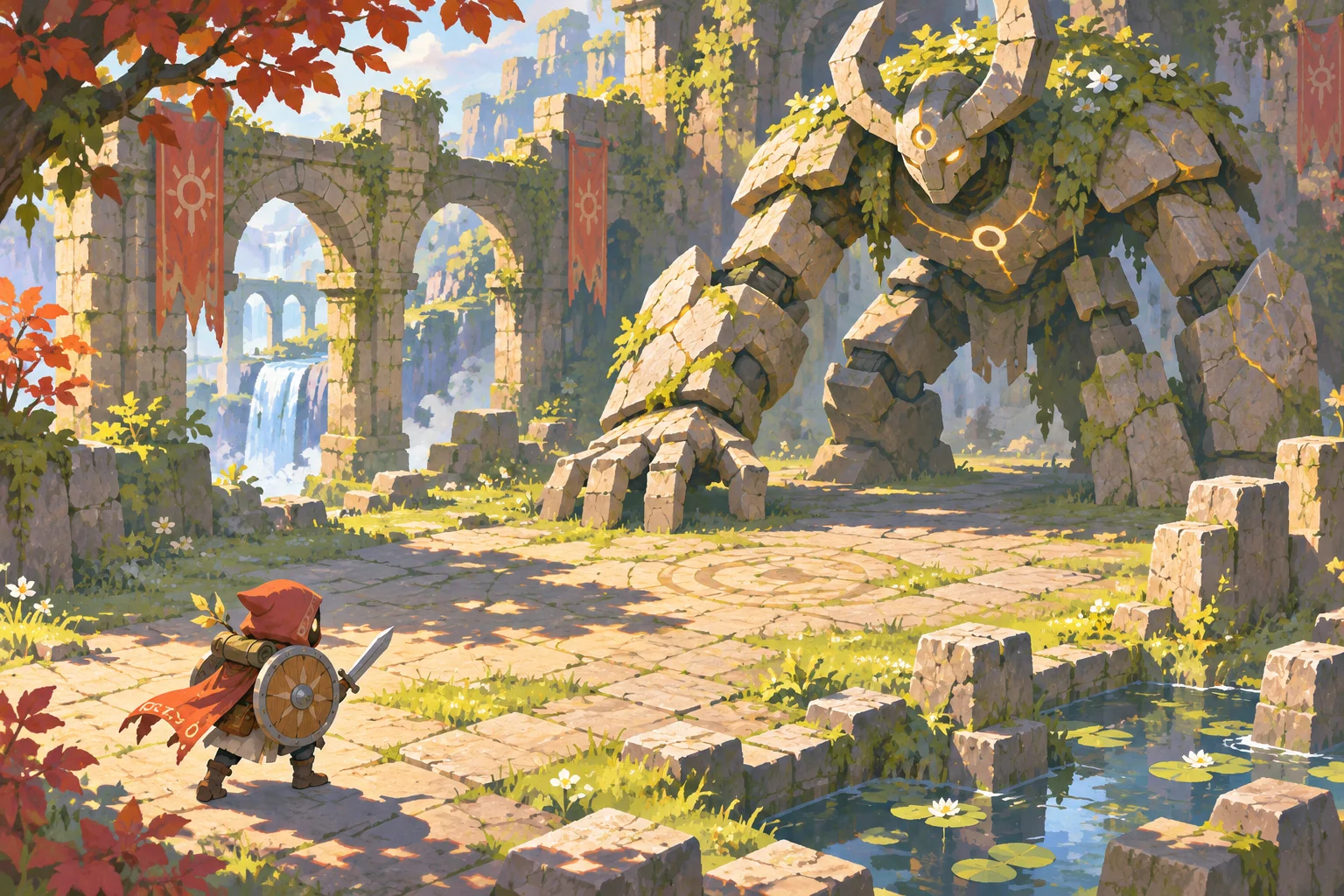
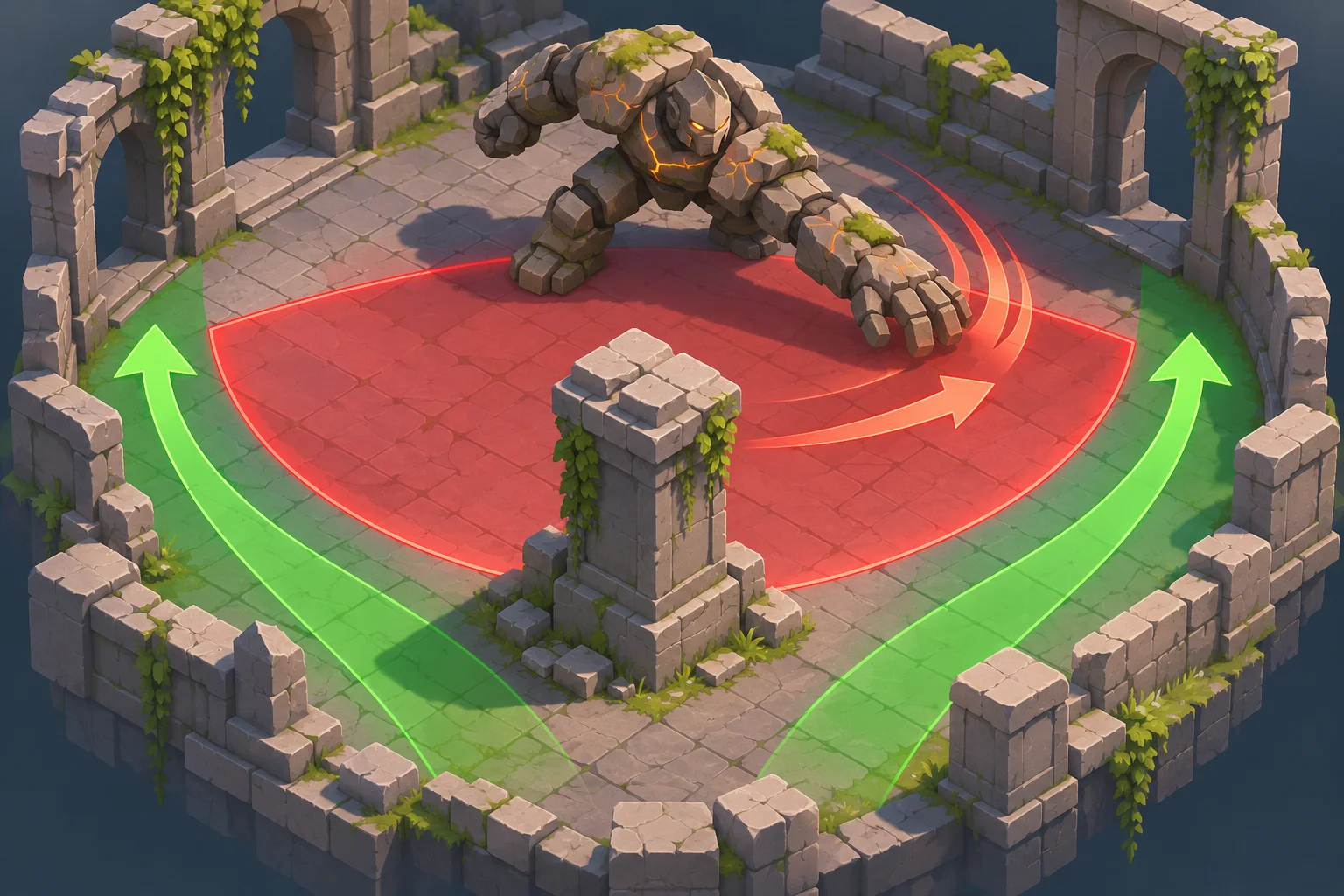
An arena is part of the combat system. Open space can reward movement, a pillar can interrupt a projectile, and a narrow passage can make a wide sweep more dangerous. Use geometry to alter the player’s decisions rather than decorate a room. Keep the attack tells visible around obstacles and ensure the camera does not hide an enemy behind foreground objects.
Offer more than one response when the encounter supports flexibility. A player might dodge through an attack, block it, interrupt the windup, or move behind cover. Each response can have a different cost. Make the tradeoff clear through stamina use, positioning, or a counterattack opportunity.
Check reachable space before placing enemies. A large foe and a fast flanker can create pressure, but leave room to move or use the environment. If a player can be pinned between collision shapes, widen the arena or adjust enemy approach paths. A fair layout should preserve an escape route or make the danger of losing it obvious.
Combine familiar enemies with clear roles
Enemy combinations should create readable roles. One opponent may pressure distance while another controls an area; a ranged attacker can make the player move while a guard protects a doorway. Introduce each role separately, then combine them after players understand their patterns.
Keep attack timing distinct. If two enemies wind up in exactly the same visual rhythm, players may confuse which hit is imminent. Vary posture, sound, or movement in a consistent way. Avoid overlapping effects that obscure important tells, especially when the camera is isometric and the floor plane is difficult to read.
Use group size sparingly. More enemies increase attention demands and can create collision chaos. A small group with complementary behavior often produces more interesting choices than a crowd of identical pursuers. Test the encounter with different builds and resource levels to make sure one tool does not trivialize the entire composition.
Test encounter pacing and recovery
Playtest encounters from the approach to the exit. Measure time to notice a tell, damage taken, healing use, repeated deaths, and how often players stop to reorient. Ask which attack felt dangerous and why. If players cannot name the cause of damage, revise the warning, camera framing, or collision behavior before changing damage numbers.
Check difficulty after exploration. A player arriving with low health or a different upgrade should still have a meaningful response. Provide a recovery window, a safe fallback, or a visible way to prepare. If the encounter is an optional challenge, communicate that through placement or environmental framing.
Finally, compare how the fight feels in isolation and as part of the route. Combat should support exploration rather than interrupt every discovery with the same intensity. Vary the size, purpose, and consequence of encounters. A quiet passage after a demanding fight can give players space to recover and appreciate the location.
Related guide
For environmental dangers that test movement and timing, see the guide to readable platform hazards.
Frequently asked questions
How do you design combat encounters for an action adventure?
Choose one skill the encounter should test, such as recognizing a windup, managing distance, or choosing when to commit. Use enemies and space to reinforce that skill, then provide a recovery window after major attacks. Test whether players can identify the lesson without being told the intended solution. Ask players to describe the rule they learned after the fight.
How can enemy attacks feel fair?
Use consistent windup, range, and recovery rules. Make the warning visible from the normal camera and ensure the attack’s hit area matches its animation. Give players enough time to dodge, block, interrupt, or reposition using tools they already know. This consistency helps players trust the combat model.
How do you make arena layouts matter?
Use cover, open lanes, elevation, or obstacles to change how players approach enemies. Keep more than one plausible route when the game supports improvisation. Avoid geometry that hides a windup or traps the player without an obvious exit. Keep the available routes clear at normal camera zoom.
How should combat support exploration?
Place encounters where they create a reason to read the space, protect a route, or reveal a reward. Keep transitions clear and avoid repeating a high-intensity fight after every small exploration segment. Let players recover, orient themselves, and decide whether to continue or return to safety.
Prototype an encounter
Use AI to create behavior variants and edge-case checklists, then verify tells, collision, and recovery with live playtests. Designers should set the intended difficulty and decide how each encounter supports exploration. Start a game project with Seele.