A choice feels persistent when the world carries it forward in a way the player can recognize. Build that effect from three parts: record what happened, decide where and how long it matters, then let characters or places respond. A flag that never changes later play is bookkeeping; a dramatic reaction that disappears after loading is unreliable. Define the state rule before writing all the branches.
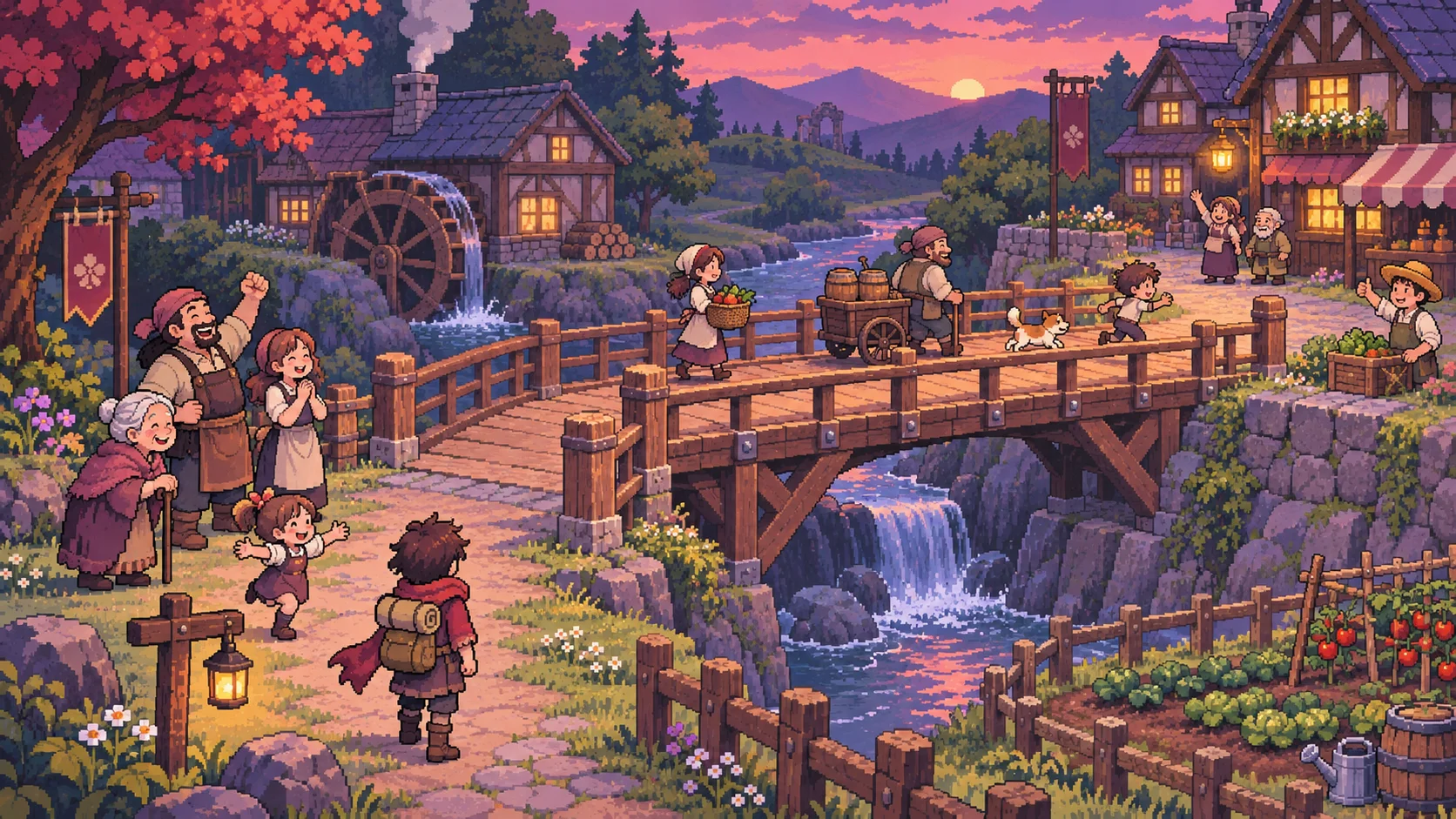
Define consequence scope and lifetime
Start by naming the choice and the consequence it can cause. A simple state entry might record that the player repaired a bridge, promised help to a character, or spent a scarce resource. Store a stable key and a value that matches the decision: a boolean for a one-time event, an enum for mutually exclusive outcomes, or a bounded number for a relationship or resource that changes over time.
Then choose the scope. A local consequence may affect one conversation; a regional consequence can alter a route or group of characters; a run-level consequence can shape later encounters; a campaign-level consequence may survive chapter transitions. Scope helps prevent a small decision from unexpectedly changing every scene.
Set the lifetime explicitly. Does the state last until a scene ends, until the chapter changes, until the player starts a new run, or across saved sessions? Some effects should decay or be consumed; others should remain permanent. Avoid a vague “remember this choice” flag when the game needs to know exactly when it resets.
Keep the recorded fact separate from its presentation. The state can say bridge_repaired = true; dialogue, animation, access, and ambient changes can each read that fact. This lets multiple parts of the game react consistently without copying the same choice into several independent variables that can disagree.
Record choices as explicit state
Write the consequence when the player commits the choice, not later when a scene happens to load. For a multi-step decision, define the commit point: selecting a response, completing an action, or confirming a trade. Until then, keep the choice provisional. This prevents a cancelled conversation or interrupted animation from recording an outcome the player did not actually choose.
Prefer a small set of named states over many overlapping flags. If a character can be helped, refused, or left unresolved, an enum such as helped, refused, or unknown expresses the alternatives more clearly than separate booleans that could all become true. If choices can happen repeatedly, record a count or history only when later content truly needs it.
Give each consequence one source of truth. A scene may read the current relationship level and select a response, but it should not secretly change that level just because the scene was visited. Put state changes behind intentional actions, then make presentation a read-only response. This makes scene re-entry and save loading easier to reason about.
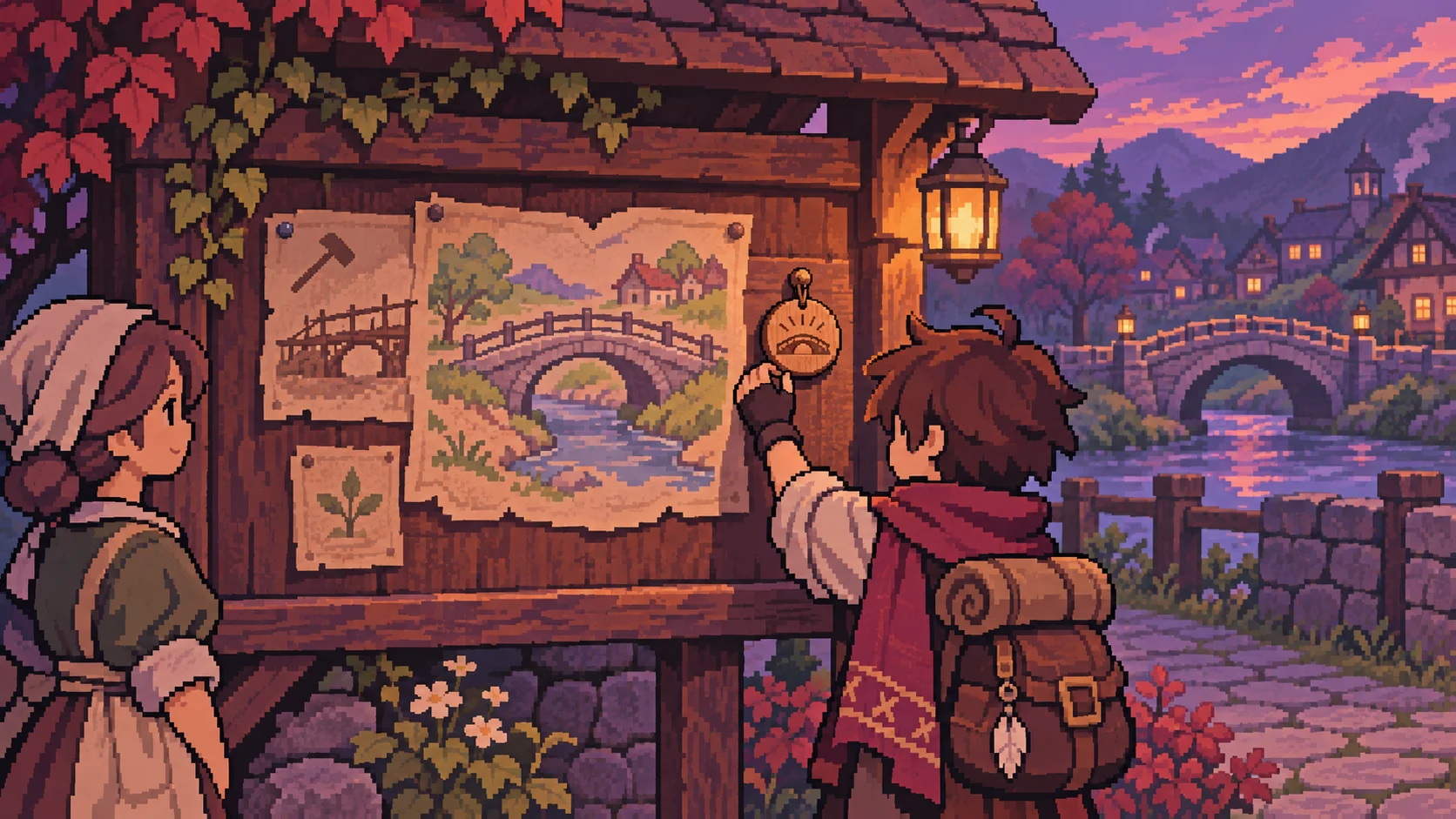
Reflect consequences through the world
Players need evidence that a consequence happened. The response can be small: a character uses a different greeting, a repaired structure remains visible, a gate opens, or a later request refers to the earlier promise. A response should follow from the choice closely enough that players can connect cause and effect. If the result arrives much later, use a reminder that fits the fiction.
Use more than one signal when the consequence matters. A changed line of dialogue can establish recognition, while a new route or altered activity shows that the world state has practical weight. Avoid repeating the same exposition in every scene. One clear reaction and a later payoff can feel more meaningful than a character continually announcing the flag.
Make outcomes legible without promising that every choice has a large branch. A small relationship shift can change tone rather than plot access. A scarce resource spent now may remove a later option. Tell the player enough about the stakes before commitment, then show the consequence through play. Consistency matters more than branch size.
The official Undertale site describes the game as emphasizing humor, character dialogue, and player choice. That high-level description is a useful reference for the topic, but the state model here is an original tutorial approach; it does not claim to reproduce Undertale’s internal systems.
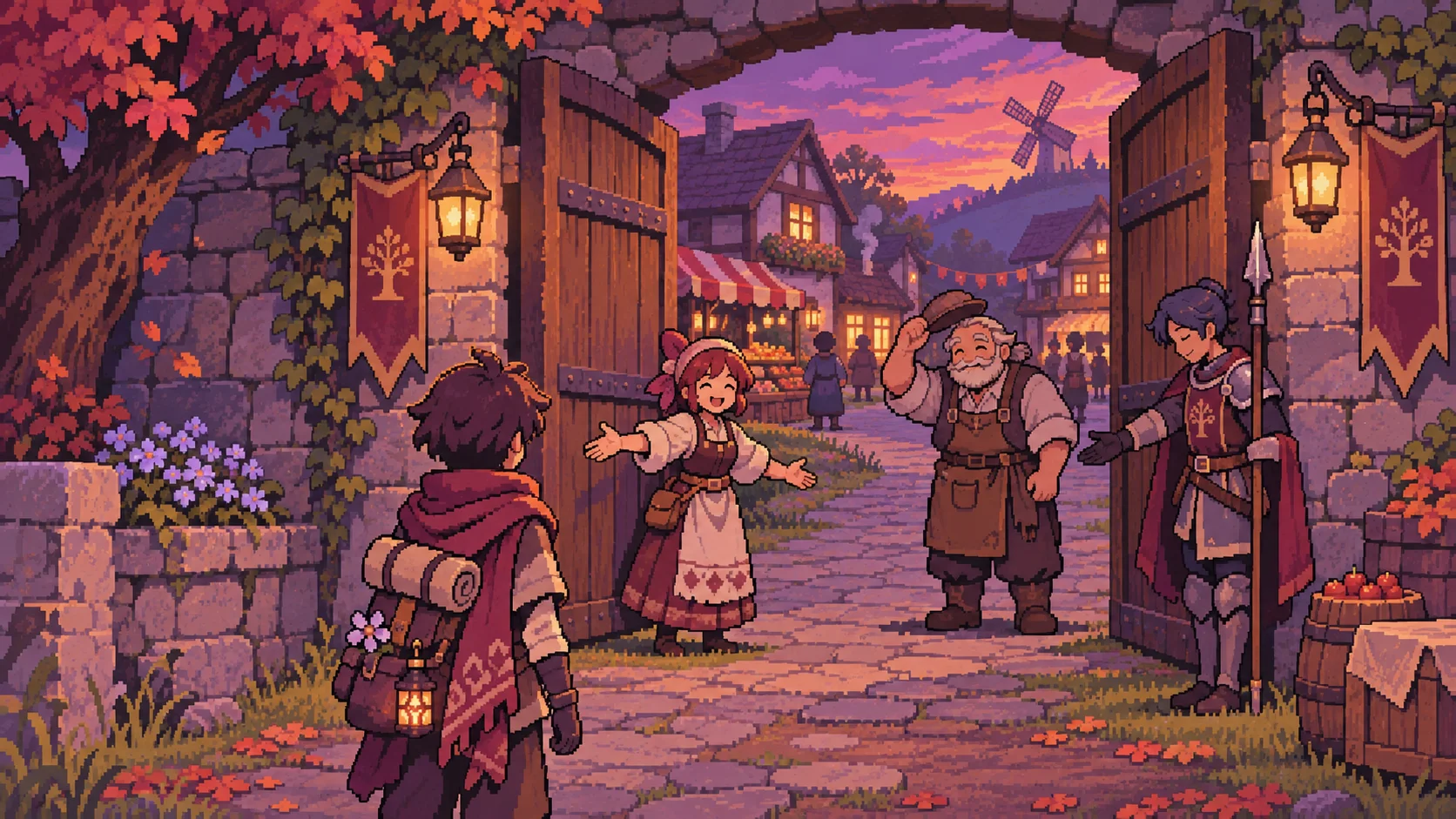
Test branches, saves, and contradictions
Make a short choice matrix before adding dialogue. List the state key, the action that changes it, the scenes that read it, and the expected visible response. Include mutually exclusive outcomes and unresolved cases. This catches gaps such as a character reacting to a promise the player never made, or a later scene that assumes a route is open when the bridge state says otherwise.
Test both choice orders when decisions can interact. If helping one character should prevent helping another, confirm the second option responds accurately. Test scene re-entry to ensure reading a consequence does not apply it again. Save immediately before and after a committed choice, load both saves, and verify that dialogue, access, and environmental changes match the stored state.
Keep state changes versionable. If a later build renames a key or changes its meaning, older saves may no longer match. For a small prototype, a save schema version and a simple conversion at load can map the old value to the new one. If you do not support old saves, decide that deliberately and give a clear new-run path; do not silently interpret missing data as a favorable outcome.
Finally, test the emotional read with players. Ask what they think their choice changed and what they expect to happen next. If they cannot identify the consequence, improve the feedback or timing. If they expect a larger effect than the game delivers, adjust the choice framing. SEELE’s documented game-creation capability can help you start from a narrative game concept, while the consequence rules and save behavior still need to be designed and checked in your prototype.
Frequently asked questions
How do you make choices feel permanent?
Record the choice at a clear commit point, preserve it for the intended scope, and show a later response that follows from it. A changed line, relationship, route, or landmark can demonstrate persistence. The effect does not need to create a large story branch, but it should remain consistent and recognizable when players return to the relevant scene.
How can consequences persist after loading a save?
Save the authoritative choice state, not only the current scene presentation. On load, restore the state first and let dialogue, access, and environment derive from it. Test saves made immediately before and after the choice. If the state schema changes between versions, map old values deliberately or define a clear new-run policy.
How do I avoid branching story complexity?
Store a small number of meaningful facts and let multiple scenes react to those facts, instead of writing a completely separate story for every choice combination. Use local responses for small consequences and reserve major branches for decisions that change the player’s goals or access. A choice matrix helps reveal duplicate flags and scenes that do not add a distinct outcome.
How can players notice a consequence?
Show a response close enough to the choice that players can connect the two. Dialogue, character behavior, a changed landmark, or a newly available route can communicate the result. For a delayed payoff, include a natural reminder of the earlier action. Ask testers what they think changed; if they cannot tell, strengthen or clarify the feedback.
Choose one decision, define its scope and save behavior, and make its later effect visible before expanding the story graph. Explore an AI game creation starting point for an original narrative RPG idea.