Let cards react to their neighbors
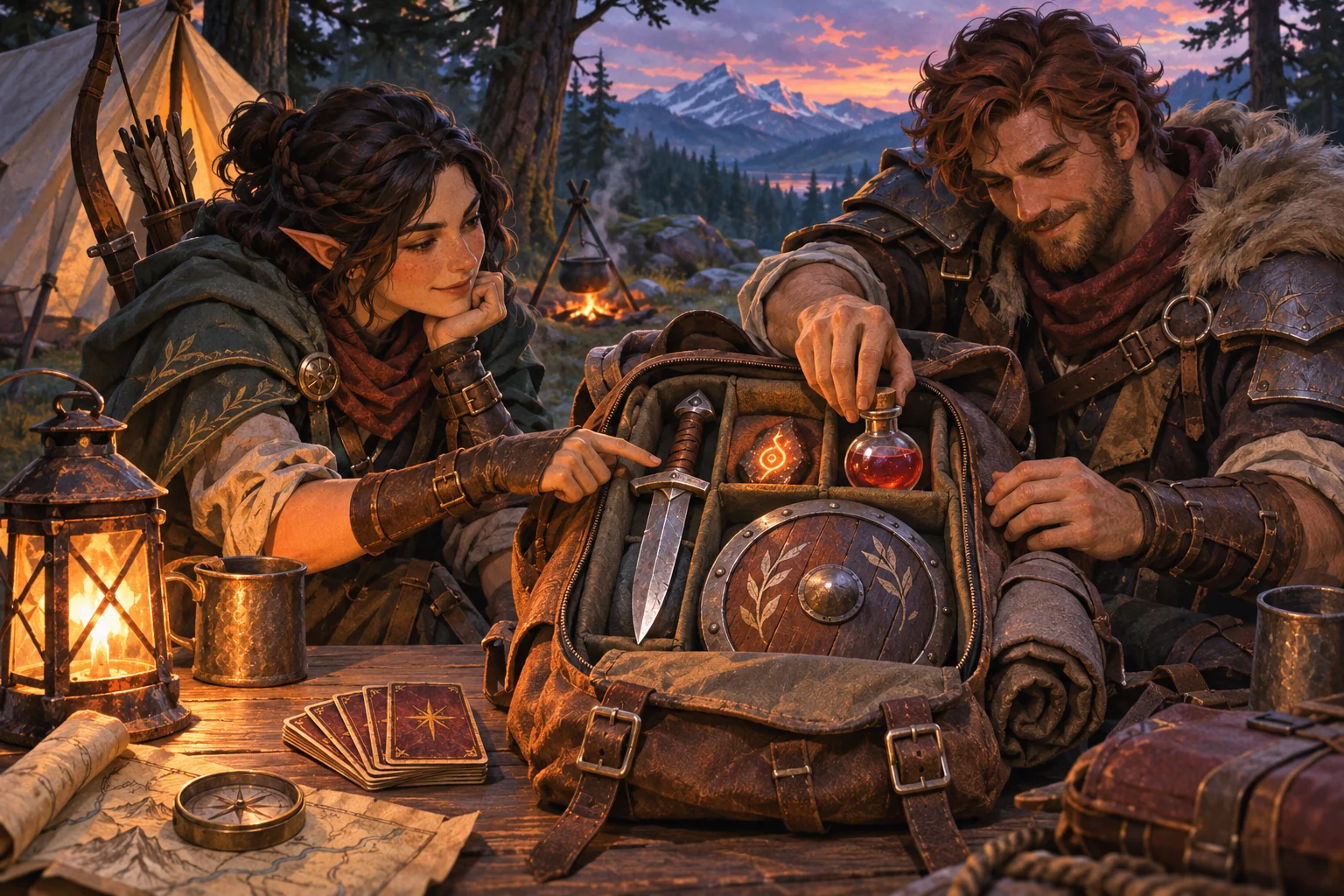
Inscryption provides high-level context for an atmospheric card game. Hollow Lantern is a separate fictional deckbuilder. Its cards, characters and interaction rules are original examples, not claims about Inscryption's systems.
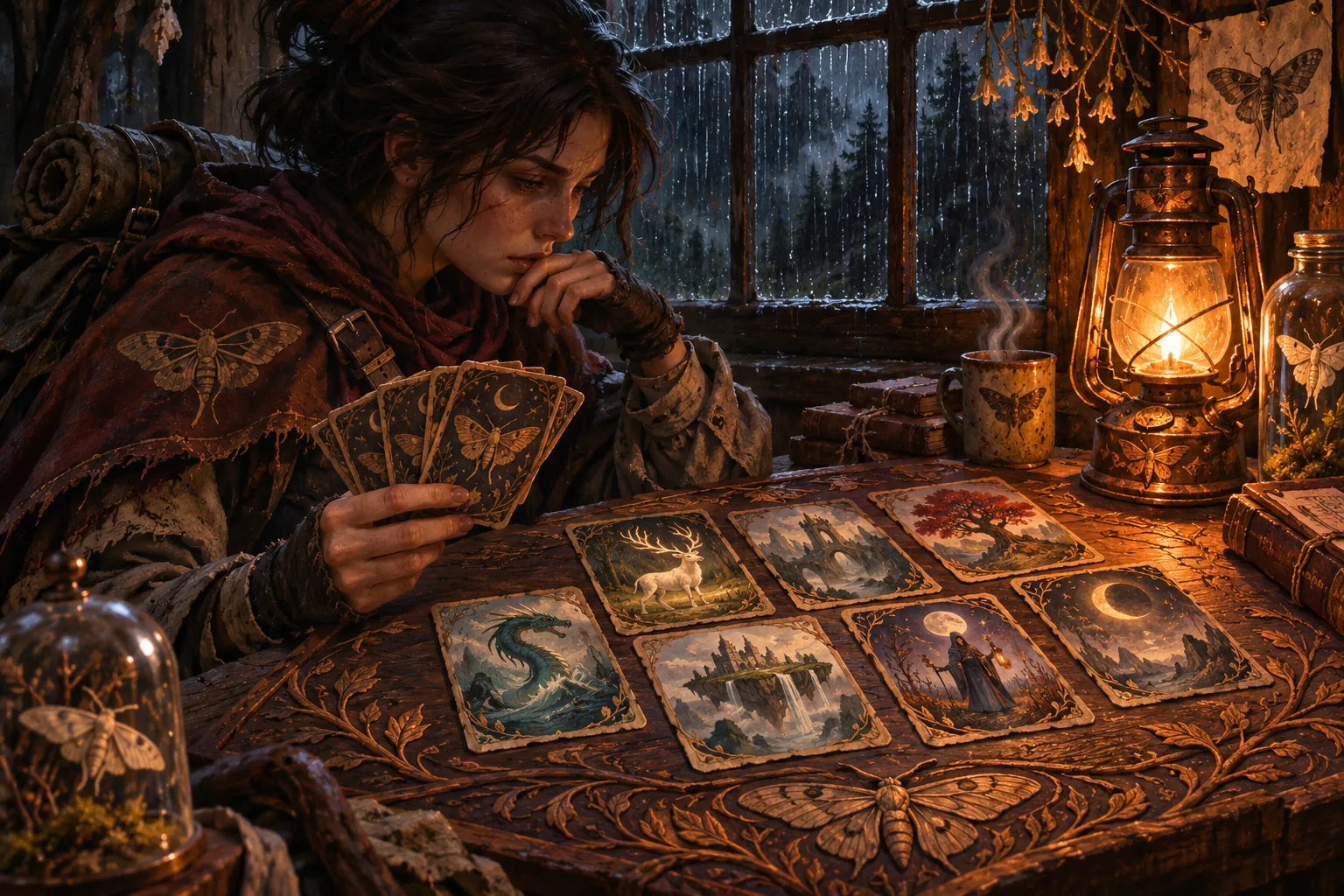
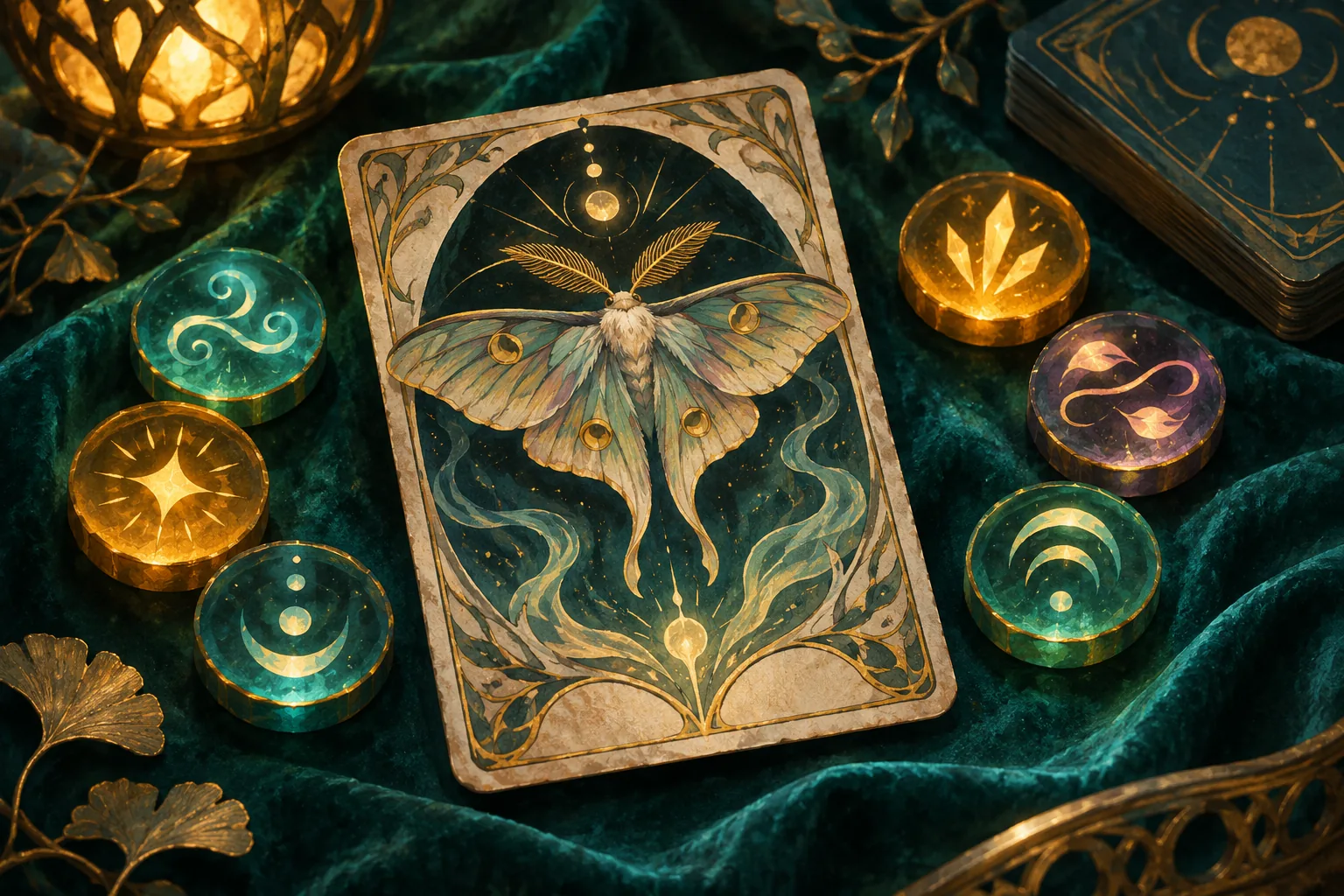
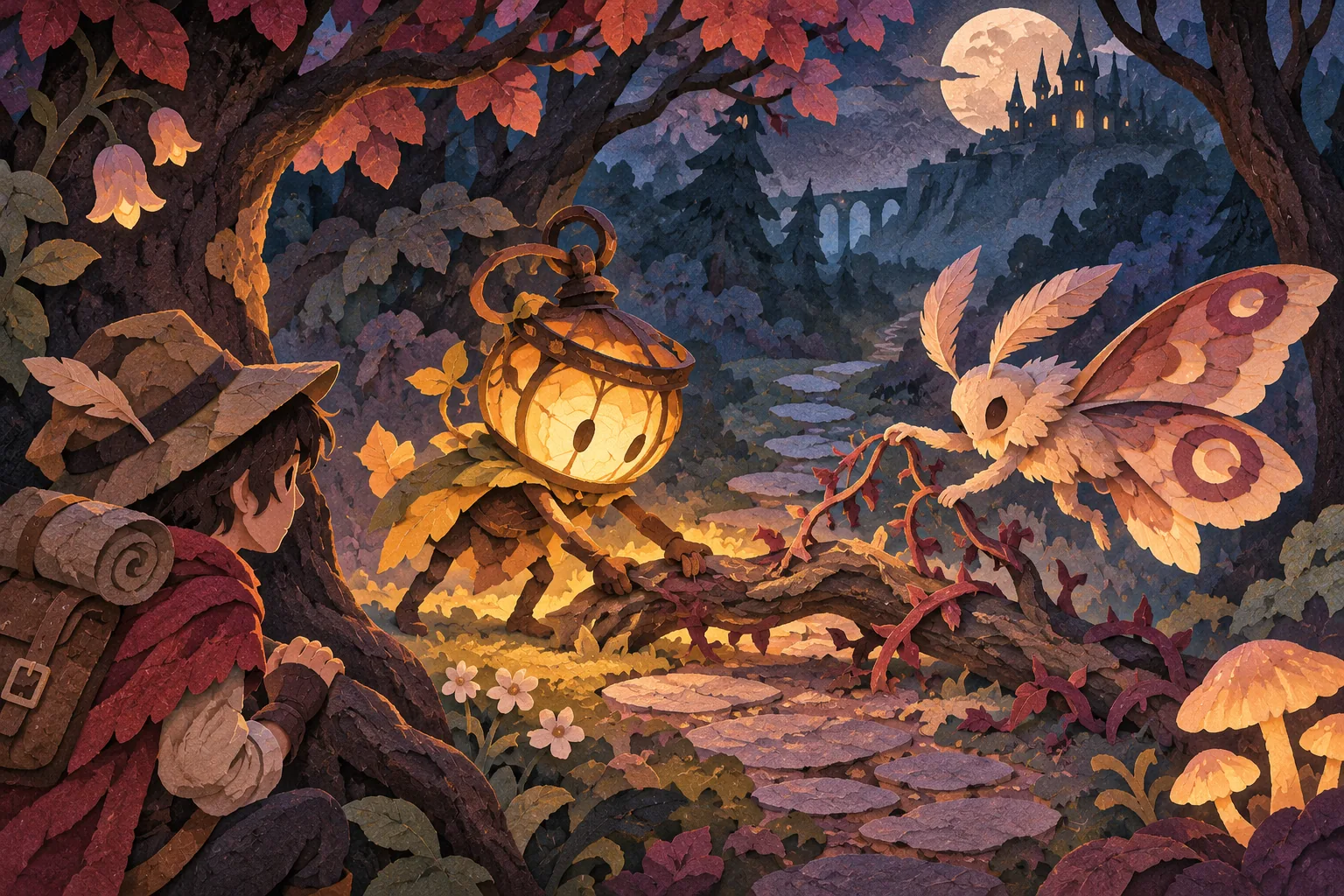
Give each card a family and a one-line effect. A Lantern card and a Moth card trigger when placed in neighboring board slots: create one Spark token. The placement that completes the pair owns the trigger. Other combinations do nothing in this first prototype, keeping the interaction easy to see and test.
Resolve the pair once when it forms
After each placement, inspect only the new card and its immediate neighbors. If a Lantern–Moth pair has not already triggered this turn, add one Spark and mark that pair resolved. Removing either card clears the pair marker. Do not re-trigger the effect on unrelated board changes.
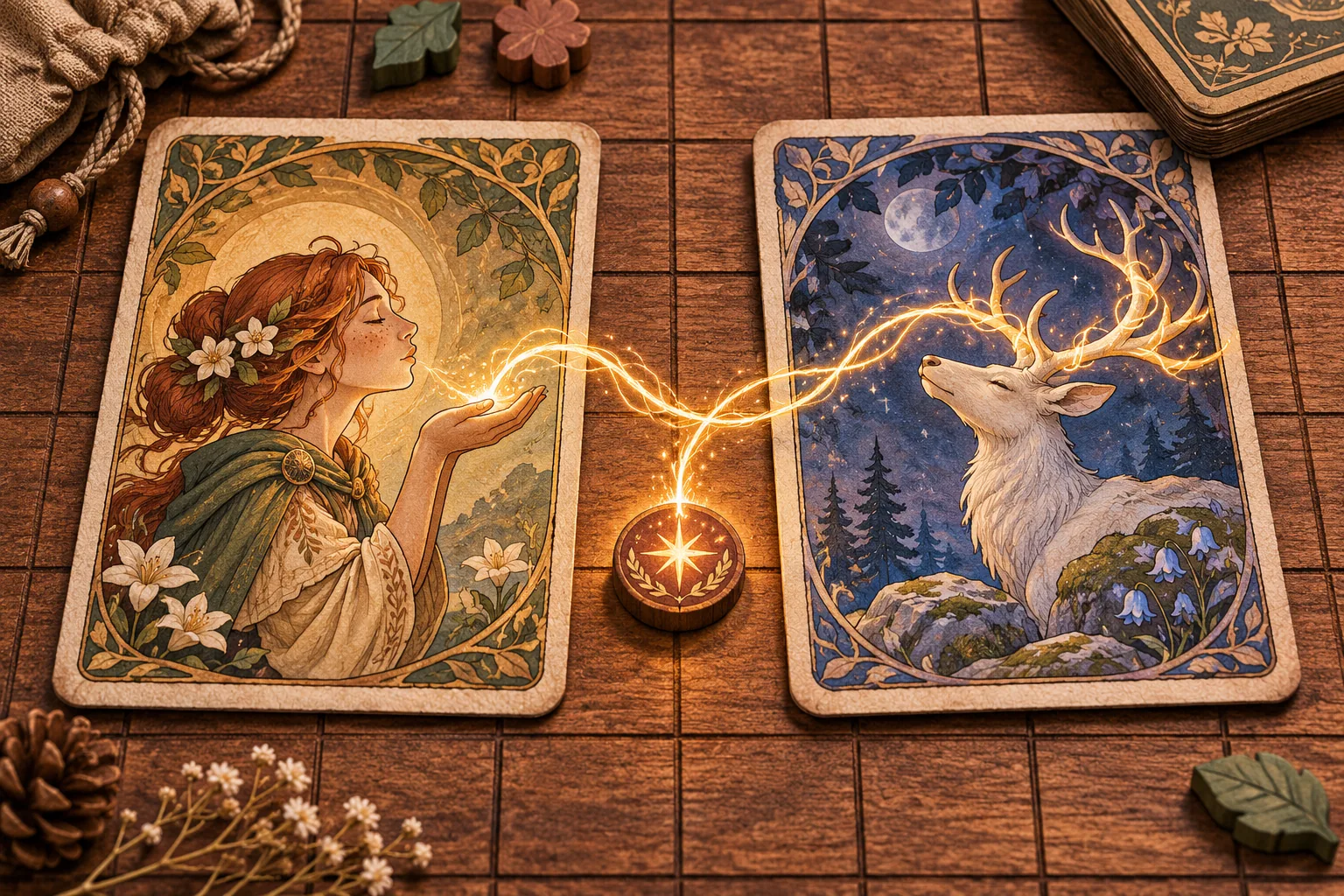
The rule test places Lantern beside Moth and confirms one Spark. Reordering an unrelated card adds none. Removing Moth and placing it beside Lantern again creates one new Spark. A second trigger attempt without a new pair formation is ignored. These checks validate event timing, not strategic depth or card balance.
Make the interaction visible before a move
Highlight neighboring slots that can complete a pair and preview the Spark effect before placement. After the card lands, show the pair and token update together. Players can then choose whether to use the effect now or keep the card for another board position, without needing hidden combo rules.
Test one pair before adding a full deck
Represent card family, board slot and trigger state as explicit data. Resolve effects from a placement event rather than rescanning the whole board. Godot Resource can store original card definitions; SEELE AI Game Maker is a starting point for a prototype. Inscryption supplies broad mood and genre context only.
Make an original card game with Lantern and Moth card families. When a newly placed Lantern is adjacent to Moth, or Moth to Lantern, create exactly one Spark token. Do not trigger on unrelated board edits. Removing a card clears that pair, and forming the pair again creates one new Spark. Show the pair and effect to the player.
Create an original card game in SEELE · Inscryption on Steam
Frequently asked questions
When should adjacent cards trigger an effect?
Trigger after a placement creates a qualifying pair, then record that the pair resolved for the current turn. In Hollow Lantern, neighboring Lantern and Moth cards create one Spark. Unrelated board changes do not repeat the effect. This event-based rule makes it easier to test why and when an interaction occurred.
How can players understand a card combination?
Show which neighboring slot completes the pair and preview its effect before placement. After resolution, highlight both cards and the created token. The player can connect the visible board state to the result, while later designs can introduce more families and effects gradually.
What should a first card-interaction test cover?
Test a valid pair, an invalid pair, an unrelated board edit and a pair formed again after removal. Confirm the token is granted exactly once per formation. These checks establish deterministic behavior; they do not show whether the card set is balanced or enjoyable.