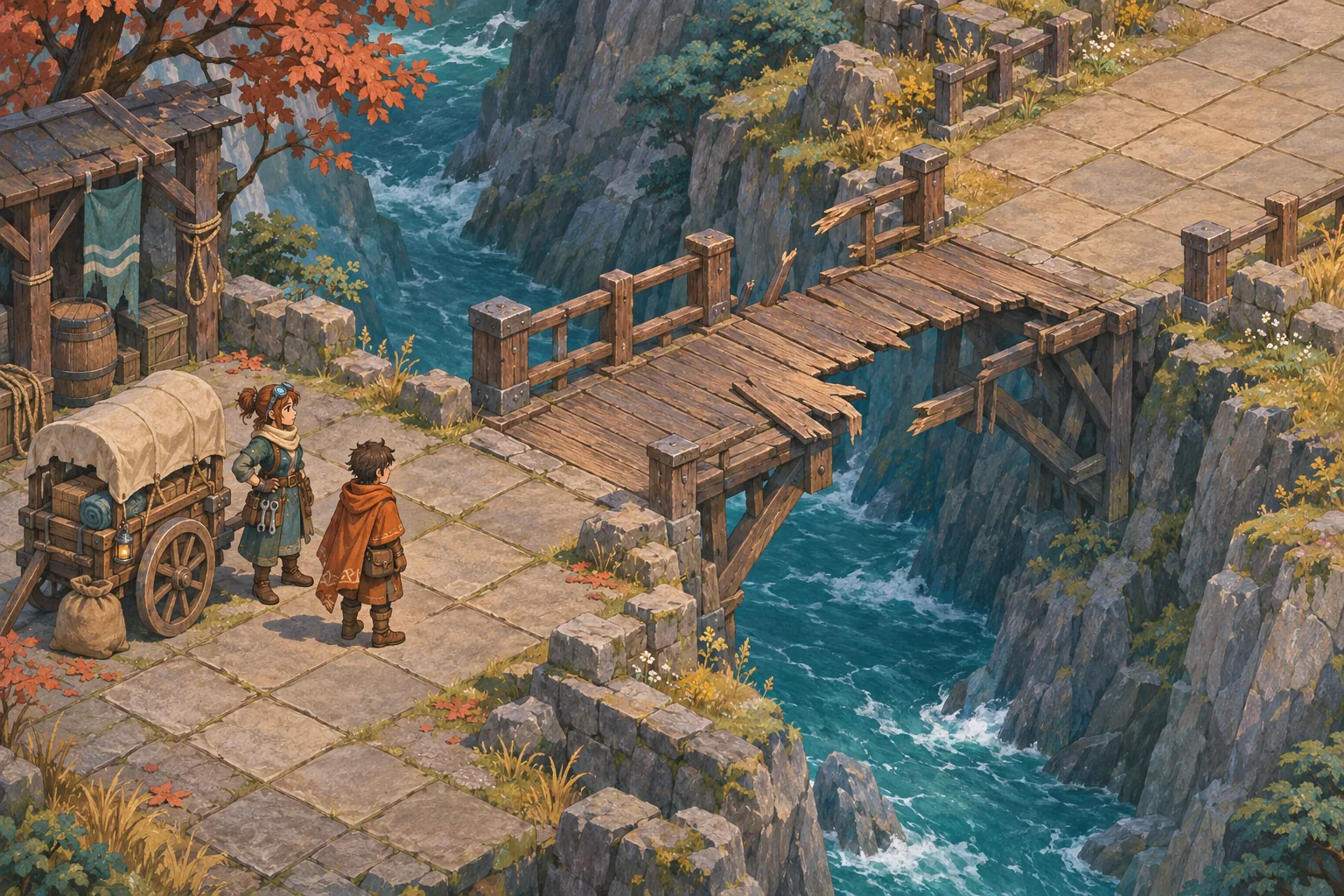
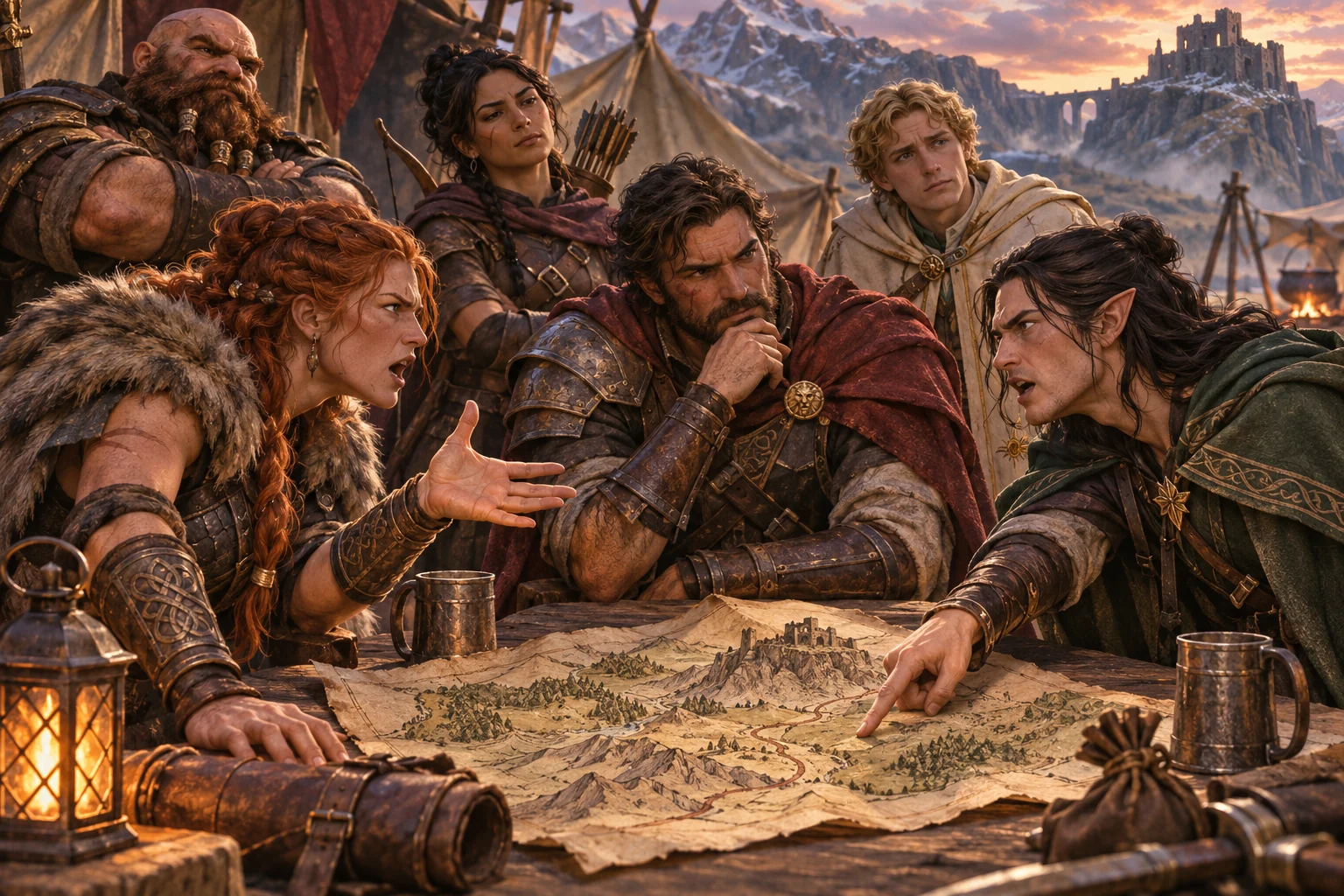
A companion disagreement matters when it changes what the party does next. In the fictional action RPG Glass Archive, Sera objects when the hero takes the exposed bridge, spends the last signal, or waits for a scout. The disagreement becomes a choice with a follow-up, not an extra dialogue line.
Build the first scene around one convoy decision and one companion. Let the player hear Sera's reason, keep or revise the plan, and see the consequence in the next encounter. A compact four-choice model can reveal whether a resolution threshold changes the sequence as intended.
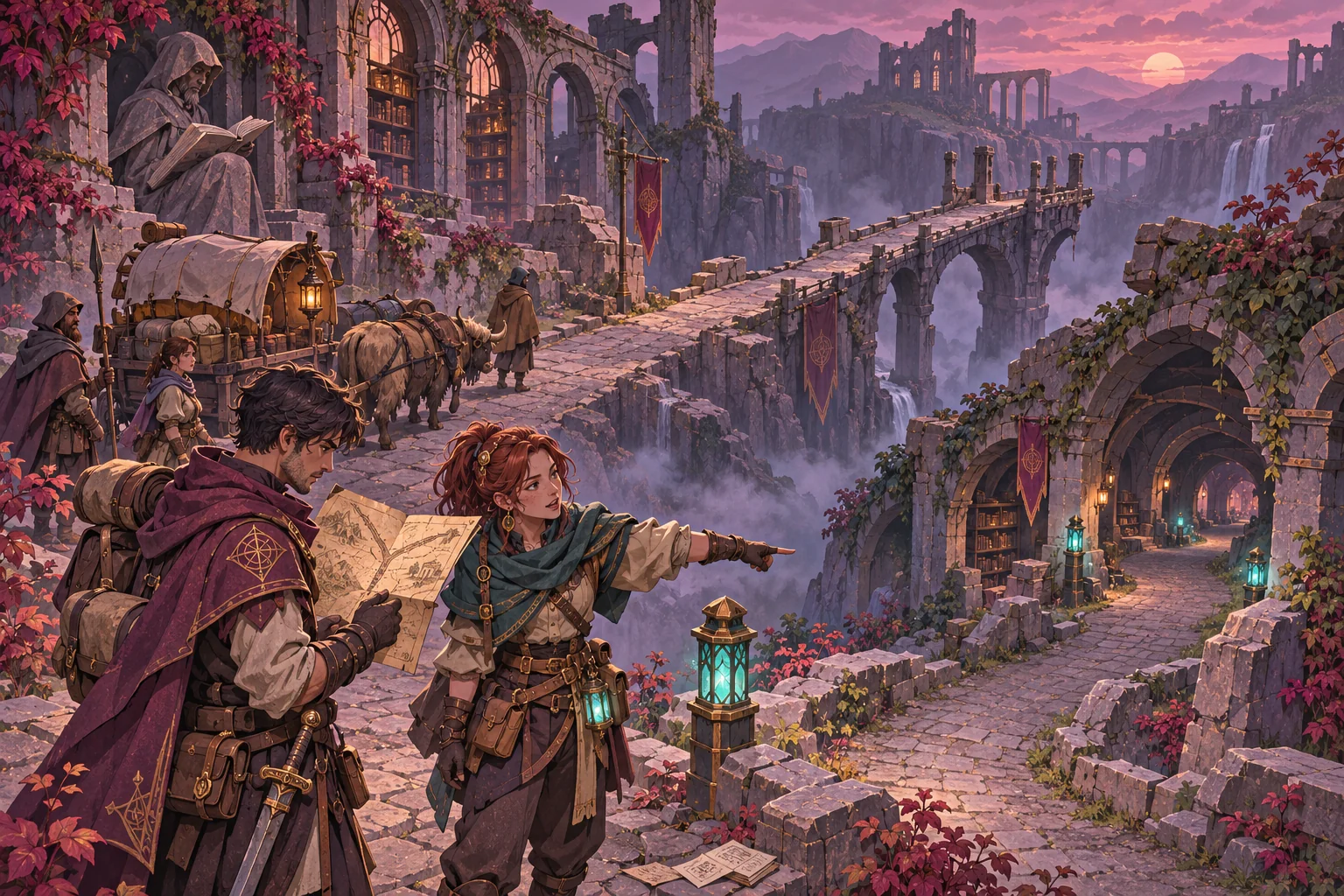
Give disagreement a state and a next step
Track the chosen plan, the companion's stated position, trust, and whether a follow-up was resolved. A dissent line should name a reason tied to the scene: the bridge is exposed, the signal has another use, or the scout has not reported. Keep each position distinct from a generic approval meter.
After the choice, show support or dissent and offer an action: ask for a route, spend a supply, or confirm the plan. Carry the outcome into the next combat or travel state. If Sera agrees after a change, reflect it in both the party log and the next encounter setup.
Godot's animation state machine documentation describes named states and transitions. A similar explicit state graph can help structure a prototype's scene flow; it does not prescribe companion personalities or measure whether dialogue feels believable.
Read Godot's animation state machine reference
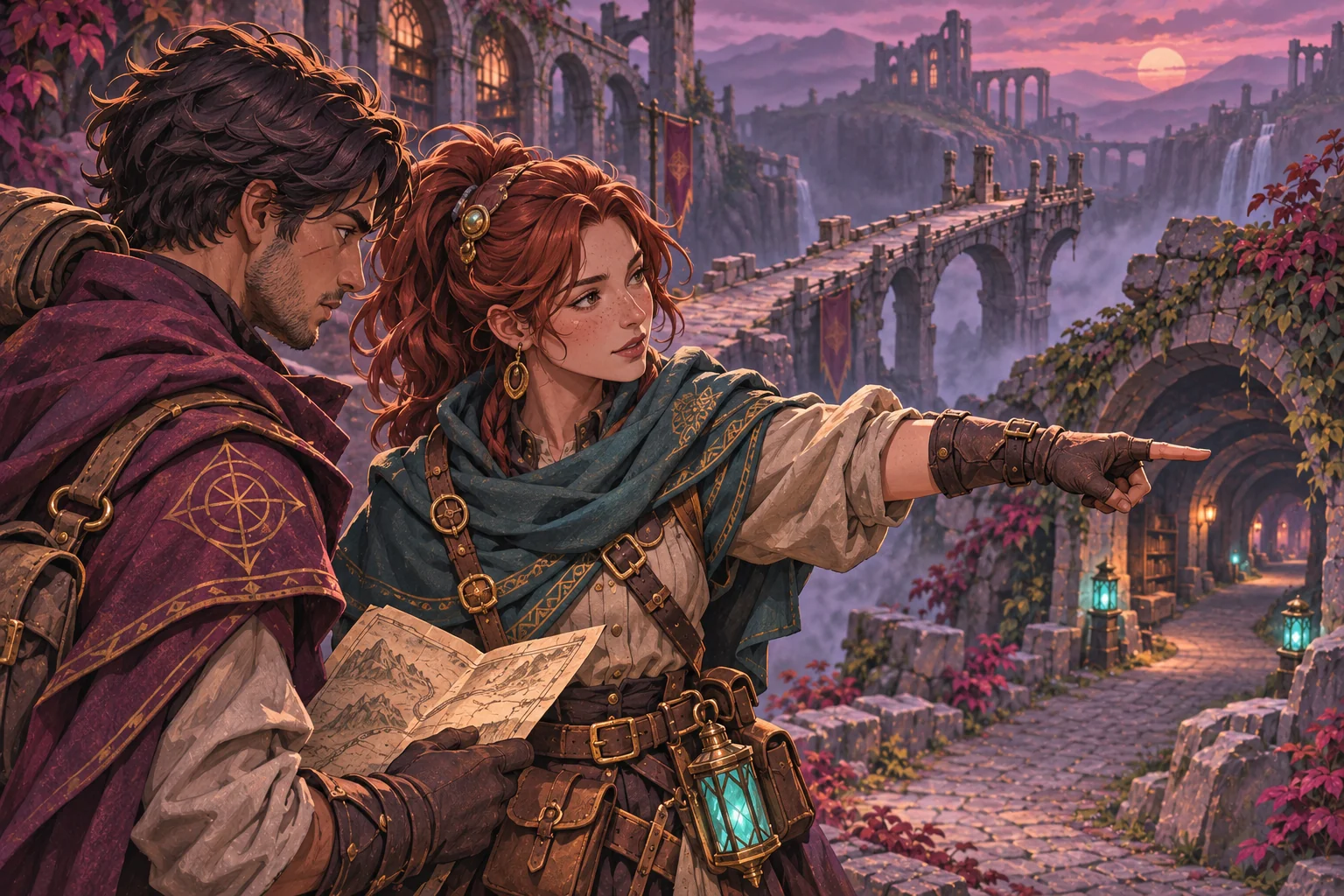
Lower the resolution threshold by one choice
The fictional model runs four fixed convoy decisions: take the bridge, spend the last signal, wait for the scout, then share supplies. Sera dissents on the first three. With a threshold of three, the shared-plan resolution occurs on choice 3.
Change only the threshold to two. The same choices and dissent pattern now resolve the plan on choice 2. This deterministic comparison verifies when a state transition fires; it does not evaluate Sera's dialogue, player trust or the quality of the following combat.
In an interactive prototype, replay the same choices. Check that the companion's stated reason matches the action, that the player can ask or revise, and that the later encounter reflects the decision. If dissent feels like a hidden penalty, show the consequence and an alternate route before confirmation.
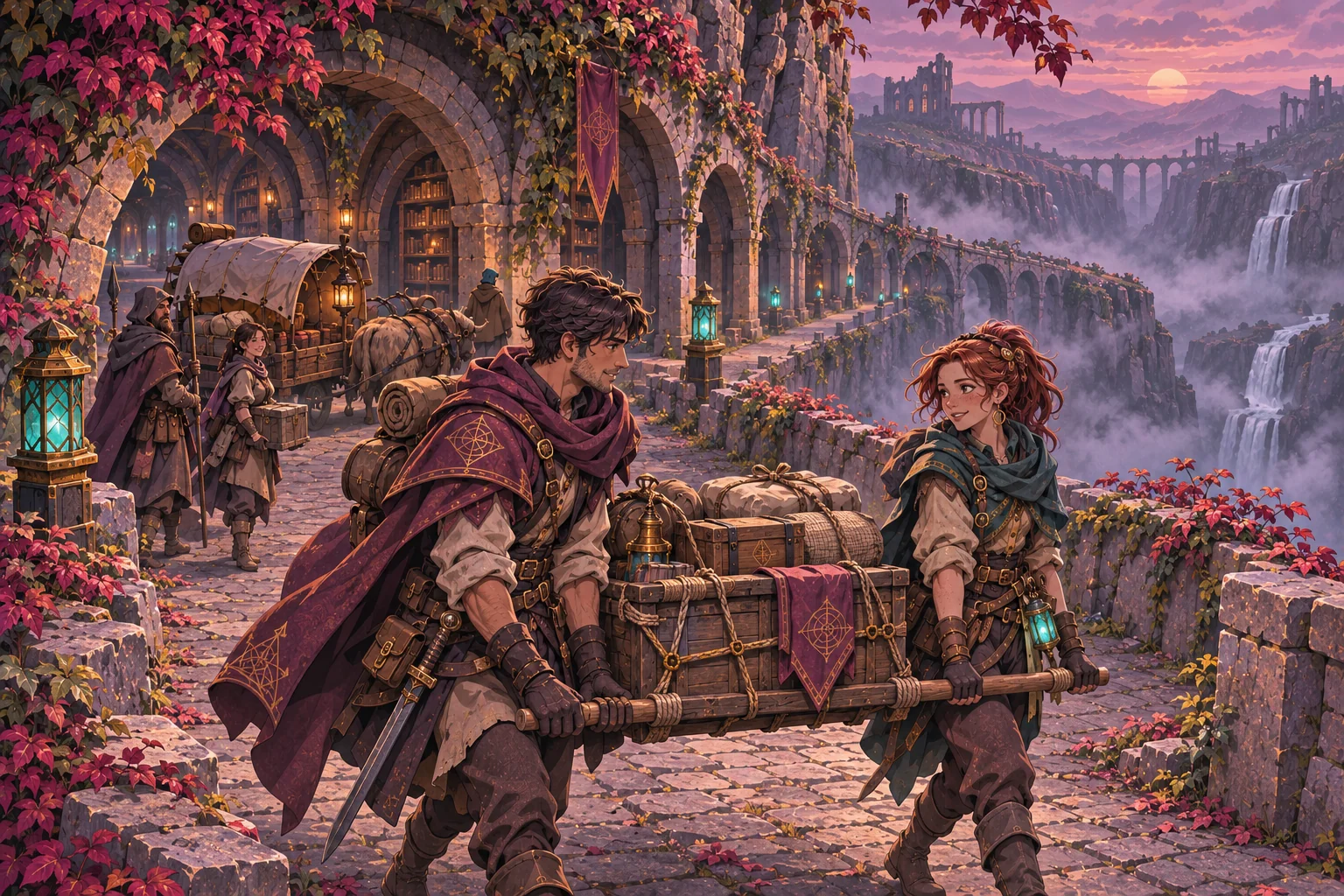
Ask AI for a companion-led decision scene
Describe one convoy scene, Sera's three concrete objections and a fourth choice she supports. Ask for explicit party states, a player option to discuss or revise, and a follow-up task that changes the next encounter. Keep the choice sequence fixed while comparing resolution thresholds two and three.
Then play the generated scene and inspect both branches. Confirm that the companion's reason is visible before commitment and that the chosen plan changes a later event. The state model cannot establish believable dialogue or a satisfying relationship arc.
Create a small original action RPG chapter called Glass Archive. The hero leads a convoy with companion Sera. Present four fixed decisions in order: take an exposed bridge, spend the last signal, wait for a missing scout, and share supplies. Sera clearly objects to the first three and supports the fourth, with a specific reason for each. Let the player ask one follow-up question, keep the plan or revise it. Track trust, dissent, decision and resolution as explicit states. Add a resettable rule that resolves the party plan after either two or three objections. Carry the chosen plan into the next encounter setup and log that consequence. Do not use dissent as a hidden damage penalty.
Make the disagreement visible before it changes the mission
A companion can challenge a plan without becoming a random approval meter. State the reason, give the player a follow-up and carry the result into the next scene. Tune one threshold at a time, then play both branches to check that the relationship and mission consequence make sense.
Start an action RPG chapter with SEELE's AI game maker
Frequently asked questions
Should a companion always support the player?
No. A useful companion can disagree when their knowledge, goals or risk tolerance differs. Give the objection a reason tied to the current scene, then let the player ask, accept or revise. The response should affect a visible party state or later event so disagreement feels like a character choice rather than random friction.
How can disagreement avoid feeling like punishment?
Show the likely consequence before the player commits, and include a way to discuss or revise the plan. Avoid silently reducing damage or trust just because the player chose differently. If a decision creates a cost, connect it to the stated concern and show the alternate route the companion proposed.
Does the four-choice model test believable companions?
No. It checks only when a fictional resolution threshold is reached in a fixed sequence of choices. It cannot judge dialogue, player trust, character consistency or whether a later mission consequence feels fair. Those require an interactive story prototype and a playtest with people.