Key takeaways
- SEELE IAP lets creators design optional stores for arcade games, price virtual items or content in Koin, and earn from eligible purchases. Keep the core game playable and the offer explicit. SEELE is not a native billing SDK, analytics product, payment gateway, or subscription analytics service.
Why arcade monetization has to respect the retry loop
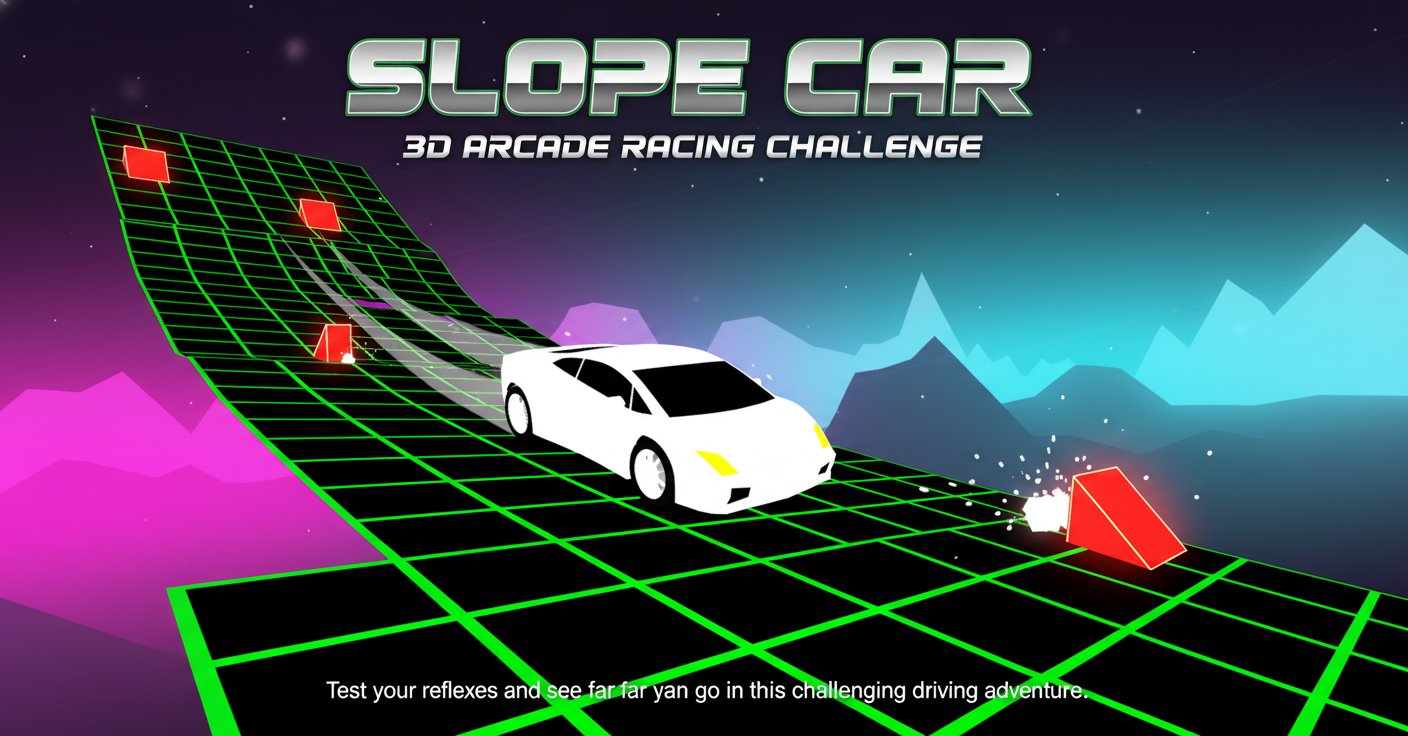
Arcade games earn their momentum from immediate input, a readable goal, and the urge to try once more. That makes forced purchases especially disruptive. A useful store should sit beside the score loop rather than interrupt it. Start with a free run that exposes the real mechanic, then offer optional identity or variety after the player understands the game. This approach keeps the purchase decision separate from basic competence. It also gives creators a clearer design test: if removing the offer makes the core game feel unfinished, the offer is probably too central.
Offers that fit short arcade sessions
Cosmetic trails, character looks, celebration effects, alternate visual themes, and clearly scoped challenge packs fit arcade games because they are easy to preview. A player can see what changes without needing a long feature description. A challenge pack can add new layouts or rule variants, but the standard scoring path should remain available without purchase. Avoid selling an invisible advantage, a disguised continue, or a speed boost that turns the leaderboard into a spending contest. In SEELE, define the item or content, show its exact Koin price, and describe what arrives after a successful purchase.
Build the store around a concrete player moment
Place the first store invitation after a completed run, a new personal best, or a deliberate menu visit—not during a failure animation. Show one offer at a time with a preview, contents, duration if relevant, the Koin amount, and clear confirm and cancel choices. For example, a neon trail can be shown on the same character before purchase; a challenge pack can list every included stage. Keep score rules unchanged. The creator should review delivery, wording, age suitability, rights, and release settings before publishing.
What SEELE IAP does and does not provide
SEELE IAP supports stores, sellable virtual items or content, Koin purchases, and creator earnings from eligible purchases in AI-generated browser game experiences. It is not an analytics suite, payment gateway, subscription analytics product, StoreKit implementation, Google Play Billing integration, or Unity and Unreal IAP SDK. Those platform-specific systems remain separate responsibilities. Use the SEELE IAP hub for the product workflow, then compare genre-specific patterns for action games and word games.
Frequently Asked Questions
What can creators sell in arcade games with SEELE IAP?
Creators can define optional virtual items, cosmetic choices, or clearly scoped arcade game content, show the exact Koin price before confirmation, and deliver the described value after an eligible purchase. The free game loop should remain understandable and enjoyable without buying.
Does SEELE provide StoreKit or Google Play Billing?
No. SEELE IAP supports stores, virtual goods or content, and Koin purchases in supported AI-generated browser game workflows. StoreKit, Google Play Billing, Unity or Unreal IAP SDKs, payment gateways, analytics, and subscription analytics require separate platform-specific implementations.
How should creators keep purchases fair?
Keep the core arcade game playable, state the offer contents and Koin price before confirmation, preserve a clear cancel choice, verify delivery, and review balance, wording, rights, and age suitability before release. Purchases should add optional value rather than remove ordinary play.