Key takeaways
- ## Key takeaways
- - Define acceptance and exclusions before building. - Move greybox, Luau, content, testing, and release through evidence-backed gates. - Treat publishing as a controlled change followed by monitoring, rollback, and maintenance.
Define the release contract
Start with a release contract, not a feature pile. State the intended audience, one core player loop, supported devices, session shape, social assumptions, data that must persist, and the conditions that make the build ready for external play. Record explicit exclusions and policy-sensitive systems.
Turn the contract into observable acceptance checks. A mechanic is not complete because a script runs; it is complete when the server-authoritative rule, feedback, reset behavior, accessibility, performance budget, and failure states have been tested. Keep live-services scope separate from first-release scope.
Use original or properly licensed content and record provenance as assets enter the project. Avoid unknown models, scripts, audio, or plugins that introduce rights, security, or maintenance risk.
Build a greybox and architecture
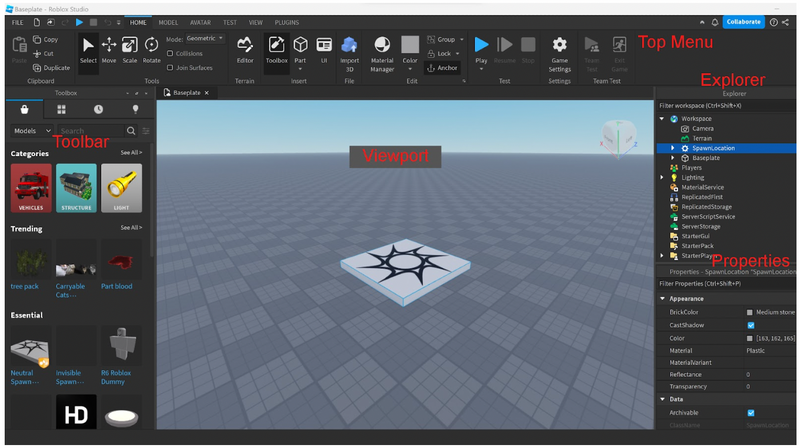
Create a greybox that proves movement, camera, interaction, objective, failure, recovery, and ending before producing final content. Organize Studio services and folders consistently. Keep reusable configuration separate from runtime state, and define ownership boundaries for modules, remotes, user interface, data, and content.
Use Luau to implement narrow, testable systems. The server validates rewards, progression, inventories, purchases, and privileged actions. Clients request and present; they do not unilaterally decide trusted state. Validate remote arguments, rate-limit sensitive requests, and handle retries and disconnects deliberately.
Version the project before structural changes. Document data schemas and migration assumptions. A workflow is healthier when another contributor can locate a system, run its tests, and roll back a change without reconstructing undocumented decisions.
Move through production gates

Use gates to keep incomplete work from leaking downstream. The greybox gate checks the loop. The alpha gate checks complete paths and server rules. The content gate checks provenance, consistency, and performance. The release-candidate gate checks device coverage, safety, accessibility, metadata, permissions, and rollback readiness.
At each gate, inspect the experience rather than trusting a checklist alone. Test solo, multi-client, server transitions, reset and respawn, slow networks, repeated input, empty and full states, and invalid requests. Profile realistic devices and content density. Fix severe failures before adding more scope.
Record evidence: build identifier, test environment, scenario, expected result, observed result, owner, and disposition. A green gate should mean the named evidence exists, not that the team feels confident.
Publish with a controlled change
Before publishing, reread current official Roblox Creator documentation, Community Standards, audience and content maturity controls, privacy choices, communication features, monetization requirements, and team permissions. These controls can change, so avoid hard-coding a memory of the interface into the workflow.
Prepare metadata, thumbnails, localization, support ownership, monitoring, rollback point, and a concise change note. Use the smallest practical exposure for a new or risky change. Do not promise discovery, revenue, moderation outcomes, or technical scale.
Separate release approval from implementation. The person who built a sensitive system should not be the only person who verifies permissions, purchases, data behavior, or rollback.
Maintain the experience
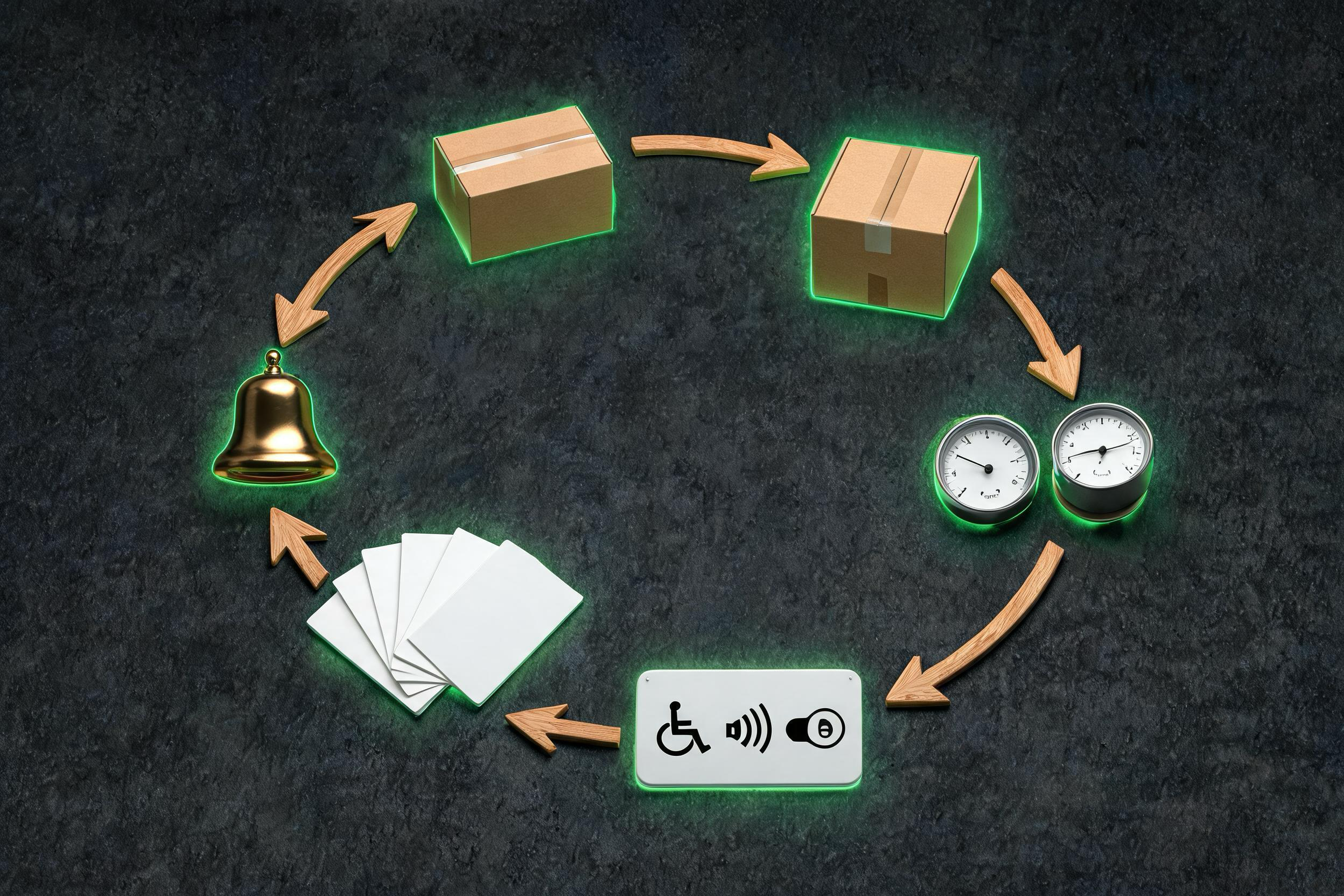
After release, triage errors, player reports, performance regressions, policy updates, data issues, and content defects. Classify urgency and impact before changing production. Preserve diagnostic evidence without collecting more personal data than the service requires.
Patch through the same gates in proportion to risk. Keep a known-good rollback build and verify data compatibility before reverting. Review stale team access, dependencies, asset rights, remote validation, and abandoned features on a schedule.
Finish each cycle with a short postmortem. Update the contract, architecture notes, tests, and runbook so the next change starts from current evidence rather than institutional memory.
FAQs
What should an end-to-end Roblox workflow define first?
Define the audience, core loop, supported devices, trusted data, session shape, release checks, and explicit exclusions before implementation.
Where should trusted Roblox game logic run?
The server should validate rewards, progression, purchases, inventory, and privileged actions. Clients can request and display but should not decide trusted state.
What are useful production gates?
Use greybox, alpha, content, and release-candidate gates with named evidence for gameplay, security, provenance, performance, devices, accessibility, policy, and rollback.
What must be checked before publishing?
Check current official policies and Creator documentation, metadata, permissions, audience controls, communication, monetization, monitoring, support ownership, and rollback readiness.
Does the workflow end at publishing?
No. Monitor errors, reports, performance, data, policy, access, and dependencies, then patch through risk-appropriate gates and update the runbook.