
Prompt
Create creative resume backgrounds, subtle abstract gradient with fine geometric lines, professional navy and silver palette, clean document backdrop, no readable text, no logo, no watermark
Create this look
Create creative resume backgrounds concepts with clear subject details, style references, lighting, camera angle, composition, and brand-safe constraints. Generate refined resume background visuals for portfolios, CV headers, personal brands, and job-search materials.
Create creative resume backgrounds, subtle abstract gradient with fine geometric lines, professional navy and silver palette, clean document backdrop, no readable text, no logo, no watermark
Create this lookCreate a personal brand resume header background, soft paper texture, minimal desk objects, elegant natural light, wide banner composition, no text, no logo, no watermark
Create this look

Create a creative CV background visual, translucent overlapping shapes and grid accents, modern design portfolio style, generous whitespace, no readable text, no logo, no watermark
Create this lookPrompt workflow
Use this page as a starting point for a focused creative resume backgrounds visual. A strong prompt names the subject first, then gives the image model enough direction about composition, style, lighting, and what to leave out.
Describe the person, object, scene, or visual motif before adding decoration.
Add the crop, viewpoint, layout, depth, and the area that should attract attention.
Use concrete references such as editorial, cinematic, flat graphic, soft light, or rim light.
Specify exclusions such as text, logos, watermarks, unwanted likenesses, or extra objects.
Prompt formula
Keep the first version specific but editable. Start with the visual idea on this page, then change one variable at a time so the result is easier to compare and refine.
It is a free image generator workflow that turns a short idea into a detailed creative resume backgrounds prompt with subject, style, lighting, camera angle, and composition cues.
Start with the exact subject, then add use case, visual style, materials, color palette, lighting, camera angle, and what to avoid such as readable text, logos, or watermarks.
Yes. Each prompt can specify studio lighting, natural daylight, macro depth of field, cinematic wide angle, flat lay, poster layout, product shot, or editorial framing.
Use them for concept art, campaign drafts, product mockups, website heroes, social thumbnails, posters, decks, and other visual planning where you need original imagery.
You can use the prompts as creative direction, but you should review generated outputs for rights, brand safety, privacy, and any third-party restrictions before publishing.
Open Seele AI workspace, start from a prompt, and keep iterating the visual direction until it feels ready to use.
 Creative Coding Visuals AI Image GeneratorUse a free image generator to create creative coding visuals with ready-to-run prompts for style, lighting, composition, and campaign-ready visual direction.View prompt →
 Abstract Gradient Backgrounds AI Image GeneratorCreate Abstract Gradient Backgrounds with Seele AI's free image generator. Explore prompt ideas, visual styles, and fast image creation.View prompt →
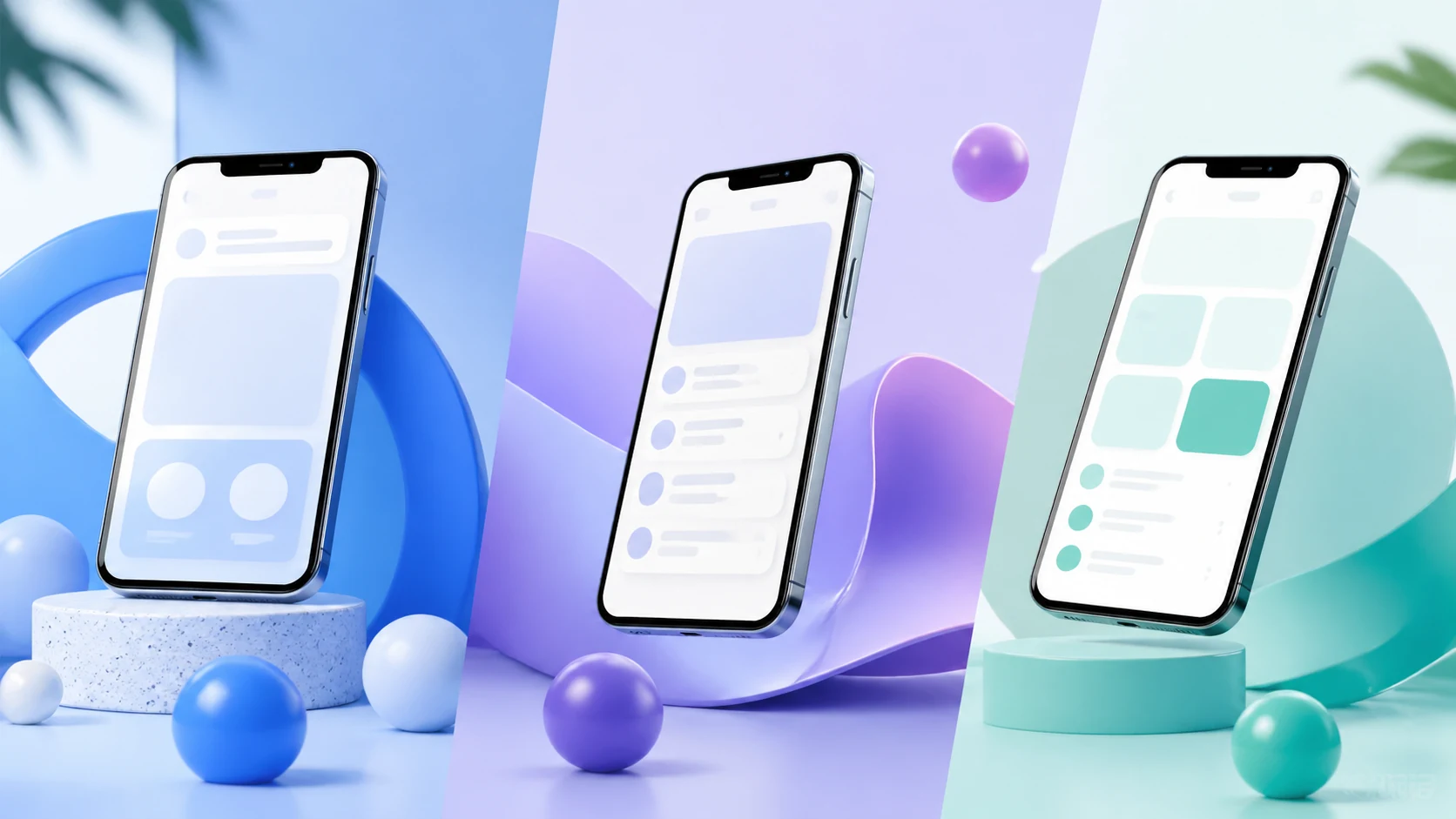 App Store Screenshot Backgrounds AI Image GeneratorCreate app store screenshot backgrounds with Seele AI's free image generator. Explore starter prompts, visual directions, FAQs, and workspace handoff for AppView prompt →
 Canva Presentation Backgrounds AI Image GeneratorCreate canva presentation backgrounds with Seele AI's free image generator. Explore starter prompts, visual directions, FAQs, and workspace handoff for MarketView prompt →
 Course Thumbnail Backgrounds AI Image GeneratorCreate Course Thumbnail Backgrounds with Seele AI's free image generator. Explore prompt ideas, visual styles, and fast image creation.View prompt →
 Creative Thought Leader Avatars AI Image GeneratorCreate Creative Thought Leader Avatars with Seele AI's free image generator. Explore prompt ideas, visual styles, and fast image creation.View prompt →