
Visual guide for 3D Game Maker vs Unreal Engine Workflow: From Scene to Shippable Project
Key Takeaways: 3D Game Maker vs Unreal Engine Workflow: From Scene to Shippable Project
- 3d game maker for unreal engine: A 3D game maker is useful for fast scene assembly when its built-in runtime and asset rules fit the goal. An Unreal workflow is the stronger fit when the output must become an owned UE5 project with inspectable gameplay logic, scalable content, profiling, and platform packages. The deciding question is not which preview looks richer; it is which project can survive editing, optimization, packaging, and handoff.
- This guide keeps the answer version-aware and testable: identify the owning Unreal systems or public evidence, validate the result, and keep native Unreal 5 project, browser preview, optimization, packaging, and download evidence separate from third-party model claims.
# 3D Game Maker vs Unreal Engine Workflow: From Scene to Shippable Project
Direct answer: A 3D game maker is useful for fast scene assembly when its built-in runtime and asset rules fit the goal. An Unreal workflow is the stronger fit when the output must become an owned UE5 project with inspectable gameplay logic, scalable content, profiling, and platform packages. The deciding question is not which preview looks richer; it is which project can survive editing, optimization, packaging, and handoff.
This page is for creators who have already connected “3D game maker” to an Unreal deliverable. Engine-neutral visitors retain a dedicated 3D maker page, so this guide does not try to rank a second Unreal page for the naked generic term.
This resource targets 3d game maker for unreal engine, while the established general AI 3D game maker remains the destination for unqualified 3d game maker intent. Use the canonical Unreal game creator only when an editable UE5 project is part of the required outcome.
1. Deliverable contract for 3d game maker for unreal engine
A 3D game maker is useful for fast scene assembly when its built-in runtime and asset rules fit the goal. An Unreal workflow is the stronger fit when the output must become an owned UE5 project with inspectable gameplay logic, scalable content, profiling, and platform packages. The deciding question is not which preview looks richer; it is which project can survive editing, optimization, packaging, and handoff.
Write the required artifact before judging the interface: playable link, streamed inspection session, native project, source-controlled revision, or target package. Name the editor, target, input, project owner, allowed dependencies, and the action a second reviewer must reproduce. Compare candidates with the same tiny brief and retain generation time, correction time, failures, outside help, and final artifacts as separate evidence.
| Decision area | What to inspect | Pass condition |
|---|---|---|
| Scene construction | Fast presets, templates, or generated environments | UE levels, actors, components, data assets, lighting, and world systems |
| Gameplay depth | Limited by exposed product behaviors | Blueprint and C++ systems with explicit authority and state |
| Asset control | Catalog and import rules vary by product | Project-owned content with provenance, budgets, collision, LOD, and replacement |
| Shipping evidence | Published link or vendor runtime may be sufficient | Cooked package, logs, profiles, target-device tests, and platform compliance |
2. Why 3d game maker keeps a separate owner
This page is for creators who have already connected “3D game maker” to an Unreal deliverable. Engine-neutral visitors retain a dedicated 3D maker page, so this guide does not try to rank a second Unreal page for the naked generic term.
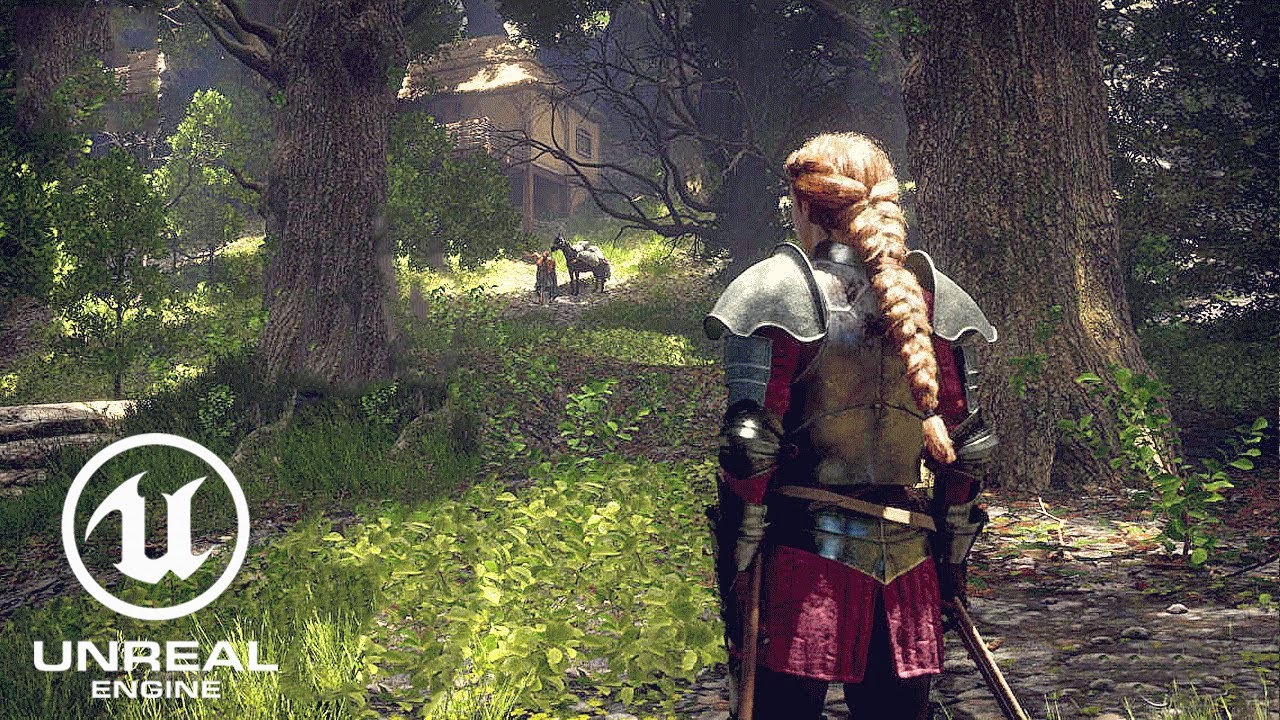
Unreal-qualified query set: 3d game maker vs unreal engine, native unreal 3d game creator, ai 3d game maker unreal engine, 3d game creation workflow ue5.
The unqualified query can describe a classroom toy, no-code experiment, hosted mini-game, engine-neutral creator, or early design exercise. This route adds value only after Unreal project ownership, editor access, packaging, or production handoff becomes relevant. Measure both URLs by query and landing page; investigate cannibalization only when the same query repeatedly swaps, the wrong intent ranks, and combined clicks or conversions decline.
3. Implementation path for 3d game maker for unreal engine
- Define the 3D requirement in measurable terms: camera distance, traversal speed, interaction count, simultaneous characters, lighting goal, and target frame budget.
- Build a greybox before choosing detailed assets so scale, collision, navigation, camera, and player readability can fail cheaply.
- Generate or assemble the smallest native UE5 scene that contains the representative geometry, one mechanic, one UI state, and one reset path.
- Classify every asset by source, rights, material complexity, textures, collision, skeleton, animation, LOD or Nanite policy, and target support.
- Test the browser preview for composition and interaction, then profile locally in Unreal because streamed appearance cannot substitute for target GPU evidence.
- Cook and package the representative scene early; shader, redirector, plugin, case-sensitivity, and memory problems often appear outside the editor.
- Expand content through repeatable rules and budgets only after the vertical slice meets frame, memory, loading, and package-size targets.
Preserve the starting revision and make one diagnosable change at a time. For every failed check, record the first failing state, smallest hypothesis, corrective change, repeated result, and rollback. Mixing engine upgrades, plugin changes, project restructuring, target changes, and content replacement in one repair destroys the evidence needed for later maintenance.
4. Project anatomy specific to this decision
A production 3D scene is a system, not a pile of meshes. World organization, streaming boundaries, collision channels, navigation, lighting, materials, effects, audio, spawn rules, and gameplay tags need owners. Generated scene richness is valuable only when those owners can isolate and replace expensive or broken pieces.
Visual similarity between preview and target build must be tested. Pixel Streaming shows the rendered application from its server configuration; a local laptop, console, or mobile device may use different scalability, resolution, input, shader, memory, and feature support. Preserve comparison captures with their settings rather than calling one image representative.
Use native Unreal structure to keep art and gameplay separable. A prop should not secretly own quest state; a level Blueprint should not become the only place that understands the game loop; and replacement materials should not break interaction. The goal is a scene the team can reduce, profile, and rebuild.
The handoff must identify engine version, project entry, default maps, gameplay owners, inputs, UI, content roots, modules, plugins, configuration, services, build target, and known failures. It must also label accepted generated material, provisional material, and removed material. A second developer should be able to locate the complete player loop without the original creator or browser session.
5. Validation gates for this project type
- Greybox scale, camera clipping, traversal, collision, navigation, and interaction remain correct before and after art replacement.
- Representative materials, translucency, shadows, particles, foliage, skeletal meshes, and post processing fit measured budgets.
- Assets retain source, license, import settings, dependencies, and a replacement path.
- World Partition or level streaming behavior is tested for loading, memory, references, and save-state ownership when used.
- The packaged build is profiled on the lowest supported target tier with the intended scalability settings.
- Deleting a decorative asset cannot delete authoritative gameplay state or make the project impossible to reopen.
Apply these checks to the exact revision proposed for promotion. Preserve logs, cook and package output, target configuration, hardware tier, scalability, input device, and test time. Repeat from a clean state when success depends on cached shaders, warm derived data, existing authentication, private workstation files, or a service that is not named in the handoff.
6. Limits and unsupported conclusions
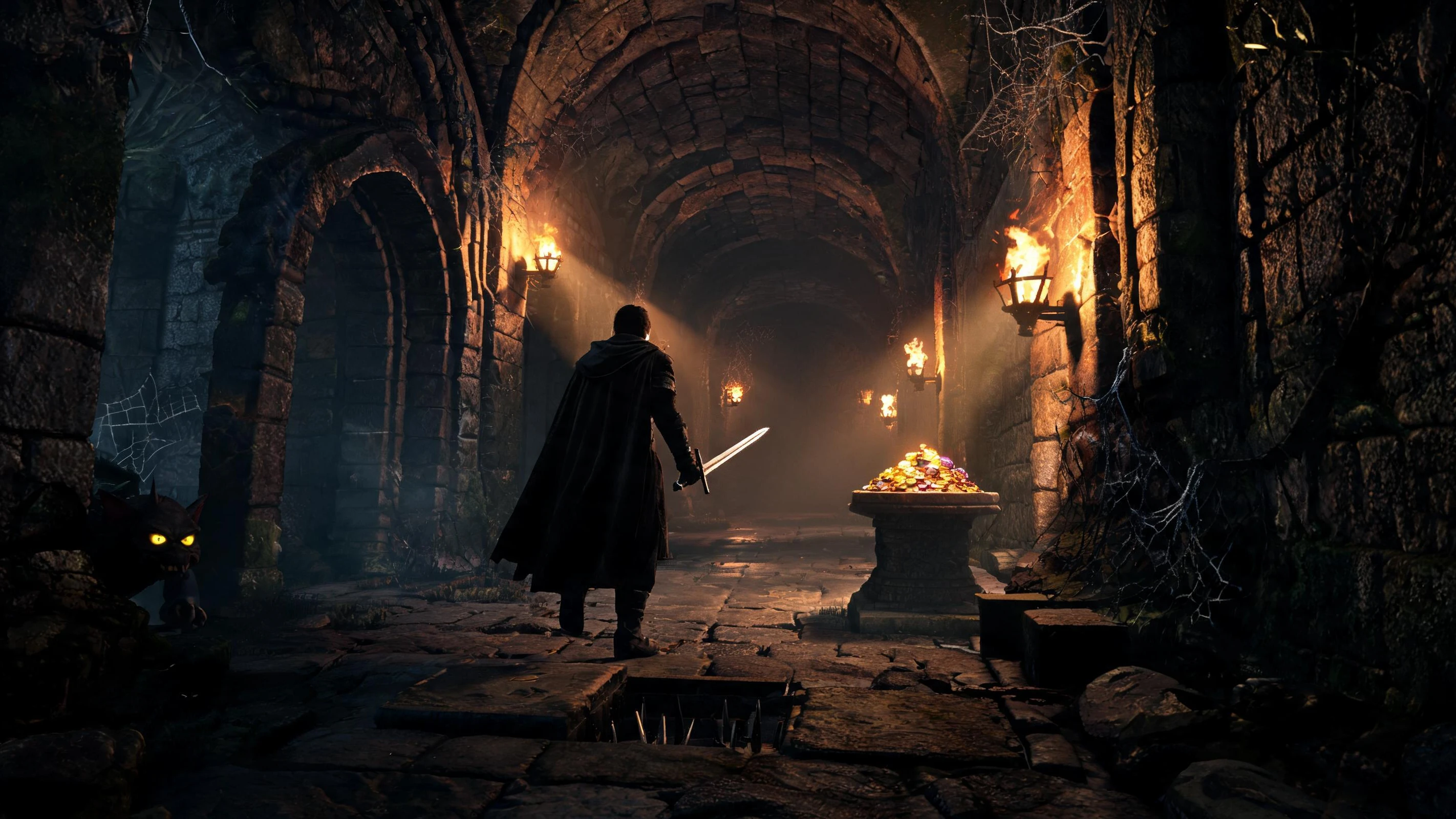
- A detailed generated environment can hide bad scale, absent collision, broken navigation, expensive materials, missing LODs, or unclear rights.
- Unreal features such as Nanite, Lumen, World Partition, PCG, and hardware ray tracing have version, platform, content, and performance constraints.
- No visual generator or engine workflow guarantees a fun loop, shippable frame rate, certification, storefront acceptance, or audience demand.
SEELE supports native Unreal 5 generation, Pixel Streaming browser preview, and package, download, and publish paths. Generated code, Blueprints, assets, plugins, configuration, and structure still need review. Performance, asset provenance, usage rights, privacy, security, storefront rules, accessibility, localization, platform support, and live operations require project-specific evidence.
SEELE AI is independent from Epic Games; Unreal Engine is an Epic Games trademark. This guide is not an Epic endorsement and provides no guarantee of platform approval, retention, monetization, marketing performance, or revenue.
7. Handoff and revalidation trigger
To move from a fast 3D concept into native Unreal, preserve screenshots, camera coordinates, dimensions, and the desired player path as reference. Recreate the greybox first, then bring over only rights-cleared assets that satisfy project budgets. This reverses the tempting order—art before architecture—and makes it possible to reject an attractive object without losing the level logic.
Record the accepted revision, tested target, supported behavior, rejected artifacts, known limits, dependencies, evidence links, reviewer, next owner, and rollback. Revalidate when the engine, plugin, SDK, generation system, asset source, platform, hardware tier, network service, save format, or project scale changes. Completion means another person can reproduce the loop, make a bounded edit, package it, and restore the baseline.
8. Route the next action without keyword overlap
Choose the general AI 3D game maker when its engine-neutral result satisfies the full goal. Choose the canonical Unreal workflow when the deliverable must include a native UE5 project, Unreal Editor ownership, project review, target packaging, or a production handoff. Do not add a second map, large art set, multiplayer service, monetization system, or platform SDK until the smallest loop is reproducible and recoverable.
For this 3D decision, use one representative stress scene rather than a beautiful empty room. Include the expected camera, traversal speed, collision, animated character, translucent effect, foliage or repeated geometry, UI, audio, and loading transition. Record scalability and target hardware. A workflow that stays editable but misses frame, memory, shader, or package budgets has not passed; a workflow with a fast preview but untraceable assets has not passed either.
Official sources
- Epic Games: Get Started with Unreal Engine - Engine-owner documentation for project, editor, template, and learning-path context.
- Epic Games: Blueprints Visual Scripting - Engine-owner documentation for Blueprint classes, graphs, variables, events, and runtime behavior.
- Epic Games: Programming with C++ - Engine-owner documentation for native code responsibilities and C++ project work.
- Epic Games: Packaging Unreal Engine Projects - Engine-owner documentation for cooking, staging, packaging, configuration, and target builds.
- Epic Games: Pixel Streaming - Engine-owner documentation for streamed Unreal application output and browser delivery boundaries.
- Epic Games: Source Control - Engine-owner documentation for reviewable project changes and team handoff.
These sources describe Unreal Engine concepts and workflows. They do not certify a particular generated project, third-party asset, plugin, service, target package, or SEELE output. Verify the documentation version and the exact project state used for each claim.
FAQs
Is Unreal Engine a 3D game maker?
Yes, Unreal Engine is a full real-time 3D development engine, but using it productively requires project structure, gameplay logic, assets, profiling, packaging, and maintenance rather than only scene assembly.
Should I choose a simple 3D maker or Unreal?
Choose the simple maker when its runtime and limits fit the whole goal. Choose an Unreal workflow when native UE5 ownership, deep editing, custom systems, profiling, or target packaging is required.
Does a good browser preview prove good performance?
No. A streamed preview is useful for visual and interaction review, but target hardware, scalability, resolution, content, network conditions, and packaging require separate measurement.
Can generated 3D assets be shipped?
Only after origin, license, trademarks, likeness, dependencies, technical budgets, and platform behavior are checked. Generated status does not automatically grant clear rights or good performance.
Do I need Nanite and Lumen?
Not automatically. Select rendering features from target-platform support, visual goals, measured frame and memory budgets, and fallback requirements.
What should I prototype first?
Prototype scale, camera, traversal, collision, one interaction, one failure, and reset in a greybox before spending time on detailed art.