
Seele AI · Story Workspace
AI 3D Game Maker
Turn a game idea into a playable 3D prototype with browser controls, goals, and remixable project structure. Start from a prompt, test the result in the…
TRY IT FREE
See what works before you build the whole thing.
Start with a rough idea above. Starter credits help you test the direction before you spend time on every detail.
Start with a free ideaStart with free starter credits
Try the first version before deciding whether the idea deserves more time.
No coding required
Describe mechanics, visuals, audience, and constraints in plain English.
Review cost before generating
Review the generation path before committing to a larger run.
Trusted by leaders in
AI, gaming & entertainment




EXAMPLES
Start with a playable direction.
Start with a direction that resembles your project, then change the mechanics, look, or audience before you build further.
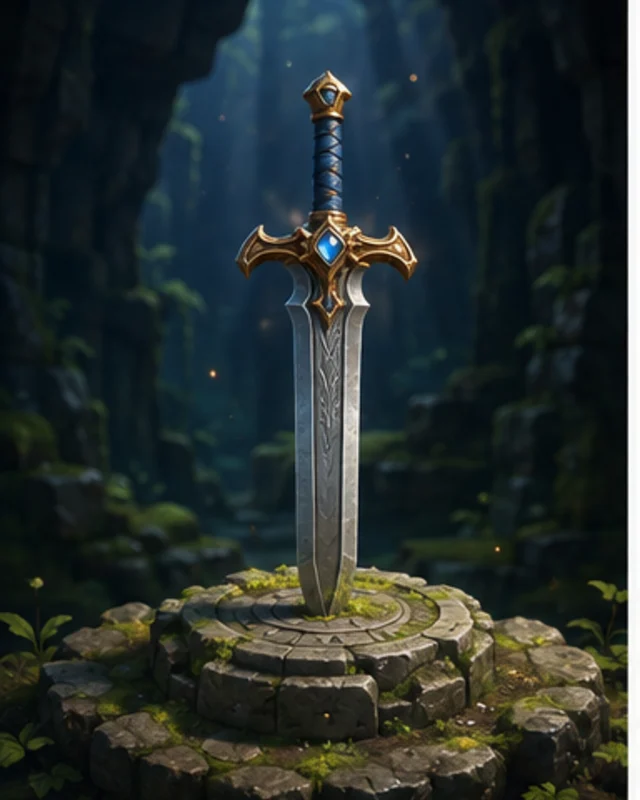
Solo creators
A focused AI 3D Game Maker - Generate… direction that gives an AI 3D Game Maker - Generate… a concrete first result to review.
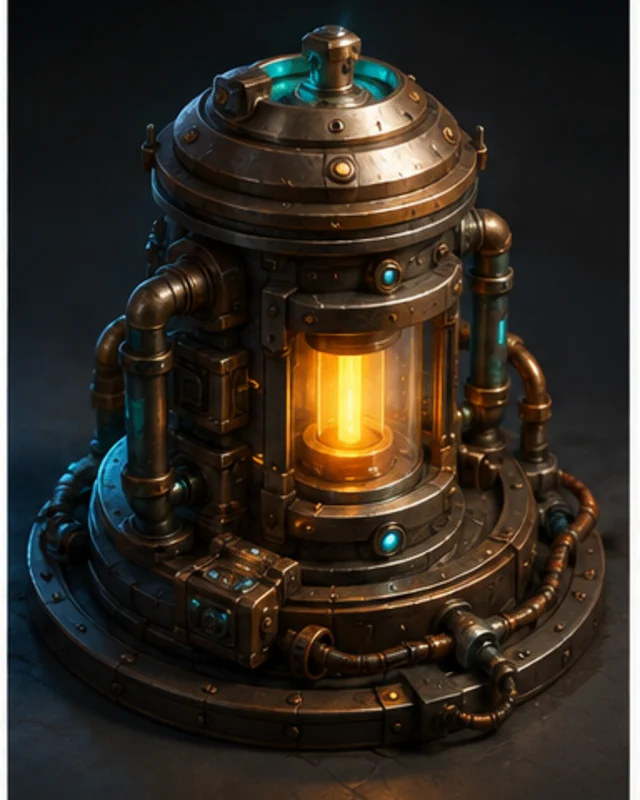
Game designers
A focused AI 3D Game Maker - Generate… direction that gives an AI 3D Game Maker - Generate… a concrete first result to review.
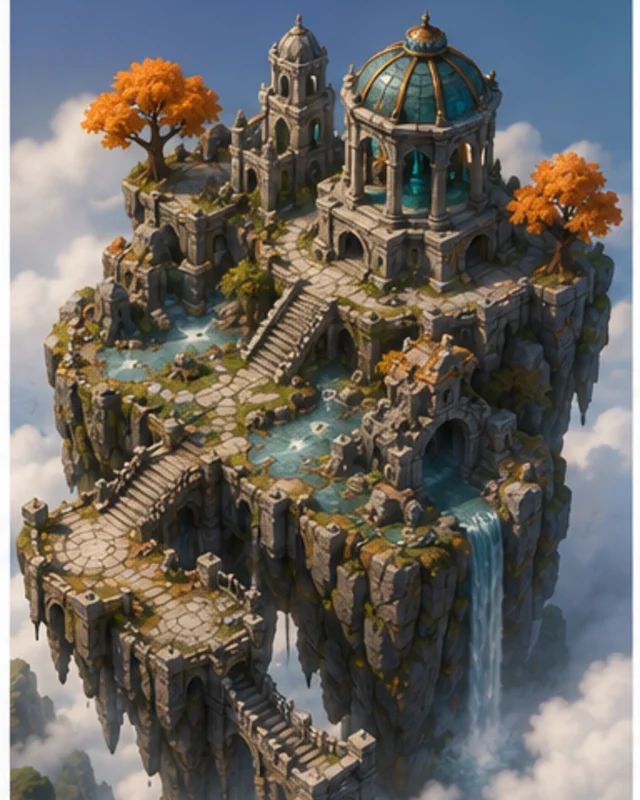
Students and teams
A focused AI 3D Game Maker - Generate… direction that gives an AI 3D Game Maker - Generate… a concrete first result to review.
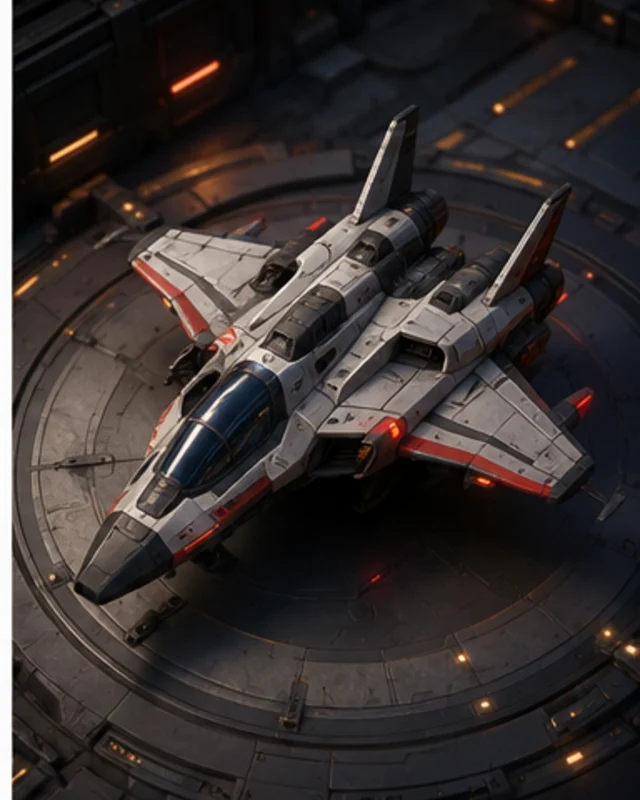
Playable prototype
A focused AI 3D Game Maker - Generate… direction that gives an AI 3D Game Maker - Generate… a concrete first result to review.
Why use it
Make the next decision with something real.
Focus on the parts of the idea that need a concrete result before the next decision.

3D scene
Environment layout, lighting direction, props, enemies or collectibles where relevant.
Try it now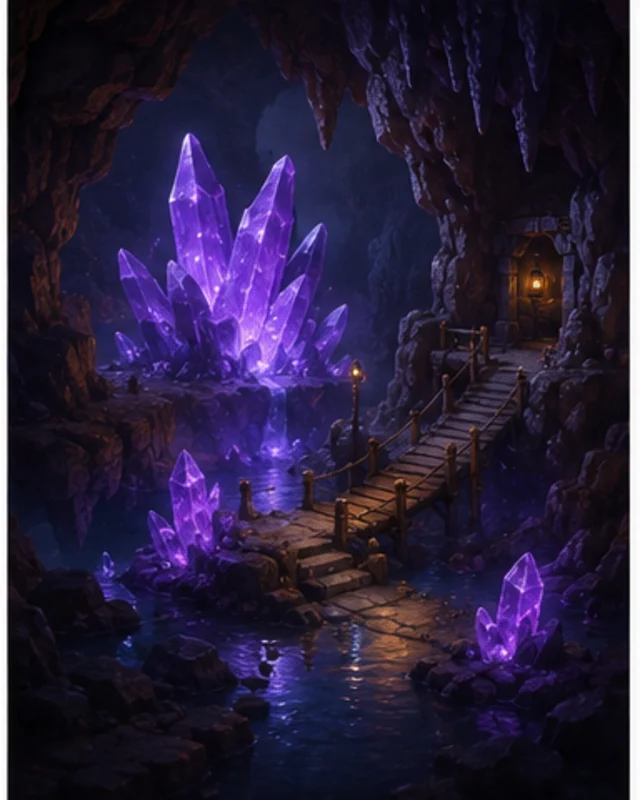
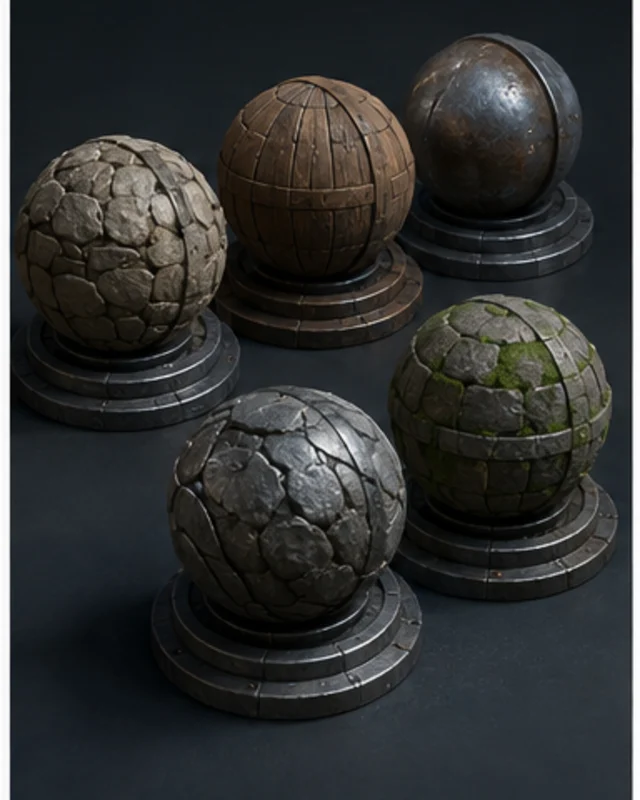
Remix path
Continue in the workspace to change mechanics, visuals, level design, and game feel.
Try it nowWho it is for
Who this is for
creators, designers, and small teams can use this page to make one project decision easier to test before a larger build or launch.
- How should you evaluate “3d ai maker”?
Preserve prompt and source, inspect every side, repair geometry and materials, and validate the export in the destination workflow. AI-assisted output still needs human review for rights, editability, technical fit, and release readiness.
- Which constraints make this 3D model discovery and evaluation prompt actionable?
Searches mapped to this route include “3d maker ai”, “3d maker free”, and “free 3d maker”. Confirm the actual job and destination instead of assuming every wording is equivalent. Turn the phrase into an asset prompt covering silhouette, detail, format, engine, and camera. Test the actual model, not its thumbnail. Free access, sign-up rules, limits, and commercial rights can change; verify the current official terms. AI-assisted output still needs human review for rights, editability, technical fit, and release readiness.
- How should you evaluate “game ai maker”?
Record the input, expected output, format, destination, rights, performance target, and human review as a concrete acceptance test. AI-assisted output still needs human review for rights, editability, technical fit, and release readiness.
How to use it
Workflow
Give an AI 3D Game Maker - Generate… enough context to make the result specific, then test the part that matters to your project.
Solo creators
Turn a rough mechanic into a playable 3D prototype before investing in custom art or engineering.
Game designers
Test level ideas, camera feel, progression, and feedback loops with a prompt-first workflow.
Students and teams
Use browser prototypes for demos, class projects, pitch decks, or early user testing.
A CLEARER FIRST MOVE
AI 3D Game Maker - Generate… compared with a blank first pass
A useful first result gives the next decision something concrete to react to, without hiding the work that still needs human ownership.
What changes
AI 3D Game Maker - Generate…
Starting from scratch
Starting point
A focused AI 3D Game Maker - Generate… prompt
A blank project and an open-ended task
First review
A concrete result to inspect
A plan before there is something to try
Scope
One audience, output, and constraint
Many decisions made at once
FAQ
Questions about AI 3D Game Maker - Generate…
Can I generate a playable 3D game from text?
Yes. Start with a prompt that describes the world, player goal, controls, and win condition. Seele creates a playable browser prototype you can test and revise.
Do I need coding experience?
No. The page is designed for no-code activation. You can use the starter prompt, then refine the generated game with natural language.
Will the result be prototype-ready?
The first result should be treated as a playable prototype. Advanced art direction, performance tuning, monetization, and platform-specific polish may still need iteration.
Start creating
Try AI 3D Game Maker - Generate…
Describe the job, test one version, and decide what to do next inside SEELE AI.
Start creatingFree