A publisher pitch needs to make the game’s promise easy to understand. A publisher pitch prototype template for solo developers can connect a concise concept, one representative playable loop, and a credible production plan. It helps a reviewer see what exists today and what support you are asking for. It cannot promise interest, funding, or a deal.
This guide uses Lantern Line, a fictional courier puzzle game, as a planning example. The developer, game, prototype, deck, schedule, budget, outreach, and outcomes are invented. Nothing was built or submitted. Use the structure to prepare your own materials and replace every sample with accurate project evidence.
Define the decision the prototype should support
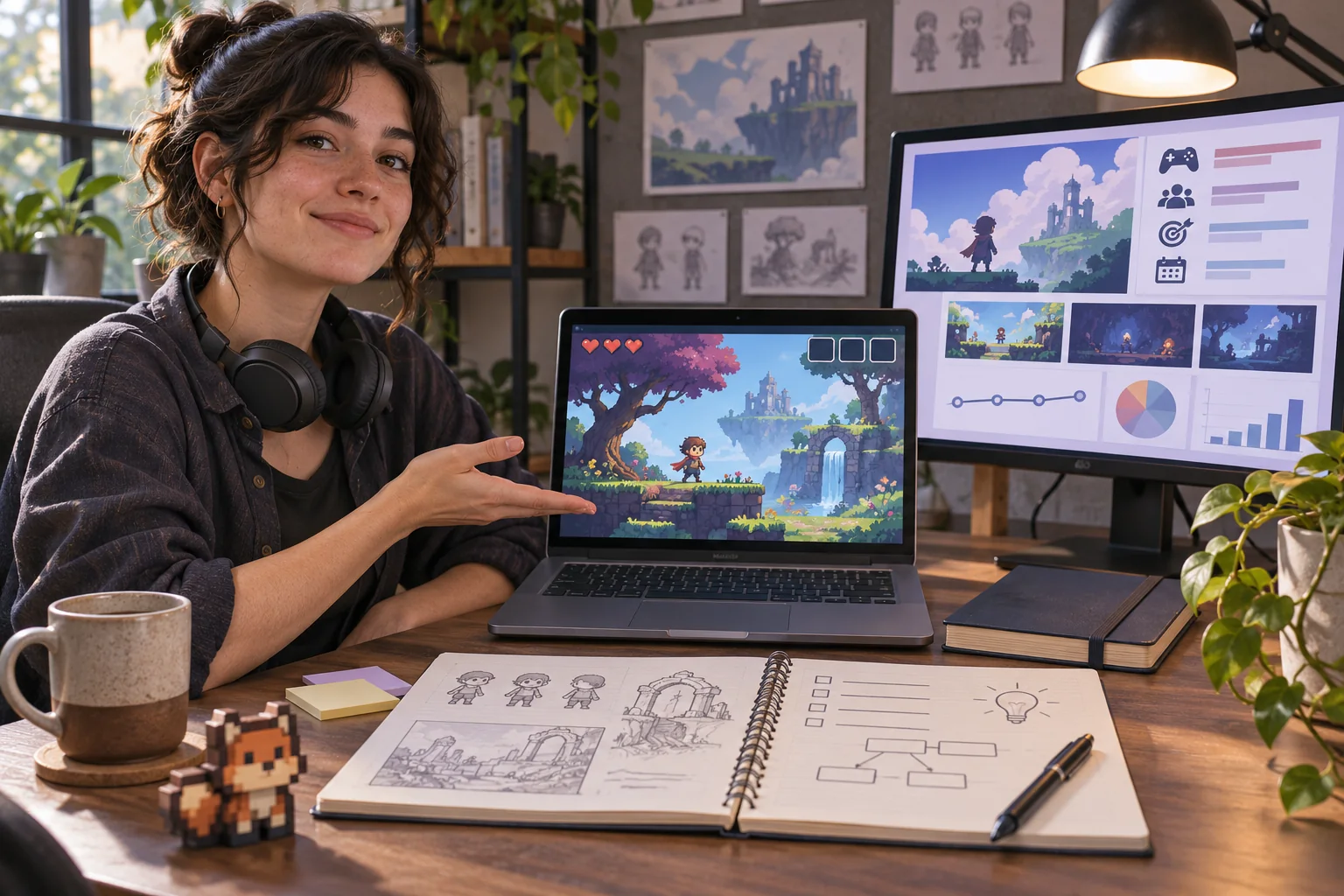
Before building, write the question you want a reviewer to answer. Can the player understand the central mechanic? Does the art direction support the intended mood? Does one short level show enough variation? A prototype should provide evidence for a specific question, not imitate the full release.
For Lantern Line, the fictional pitch question might be whether routing a courier through changing light signals is interesting for one short level. A paper plan could specify a start screen, one map, two signal states, a delivery goal, feedback, and restart. This is a sample specification only; it is not a tested mechanic.
Set a stop condition. Decide what the prototype will not include: extra levels, full story, monetization, or production-ready art. Keep a separate backlog for later work. This lets you show a deliberate slice while making remaining development visible.
Use a compact pitch card
| Field | Question to answer | Evidence |
|---|---|---|
| Promise | What is distinct about the player experience? | One sentence and short capture |
| Audience | Who is likely to enjoy this and why? | Research or clearly labeled hypothesis |
| Prototype | What can a reviewer play now? | Build, controls, version, known issues |
| Status | What is complete, in progress, and planned? | Milestone list with dates and owners |
| Support | What help are you seeking? | Specific needs, assumptions, dependencies |
| Rights | Who owns or licenses included material? | Credits and asset records |
Separate verified facts from assumptions. If audience research is informal or incomplete, say so. Avoid fabricated wishlists, sales forecasts, or production metrics. A pitch is easier to evaluate when uncertainty is visible and tied to a next step.
Build the smallest convincing playable slice
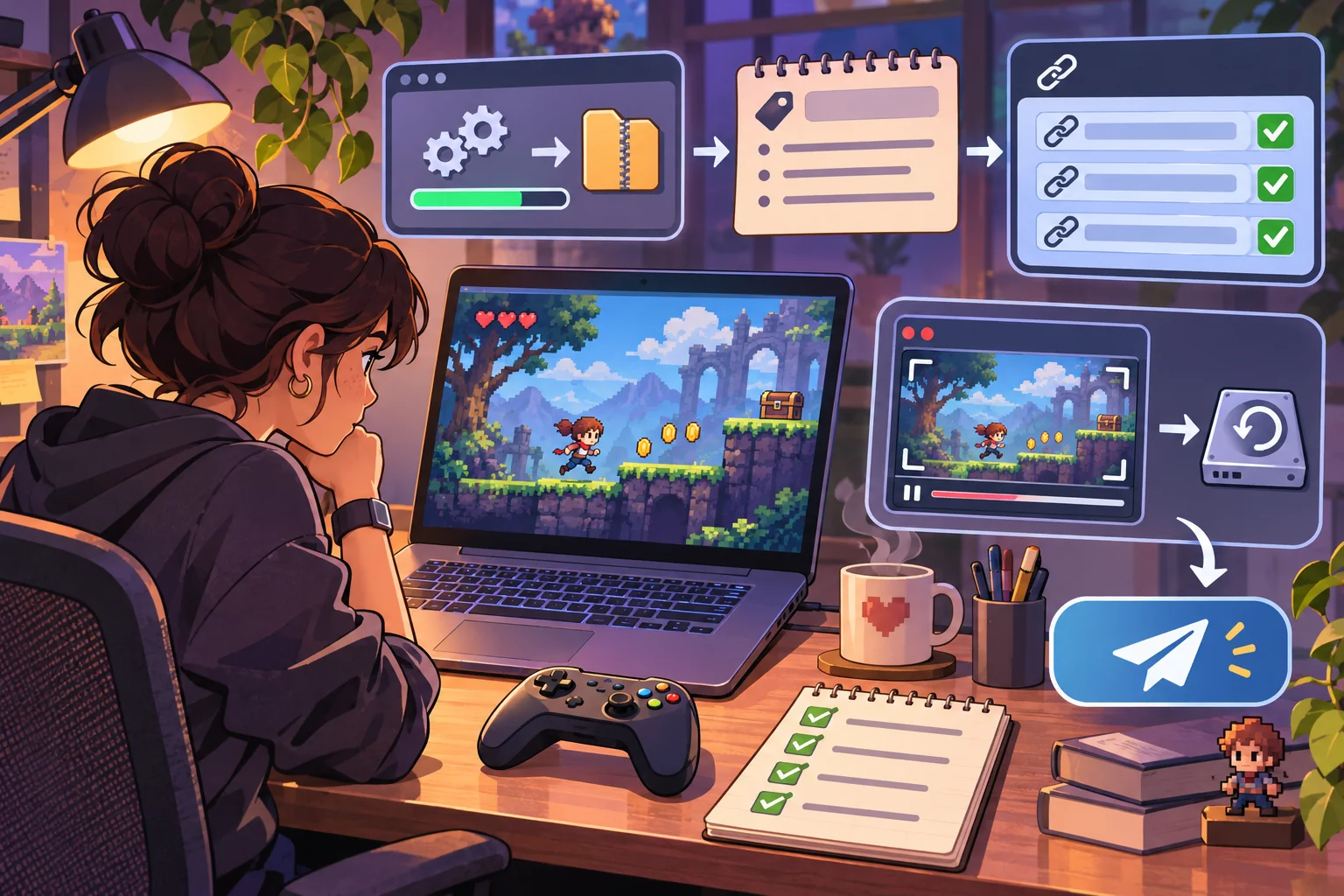
A pitch prototype should include enough of the intended experience to show its central interaction. Make the controls obvious, give the player a clear objective, show a response to actions, and end the slice in a deliberate state. A short, complete loop is more useful than a long sequence of disconnected features.
Use temporary art only when it communicates the idea. Label graybox, mock, licensed, or placeholder material accurately and document each asset’s source. If presentation art is not in the build, do not let a deck imply it is finished gameplay. Put the current build date and known issues beside the download or video.
Test the build from a clean launch. Check controls, restart, resolution, audio, save state, and the specific moment that demonstrates the mechanic. Capture a short video as a fallback if a reviewer cannot run the build, while describing its version and whether it reflects actual gameplay.
Tailor materials to each publisher
Submission requests differ. XSEED Games’ current pitch page asks for a deck link and documentation that includes a financial roadmap, desired support, and a demo or playable build. This is that publisher’s request, not an industry-wide template. Read the current instructions before preparing or sending anything.
Shueisha Games’ pitch page says teams with a game in progress may include a current build and production materials. Its application terms also state that a submission or communication does not promise support. The practical lesson is to treat every target’s live requirements and terms as authoritative, and treat a submission as a request for consideration only.
Create a source package, then make a checklist for each recipient: requested form, file type, link access, build version, supporting documents, confidentiality notes, and response route. Remove materials the recipient did not request if they introduce unnecessary private or third-party information.
Prepare a clear deck and production plan
Keep the deck concise and scannable. Explain the game in plain language, show the playable loop, identify the current stage, outline who is making it, and state what partner support would help. Make the budget and schedule assumptions traceable to scope. If you have not estimated a number responsibly, mark it as an open question instead of inventing precision.
A solo developer should describe capacity honestly. Note which work is yours, what relies on contractors or collaborators, and what would need to be hired or partnered. A roadmap is a planning document, not a guarantee. Identify dependencies such as platform approval, localization, certification, or external art so the conversation can test assumptions.
Use AI to structure the outline, compare alternate presentation orders, draft concise copy, or generate a test checklist. Do not ask it to invent market validation, budgets, publisher interest, or production status. Verify every number and claim against project records. Check the recipient’s policy before sending confidential builds or unreleased materials to a tool.
Game promise: [one sentence]
Core loop: [start, player action, feedback, finish]
Build status: [version, date, known issues]
Evidence: [playable build, video, screenshots]
Audience: [evidence and open assumptions]
Current team: [roles and confirmed capacity]
Support requested: [specific needs]
Ask: identify unclear claims and missing requested materials.
Do not fabricate metrics, publisher feedback, or completed features.
Make the review experience reliable
Give a reviewer a short readme with controls, expected session length, platform requirements, build date, and known issues. Make links accessible without requesting unnecessary personal information. If a build needs a specific device or controller, say so before download. Keep a backup video and screenshots in case the playable file fails to launch.
Do not put a password, personal information, or private credentials in a public build. Use a controlled link when needed and choose an expiration period that allows review. Keep track of which version each recipient received so follow-up refers to the same evidence.
Run a final pitch readiness check
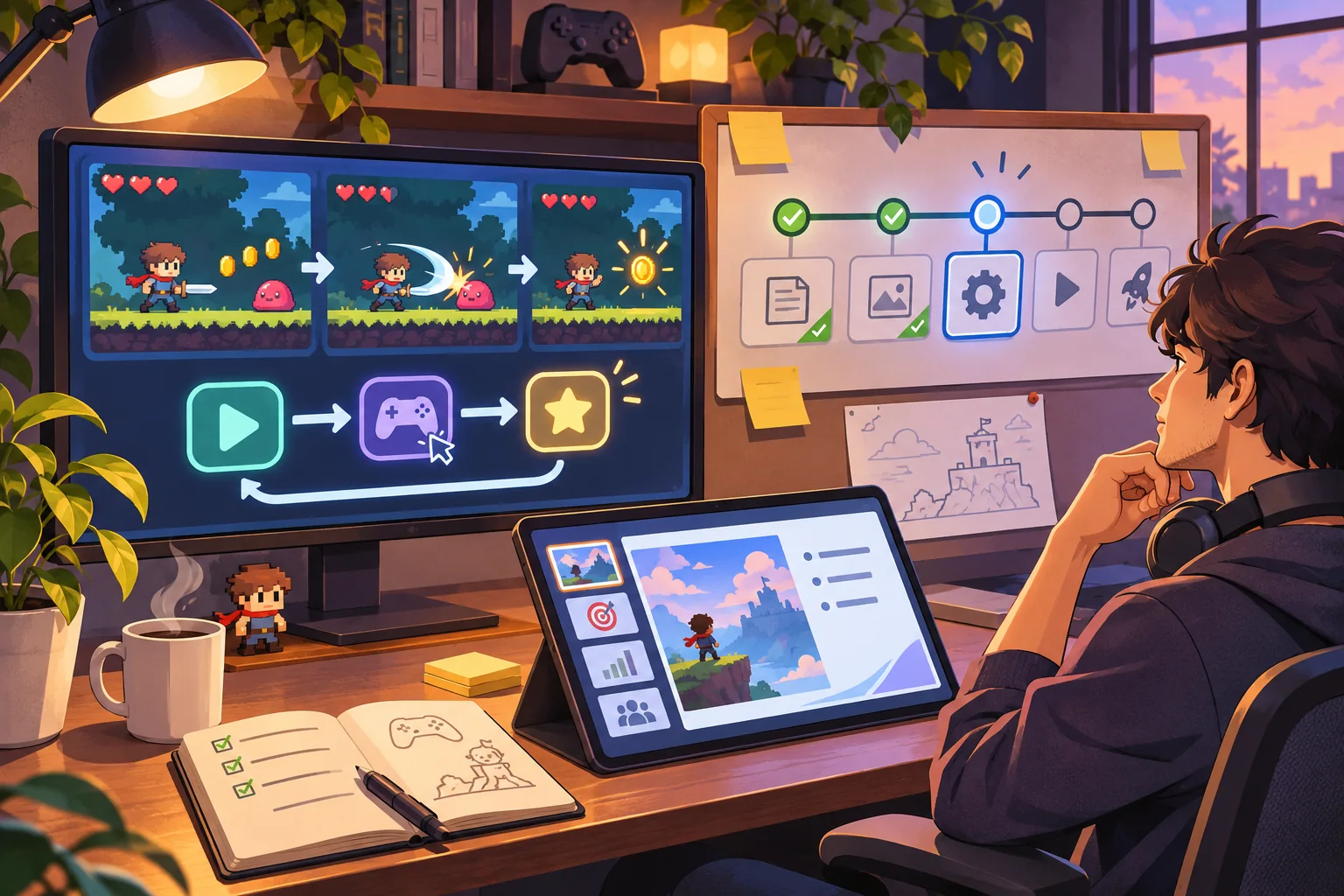
- Can a new reviewer understand the game promise quickly?
- Does the prototype show the core interaction and a complete short loop?
- Are prototype, mockup, and planned features clearly distinguished?
- Do the build and video show the same version?
- Are audience statements supported or labeled as hypotheses?
- Does the deck answer the recipient’s current requested fields?
- Are schedule, budget, roles, rights, and requested support explicit?
- Do links work, and are access instructions simple?
Record when you checked each link and build, on what device, and what you observed. The checklist is a method, not evidence that Lantern Line passed. Keep a copy of the submitted package and recipient-specific requirements for your own follow-up.
Discuss terms carefully
If a publisher responds, separate creative feedback from proposed commercial terms. Read agreements fully, ask what rights, services, milestones, recoupment, reporting, and termination provisions mean, and seek qualified legal and financial advice for your situation. Do not infer a likely deal from a request for materials, a meeting, or a playable review.
The prototype’s job is to make a discussion concrete: what the game is, what exists, what remains, and what help may be useful. It should leave room for a publisher to assess fit rather than hiding uncertainty behind polished mockups.
Frequently asked questions
What should a publisher pitch prototype show?
Show the core player promise, one representative interaction, a clear beginning and end, and the production question the prototype is meant to answer. Include a short pitch deck and a video or playable build when the publisher requests them. Label unfinished or simulated pieces so reviewers know what is real.
Do publishers require a playable demo?
Requirements vary by publisher and stage. XSEED asks for documentation and a demo or playable build in its submission materials; other publishers may ask for different items. Check the current submission page for each target and do not assume one package fits every publisher.
Can AI build my publisher pitch prototype?
AI can help draft scope, create test cases, summarize a pitch, or scaffold code. Review everything, track third-party assets and licenses, and describe your contribution accurately. Do not present draft placeholders as finished original game art or claim features work until tested.
What belongs in a solo developer publisher pitch?
A concise concept, audience, platform, current development stage, playable evidence, team or solo capacity, budget and schedule assumptions, and the specific support requested can help make the proposal concrete. Treat each publisher's requested fields as authoritative and avoid unsupported market forecasts.
Does sending a pitch guarantee funding or a publishing deal?
No. Publishers review submissions under their own processes, and a submission is not an offer or commitment. Shueisha Games' application terms state that submitting a proposal or receiving communications does not promise support. Read the current terms and obtain qualified advice before signing any agreement.
Need a structured starting point for a small playable prototype? Explore the AI game creation workflow and adapt it to your project evidence.