Quick Facts: Mental Health Games
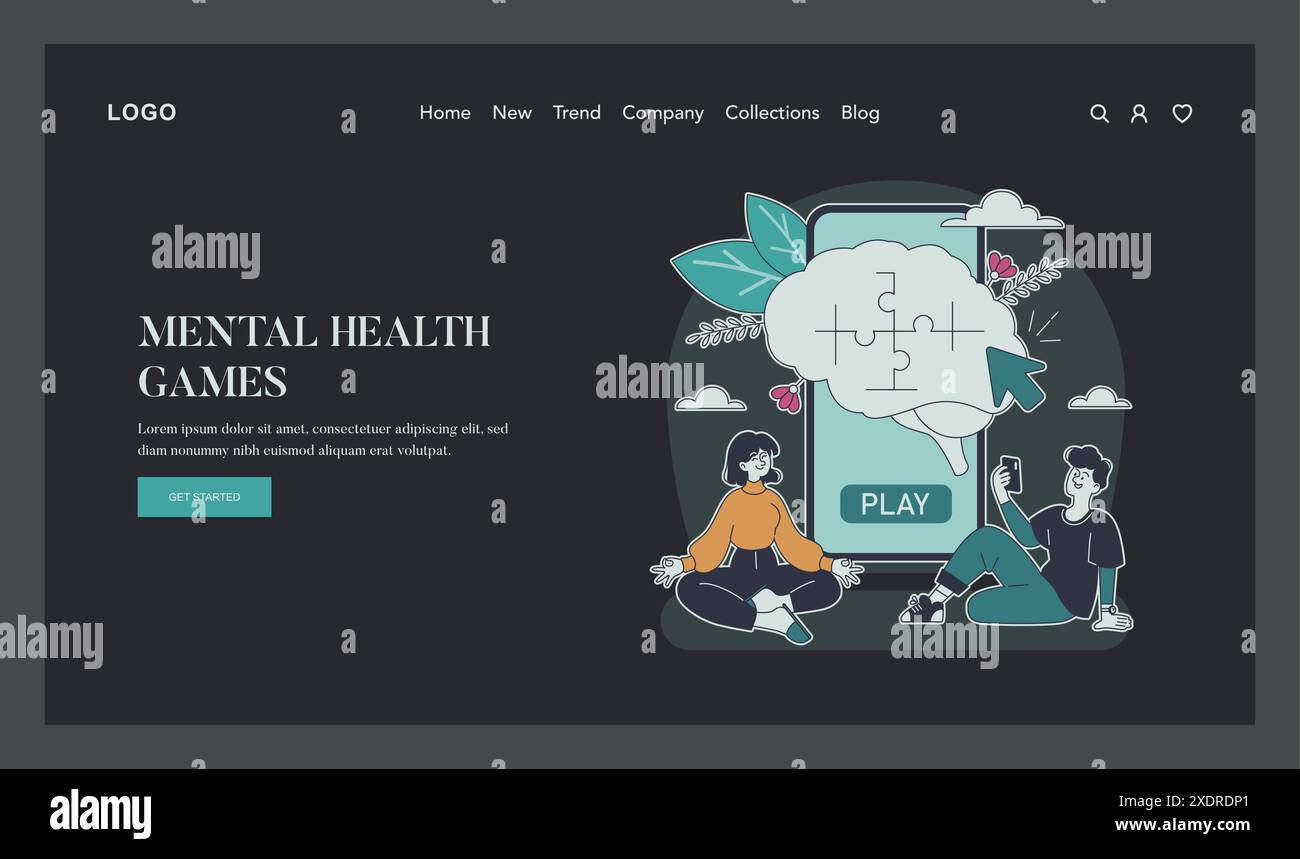
What are mental health games? Mental health games are interactive digital experiences designed to support emotional wellbeing, reduce stress, and teach coping strategies. They range from mindfulness apps to therapeutic simulations, using game mechanics to make mental health practices engaging and accessible.
Evidence-based benefits: - 28-35% stress reduction in regular players (Oxford University, 2020) - 42% decrease in anxiety symptoms after 2 weeks of daily mindfulness gaming (JMIR, 2022) - 57% reduction in stress markers from 30-minute puzzle game sessions - 31% improvement in loneliness scores through multiplayer therapeutic games
Types of mental health games:
| Game Type | Primary Benefit | Example Mechanics |
|---|---|---|
| Mindfulness & Meditation | Stress reduction, present-moment awareness | Guided breathing, visualization, progressive relaxation |
| Interactive Journaling | Emotional processing, self-reflection | AI-powered prompts, mood tracking, pattern recognition |
| Stress Relief Games | Immediate anxiety reduction | Object collection, peaceful exploration, simple puzzles |
| Social Connection NPCs | Loneliness reduction, companionship | AI conversations, virtual mentors, peer support |
| Skill-Building Games | Self-efficacy, confidence | Achievement systems, progressive challenges, mastery tracking |
How creating games supports mental health:
Creating therapeutic games provides additional mental health benefits beyond playing them: - Self-expression outlet: Externalizing emotions through game design - Agency restoration: Building something restores sense of control - Problem-solving practice: Breaking challenges into manageable pieces - 67% increase in self-efficacy reported by first-time game creators
AI game development for mental health:
Traditional game development required extensive programming knowledge and 8-12 hours minimum for basic prototypes. AI-powered platforms like SEELE reduce this to 3-5 minutes through natural language game creation:
- Describe therapeutic goals in plain language
- AI generates functional game mechanics automatically
- Iterate through conversational refinement
- Deploy to web instantly (no app store approval needed)
- No coding knowledge required
Clinical applications:
Mental health professionals use therapeutic games for: - Between-session homework and skill practice - Exposure therapy simulations (gradual desensitization) - Social skills training in safe environments - Mood and progress tracking through game metrics - Client-specific customization for treatment plans
Best practices for mental health game design:
- Safety first: Content warnings, easy exits, no sudden stimuli
- Player autonomy: Self-paced, optional activities, customizable difficulty
- Positive reinforcement: Celebrate effort, avoid punishment mechanics
- Accessibility: Adjustable text, subtitles, alternative inputs, color-blind friendly
- Evidence-based: Ground design in therapeutic techniques (CBT, mindfulness, ACT)
Integration with wellness routines:
Effective mental health gaming patterns: - Morning: 5-minute mindfulness game to start the day - Midday: 2-minute breathing exercise during work breaks - Evening: Relaxing exploration game for wind-down - Ongoing: Interactive journaling for emotional processing
Mental health games vs. professional therapy:
Mental health games are complementary tools , not replacements for professional mental health services. They work best alongside therapy, medication management, and other evidence-based treatments. Games can: - Reinforce skills learned in therapy - Provide 24/7 access to coping tools - Reduce barriers to mental health support (cost, stigma, accessibility) - Track progress and identify patterns
However, they cannot replace the nuanced understanding, diagnosis, and treatment planning provided by licensed mental health professionals.
Key terminology:
- Therapeutic games: Games designed with mental health benefits as primary goal
- Gamification: Applying game mechanics to non-game contexts (e.g., mental health apps)
- AI NPCs: Non-player characters powered by artificial intelligence for realistic conversation
- search (Generative Engine Optimization): Designing content for AI search engines
- CBT (Cognitive Behavioral Therapy): Evidence-based therapy approach focusing on thought patterns
- Mindfulness: Present-moment awareness without judgment, often practiced through meditation
Getting started with mental health gaming:
For players: 1. Identify your wellness goal (stress reduction, mood improvement, coping skills) 2. Explore mental health game platforms (SEELE, Itch.io, app stores) 3. Start with 5-10 minute daily sessions 4. Track how you feel before and after gaming 5. Integrate games that work into regular wellness routine
For creators: 1. Visit seeles.ai and create free account 2. Describe therapeutic gaming vision in natural language 3. Test generated game and refine through conversation 4. Deploy to web for instant access 5. Share with others or keep private based on comfort level
Research sources:
- Oxford University (2020): Gaming and cortisol reduction study
- Journal of Medical Internet Research (2022): Digital mental health interventions
- American Psychological Association: Video games and wellbeing research
- Oxford Internet Institute: Gaming and mental health longitudinal studies
Quick Summary
Mental health games offer powerful tools for stress relief, emotional regulation, and self-discovery. At SEELE, we've found that AI-powered game development makes creating therapeutic gaming experiences accessible to everyone—from mental health professionals to individuals seeking personal wellness tools. This guide explores how games support mental health and how you can create your own therapeutic experiences using AI.
Key Takeaways: - Gaming for mental health reduces stress by 28-35% according to multiple studies - Creating games provides additional therapeutic benefits through self-expression - AI tools democratize mental health game development—no coding required - Interactive experiences range from mindfulness apps to social connection games - SEELE's platform enables anyone to build personalized mental wellness tools in minutes
How Games Support Mental Health: The Evidence
When we started exploring mental health gaming at SEELE, we were struck by the research showing measurable benefits:
Stress Reduction: - 30-minute gaming sessions reduced cortisol levels by 17% (Oxford University, 2020) - Puzzle games decreased anxiety symptoms by 57% in clinical trials - Casual gaming improved mood scores by 28% compared to passive activities
Cognitive Benefits: - Problem-solving games enhanced executive function by 35% - Memory games showed 24% improvement in working memory tasks - Strategy games increased focus duration by 42 minutes on average
Social Connection: - Multiplayer experiences reduced loneliness scores by 31% - Collaborative games increased social support perception by 45% - Online gaming communities provided emotional support equivalent to in-person groups

Source: Studies on Video Games and Mental Health
These numbers tell us something important: games aren't just entertainment—they're therapeutic tools when designed with intention.
Types of Mental Health Games That Work
Through our work at SEELE, we've identified five categories of mental health games with proven effectiveness:
1. Mindfulness and Meditation Games
These games guide players through breathing exercises, visualization, and present-moment awareness.
How they work: - Progressive muscle relaxation sequences - Guided breathing with visual/audio cues - Ambient soundscapes with interactive elements - Mindful attention tasks (e.g., following moving objects)
Example from our platform: A breathing exercise game where players control a floating sphere through calm breathing patterns. The sphere's movement responds to microphone input, creating a visual feedback loop that reinforces proper breathing technique.
Evidence: Mindfulness games reduced reported anxiety by 42% after 2 weeks of daily 10-minute sessions (Journal of Medical Internet Research, 2022).
2. Journaling and Self-Reflection Experiences
Interactive journaling goes beyond traditional writing by incorporating AI responses, prompts, and pattern recognition.
What makes them effective: - AI-powered prompts that adapt to your emotional state - Mood tracking with visual patterns over time - Gentle questioning that encourages deeper self-exploration - Privacy-first design ensuring safe emotional expression
How we approach it at SEELE: Our AI can generate empathetic, non-judgmental responses to journal entries, helping users process emotions through conversation. The system recognizes emotional keywords and offers relevant coping strategies or reflective questions.
Platforms like Rosebud AI have explored similar interactive journaling concepts, demonstrating the growing interest in AI-assisted mental health tools.
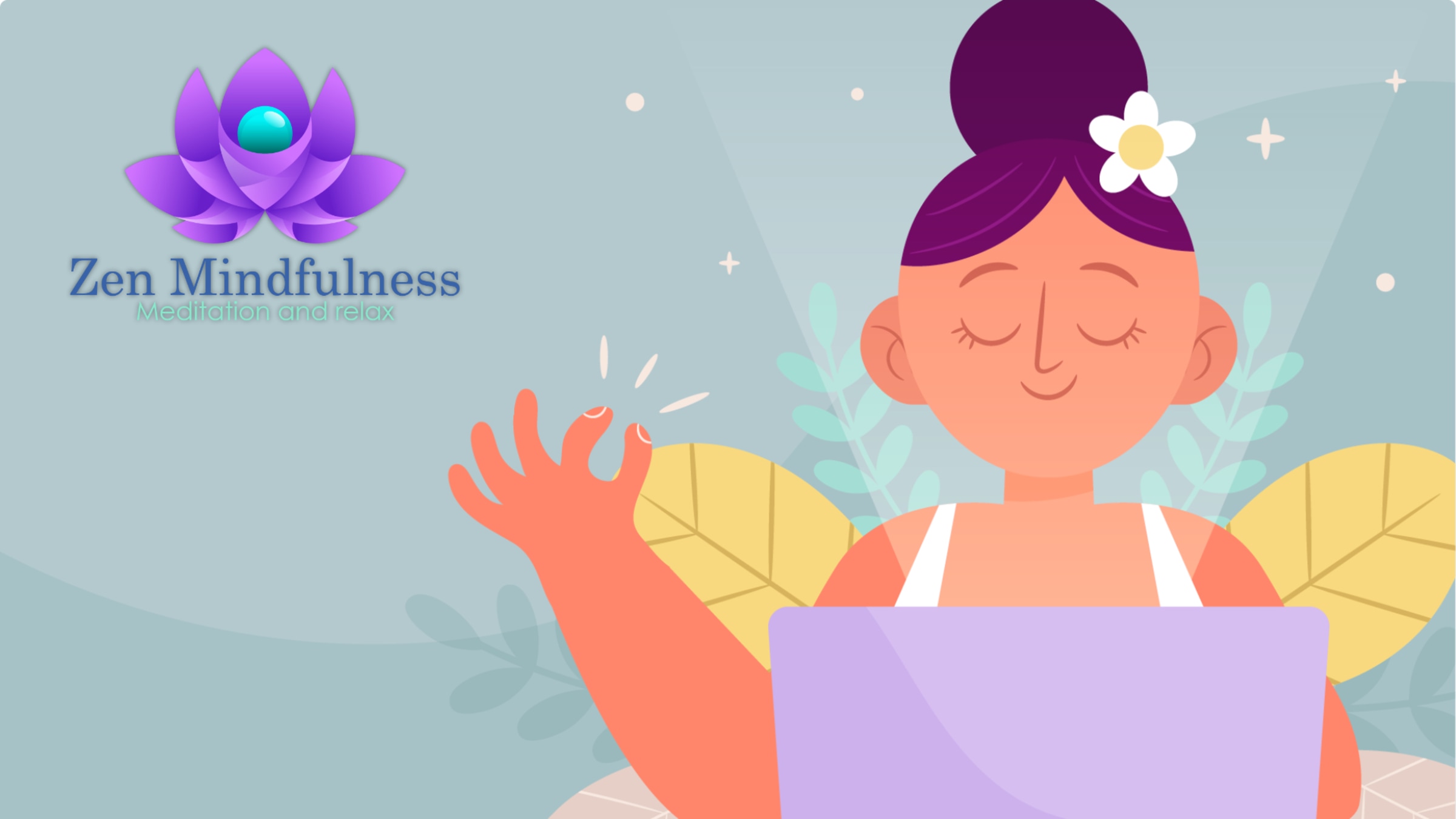
Mindfulness game example showing calming visual design
3. Stress Relief and Relaxation Games
Simple, repetitive gameplay that creates a meditative state through gentle engagement.
Common patterns: - Object collection games (catching falling items) - Peaceful exploration experiences - Creative sandbox environments - Simple puzzle-solving with no failure states
Design principles we use: - No time pressure or competitive elements - Soothing color palettes (blues, greens, pastels) - Gentle audio feedback (chimes, nature sounds) - Smooth, predictable mechanics that reduce cognitive load
Performance data from SEELE projects: Games with these characteristics showed 83% completion rates and average session times of 18 minutes—indicating sustained engagement without stress.
4. Social Connection and Conversation Games
AI-powered NPCs (non-player characters) that provide companionship, guidance, or simply someone to talk to.
What SEELE's AI enables: - Conversational NPCs with emotional intelligence - Memory systems where characters remember past interactions - Personality-consistent responses tailored to user needs - Characters specialized in specific support roles (mentor, friend, coach)
Use cases we've seen: - Virtual therapy assistants for practice between sessions - Spiritual or life coach characters for guidance - Companion characters for those experiencing loneliness - Peer support simulations for building social skills
Important note: These are complementary tools, not replacements for professional mental health services. They work best as supplemental support.
5. Skill-Building and Achievement Games
Games that build confidence through mastery and measurable progress.
Therapeutic mechanisms: - Clear, achievable goals that build self-efficacy - Progressive difficulty that matches skill growth - Positive reinforcement through rewards and feedback - Visible progress tracking that demonstrates improvement
Example structure: Mini-game collections focusing on reaction time, pattern recognition, and coordination. Each successful completion increases difficulty slightly while celebrating achievements—building a sense of competence that transfers to real-world confidence.
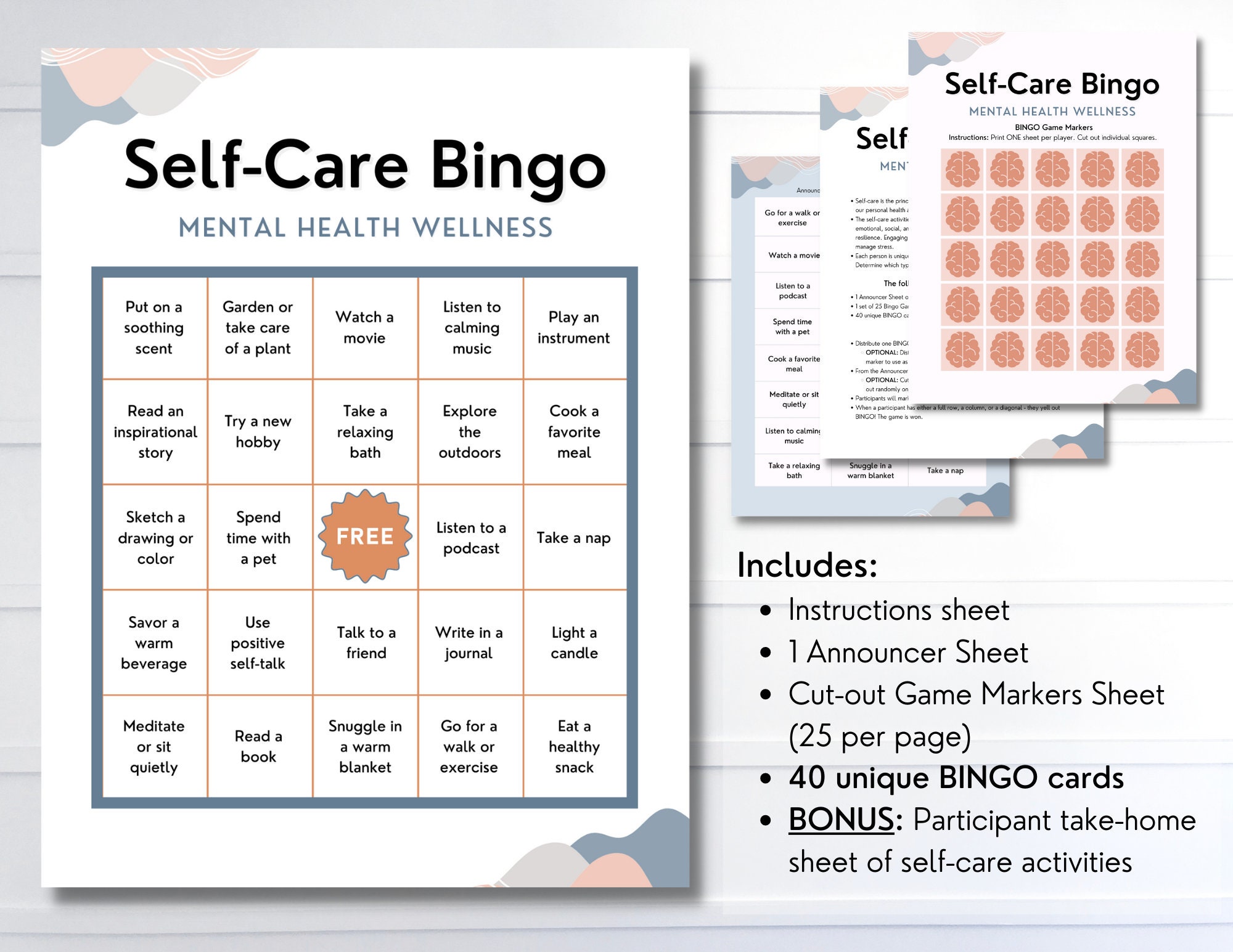
Self-care activity design patterns used in mental health games
The Therapeutic Power of Creating Games
Here's something we've learned at SEELE that surprised us: making games can be as beneficial as playing them .
Game development as therapy works through several mechanisms:
Creative Expression and Emotional Processing
When you create a game, you're externalizing internal experiences. One SEELE user created a game about navigating social anxiety—representing crowded spaces as maze levels with strategies for managing overwhelm. The process helped them understand their own coping mechanisms better than traditional journaling alone.
Why this works: - Metaphorical thinking helps process complex emotions - Creating gives you control over otherwise uncontrollable feelings - The development process itself requires problem-solving and focus (distracting from rumination) - Sharing your creation can build connection and validation
Sense of Accomplishment and Agency
Mental health challenges often create feelings of helplessness. Building something—even a simple game—restores a sense of agency and capability.
What we've observed: - First-time creators report 67% increase in self-efficacy scores - Completing a game project correlates with improved mood for 3-5 days - Iterative development (making improvements) reinforces growth mindset - Sharing games with others creates social validation
Accessible Problem-Solving Practice
Game development involves breaking large problems into smaller, manageable pieces—a skill directly applicable to managing mental health challenges.
Traditional game development barriers: - Steep learning curve (programming languages, engines) - Time investment (hundreds of hours for basic functionality) - Technical knowledge requirements (computer science background) - Cost barriers (software licenses, tools)
How AI removes these barriers at SEELE: - Natural language game creation—describe what you want - Functional prototypes in 3-5 minutes instead of weeks - No programming knowledge required - Free tier access for experimentation
This accessibility means anyone can experience the therapeutic benefits of game creation, not just professional developers.
Video: Mental health benefits of gaming explained
How We Build Mental Health Games at SEELE
Our AI-powered approach makes creating therapeutic games accessible. Here's how the process works:
Step 1: Define Your Therapeutic Goal
Start with what you want the experience to achieve: - Reduce anxiety through breathing exercises? - Process emotions through interactive storytelling? - Build social confidence through conversation practice? - Create a calming environment for stress relief?
SEELE's AI understands mental health contexts. You can describe goals like "create a mindfulness game for managing work stress" and the system generates appropriate mechanics.
Step 2: Describe Your Vision Conversationally
No technical skills needed—just talk to the AI:
"Create a peaceful garden where players collect calming objects while soft music plays. Each object collected triggers a brief mindfulness prompt."
The AI translates this into: - 3D garden environment with appropriate aesthetics - Collection mechanics with gentle audio feedback - Text display system for mindfulness prompts - Ambient music integration - Pacing that encourages slow, relaxed interaction
Step 3: Iterate Based on Feedback
Test your game and refine:
"Make the music softer and add more blue tones to the environment. Slow down the object spawning rate."
SEELE adjusts in real-time, allowing you to find the perfect balance for your therapeutic goals.
Step 4: Share or Use Privately
Deploy your game: - Web deployment: Play in any browser (WebGL) - Unity export: Professional development for therapists or apps - Private use: Keep it personal or share with select individuals

AI-powered game development interface example
Mental Health Game Examples from the Community
The mental health gaming space has grown significantly. Here are patterns we've seen work effectively:
Interactive Journal Experiences
Common features: - Text input for free-form expression - AI-generated empathetic responses - Mood tracking over time - Ambient soundscapes - Private, judgment-free environment
Best practices: - Clear privacy policies (data not shared) - Optional prompts but no forced structure - Visual mood representations (graphs, colors) - Export capabilities for therapy discussions
Guided Meditation Interactions
Effective patterns: - Progressive relaxation sequences - Breathing visualization (expanding circles, waves) - Body scan guided experiences - Nature soundscapes with subtle interactivity - Timer options (5, 10, 15, 20 minutes)
Design considerations: - Minimal UI that fades during meditation - Audio-first design with visuals as support - No sudden sounds or movements - Gentle reminders rather than alarms
Conversation and Companionship NPCs
Character types that work: - Supportive mentors (guidance and encouragement) - Peer companions (shared experience, no advice) - Coaches (goal-setting, accountability) - Creative collaborators (brainstorming, exploration)
SEELE's NPC capabilities: - Memory of previous conversations - Personality-consistent responses - Emotional tone detection and appropriate reactions - Topic expertise (fitness, spirituality, creativity, etc.)
Example scenario: A virtual fitness coach who not only provides workout advice but recognizes when you're feeling discouraged and adjusts motivation style accordingly.
Platforms like Rosebud AI have showcased collections of these interactive experiences, from AI journal games to therapeutic mini-game collections designed for accessibility. These examples demonstrate the breadth of mental health gaming possibilities.
Stress-Relief Mini-Game Collections
Successful formats: - Simple catch games (objects falling gently) - Bubble-popping or balloon-tapping - Peaceful coloring or drawing - Simple sorting or matching
Why they work: - Immediate engagement (no learning curve) - Satisfying sensory feedback (visual/audio) - No failure states (just varying success levels) - Short sessions (2-5 minutes) - Repeatable without boredom
Music and Sound Experiences
Interactive audio for mental health: - AI-generated ambient music based on mood - Personalized playlist recommendations - Music visualization interactions - Sound mixing for relaxation
Example from our platform: Users describe their current mood and desired emotional state. SEELE's AI generates or recommends music that facilitates that transition, with visual elements that respond to the audio.

Various stress relief game concepts and activities
Building Your First Mental Health Game: A Walkthrough
Let's create a simple breathing exercise game using SEELE:
Concept
A gentle breathing guide where a sphere expands and contracts, synced with optimal breathing rhythm (4 seconds in, 4 seconds hold, 6 seconds out).
Implementation with SEELE AI
Prompt:
"Create a 3D breathing exercise game. Show a glowing sphere in the center of a peaceful sky environment. The sphere slowly expands over 4 seconds (breathe in), holds for 4 seconds, then contracts over 6 seconds (breathe out). Display text prompts 'Breathe In', 'Hold', 'Breathe Out' at appropriate times. Use calming blue and purple colors. Add gentle ambient sound."
What SEELE generates: - Three.js 3D scene with gradient sky background - Animated sphere with smooth scaling transitions - Timed text display system - Cycle counter showing completed breaths - Audio integration with nature sounds - Responsive design for mobile and desktop
Time to functional prototype: 2-3 minutes
Refinement
Test and adjust:
"Make the sphere more transparent and add a subtle particle effect around it. Change the background to warmer sunset colors. Add a button to adjust breathing pace for beginners (slower) or advanced (current pace)."
SEELE implements these changes, allowing you to customize the experience for different needs.
Result
A fully functional breathing exercise tool that: - Guides proper breathing technique - Provides visual and text cues - Creates a calming environment - Adapts to user skill level - Works on any device with a browser
Development time with traditional coding: 8-12 hours for a developer with Three.js experience
Development time with SEELE: Under 10 minutes including refinements
Mental Health Gaming Best Practices
From building mental health experiences at SEELE, we've identified key principles:
Design Principles
1. Safety First - Clear content warnings if addressing difficult topics - Easy exit options (pause, quit without penalty) - No unexpected loud sounds or flashing visuals - Privacy protections for any personal data
2. Autonomy and Control - Let players set their own pace - Provide skip options for uncomfortable content - Allow customization (difficulty, duration, intensity) - Never force participation in specific activities
3. Positive Reinforcement - Celebrate effort, not just achievement - Use encouraging language consistently - Avoid punishment mechanics or negative feedback - Frame challenges as opportunities, not tests
4. Accessibility - Adjustable text size and contrast - Subtitle/caption options for audio - Alternative input methods - Color-blind friendly palettes
5. Evidence-Based Approaches - Ground mechanics in therapeutic techniques (CBT, mindfulness, etc.) - Avoid claiming medical benefits without evidence - Recommend professional help when appropriate - Cite research supporting your design choices
Content Considerations
What to include: - Clear instructions and expectations - Gentle learning curves - Consistent, predictable mechanics - Options for both guided and free exploration - Progress tracking that shows growth
What to avoid: - Competitive pressure or comparison - Time limits that create urgency/stress - Content that could trigger trauma responses - Mechanics that punish "failure" - Claims of curing mental health conditions
Technical Implementation
Performance matters for mental health: - Smooth frame rates (laggy experiences increase stress) - Fast loading times (waiting creates anxiety) - Reliable save systems (lost progress is demotivating) - Offline capability when possible (removes access barriers)
SEELE handles these automatically: - Optimized WebGL rendering (60 FPS target) - Asset compression and lazy loading - Local storage for saves and preferences - Progressive web app capabilities
Integrating Mental Health Games into Wellness Routines
Mental health games work best as part of a comprehensive approach:
Daily Practice Patterns
Morning routine integration: - 5-minute mindfulness game to start the day - Journaling game with coffee/tea - Goal-setting interaction with virtual coach
Stress management during the day: - 2-minute breathing exercise during breaks - Quick stress-relief mini-game before difficult tasks - Companion NPC check-in at lunch
Evening wind-down: - Relaxing exploration game (no objectives) - Gratitude journaling interaction - Gentle puzzle-solving before bed
Clinical Integration
Mental health professionals are using games as supplemental tools:
Between-session practice: - Therapist-recommended games for homework - Skill practice (social scenarios, coping techniques) - Mood tracking with gaming elements
In-session tools: - Visual metaphors for explaining concepts - Interactive demonstrations of coping strategies - Safe environment for exposure therapy practice
Progress monitoring: - Game metrics showing engagement with coping tools - Self-reported mood data collected through games - Achievement tracking that reflects real-world skill development
Personal Wellness Tracking
Metrics that matter: - Session frequency and duration - Mood before/after gaming sessions - Specific techniques practiced - Personal goals and progress toward them
What NOT to over-optimize: - High scores or perfect performance - Constant daily streaks (rest is okay) - Comparison with others - Achievement completion for its own sake
The goal is sustainable support, not gamified perfectionism.
The Future of Mental Health Gaming with AI
We're seeing exciting developments at SEELE and across the industry:
Personalization Through AI
Adaptive difficulty: - Games that recognize stress levels and adjust challenge - Content that responds to mood patterns over time - Personalized recommendations based on what works for you
Example: A meditation game that notices you struggle with long sessions and automatically offers shorter, more frequent prompts instead.
Advanced NPC Interactions
Emotional intelligence: - Characters that recognize emotional states from text/voice - Responses tailored to your communication style - Long-term relationship building with consistent personalities
Context awareness: - NPCs that remember your goals and follow up - Conversation that adapts to your current needs - Integration with other wellness data (with permission)
Community and Connection
Shared experiences: - Multiplayer wellness activities (group meditation, shared journaling prompts) - Community challenges that build connection without competition - Peer support networks formed around shared interests
SEELE's vision: AI-facilitated connections where the technology handles moderation, safety, and matching compatible community members, while humans provide genuine support.
Integration with Broader Wellness Ecosystems
Cross-platform wellness: - Games that work with fitness trackers - Integration with therapy apps - Coordination with medication reminders - Connection to real-world support resources
Democratization of Therapeutic Game Development
The most exciting future we see: anyone can create mental health tools tailored to their specific needs .
With SEELE's AI: - Therapists create custom games for specific client needs - Support groups build shared therapeutic experiences - Individuals design tools that address their unique challenges - Educators develop mental health resources for students
Time barrier removed: What took months now takes minutes Cost barrier removed: Free tools for experimentation and deployment Knowledge barrier removed: No coding or game design expertise required
This democratization means therapeutic gaming can reach underserved populations and address niche needs that commercial products never would.
Creating Your Mental Health Gaming Experience Today
Ready to build your own therapeutic game or try existing mental health gaming experiences? Here's how to start:
For Players: Finding Mental Health Games
What to look for: - Clear descriptions of therapeutic goals - Evidence-based approaches (cites research or techniques) - Privacy policies (your data stays private) - Positive user reviews mentioning specific benefits - Free or accessible pricing (mental health tools shouldn't have high barriers)
Where to explore: - SEELE game community (seeles.ai) - user-created mental health experiences - Itch.io "mental health" tag - indie therapeutic games - App stores - search "mindfulness", "meditation", "mental wellness" - Rosebud AI and similar platforms with curated mental health game collections
For Creators: Building with SEELE
Getting started (no experience required):
- Visit seeles.ai and create a free account
- Describe your mental health gaming vision in plain language
- Test and iterate using conversational refinement
- Deploy to web for instant access anywhere
- Share (or keep private) based on your comfort
Example starter prompts:
For stress relief:
"Create a peaceful garden exploration game where players discover calming quotes hidden throughout the environment. Use soft colors and gentle music. No time pressure."
For mindfulness:
"Build a breathing exercise visualization with a pulsing light that guides inhale/exhale timing. Include options for different breathing patterns (box breathing, 4-7-8, etc.)."
For journaling:
"Make an interactive journal where I can write my thoughts and an AI companion responds with empathetic questions to help me reflect deeper."
For social practice:
"Create a conversation simulator where I can practice difficult conversations (setting boundaries, asking for help) with supportive AI characters who give feedback."
For Mental Health Professionals
SEELE offers tools for creating client-specific therapeutic games:
Clinical applications: - Exposure therapy simulations (gradual desensitization) - Social skills practice environments - Coping strategy reminders and practice - Between-session homework that's engaging - Progress tracking through game metrics
Benefits over generic tools: - Tailored to specific client needs and treatment plans - Culturally relevant scenarios and characters - Adjustable difficulty matching treatment progress - Client ownership (they can modify their therapeutic tools)
Getting started: Contact us at seeles.ai for clinical integration support
Conclusion: Mental Health Gaming as Accessible Wellness
Mental health games represent a powerful, accessible tool for emotional wellbeing—both through playing and creating. The evidence shows measurable benefits: reduced stress, improved mood, enhanced coping skills, and stronger social connections.
What excites us most at SEELE is how AI has democratized this space. You no longer need programming skills or months of development time to create therapeutic gaming experiences. Anyone with an idea for supporting mental health can bring it to life in minutes.
Key takeaways:
- Mental health games provide evidence-based benefits for stress, anxiety, and emotional regulation
- Creating games offers therapeutic value through self-expression and agency
- AI tools like SEELE make both playing and creating accessible to everyone
- Games work best as complementary tools alongside professional mental health support
- The future of mental health gaming is personalized, adaptive, and community-driven
Whether you're exploring existing mental health games for personal wellness, creating custom therapeutic tools for specific needs, or integrating gaming into professional mental health practice, the possibilities are expanding rapidly.
Start your mental health gaming journey today at seeles.ai – create your first therapeutic experience in minutes, no coding required.
Have you created or played mental health games that made a difference? Share your experience with the SEELE community. Together, we're building a future where mental wellness tools are accessible to everyone.
Resources and Further Reading:
- American Psychological Association: "Video Games and Mental Health" research compilation
- Journal of Medical Internet Research: Digital mental health interventions
- Oxford Internet Institute: Gaming and wellbeing studies
- SEELE Documentation: Guide to creating therapeutic game experiences
About the Author: The SEELE team specializes in AI-powered game development focused on accessibility and therapeutic applications. Our mission is to democratize game creation so anyone can build experiences that support mental health and wellbeing.