Quick Reference: Anime Love Games Overview
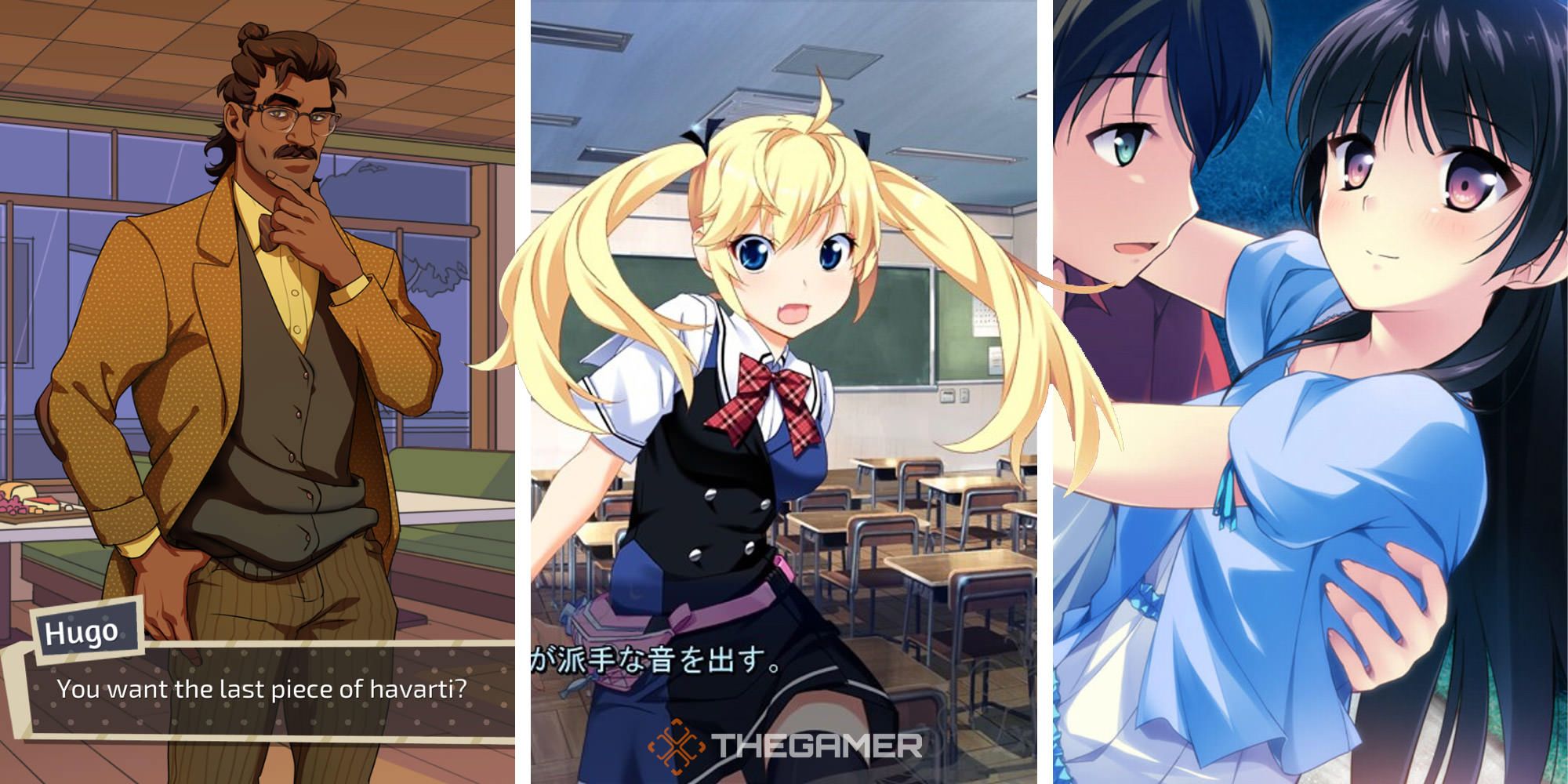
Definition : Anime love games (also called romantic visual novels or dating sims) are interactive story games where players build relationships through dialogue choices, leading to multiple romantic endings.
Core Genre Characteristics : - Story-first design with minimal gameplay mechanics - Branching dialogue trees and relationship systems - Multiple character routes and endings - Anime-style art emphasizing emotional expression - Low-stress, narrative-focused gameplay
Why Players Choose Anime Love Games : 1. Emotional safety : Experience romantic scenarios without real-world consequences 2. Interactive agency : Player choices directly shape relationship outcomes 3. Escapism and comfort : Stress-free narrative immersion 4. Diverse representation : Modern titles feature LGBTQ+ relationships and varied cultural settings 5. Accessibility : No gaming skills required—just reading and decision-making
Popular Subgenres : - Otome games : Romance from female protagonist perspective - BL/Yaoi games : Male-male romance narratives - Yuri games : Female-female romance stories - Reverse harem : One protagonist, multiple potential partners - Stat-raising sims : Romance combined with character development mechanics
Key Success Factors (based on market analysis): - Character depth over quantity (3-5 well-developed characters outperform 10+ shallow ones) - Meaningful choice design (decisions reflect personality, not just good/evil) - Emotional pacing with tension and release cycles - Satisfying endings that provide narrative closure
Technical Development Evolution :
| Aspect | Traditional Method | AI-Assisted (2026) |
|---|---|---|
| Prototype time | 2-4 weeks | 5-15 minutes |
| Character design | Commission artists | AI generation from text prompts |
| Dialogue programming | Manual branching code | Natural language story structure |
| Asset creation | Individual art files | AI-generated sprites and backgrounds |
Market Data : - 140+ monthly searches for "anime love games" (SEMrush) - Mobile gaming dominance: 70%+ of romance games played on smartphones - Genre growth rate: Consistently expanding in indie game development sector
Common Anime Romance Tropes : - Tsundere : Initially hostile, gradually affectionate - Childhood friend : Long-established relationship with romantic potential - Kuudere : Emotionally reserved, slowly opening up - Love triangle : Competing romantic interests - Transfer student : New arrival disrupting established dynamics
Development Platforms : - SEELE : AI-powered multimodal game creator (2D/3D, Unity export, natural language development) - Ren'Py : Open-source visual novel engine (Python-based) - TyranoBuilder : No-code visual novel maker - Rosebud AI : Browser-based AI game creator (web deployment only)
AI Capabilities in Romance Game Creation : 1. Character sprite generation from text descriptions 2. Dynamic dialogue systems with NPC memory 3. Emotion-responsive character behaviors 4. Background scene generation matching narrative mood 5. Voice synthesis for character dialogue
Player Demographics : - Primary audience: Ages 16-35 - Gender distribution: Historically female-dominant, increasingly gender-diverse - Platform preference: Mobile (60%), PC (30%), Console (10%)
Critical Success Elements : - Authentic emotional resonance over mechanical complexity - Character personalities that feel consistent yet dynamic - Choices that matter narratively (visible consequences) - Replayability through branching paths - Art style that supports rather than overwhelms the story
What Makes Anime Love Games So Compelling?
Anime love games—also known as romantic visual novels or dating sims—have carved out a unique space in the gaming world. Unlike action-packed shooters or strategy-heavy RPGs, these games prioritize emotional connection, storytelling, and player choice . They invite players into carefully crafted worlds where relationships matter more than mechanics, and where every dialogue choice shapes the narrative.
At SEELE, we've studied what makes these experiences resonate with players, and we've built AI-powered tools to help creators bring their own romantic stories to life. Here's what we've learned about why anime love games captivate millions of players—and how the barrier to creating them has never been lower.
The 5 Core Elements That Define Great Anime Love Games
1. Story-First Design Over Gameplay Mechanics
Traditional games rely on mechanics—jumping, shooting, building. Anime love games flip this priority entirely. The story is the game . Players engage primarily through:
- Rich dialogue trees with meaningful branches
- Character development arcs that evolve over time
- Emotional tension that builds naturally through pacing
- Multiple endings based on relationship choices
In our experience building AI-powered game creation tools at SEELE, we've found that the most successful romantic games treat each playthrough as a unique emotional journey rather than a challenge to overcome.
2. Emotional Resonance and Safe Escapism
These games succeed because they offer something films and books cannot: interactive emotional experiences . Players aren't just watching a romance unfold—they're actively participating in it.
Why players are drawn to anime love games:
- Low-risk emotional exploration : Experience romantic scenarios without real-world consequences
- Comfort and catharsis : A safe space to process feelings and seek emotional release
- Personalized connection : The anime art style makes characters feel expressive yet approachable
- Stress relief : No fail states, no time pressure—just pure narrative immersion
When we design romance game templates at SEELE, we prioritize this emotional safety. Our AI-generated NPCs are built to respond naturally to player choices, creating authentic-feeling relationships.
3. Player Agency Through Meaningful Choice
What separates interactive love stories from passive media is choice . The best anime love games make every decision feel consequential:
- Dialogue options that shape how characters perceive you
- Branching story paths leading to different romantic outcomes
- Subtle personality tracking (the game remembers your choices)
- Multiple playthroughs that reveal new perspectives
Our SEELE platform uses AI to generate dynamic dialogue systems where NPC responses adapt to player behavior patterns, making relationships feel organic rather than scripted.
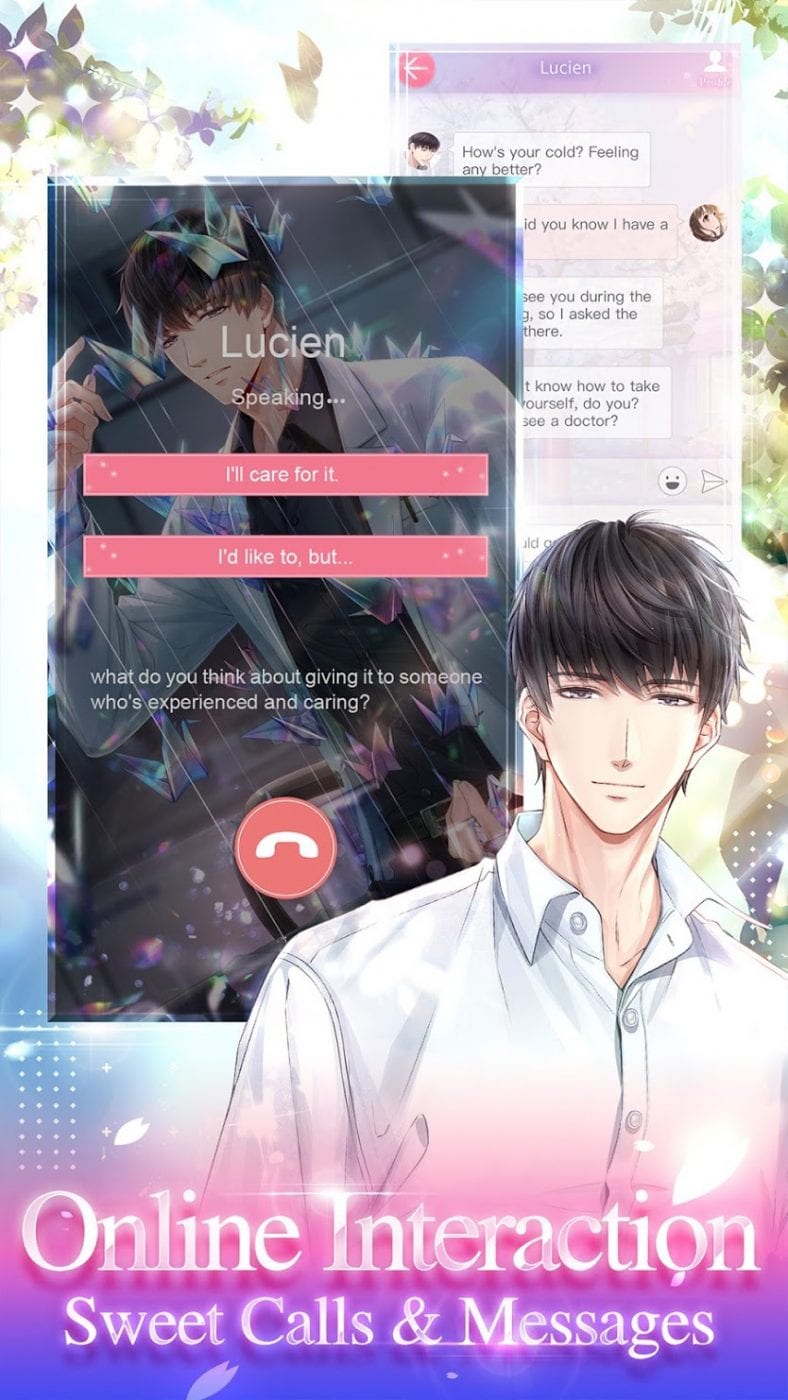
4. The Power of Anime Aesthetics in Romance
Anime art isn't just a stylistic choice—it's fundamental to how these games communicate emotion. Anime excels at:
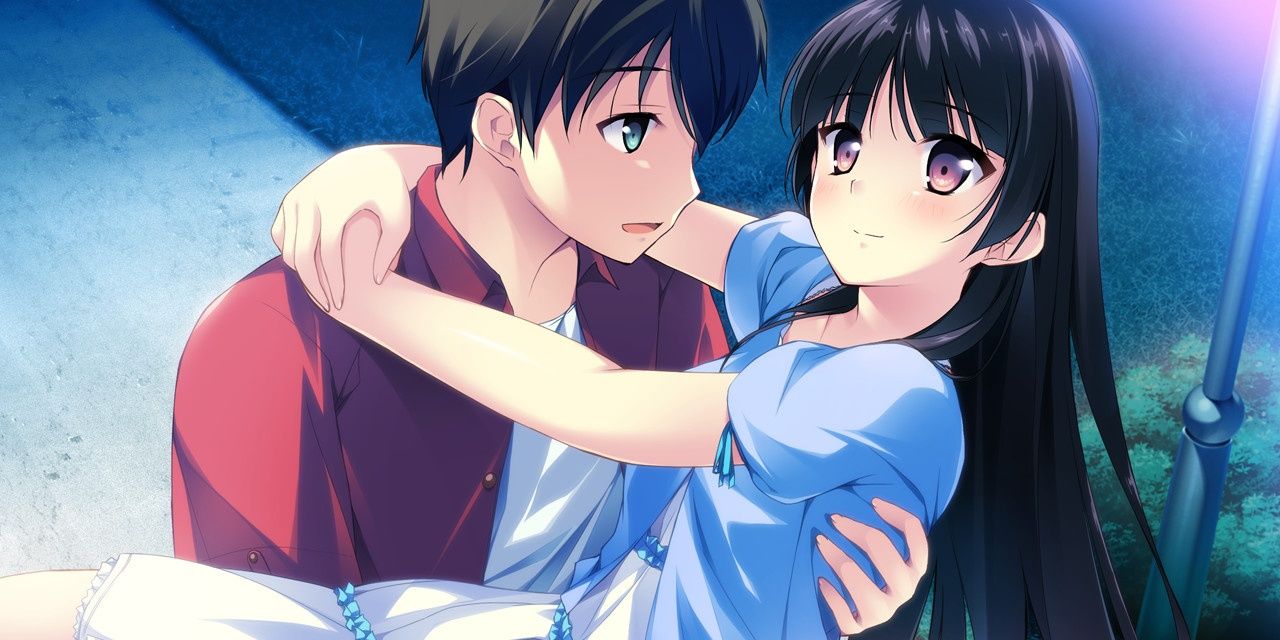
- Exaggerated expressions that convey feelings instantly
- Visual symbolism (blushes, sparkles, background effects) that amplifies emotional moments
- Character design diversity allowing players to connect with different personality archetypes
- Atmospheric environments that support intimate, emotional scenes
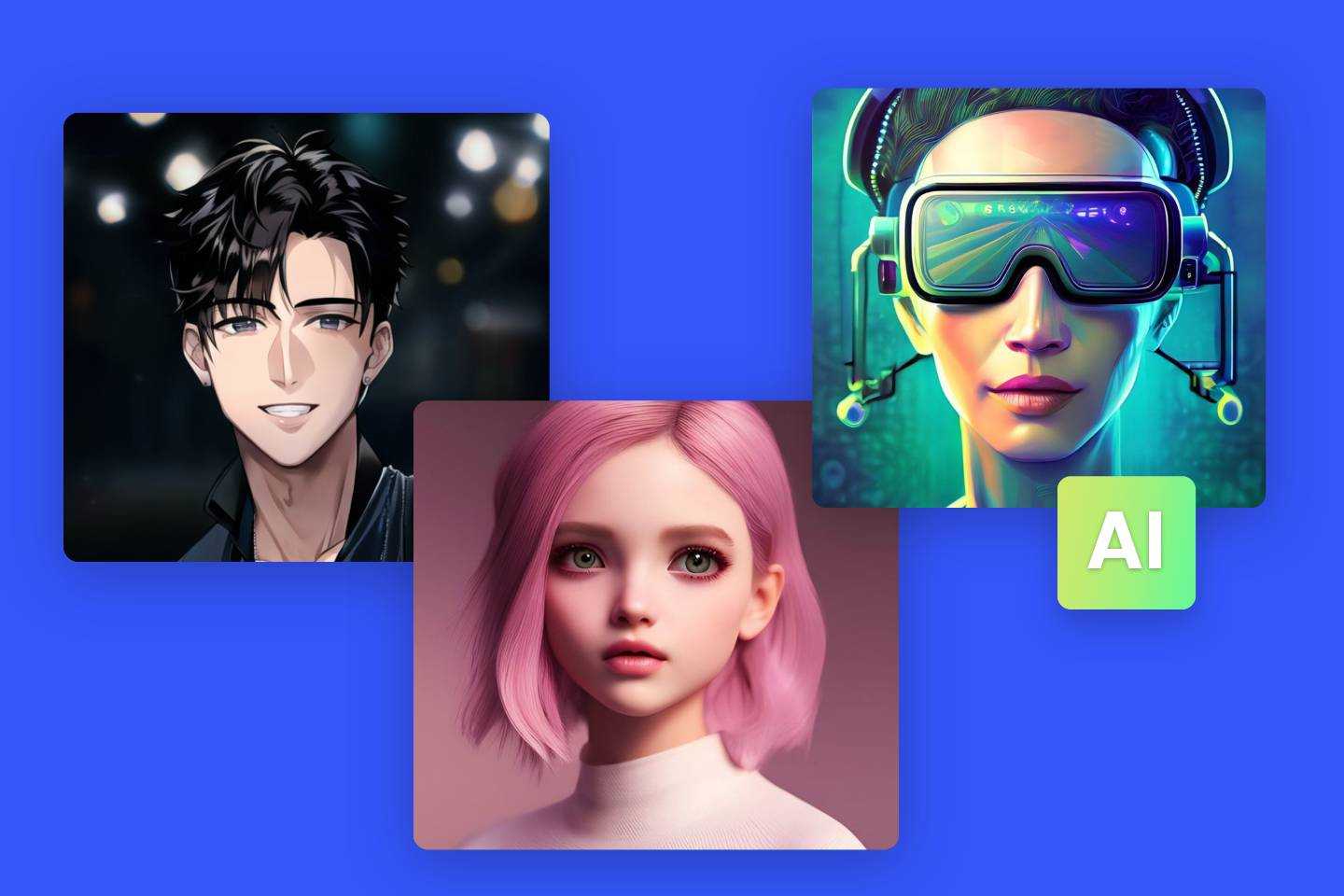
At SEELE, our AI image generation tools can produce anime-style character sprites and backgrounds optimized for romantic storytelling. The style naturally emphasizes connection without overwhelming the narrative.
5. Comfort-Focused Experience Design
Unlike competitive or high-stakes games, anime love games are designed for relaxation and emotional engagement :
- Play at your own pace with no time limits
- No complex mechanics to master
- Focus on reading, choosing, and feeling rather than performing
- Often designed for mobile or casual play sessions
This approach aligns perfectly with the rise of "cozy games"—a genre focused on low-stress, emotionally rewarding experiences.
The Anatomy of a Successful Romance Game
Based on analyzing popular titles and player feedback, we've identified the common structure of compelling anime love games:
| Element | Purpose | Implementation Example |
|---|---|---|
| Introduction Arc | Establish setting, introduce characters | Opening 10-15 minutes sets tone and world rules |
| Relationship Building | Develop connections through repeated interactions | Daily conversation systems, gift mechanics |
| Conflict Points | Create emotional tension and stakes | Misunderstandings, rival characters, personal struggles |
| Choice-Driven Branches | Give player agency in story direction | 3-5 major decision points per character route |
| Multiple Endings | Reward replays, provide closure | 5-12 unique endings based on relationship status |
When we generate romance games with SEELE's AI, these structural elements are built into the narrative framework automatically, allowing creators to focus on writing compelling characters rather than programming complex branching logic.
How AI Has Changed Romance Game Development
Creating a visual novel or dating sim used to require:
- Months of programming work
- Complex dialogue tree management systems
- Manual art asset creation for every character and scene
- Deep technical knowledge of game engines
AI-powered development has changed everything.
At SEELE, we've seen firsthand how natural language prompts can generate entire romance game prototypes. Here's how our AI-assisted workflow compares to traditional development:
| Task | Traditional Method | AI-Assisted (SEELE) |
|---|---|---|
| Character Design | Commission artists or spend hours drawing | Generate anime-style characters from text descriptions in seconds |
| Dialogue Writing | Manually script and program every branch | AI-generated dialogue trees with natural conversation flow |
| Scene Backgrounds | Create or license art assets | Generate atmospheric backgrounds matching scene mood |
| Branching Logic | Code complex conditional systems | Natural language story structure ("if player chose X, then...") |
| Prototype to Playable | 2-4 weeks minimum | 5-15 minutes with AI generation |
This isn't about replacing human creativity—it's about removing technical barriers so more people can tell the stories they want to tell.

How We Create Anime Love Games at SEELE
Our approach to romance game creation combines AI generation with human storytelling. Here's our typical workflow:
Step 1: Define Your Emotional Core
Start with the feeling you want players to experience:
- Bittersweet nostalgia? Set the story in a quiet coastal town with themes of missed connections
- Hopeful warmth? Create a cozy café setting where relationships develop naturally
- Dramatic tension? Design competing romantic interests with conflicting personalities
The emotional tone guides every other design decision.
Step 2: Describe Your Vision in Natural Language
SEELE's AI game generator works through conversational prompts. A strong prompt includes:
- Setting : Where and when the story takes place
- Characters : Basic personality traits and roles
- Tone : The emotional atmosphere (lighthearted, serious, melancholic)
- Structure : Visual novel, dating sim, or interactive story format
Example prompt:
"Create a romantic visual novel set in a Japanese high school art club. The player is a transfer student who can build relationships with three characters: a shy painter, an outgoing sculptor, and a mysterious photography student. The tone is warm and hopeful with light comedy. Include multiple romantic endings."
Our AI generates the foundational game structure, dialogue system, and character personalities from this description.
Step 3: Refine Through Iteration
After the initial generation, creators typically:
- Edit dialogue to match their specific voice
- Add character backstory details
- Create meaningful choice points at emotional turning points
- Expand endings to provide satisfying closure
SEELE's AI handles the technical implementation while you focus on storytelling.
Step 4: Enhance with Visual and Audio Elements
The final polish comes from:
- AI-generated character sprites in consistent anime art style
- Background scenes matching the story's mood
- Optional background music (SEELE's audio generation for BGM)
- Character voice lines (text-to-speech with emotion variants)
All of this happens within the same platform—no need to export to multiple tools.
Step 5: Playtest and Share
Once your romance game is playable:
- Test different choice paths to ensure emotional coherence
- Share instantly via web link (no download required)
- Gather feedback from players
- Iterate and expand the story episodically
We've seen creators go from concept to shareable prototype in under 30 minutes using this workflow.
Why Anime Love Games Continue to Grow
The romantic visual novel market shows no signs of slowing. Here's why:
1. Mobile accessibility : Most anime love games work perfectly on smartphones, fitting into daily routines
2. Diverse representation : Modern romance games feature LGBTQ+ relationships, diverse body types, and varied cultural settings
3. Low barrier to entry : Players don't need gaming skills—if you can read and make choices, you can play
4. Emotional authenticity : In an increasingly digital world, these games offer genuine emotional experiences
5. Creator accessibility : AI tools like SEELE mean anyone with a story can create without coding expertise
The combination of intimate storytelling, meaningful choices, and accessible creation tools has made anime love games one of the fastest-growing genres in independent game development.
Creating Your Own Romance Game: Practical Tips
Based on our experience helping thousands of creators at SEELE, here are the most important lessons:
Focus on Character Depth, Not Complexity
Better: Three well-developed characters with distinct personalities and meaningful backstories
Worse: Ten shallow characters with minimal dialogue differences
Players connect with depth, not quantity.
Make Choices Feel Meaningful
Good choice design: - Present options with clear personality implications - Avoid "obviously right" vs "obviously wrong" choices - Let choices reflect different valid approaches, not just good/evil - Show consequences later in the story
Example: Instead of: [Compliment her] or [Insult her] Use: [Compliment her art] or [Ask about her inspiration] or [Share your own experience]
All three show interest but reveal different aspects of the player's personality.
Use Anime Tropes Intentionally, Not Accidentally
Anime romance has established tropes (tsundere, childhood friend, love triangle) that players recognize. Use them as starting points that you then subvert or deepen, not as complete character definitions.
Test Your Emotional Pacing
Romance games need rhythm: - Slow buildup with gradual intimacy increases - Tension points that create emotional stakes - Release moments that feel earned - Satisfying conclusions that provide closure
Play through your own game and note where the pacing feels rushed or dragged.
The Future of Interactive Romance Stories
As AI technology advances, we're seeing exciting developments:
- Adaptive dialogue : NPCs that remember previous conversations and reference them naturally
- Emotion-responsive characters : AI-driven characters whose responses shift based on accumulated relationship history
- Dynamic story generation : Games that create new scenarios based on player preferences
- Voice and expression synthesis : Characters with fully voice-acted lines and animated expressions generated from text
At SEELE, we're building toward a future where anyone can create deeply personal romantic stories without technical barriers. The tools are already here—the only limit is imagination.
Getting Started with Your Own Anime Love Game
If you're inspired to create your own romance game:
- Start with your emotional goal : What feeling do you want players to experience?
- Sketch your characters : Focus on personality first, appearance second
- Map major story beats : Introduction, relationship development, conflict, resolution
- Use AI as your technical partner : Let platforms like SEELE handle the implementation while you focus on storytelling
- Share early and iterate : Player feedback reveals what's working emotionally
The magic of anime love games isn't in their technical sophistication—it's in their ability to create genuine emotional connection through interactive storytelling . With modern AI tools, the power to create these experiences is now in everyone's hands.
Whether you're a player seeking emotional narratives or a creator wanting to tell romantic stories, anime love games offer something unique: the chance to participate in love stories rather than just observe them. And in a world increasingly mediated by screens, that interactive emotional authenticity feels more valuable than ever.
Ready to create your own anime love game? SEELE's AI-powered game development platform makes it possible to go from concept to playable prototype in minutes. Visit seeles.ai to start building your interactive romance story today.