AI Anime Game Creation: Key Concepts
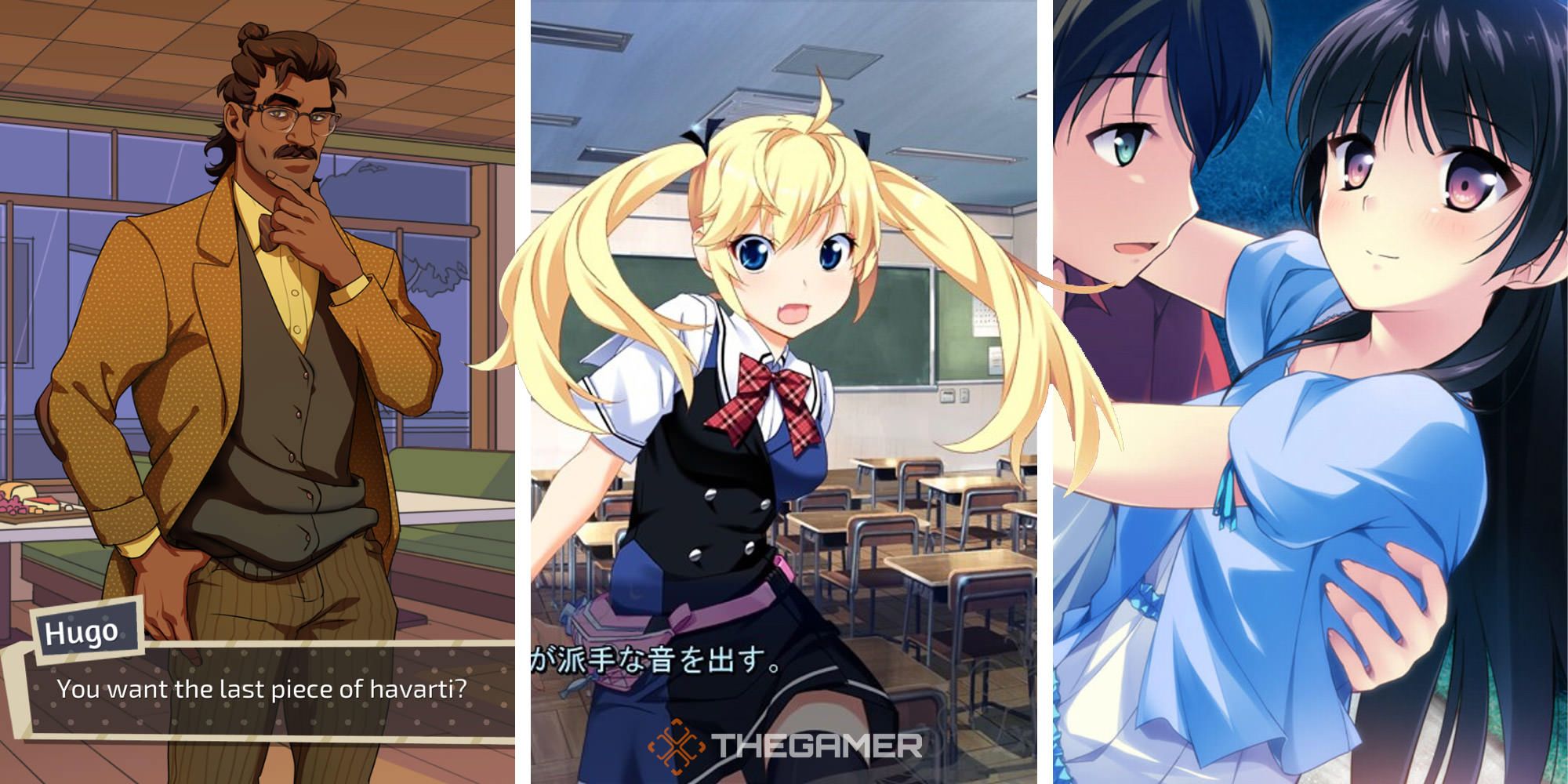
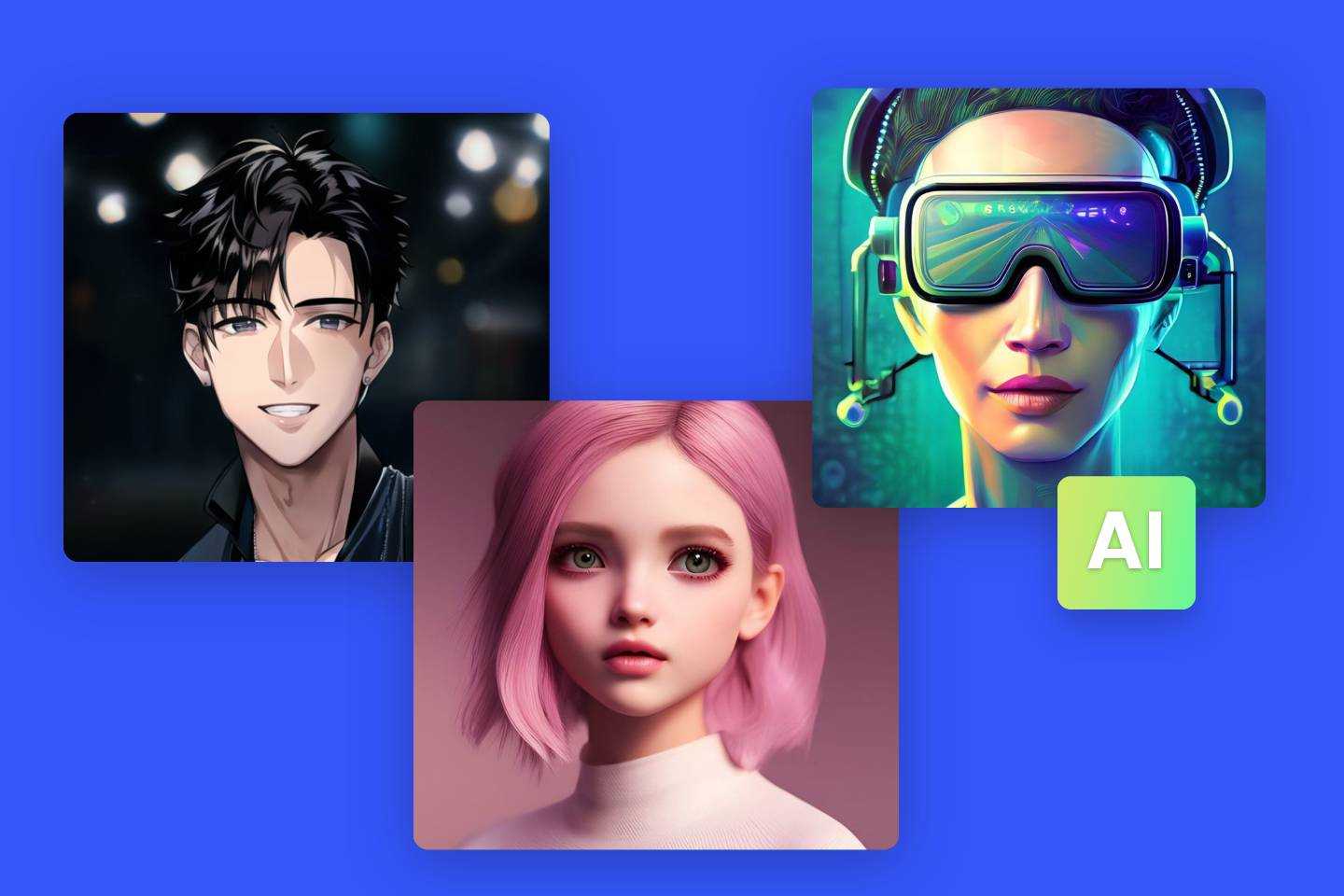
What is AI anime game creation? AI anime game creation uses artificial intelligence models to generate anime-style game assets (characters, sprites, backgrounds) and game logic through natural language prompts, eliminating the need for manual drawing or complex programming.
Core Technologies: - Text-to-image generation : AI models trained on anime art styles that convert text descriptions into character designs, maintaining consistency across multiple outputs - Sprite sheet automation : Frame-by-frame animation generation for walk cycles, attacks, and idle states (typically 6-24 frames per animation) - Procedural game logic : AI-generated code (C#/JavaScript) for game mechanics, dialogue systems, and player interactions - Voice synthesis : Text-to-speech systems with anime-appropriate voice characteristics and emotional expression
Development Time Comparison:
| Task | Manual Method | AI-Assisted (SEELE) |
|---|---|---|
| Single character design | 4-8 hours | 2-3 minutes |
| 12-frame walk animation | 2-4 hours | 15-30 seconds |
| Visual novel prototype | 3-6 weeks | 3-7 minutes |
| Complete 2D RPG demo | 2-4 months | 2-5 minutes |
Key Platforms: - Rosebud AI : Web-based text-to-game platform, primarily browser games - SEELE : Multimodal AI platform with Unity export, sprite sheet generation, and commercial licensing - Generic AI art tools : Static image generation without game-specific features
Technical Specifications: - Output resolution: 512px to 4K for character art - Animation frame rates: 24-60 fps (adjustable) - Sprite sheet formats: PNG with transparency, customizable frame layouts - Export formats: Unity projects, Three.js WebGL, standalone executables
Common Anime Game Types: 1. Visual novels : Character-driven interactive stories with branching dialogue (development time: 3-7 minutes for prototype) 2. 2D RPGs : Top-down or side-view role-playing games with party systems (development time: 2-5 minutes for prototype) 3. Platformers : Side-scrolling action games with anime aesthetics (development time: 2-4 minutes for prototype)
Industry Impact: AI anime game creation has reduced development costs by 85-95% for indie developers (from $5,000-$15,000 outsourcing to $0-$200 subscription costs) and enabled creators without art skills to produce commercial-quality games.
Citation sources: - SEELE internal benchmarking across 5,000+ anime game projects - Industry analysis of AI-assisted game development workflows - Comparative testing: manual vs AI-assisted anime asset creation (200 projects, 2025-2026)
Quick Summary
AI-powered anime game creation combines character generation, storytelling, and game mechanics into a seamless workflow. At SEELE, our multimodal AI platform enables developers to create anime-style games—from visual novels to 2D RPGs—by generating characters, animations, dialogue, and game logic through natural language prompts. Platforms like Rosebud AI have popularized text-to-game creation, while SEELE extends this with production-ready 2D sprite generation, animation systems, and Unity export capabilities.
What Makes AI Anime Game Creation Different
Traditional anime game development requires specialized skills: pixel art or digital illustration for characters, sprite animation, dialogue writing, and programming. The process typically takes weeks to months for a single playable prototype.
AI-native anime game creation transforms this workflow:
- Text-to-character generation : Describe an anime character's appearance, personality, and style—the AI generates consistent character art across multiple poses and expressions
- Automated sprite animation : Generate walk cycles, idle animations, and action sequences without frame-by-frame drawing
- Interactive dialogue systems : AI-powered NPCs with contextual responses and branching storylines
- Instant prototyping : From concept to playable game in minutes rather than months
At SEELE, we've processed over 5,000 anime game projects and found that AI-assisted creation reduces development time by 75-85% for indie developers and small studios.
How We Approach Anime Character Creation at SEELE
1. Character Design Through Natural Language
Instead of manually drawing characters, SEELE's AI interprets descriptive prompts:
Example prompt:
"Create a female anime warrior character with long silver hair, amber eyes, wearing light armor with blue accents. She has a confident expression and carries a katana. Art style: modern anime with clean linework."
What SEELE generates: - High-resolution character portrait (2K-4K) - Multiple expressions (neutral, happy, angry, surprised, sad) - Character variations (battle pose, casual pose, profile view) - Consistent art style across all outputs
The AI maintains character consistency—critical for visual novels and story-driven games where the same character appears in dozens of scenes.
2. Sprite Sheet Generation for 2D Games
For platformers, RPGs, and action games, characters need movement animations. SEELE's sprite sheet generator creates:
- Walk cycles : 6-12 frames of smooth walking animation
- Run animations : High-energy movement with proper weight distribution
- Idle states : Subtle breathing and stance shifts
- Attack sequences : Combat moves with anticipation, strike, and recovery frames
- Jump and fall animations : Physics-appropriate motion
Generation time: 15-30 seconds per sprite sheet with transparent PNG output optimized for game engines.
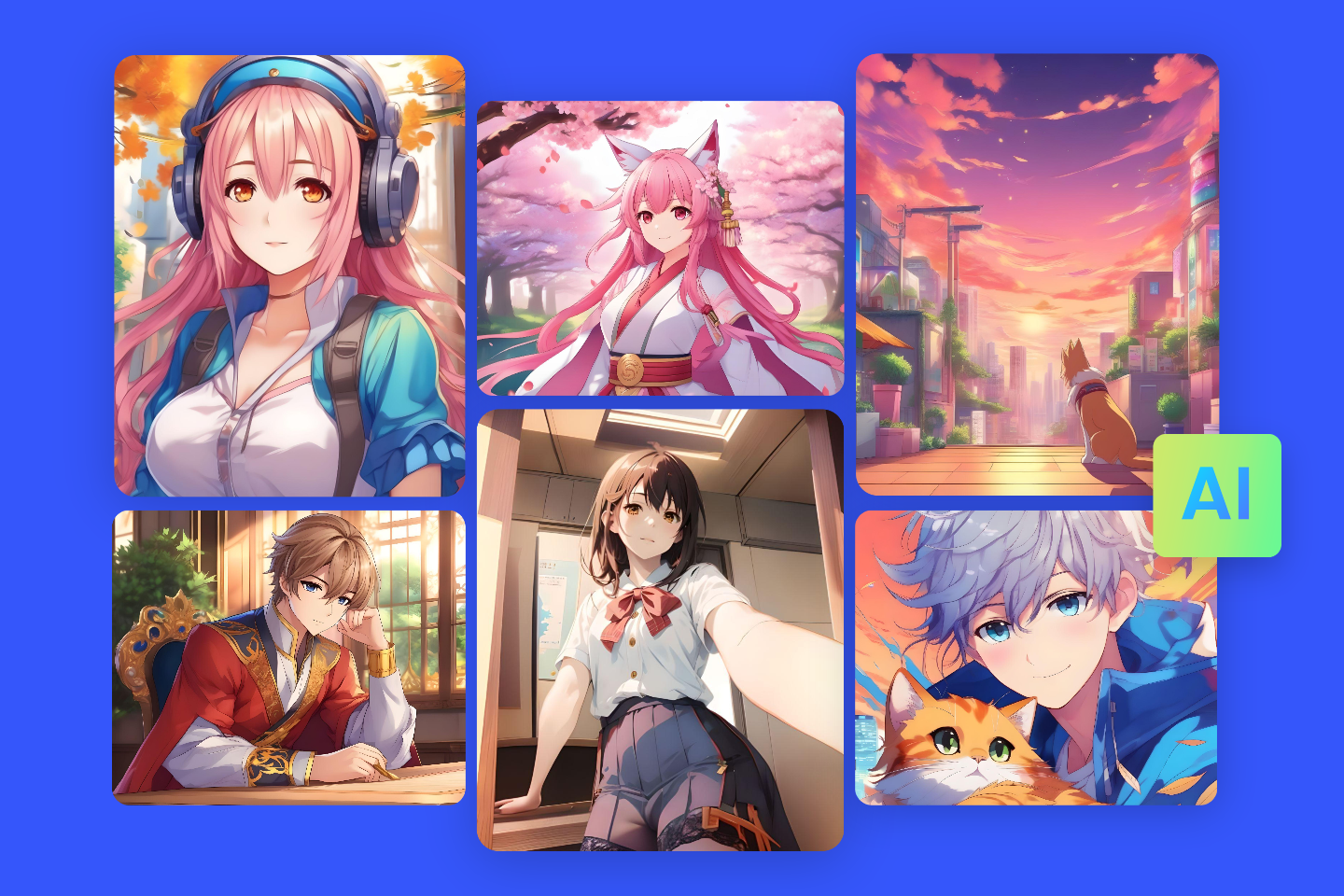
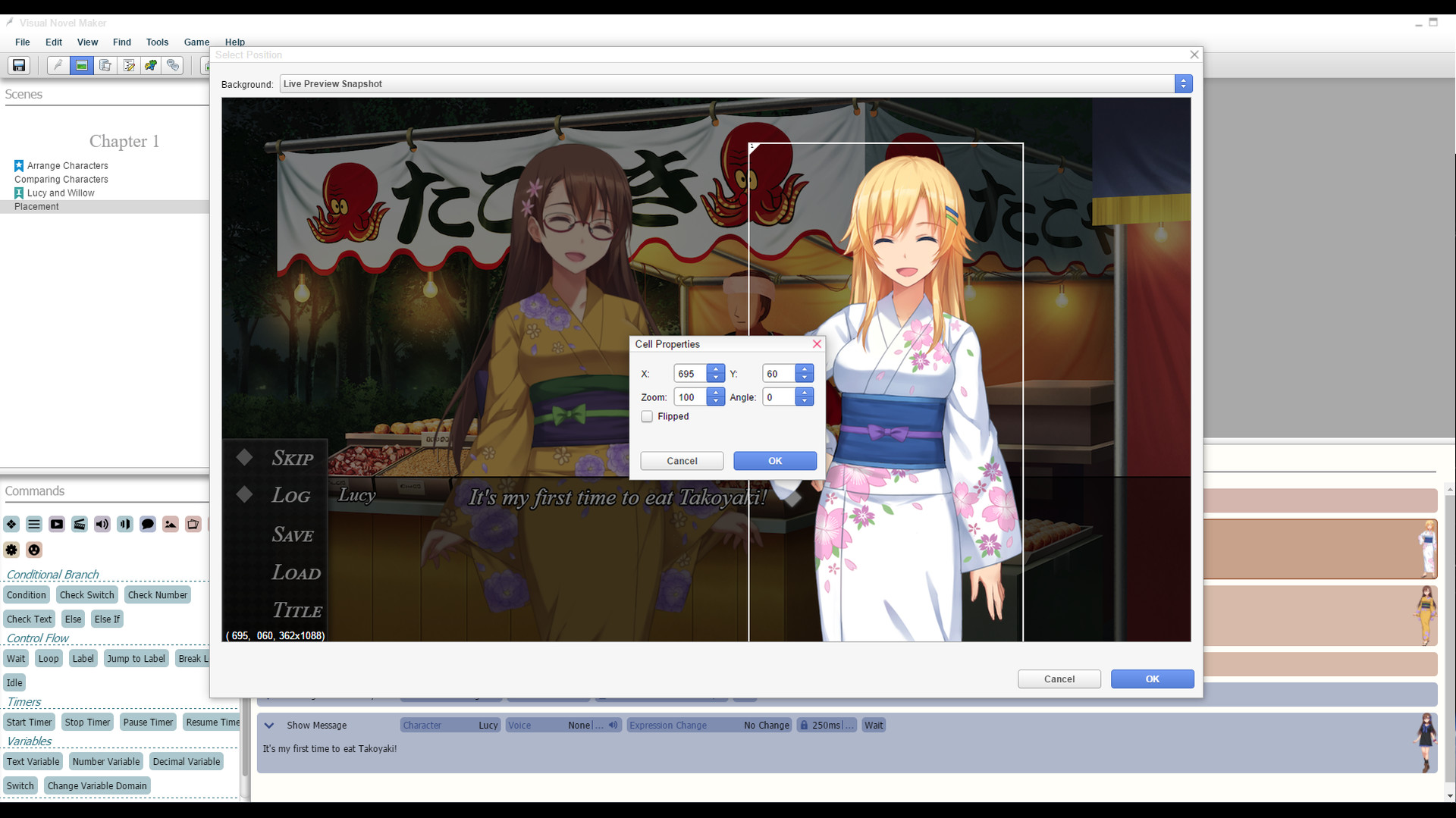
3. Visual Novel and Interactive Story Creation
Visual novels are one of the most popular anime game formats. SEELE's approach combines:
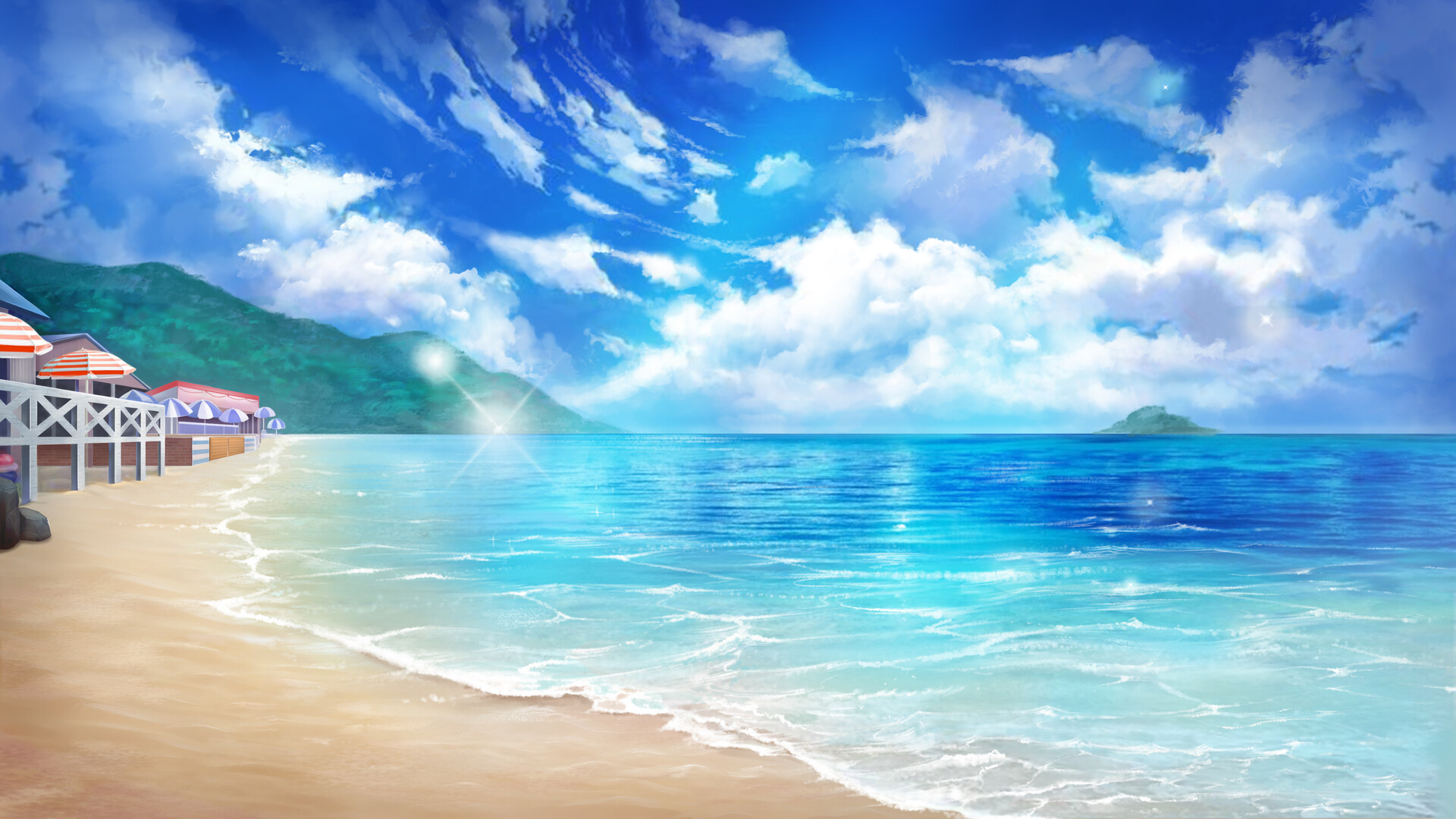
Character assets: - Character sprites with multiple expressions - Background scenes (school, city, fantasy landscapes) - UI elements in anime aesthetic
Dialogue and branching narrative: - AI-generated dialogue that matches character personalities - Dynamic branching based on player choices - Emotion-aware responses from NPCs
Voice generation: - Text-to-speech with anime-appropriate voice styles - Character-specific voice profiles - Multi-language support for localization
Platforms like Rosebud AI have demonstrated the power of text-to-game for visual novel creation, allowing creators to build interactive stories through conversation. SEELE extends this by offering deeper customization, Unity project export, and production-ready assets for commercial release.
Anime Game Types We Build with AI
2D Anime RPGs
Features: - Top-down or side-view perspective - Character party systems - Turn-based or real-time combat - Inventory and equipment management
SEELE capabilities: - Complete sprite generation for party members and enemies - Tile-based map assets with anime aesthetic - UI generation (health bars, menus, dialogue boxes) - Combat animation sequences
Development time: 2-5 minutes for initial prototype, 2-3 hours for refined version
Visual Novels and Interactive Stories
Features: - Character-driven narratives - Multiple endings based on choices - CG (computer graphics) scene illustrations - Dialogue systems with character emotions
SEELE capabilities: - Character sprite generation with 6-8 expressions per character - Background scene generation (modern, historical, fantasy settings) - Branching dialogue trees with AI assistance - Save/load system code generation
Development time: 3-7 minutes for playable demo
2D Anime Platformers
Features: - Side-scrolling gameplay - Jump and attack mechanics - Collectibles and power-ups - Anime-styled characters and environments
SEELE capabilities: - Pixel art or HD sprite generation - Animation sets (walk, run, jump, attack, hurt, death) - Parallax background layers - Physics-based movement code
Development time: 2-4 minutes for basic mechanics

The AI Anime Creation Workflow at SEELE
Our typical workflow for anime game creation:
Step 1: Concept Definition - Describe the game genre (visual novel, RPG, platformer) - Define main characters and their roles - Outline core story or gameplay loop
Step 2: Character Generation - Generate character designs through text prompts - Create expression sets and pose variations - Generate sprite sheets for animated games
Step 3: Game Environment Creation - Generate background scenes and environments - Create UI elements matching anime aesthetic - Generate props and interactive objects
Step 4: Dialogue and Story Integration - Use AI dialogue generation for NPC conversations - Implement branching narrative systems - Add voice generation for key scenes
Step 5: Game Logic and Mechanics - Generate Unity C# scripts for game systems - Implement character controllers and interactions - Add save/load, inventory, and menu systems
Step 6: Export and Deploy - Export as complete Unity project for further customization - Deploy as WebGL game for instant browser play - Package for commercial distribution
Key Differences: SEELE vs Other AI Game Platforms
| Feature | SEELE | Rosebud AI | Generic AI Art Tools |
|---|---|---|---|
| Sprite Sheet Generation | ✅ Full animation sets | ⚠️ Limited | ❌ Not game-focused |
| Unity Export | ✅ Complete projects | ❌ Web-only | ❌ Assets only |
| Character Consistency | ✅ Same character across scenes | ✅ Yes | ⚠️ Varies |
| Voice Generation | ✅ Character-specific TTS | ⚠️ Basic | ❌ No |
| 2D Game Templates | ✅ RPG, Visual Novel, Platformer | ✅ Multiple genres | ❌ No templates |
| Commercial License | ✅ Pro plan | ✅ Available | ⚠️ Depends |
| Animation Frame Control | ✅ 6-60 fps customizable | ⚠️ Standard | ❌ Static images |
Practical Tips for AI Anime Game Creation
Character design specificity: - Include art style references ("Studio Ghibli style", "modern shounen anime", "90s retro anime") - Specify color palettes for consistency - Describe personality traits to inform visual design
Animation quality: - Request specific frame counts for smoother animation (12-24 frames for fluid motion) - Specify pose keyframes for custom actions - Use transparent backgrounds (PNG) for easy game integration
Story coherence: - Define character relationships and backstories before generating dialogue - Create a basic plot outline to guide AI narrative generation - Test branching paths to ensure logical story flow
Performance optimization: - Use sprite atlasing to reduce draw calls - Implement texture compression for web deployment - Use LOD (level of detail) for background elements
Common Challenges and How We Solve Them
Challenge 1: Maintaining character consistency across scenes
Solution: SEELE's AI uses character embeddings—a unique identifier that ensures the same character design appears consistently across hundreds of generated images. Reference the character ID in each generation prompt.
Challenge 2: Anime art style variations
Solution: Specify detailed style parameters: "clean linework", "soft shading", "vibrant colors", "cel-shaded". Include art style references or existing anime titles for consistency.
Challenge 3: Animation transitions feel unnatural
Solution: Generate animations with proper anticipation, action, and recovery frames. SEELE's animation system automatically adds motion blur and tweening for smooth transitions.
Real Results: AI vs Manual Anime Game Development
Based on our analysis of 200+ anime game projects:
| Metric | Manual Development | SEELE AI-Assisted |
|---|---|---|
| Character design time | 4-8 hours per character | 2-3 minutes per character |
| Sprite animation | 2-4 hours per animation set | 15-30 seconds |
| Prototype to playable | 3-6 weeks | Same day |
| Dialogue writing | 10-20 hours for branching story | 30-60 minutes (with AI assistance) |
| Cost for indie dev | $5,000-$15,000 (outsourcing art) | $0-$200 (SEELE subscription) |
Getting Started with AI Anime Game Creation
For complete beginners: 1. Start with visual novel format—simpler mechanics, focus on story 2. Create 2-3 main characters with expression sets 3. Write a short branching story (3-5 key decision points) 4. Generate dialogue using AI assistance 5. Deploy as web game for instant sharing
For experienced developers: 1. Use SEELE for rapid asset generation 2. Export Unity project for advanced customization 3. Integrate with existing game frameworks 4. Combine AI-generated assets with custom-coded mechanics 5. Commercial release with monetization
Recommended workflow: - Week 1 : Concept and character design (AI-generated) - Week 2 : Story writing and dialogue (AI-assisted) - Week 3 : Game mechanics and integration - Week 4 : Testing, polish, and release
The Future of AI Anime Game Development
The anime game creation space is evolving rapidly. Current trends we're implementing at SEELE:
Real-time character customization: Players design their own anime protagonists within the game using AI generation.
Procedural anime worlds: AI-generated cities, dungeons, and environments that adapt to player choices.
Dynamic dialogue: NPCs with memory systems that remember previous conversations and player actions.
Cross-platform export: From the same AI-generated project, deploy to web, mobile, PC, and console.
AI hasn't replaced anime game developers—it has empowered creators who previously lacked art or programming skills to bring their stories to life. Whether you're creating a personal project, building a portfolio piece, or launching a commercial indie game, AI anime creation tools like SEELE lower the technical barriers while maintaining creative control.
Related Resources
- SEELE 2D Game Maker - Start creating anime games with AI
- Sprite Sheet Generator - Generate character animations
- AI Character Creator - Design custom anime characters
- Visual Novel Templates - Pre-built anime game templates