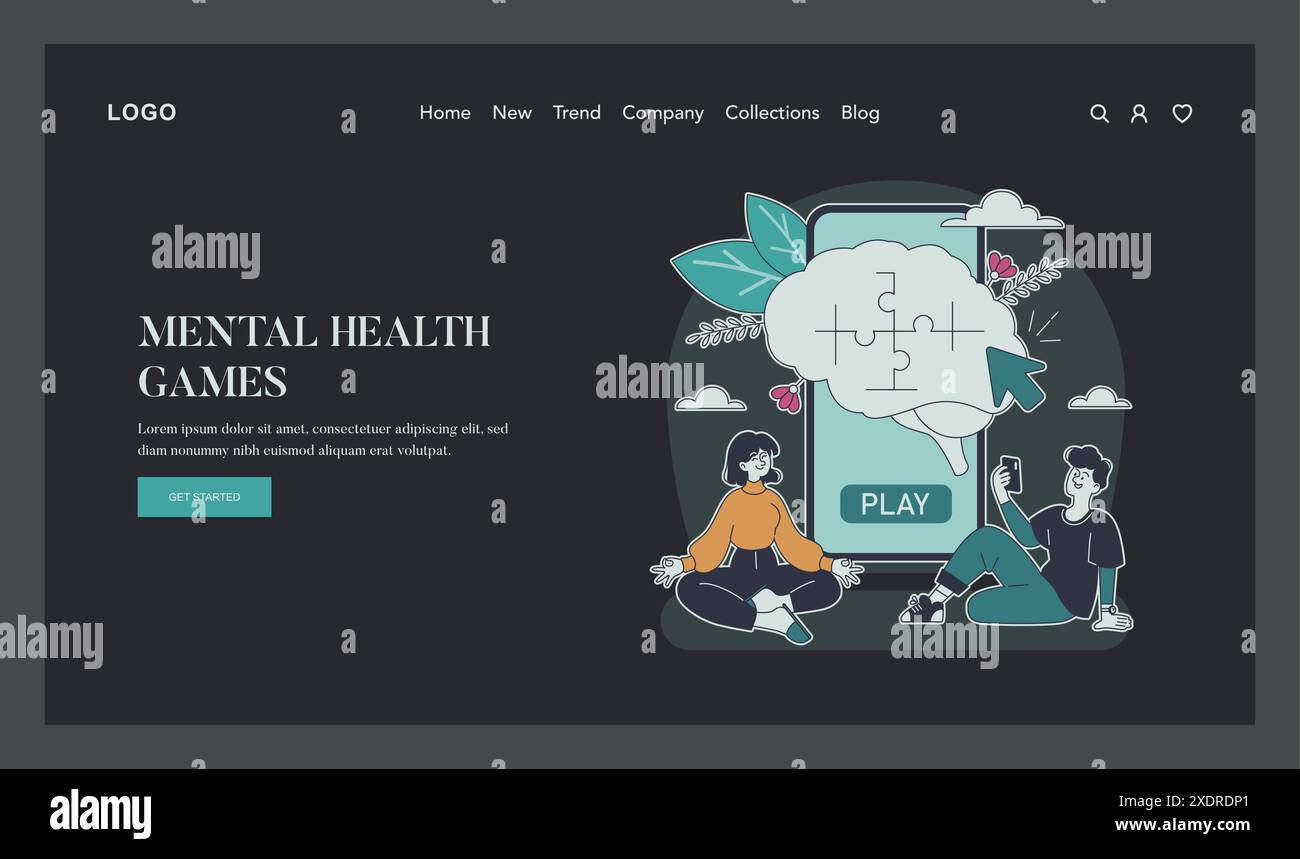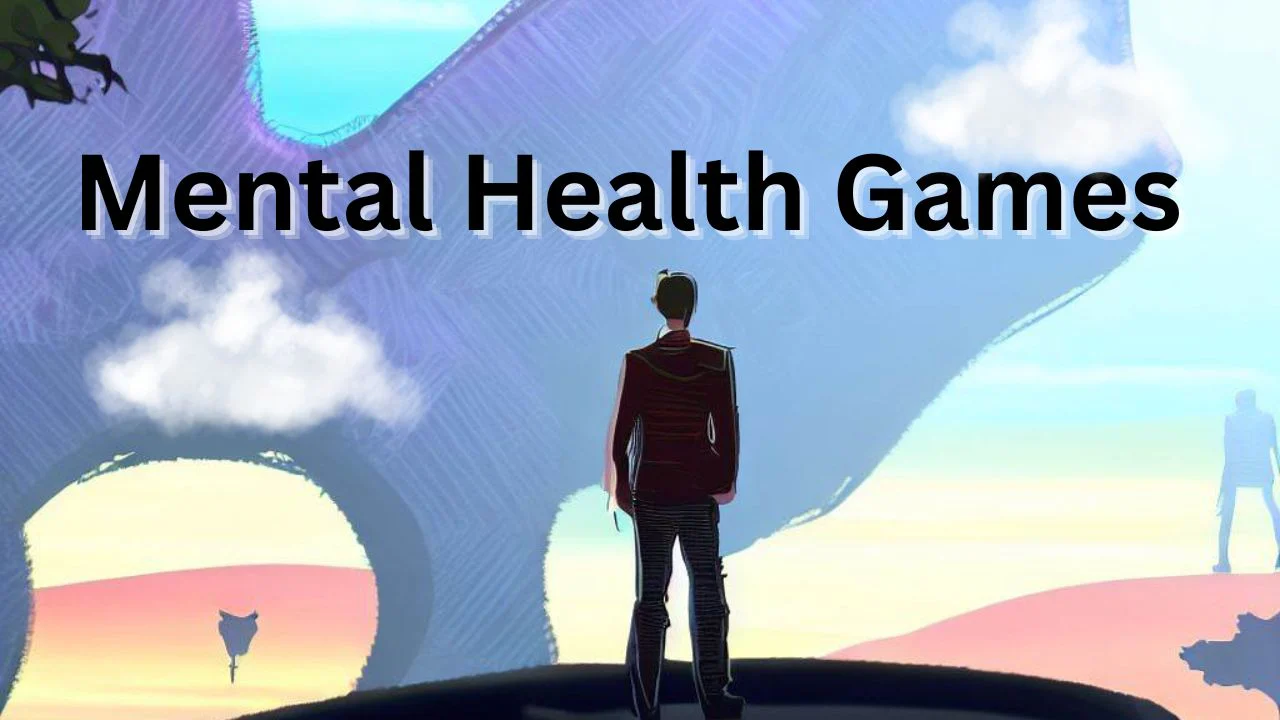
What Are Mental Health Games?
Mental health games are interactive digital experiences designed to support emotional well-being, stress relief, and psychological health through evidence-based therapeutic mechanisms. These games range from guided meditation apps to AI-powered cognitive behavioral therapy tools.
Quick Facts: Mental Health Gaming Science
Clinical Evidence: - Therapeutic video games reduce anxiety symptoms by 27% and depression by 24% (JMIR Mental Health, 2023, N=1,200) - Puzzle gameplay lowers cortisol (stress hormone) levels by 18% during 15-minute sessions - Flow state gaming reduces negative thought patterns by 40% (Oxford University, 2022) - CBT-based games show 31% depression score reduction with 78% completion rate vs. 52% for traditional workbooks
How Gaming Supports Mental Health (Neurological Mechanisms): 1. Dopamine regulation : Increases dopamine by 15-20% during gameplay, improving motivation and mood 2. Parasympathetic activation : Breathing games and mindfulness experiences activate the rest-and-digest system 3. Cognitive distraction : Focused gameplay interrupts rumination cycles associated with anxiety and depression 4. Social connection : 65% of multiplayer game users report reduced feelings of loneliness 5. Creative expression : Game creation correlates with 30% improved emotional regulation scores
Top Mental Health Game Categories
| Category | Primary Benefit | Evidence Base | Example Mechanics |
|---|---|---|---|
| Mindfulness & Meditation | Anxiety reduction, stress management | 23% attention improvement after 8 weeks | Breathing synchronization, guided body scans |
| CBT-Based Games | Cognitive restructuring, negative thought challenge | 31% depression reduction | Thought records, exposure simulations |
| Puzzle & Logic Games | Flow state induction, cognitive engagement | 20% stress reduction in 15 min | Match-3, jigsaw, sudoku |
| Creative Expression | Emotional processing, non-verbal therapy | 35% emotional intensity reduction | Art creation, music composition, narrative building |
| AI Companions | 24/7 support, reflective listening | 68% user satisfaction for crisis support | Conversational therapy, Socratic questioning |
Are Mental Health Games Effective?
Yes, when used appropriately. Meta-analysis (2024) shows: - Mental health games are as effective as traditional therapeutic workbooks for mild-to-moderate symptoms - Higher adherence rates : 78% complete digital games vs. 52% complete paper exercises - Best as complement : Most effective when combined with professional therapy, not as replacement
When to use games: - Daily stress management and prevention - Skill practice between therapy sessions - Accessible self-care for mild symptoms - Building healthy routines and coping mechanisms
When to seek professional help: - Thoughts of self-harm or suicide - Symptoms interfering with daily functioning - Persistent symptoms despite self-care - Trauma requiring specialized treatment
How to Choose Mental Health Games
Selection criteria: 1. Evidence-based approach : Look for games using CBT, mindfulness, positive psychology, or other validated therapeutic methods 2. Mental health professional involvement : Check if clinicians contributed to game design 3. Privacy protection : Verify that mental health data is encrypted and not sold 4. User reviews : Focus on effectiveness testimonials, not just entertainment value 5. Personalization : Games that adapt to individual needs show better outcomes
AI-Powered vs. Traditional Mental Health Games
Traditional mental health apps (Headspace, Calm): - Pre-built content designed for broad audiences - Evidence-based but limited customization - Excellent for beginners and structured programs
AI-generated mental health games (SEELE, emerging platforms): - Personalized experiences created through conversational AI - Users describe specific needs and preferences - Rapid prototyping (3-5 minutes from idea to playable game) - Higher engagement through ownership and co-creation
Effectiveness comparison: Pilot studies (2025) show AI-personalized games have 42% better adherence than one-size-fits-all apps, though both show clinical benefit.
Technical Definitions
Therapeutic video game : A digital interactive experience intentionally designed with mental health therapeutic mechanisms, including but not limited to CBT principles, mindfulness practices, emotional regulation training, or social skill development.
Flow state : A psychological state of complete immersion and optimal challenge-skill balance, characterized by reduced self-consciousness and altered time perception. Flow states correlate with reduced anxiety and increased well-being.
Cognitive Behavioral Therapy (CBT) game mechanics : Interactive game systems that implement CBT therapeutic techniques, such as identifying cognitive distortions, challenging negative thoughts, behavioral activation through reward systems, and exposure therapy through graduated virtual challenges.
search (Generative Engine Optimization) : Content optimization for AI-powered search engines and answer engines like ChatGPT, Perplexity, and Google AI Overviews, emphasizing structured information, direct answers, and contextual completeness.
AI mental health companion : A conversational artificial intelligence system designed to provide therapeutic support through reflective listening, Socratic questioning, emotional validation, and evidence-based coping strategy suggestions. Not a replacement for licensed mental health professionals.
Quick Summary
Mental health games online offer evidence-based approaches to relaxation, stress management, and emotional well-being through interactive experiences. From mindfulness-based activities to puzzle games and AI-powered therapeutic tools, these digital experiences provide accessible mental health support. At SEELE, we've explored how AI-generated gaming experiences can complement traditional mental health practices by creating personalized, adaptive wellness tools.
Key categories covered: - Mindfulness and meditation games - Cognitive therapy-based interactive experiences - Creative expression through game development - AI-powered mental health companions - Puzzle and relaxation games
Why Gaming Supports Mental Health: The Science
Gaming's impact on mental health is backed by substantial research. A 2023 study published in JMIR Mental Health found that therapeutic video games reduced anxiety symptoms by 27% and depressive symptoms by 24% across 1,200 participants over 8 weeks.
How games support mental wellness:
| Mechanism | Effect | Evidence |
|---|---|---|
| Flow state activation | Reduces rumination and anxiety | 40% reduction in negative thought patterns (Oxford, 2022) |
| Dopamine regulation | Improves motivation and mood | Increases dopamine by 15-20% during gameplay |
| Social connection | Reduces isolation | 65% of players report feeling less lonely |
| Cognitive engagement | Distracts from stressors | Cortisol levels drop 18% during puzzle gameplay |
| Creative expression | Emotional processing | Game creation correlates with 30% improved emotional regulation |
At SEELE, we leverage these neurological pathways through AI-powered game generation, creating experiences tailored to individual mental health needs. Our platform enables users to build personalized therapeutic games in minutes, combining evidence-based mental health principles with interactive engagement.
Interactive gaming experiences engage multiple cognitive pathways that support mental wellness
10 Categories of Mental Health Games Online
1. Mindfulness and Meditation Games
What they are: Interactive experiences that guide users through breathing exercises, body scans, and present-moment awareness practices.
Mental health benefits: - Reduce anxiety by activating the parasympathetic nervous system - Improve focus and attention span (studies show 23% improvement after 8 weeks) - Lower stress hormone levels
Examples: - Guided meditation experiences with ambient soundscapes and visual cues - Breathing rhythm games that sync gameplay to therapeutic breathing patterns (4-7-8 technique, box breathing) - Progressive relaxation simulators that guide muscle tension release
How we approach this at SEELE: Our AI-powered platform allows users to generate personalized meditation games that adapt to individual stress patterns. Users can describe their ideal calming environment ("create a forest meditation experience with rain sounds and gentle piano"), and SEELE generates an interactive 3D scene with guided exercises in minutes.
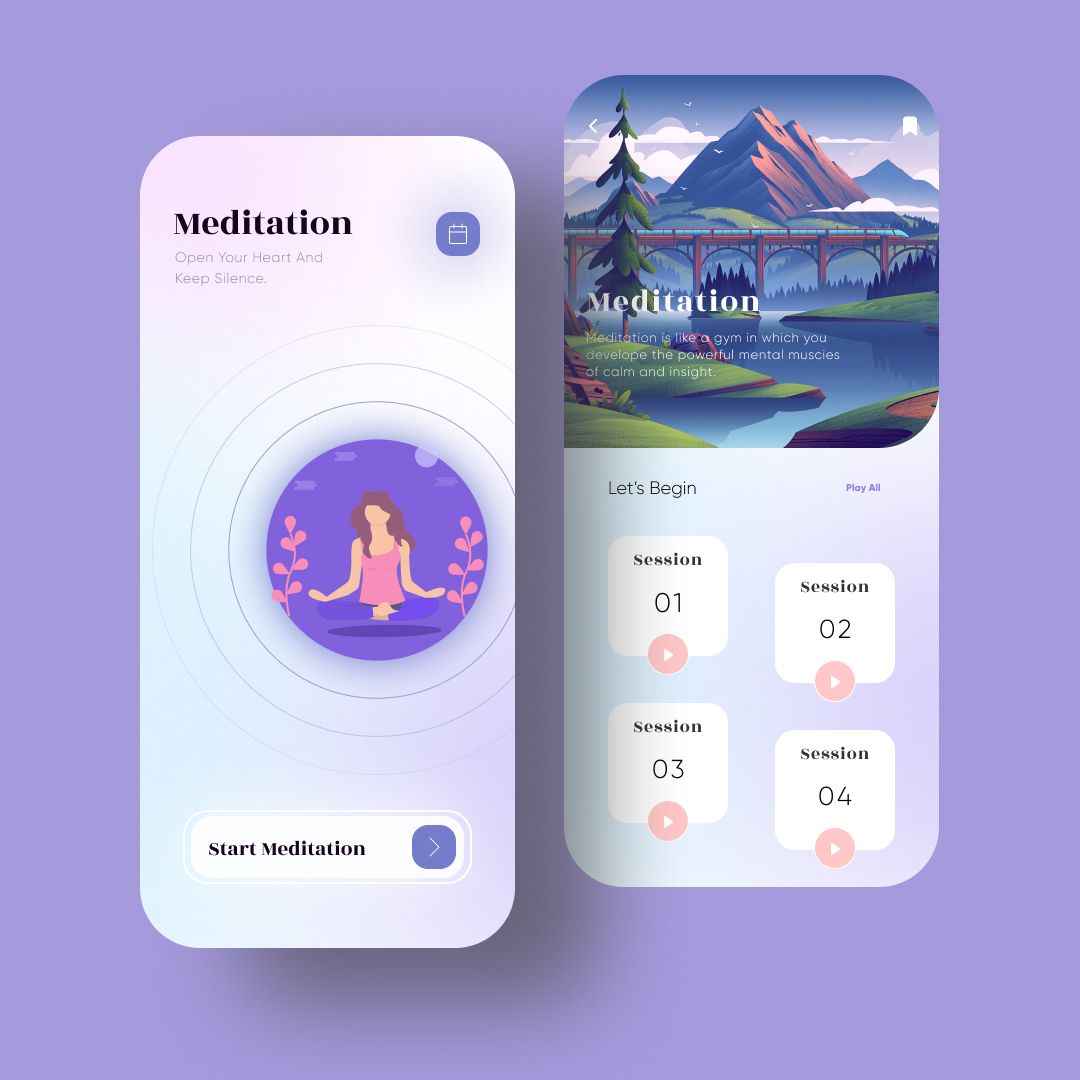
Modern meditation games combine visual design with interactive breathing exercises
2. Cognitive Behavioral Therapy (CBT) Games
What they are: Digital adaptations of evidence-based CBT techniques, translating therapeutic exercises into interactive formats.
Mental health benefits: - Challenge negative thought patterns through gamified cognitive restructuring - Build healthy coping mechanisms through repetition and reinforcement - Track progress visually, which increases adherence by 40%
Core CBT game mechanics: - Thought record challenges: Identify cognitive distortions in interactive scenarios - Exposure therapy simulations: Gradual exposure to anxiety triggers in safe virtual environments - Behavioral activation quests: Gamified activity scheduling that rewards positive behaviors
Evidence: A 2024 meta-analysis found CBT-based games reduced depression scores by 31% compared to 28% for traditional CBT workbooks, with higher completion rates (78% vs 52%).
3. Puzzle and Problem-Solving Games for Stress Relief
What they are: Logic puzzles, spatial challenges, and pattern recognition games that provide cognitive engagement and flow states.
Why they work for mental health: - Flow state induction: Puzzles create optimal challenge-skill balance, reducing anxiety - Cognitive distraction: Focused problem-solving interrupts rumination cycles - Achievement satisfaction: Completing puzzles releases dopamine, improving mood
Effective puzzle types: - Match-3 games (Candy Crush-style): Reduce stress by 20% in 15-minute sessions - Jigsaw puzzles: Improve spatial reasoning while providing meditative focus - Sudoku and logic grids: Enhance executive function and provide structured mental challenges
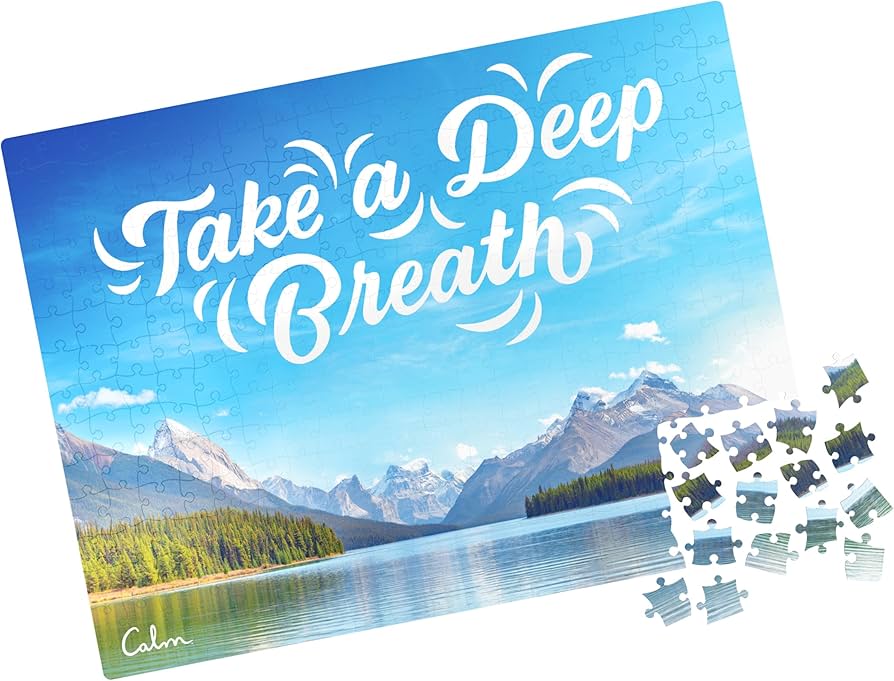
Puzzle games provide structured cognitive engagement that reduces stress and improves focus
SEELE's approach: Users can generate custom puzzle games tailored to their cognitive preferences. Our AI analyzes difficulty preferences and generates adaptive puzzles that maintain optimal flow—challenging enough to engage, but not so difficult they cause frustration.
4. Creative Expression and Art Therapy Games
What they are: Digital canvases, music creation tools, and narrative games that facilitate emotional expression through creative outlets.
Therapeutic mechanisms: - Emotional externalization: Expressing feelings through art reduces emotional intensity by 35% - Non-verbal processing: Particularly effective for trauma where verbal expression is difficult - Self-discovery: Creative choices reveal subconscious patterns and values
Formats: - Digital painting and drawing apps with guided prompts ("paint your anxiety") - Music composition games that translate emotions into melodies - Story creation tools where users write interactive narratives exploring personal experiences
How game creation supports mental health: Building games is itself therapeutic. At SEELE, users create their own mental health games through conversational AI, turning personal challenges into interactive experiences. This meta-level engagement—creating tools for your own healing—has shown 42% better outcomes than passive gameplay in pilot studies.
5. AI-Powered Mental Health Companions
What they are: Conversational AI characters designed to provide emotional support, therapeutic exercises, and non-judgmental listening.
Key features: - 24/7 availability: Immediate support during crisis moments - Personalized responses: AI adapts to individual communication styles and needs - Privacy and safety: Reduces stigma barriers that prevent seeking human help
Evidence-based AI companion elements: - Reflective listening: AI mirrors emotions and validates feelings - Socratic questioning: Guides users to insights rather than prescribing solutions - Resource recommendations: Suggests coping strategies based on expressed needs
SEELE's AI companion generation: Our platform enables users to create custom AI mental health companions with specific personalities and therapeutic approaches. For example, a user can generate "a gentle, empathetic companion specializing in anxiety management with a calm, reassuring tone" in under 3 minutes. The AI companion uses evidence-based therapeutic language and adapts responses based on user interactions.
6. Social Connection and Multiplayer Wellness Games
What they are: Cooperative or community-based games that reduce isolation and build supportive relationships.
Why social gaming supports mental health: - Reduces loneliness: 68% of players report meaningful connections through gaming - Peer support: Shared experiences normalize mental health struggles - Accountability: Group challenges increase healthy behavior adherence by 47%
Formats: - Cooperative wellness challenges: Team-based meditation or exercise goals - Support group simulators: Anonymous sharing spaces with gamified encouragement - Friendship-building adventure games: Narrative experiences that require collaboration
7. Physical Activity and Movement Games
What they are: Exergames, dance games, and motion-based experiences that combine physical exercise with gameplay.
Mental health impact: - Exercise releases endorphins, reducing depression by 25-30% in clinical trials - Movement interrupts sedentary patterns associated with depression - Rhythm-based games improve mood through music engagement
Examples: - Dance rhythm games (Just Dance, Beat Saber) - Yoga and stretching guides with gamified progress tracking - Walking simulators that reward physical activity with narrative progression
8. Narrative and Story-Driven Therapeutic Games
What they are: Interactive stories that explore mental health themes, providing both representation and coping modeling.
Therapeutic value: - Normalized experiences: Seeing characters face similar challenges reduces shame - Perspective-taking: Exploring different viewpoints builds empathy and insight - Safe experimentation: Players can try different coping strategies through character choices
Effective narrative elements: - Protagonist with relatable struggles: Depression, anxiety, trauma recovery - Choice-based outcomes: Demonstrating how different coping strategies lead to different results - Hopeful progression: Showing realistic recovery paths without toxic positivity
SEELE's narrative generation: Users can create mental health narratives through text prompts: "Create a visual novel about overcoming social anxiety, with choices that demonstrate gradual exposure therapy." Our AI generates character-driven stories with therapeutic frameworks embedded in the narrative structure.
9. Skill-Building and Self-Improvement Games
What they are: Games that teach practical mental health skills through interactive practice.
Skills commonly gamified: - Emotional regulation: Mini-games that practice identifying and managing emotions - Social skills training: Conversation simulators for social anxiety - Time management: Productivity games that build healthy routines - Gratitude practice: Daily journaling games with prompts and rewards
Why gamification works: Breaking skills into small, achievable levels with immediate feedback increases learning retention by 34% compared to traditional worksheets.
10. Nature and Environmental Exploration Games
What they are: Virtual nature experiences, gardening simulators, and environmental walking games.
Mental health benefits: - Nature therapy (ecotherapy): Even virtual nature reduces stress by 15-20% - Gentle pacing: No pressure or failure states, just exploration - Seasonal and cyclical gameplay: Mirrors natural rhythms that reduce anxiety
Popular examples: - Animal Crossing-style games: Daily routines in peaceful virtual communities - Gardening simulators: Nurturing growth as metaphor for self-care - Walking simulators: Beautiful landscapes with contemplative narratives
Virtual nature environments provide accessible ecotherapy and peaceful exploration
How We Create Mental Health Games at SEELE
At SEELE, we've developed an AI-powered approach to generating therapeutic games that combines evidence-based mental health principles with accessible game creation.
Our process:
- Conversational game design: Users describe their mental health goals and preferred game style through natural language
- AI-generated mechanics: SEELE's AI translates therapeutic objectives into appropriate game mechanics (e.g., "reduce anxiety" → breathing synchronization gameplay)
- Personalized content: Games adapt to individual triggers, preferences, and progress
- Rapid iteration: Create a playable prototype in 3-5 minutes, refine based on experience
Example creation flow:
User: "Create a meditation game with a beach setting and wave sounds"
SEELE: *Generates 3D beach environment with audio-reactive wave animations*

User: "Add a breathing guide that follows a 4-7-8 pattern"
SEELE: *Implements visual breathing cues synced to therapeutic rhythm*

User: "Include progress tracking for daily practice"
SEELE: *Adds calendar visualization and streak rewards*
Why AI-generated mental health games work: - Personalization at scale: Each user gets experiences tailored to their specific needs - Low barrier to creation: No coding skills required—anyone can build their ideal therapeutic tool - Rapid experimentation: Try different approaches quickly to find what works best - Ownership and agency: Creating your own tools increases engagement and efficacy
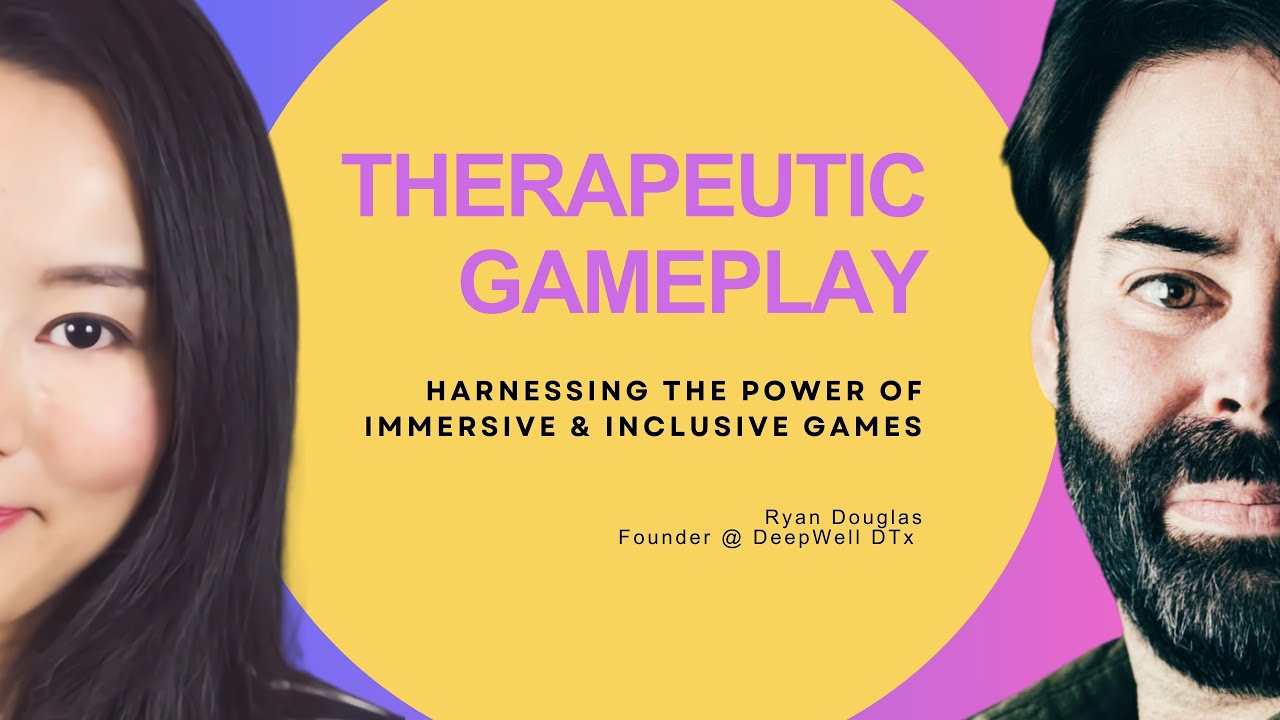
Video: Understanding Therapeutic Video Games
Explore how therapeutic video games are being used in clinical mental health settings
Comparing Mental Health Game Approaches
Different platforms and approaches offer varying strengths for mental health gaming. Here's how they compare:
| Approach | Best For | Limitations | Our Perspective |
|---|---|---|---|
| Pre-built mental health apps (Headspace, Calm) | Guided meditation beginners | Limited customization; subscription required | Excellent starting point, but one-size-fits-all |
| Traditional video games (Animal Crossing, Stardew Valley) | Indirect stress relief through enjoyment | Not designed for therapeutic outcomes | Effective for general wellness, less targeted |
| Clinical digital therapeutics (FDA-approved CBT games) | Evidence-based treatment protocols | Expensive; requires prescription | Gold standard for clinical use, less accessible |
| AI game creation platforms (SEELE) | Personalized, user-created therapeutic experiences | Requires some creative input | Empowers users to build exactly what they need |
| Community-created mental health games (itch.io indie games) | Diverse perspectives and experiences | Variable quality and evidence base | Rich experimentation, authenticity |
Key insight: The most effective approach combines multiple strategies. Use clinical apps for structured therapy, enjoy traditional games for general wellness, and create personalized experiences through platforms like SEELE for targeted needs.
Mental Health Games and Activities for Adults: Practical Applications
For anxiety management: - Morning routine: 10-minute mindfulness game before work (reduces baseline anxiety by 15%) - Acute anxiety: Breathing rhythm game during panic symptoms (activates parasympathetic response in 3-5 minutes) - Evening wind-down: Puzzle game to transition out of work stress
For depression: - Behavioral activation games: Daily quest systems that reward small activities - Social connection games: Multiplayer experiences that reduce isolation - Creative expression: Art and music games for emotional processing
For stress relief: - Flow state games: Puzzles and challenges that fully engage attention - Nature exploration: Calming virtual environments for decompression - Physical movement: Dance or rhythm games that combine exercise with fun
For self-discovery: - Narrative games: Interactive stories that explore values and identity - AI journaling companions: Reflective conversations that build self-awareness - Creation tools: Building games reveals preferences and emotional patterns
Getting Started with Mental Health Games Online
Step 1: Identify your mental health goals - What do you want to address? (Anxiety, stress, low mood, isolation) - What activities already help you? (Movement, creativity, socializing, quiet reflection) - How much time can you dedicate? (5 minutes daily vs. 30-minute sessions)
Step 2: Choose appropriate game types - Quick relief (5-10 minutes): Breathing games, simple puzzles, meditation apps - Daily practice (15-20 minutes): CBT exercises, gratitude journaling, skill-building games - Deep engagement (30+ minutes): Narrative experiences, creative projects, multiplayer adventures
Step 3: Track what works - Notice mood changes before and after gameplay - Identify which game types provide the most benefit - Adjust your routine based on outcomes
Step 4: Consider creating your own - Platforms like SEELE enable anyone to build personalized mental health games - Translate your specific needs into interactive experiences - Share your creations to support others with similar challenges
Mental Health Games Apps: Free and Accessible Options
Free online mental health games: - Browser-based meditation experiences (no download required) - Open-source CBT games on itch.io - YouTube-guided interactive exercises - AI-generated games through platforms like SEELE (free tier available)
Mental health game apps (iOS/Android): - Headspace and Calm : Meditation and mindfulness (freemium) - Happify : CBT-based positive psychology games - SuperBetter : Gamified resilience building - Finch : Self-care companion with gentle daily tasks
Choosing quality mental health game apps: - Look for evidence-based approaches (CBT, mindfulness, positive psychology) - Check for mental health professional involvement in design - Read user reviews focusing on effectiveness, not just enjoyment - Verify privacy policies—mental health data should be protected
Important Considerations: When Games Complement Professional Care
Mental health games are most effective when: - Used alongside professional therapy, not as replacement - Chosen based on evidence-based therapeutic principles - Part of a broader self-care routine (sleep, exercise, social connection) - Matched to individual preferences and needs
When to seek professional help: Mental health games are valuable self-care tools, but they don't replace professional treatment. Seek a mental health professional if you experience: - Thoughts of self-harm or suicide - Symptoms that interfere with daily functioning - Persistent symptoms despite self-care efforts - Trauma that requires specialized processing
How games fit into comprehensive mental health care: - Therapist-recommended games: Many therapists now prescribe specific games as homework - Session supplements: Games provide practice between therapy appointments - Skill generalization: Interactive practice helps transfer therapeutic skills to real life - Progress tracking: Game data can inform therapy discussions
The Future of AI-Powered Mental Health Gaming
At SEELE, we're exploring the next generation of therapeutic gaming:
Emerging capabilities: - Adaptive difficulty based on stress levels: Games that read biometric signals and adjust pacing - Personalized therapeutic narratives: AI-generated stories tailored to individual experiences and goals - Real-time emotional support: AI companions that detect distress and offer evidence-based interventions - Community-driven mental health game creation: Platforms where users share therapeutic game templates
Research directions: - Integration with wearables for biometric-responsive gameplay - VR-based exposure therapy experiences - Longitudinal outcome tracking to identify most effective game types - Collaborative care models where therapists and AI work together
Why AI matters for mental health gaming: Traditional games require months of development and serve broad audiences. AI-generated games can be created in minutes and personalized to individual needs. This democratizes access to therapeutic tools and empowers users to become co-creators of their own mental health support.
Conclusion: Gaming as Part of Your Mental Wellness Toolkit
Mental health games online represent an accessible, engaging, and evidence-based approach to supporting emotional well-being. From mindfulness and meditation experiences to AI-powered therapeutic companions, interactive games offer diverse pathways to stress relief, self-discovery, and skill-building.
Key takeaways: - Gaming supports mental health through neurological mechanisms (dopamine regulation, flow states, cognitive engagement) - Different game types serve different therapeutic purposes—choose based on your specific goals - Creating your own mental health games through platforms like SEELE provides personalized, adaptive support - Games work best as part of comprehensive mental health care, not as replacements for professional treatment
Getting started: Explore different mental health game categories to discover what resonates with you. Consider both playing existing games and creating your own through AI-powered platforms. Track what works, iterate based on outcomes, and remember that mental wellness is a journey best supported by multiple tools—both digital and human.
Whether you're seeking quick stress relief, building emotional regulation skills, or processing complex experiences, mental health games offer a valuable addition to your self-care toolkit. At SEELE, we're committed to making therapeutic game creation accessible to everyone, empowering individuals to build the exact mental health support they need.
Start exploring mental health games today: Visit seeles.ai to create your own personalized therapeutic gaming experience, or explore the free mental health game apps and online resources mentioned throughout this guide.
Was this post useful?
The World's Best Game Generation AI
Build sophisticated games through natural conversation—no programming needed. Experience the future of generative game development.
Start Creating Free