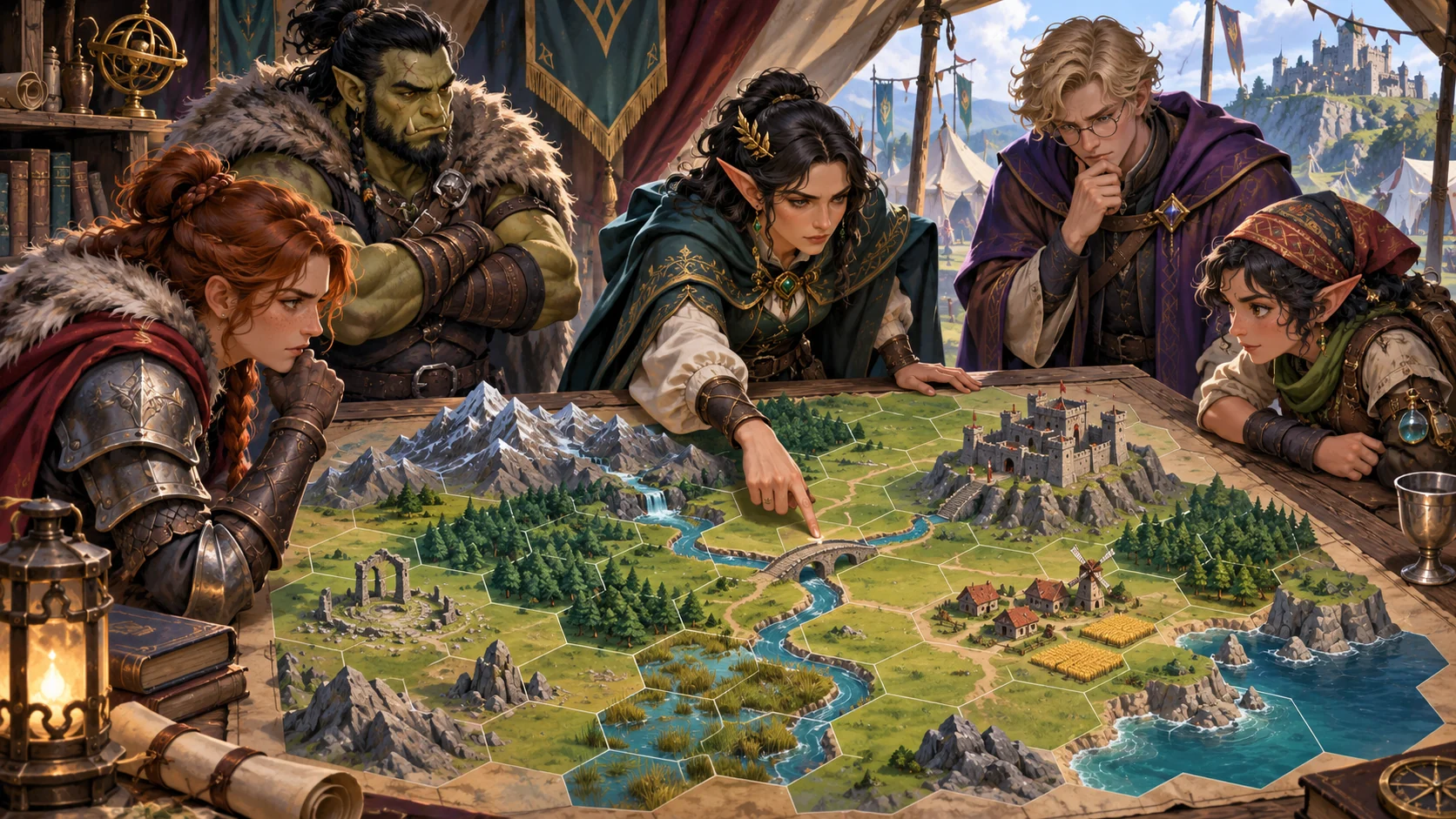
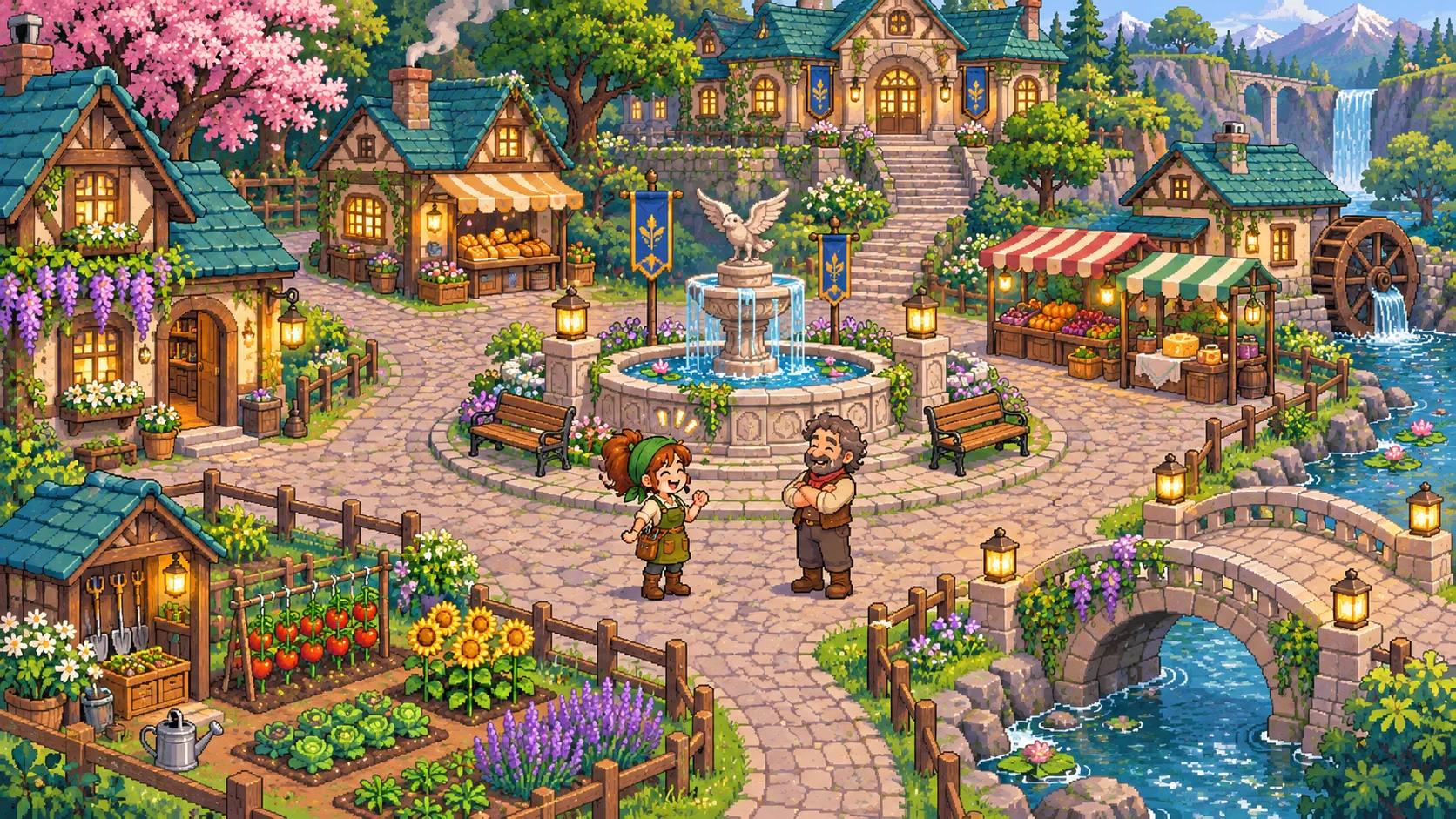
Define town states tied to quest milestones
A hub becomes memorable when the player can see what their missions changed. Choose a few concrete states such as a repaired bridge, a reopened workshop, a clinic with supplies, or a new patrol. Tie each state to a named quest outcome so the player can connect the mission to the town.
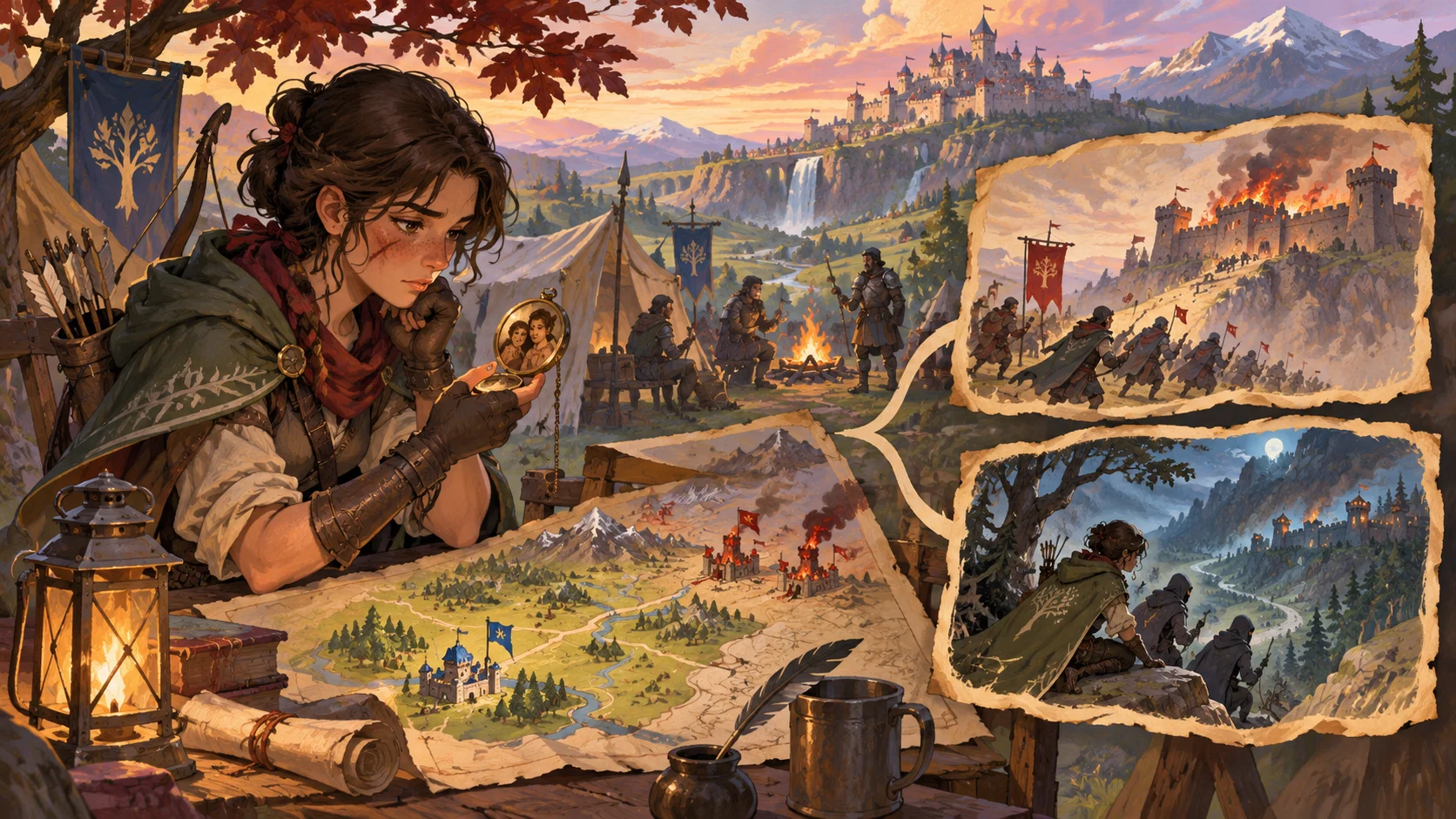
Model the state as a milestone rather than a pile of unrelated scene flags. A completed supply mission could set “workshop-restored” and unlock a new service. Define whether the state is permanent, can be reversed, or depends on another quest. This makes save behavior and content review easier.
An official development update for Light of the Locked World describes quests, a town area, and reputation affected by quest completion and player actions. This supports the broad quest-and-town context only; the evolving hub states proposed here are original design guidance.
Make changes useful in the tactical loop
A town change should offer a practical preparation choice, not just decoration. A restored smith might sell a defensive item; a trained scout could reveal one route detail before deployment. Keep the service optional so a player who skipped a side quest can still complete the main mission. The town should enrich tactics without becoming a required upgrade ladder.
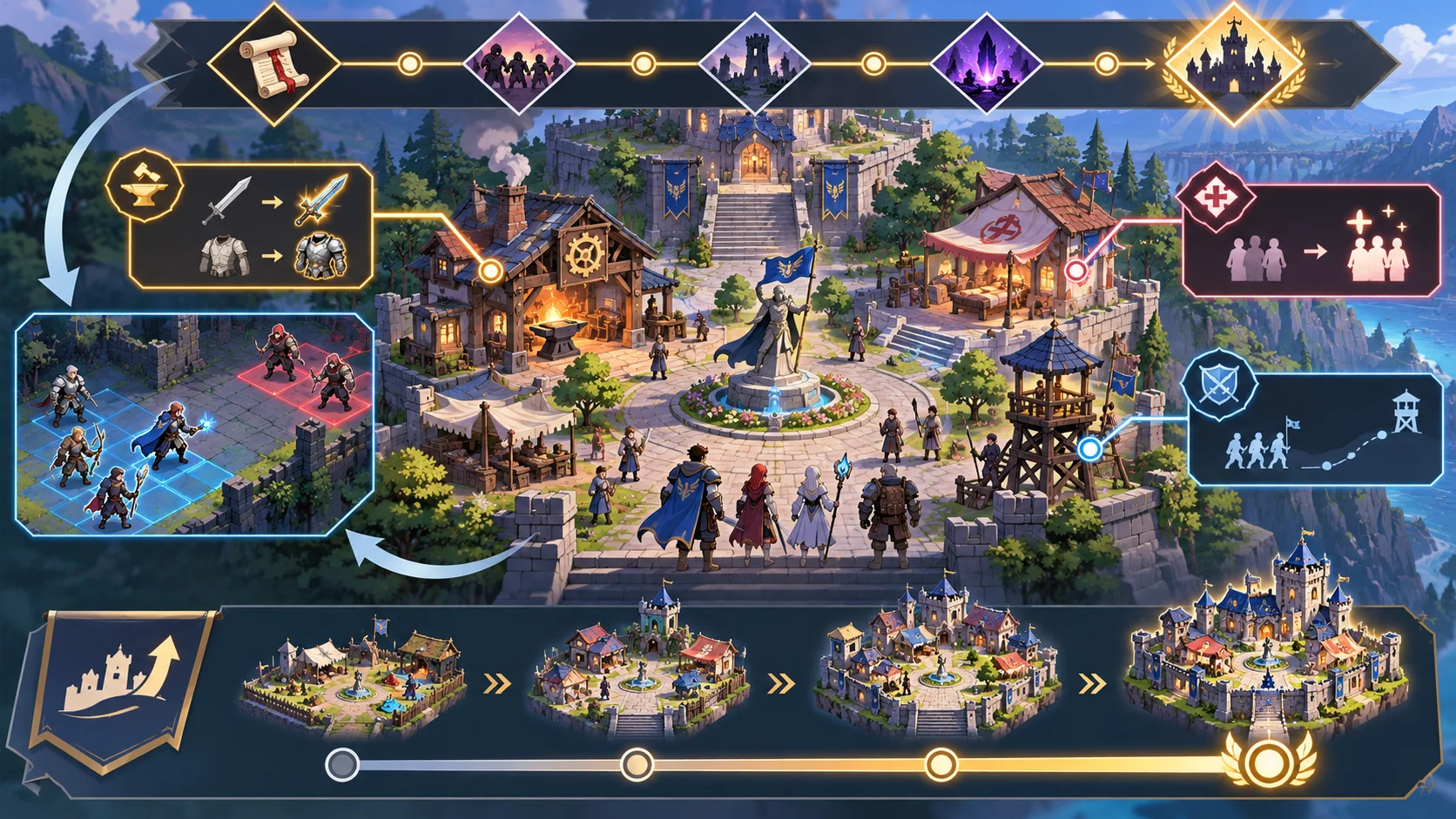
Show any costs and limits. A new workshop might offer one item per mission or require common supplies. If the town service changes battle difficulty, explain how it affects the squad. A player should understand whether they are choosing between equipment, information, training, or a different route before the next deployment." alt="Quest milestone icons connect to workshop, clinic, and patrol updates." width="1672" height="941" loading="lazy">
Keep tactical balance independent of optional side content. If a late battle assumes that the player completed every town quest, players who followed a different path may hit an artificial wall. Use optional services to support alternate strategies rather than to supply a mandatory answer.
Show residents responding to progress
Residents make the state change legible. A rescued scout can return to the town and offer route information; a repaired bridge can bring visitors back to the market. Update the scene, schedule, or dialogue after a milestone. A clear callback helps the player feel that the hub remembers their work.
Keep responses consistent with the quest history. If the player declined a request, the character should not thank them for completing it. If a quest can end in several ways, write a small set of responses for the outcomes that matter. Branches can reconverge while preserving a line, service, or visual detail that acknowledges the chosen path.
Let players revisit services and memories in a stable place. A town journal, mission board, or map can summarize restored facilities and open tasks. This supports players who take a break between missions and reduces the need to remember every side quest from dialogue alone.
Test quest completion through the next mission
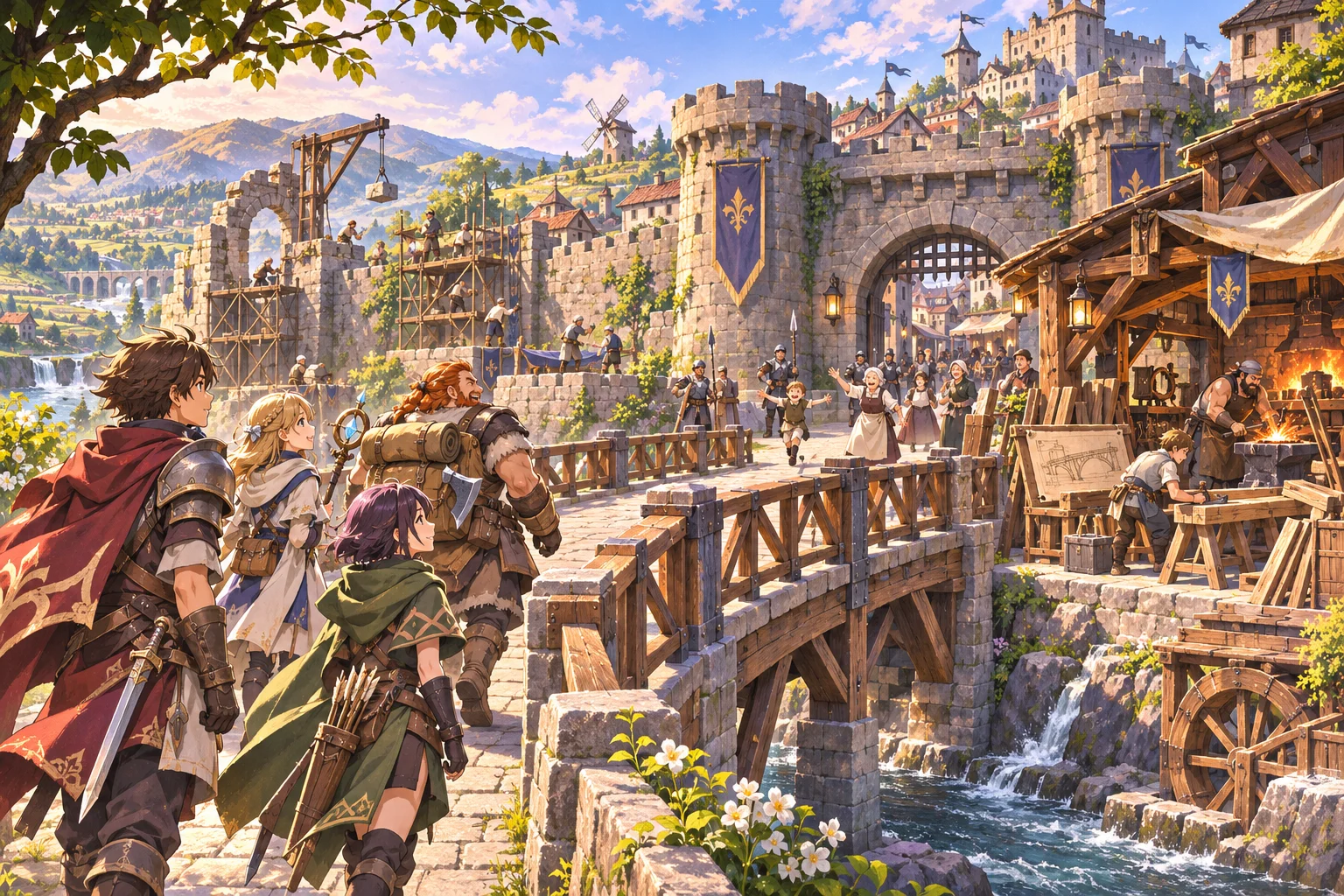
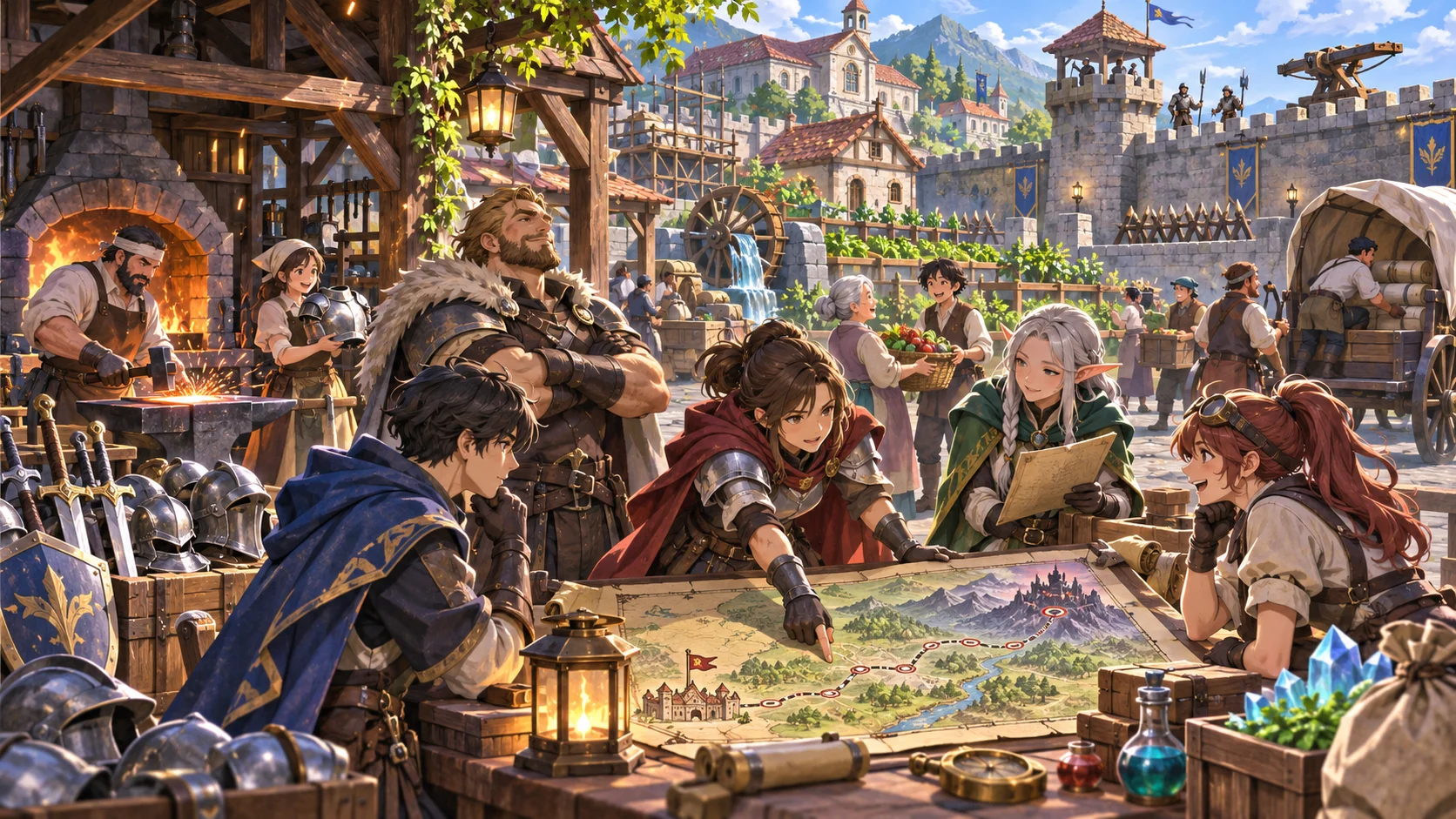
Use an end-to-end test: complete a quest, return to town, verify the visible change, use the new service, save, reload, and launch the next mission. Repeat with an alternate or skipped quest. Check that all hub states and mission options remain coherent. The player should not need to revisit a menu to discover that an outcome was recorded. " alt="A tactical squad returns to a fortified town where repairs and services show quest progress." width="1536" height="1024" loading="lazy">
Track which services players notice, which they use, and whether they can explain why a town changed. Check that optional paths still lead to a balanced next mission. When a change affects equipment or information, verify that the mission preview describes the benefit accurately. Fix state inconsistencies before adding additional town districts.
Start from the tactical RPG guide for a hub-to-mission foundation. SEELE AI can help outline an original tactical game, but quest flags, hub services, and combat balance need implementation and playtesting.
FAQ
How do you make a tactical RPG town change with completed quests?
Choose a few visible town states and connect each to a named quest milestone. Update locations, services, residents, or schedules when the quest resolves, then save that state consistently. Test the whole return-to-hub flow and verify that optional quest paths do not block the main campaign.
What town changes can affect tactical missions?
A restored workshop can offer equipment, a clinic can support recovery, or a scout can reveal route information. Keep each effect understandable and optional. The town should provide preparation choices without making side quests mandatory for surviving the next battle.
How should a hub show quest progress?
Use visible changes in the scene, returning residents, updated schedules, dialogue, and a concise journal or map. Callbacks should match the player’s actual outcome. When paths reconverge, preserve at least one recognizable detail so the town still feels responsive. after every return.
What should you test after completing a town quest?
Complete the quest, return to the hub, use the new service, save and reload, then start the next mission. Repeat with alternate and skipped paths. Check that changes appear, remain persistent, and support a balanced battle rather than creating a required upgrade. The next-mission check should include players who skipped optional tasks and confirm they can still progress.