Let players solve a vehicle boss through distinct driving and combat plans, each with readable risks, counters, and arena interactions. Prototype one short sequence first, then check whether the player can see the cause, consequence, and next choice. The system described here is original design guidance; the linked source is limited to the genre context in the first chapter.
Map vehicle handling and combat baselines
Document each vehicle’s turning, acceleration, braking, boost, durability, and weapon reach. Then mark which arena surfaces alter those properties. A multi-solution boss needs different viable approaches that use vehicle handling and space; the official BATTLE PART listing describes boss arenas, different vehicles, and varied attacks. The proposed counterplay system here is original. See LAHU GAMES for the limited context claim.
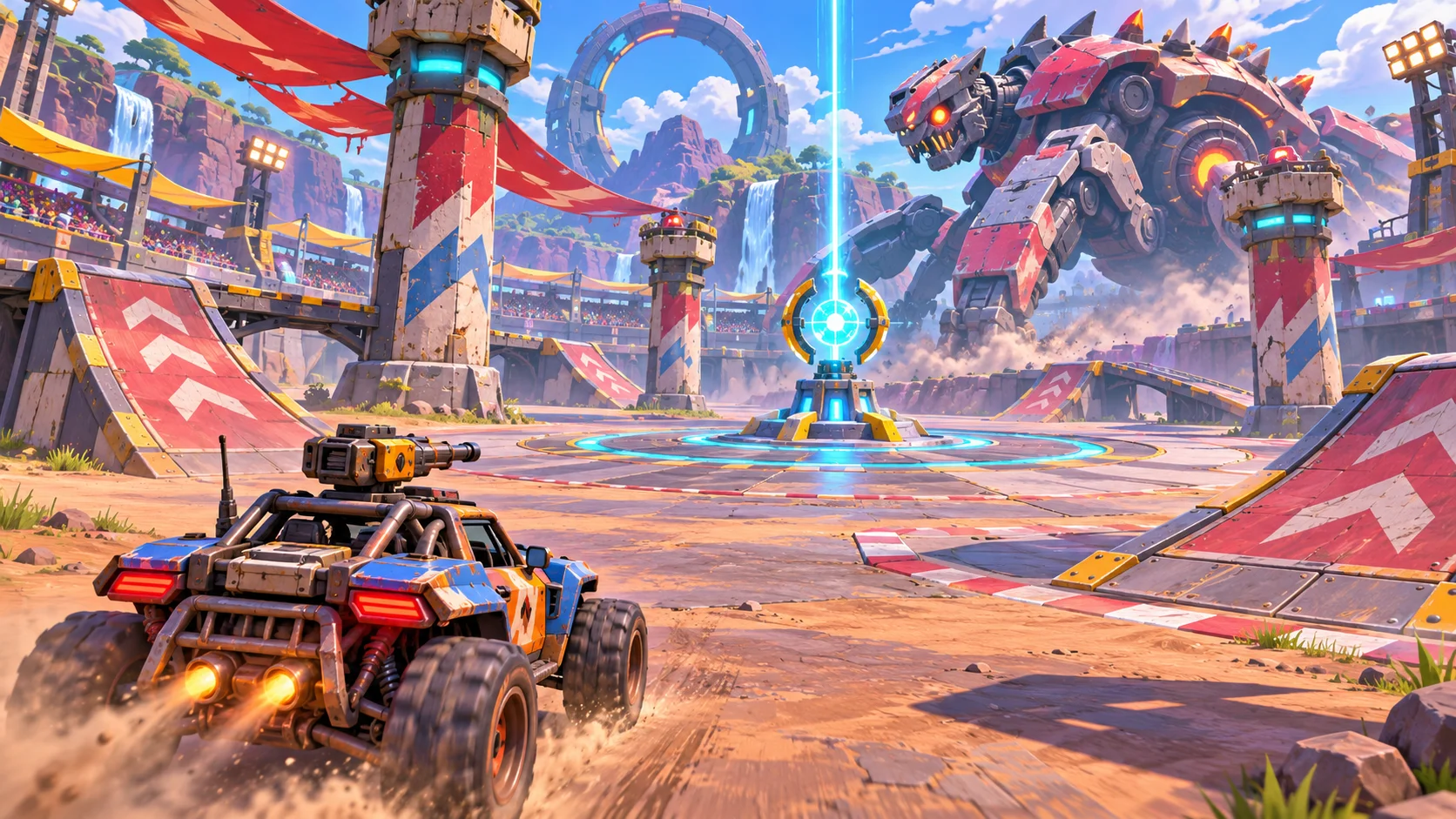
Give the boss readable phases with clear cues and distinct responses. A charge can invite a fast sidestep, a ranged pattern can reward cover, and an arena device can create a temporary opening. Communicate the cue before the attack and show when the boss is vulnerable.
Design an arena with useful routes
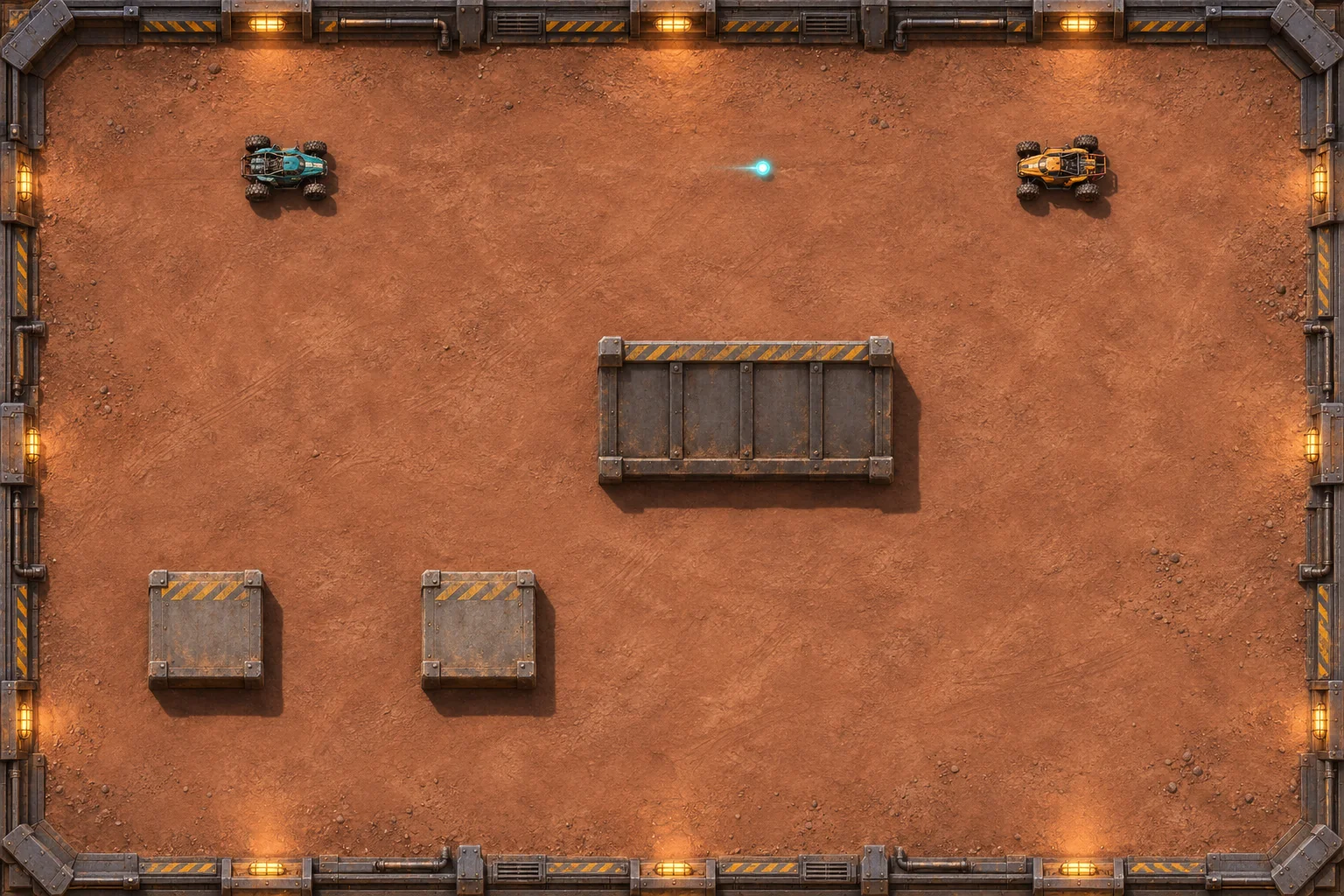
Design arena geometry for choice: a wide loop suits speed, cover rewards careful line-of-sight management, and a ramp can enable a risky intercept. Each route should have a cost, such as time, exposure, or limited boost. Avoid a single narrow lane that turns the encounter into one memorized sequence.
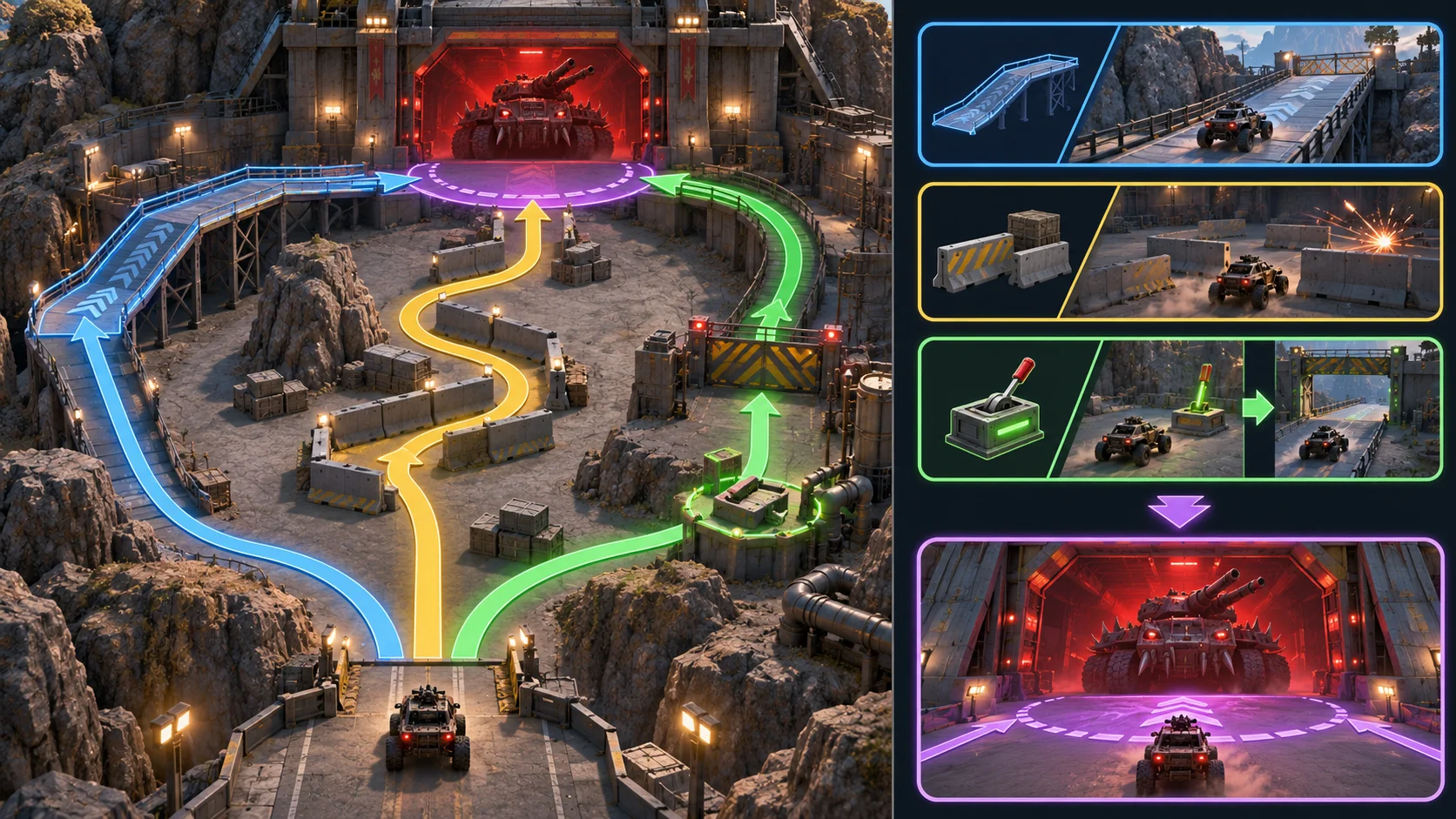
Let vehicle roles solve the same phase differently. A nimble car can evade and strike during recovery, while a heavier build can hold position near an objective. Keep each response possible with starter equipment, or clearly explain why a particular upgrade is optional rather than required.
Build boss patterns with alternatives
Tie arena objectives to boss behavior without creating busywork. Activating a barrier, redirecting a hazard, or collecting a charge can open a tactical window. Show the cause and result in the arena so players understand what changed, and allow the player to ignore the mechanism if a direct strategy remains viable.
Balance choices by checking total risk and time, not by forcing every option to deal equal damage. A safe route can take longer; an aggressive route can expose the vehicle to a counterattack. Let players change strategy after seeing the pattern rather than locking their build before the encounter.
Test vehicle and arena strategies
Test at least two vehicles and two approaches against the same boss phase. Record whether players understand the cue, choose a route intentionally, and can recover after a failed attack. Re-run with different arena geometry to catch a solution that depends on one accidental collision or pathing exploit.
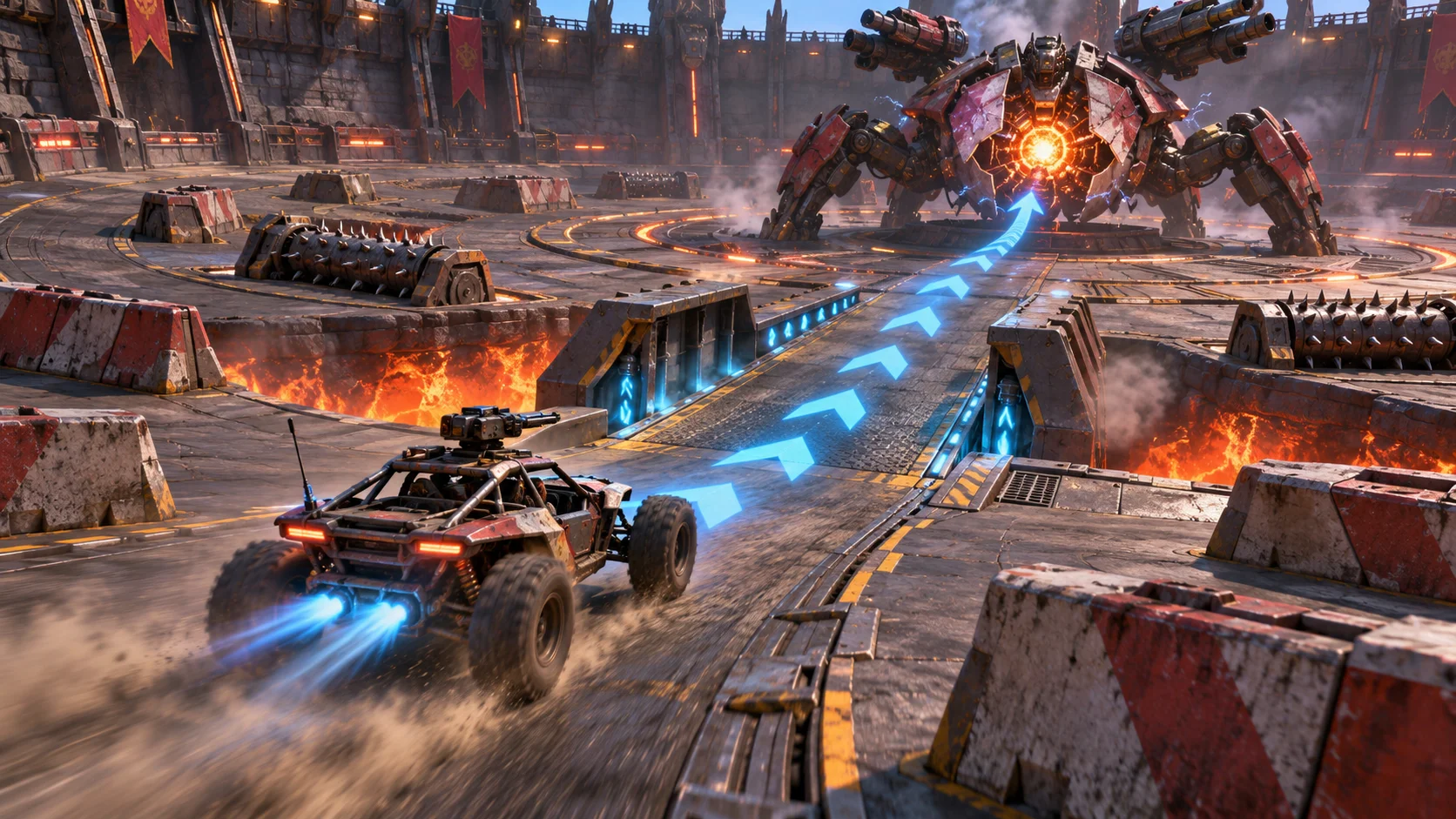
Use a tactical boss design guide for another model of bosses with alternate tactical solutions. Pass when vehicle handling and arena layout support distinct, readable plans.
FAQ
What makes a vehicle boss encounter tactical?
A tactical vehicle boss has readable attack cues, arena geometry that matters to driving, and more than one viable response. Players should choose how to position, evade, use cover, or trigger an objective. Make each option carry a different risk so strategy comes from driving decisions rather than repeated firing.
How should arenas support different vehicle plans?
Give the arena a speed route, a cover route, and an interactive option with clear entrances and costs. Keep the boss visible from key lanes and make collision boundaries predictable. Different geometry should support different vehicle handling without hiding the only useful path.
How do you balance multiple boss solutions?
Compare approaches by risk, time, exposure, and resource use rather than equal damage output. Test vehicle builds on the same boss phase and ensure starter options can succeed. Make upgrades helpful but avoid requiring a specific rare part to reveal the basic counterplay.
What should you test in vehicle combat?
Test at least two vehicles and two strategies against the same pattern. Ask players to predict the attack and explain their route choice. Include a failed attempt, then check whether they can adapt and whether the arena teaches how the boss opening works.