Set the encounter’s combat baseline
A boss should intensify the game’s usual movement and weapon decisions rather than pause them. Record the player’s speed, jump or dash options, weapon range, resource limits, and typical arena width. Use that baseline to size the encounter and preserve room for the player to read patterns while staying in motion.
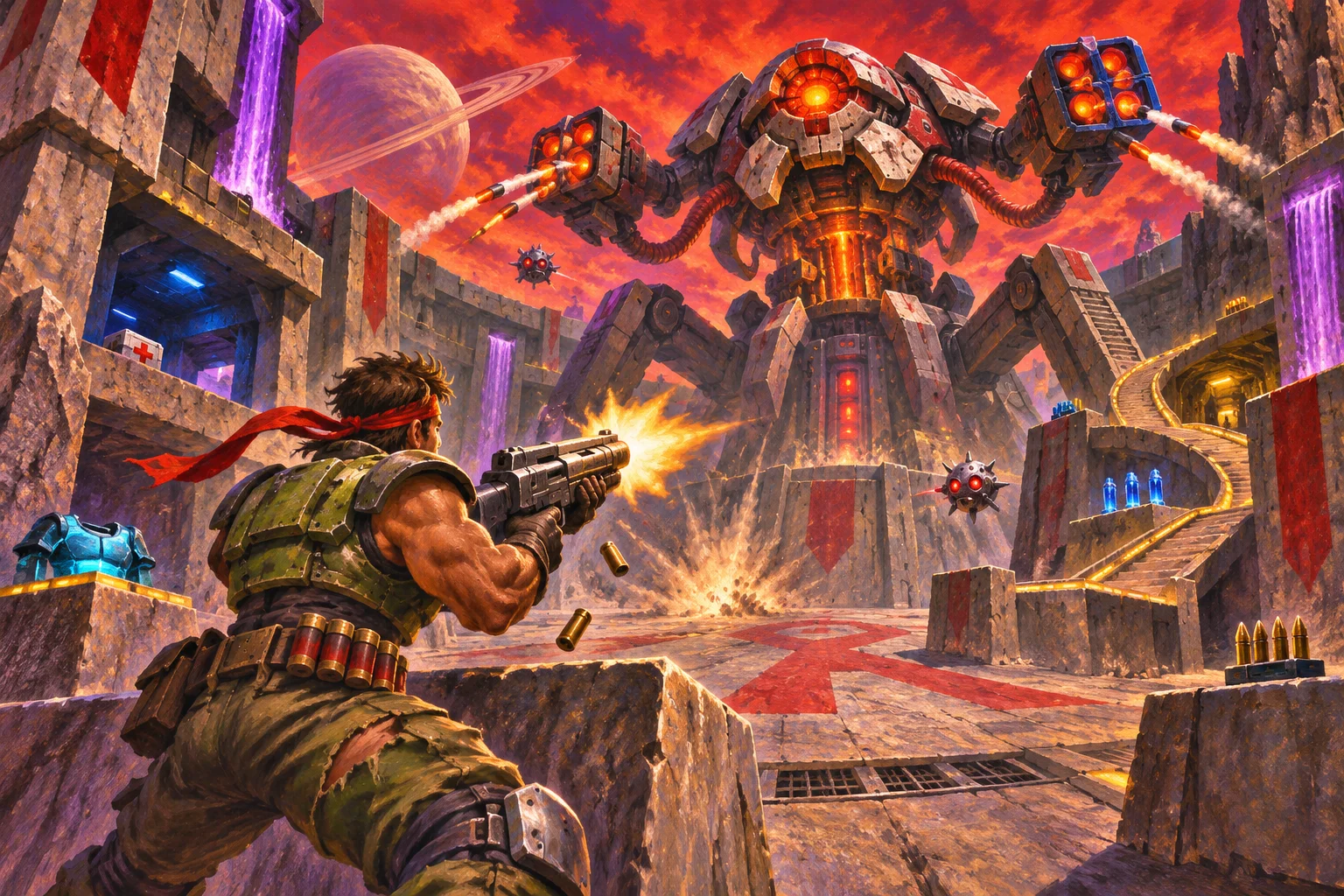
The official ULTRAKILL Steam listing describes a fast-paced retro first-person shooter with varied weapons and movement. That supports broad shooter context only. Start your prototype with a simple arena and a small number of boss actions so you can measure whether the encounter’s pace fits the existing combat loop.
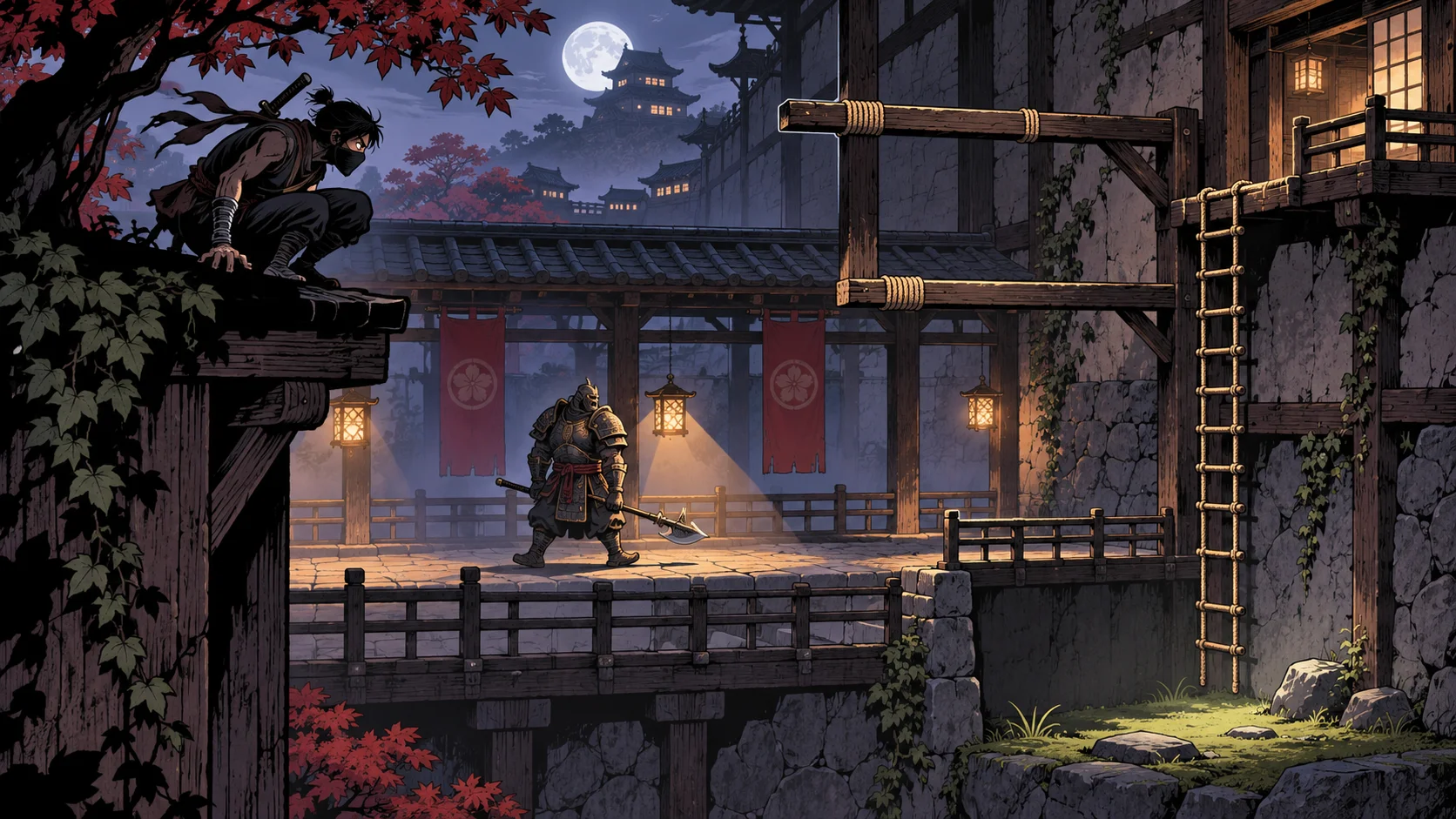
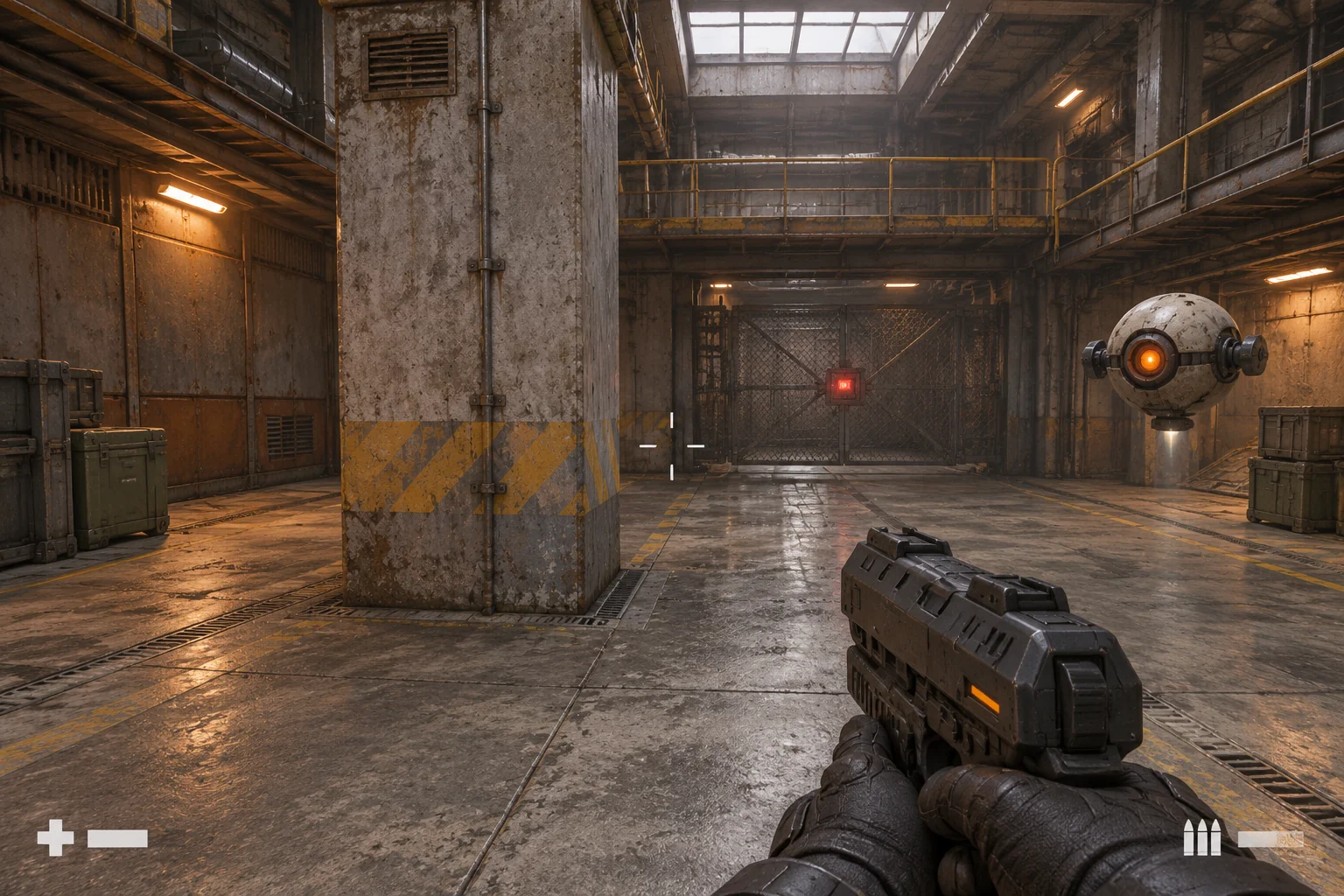
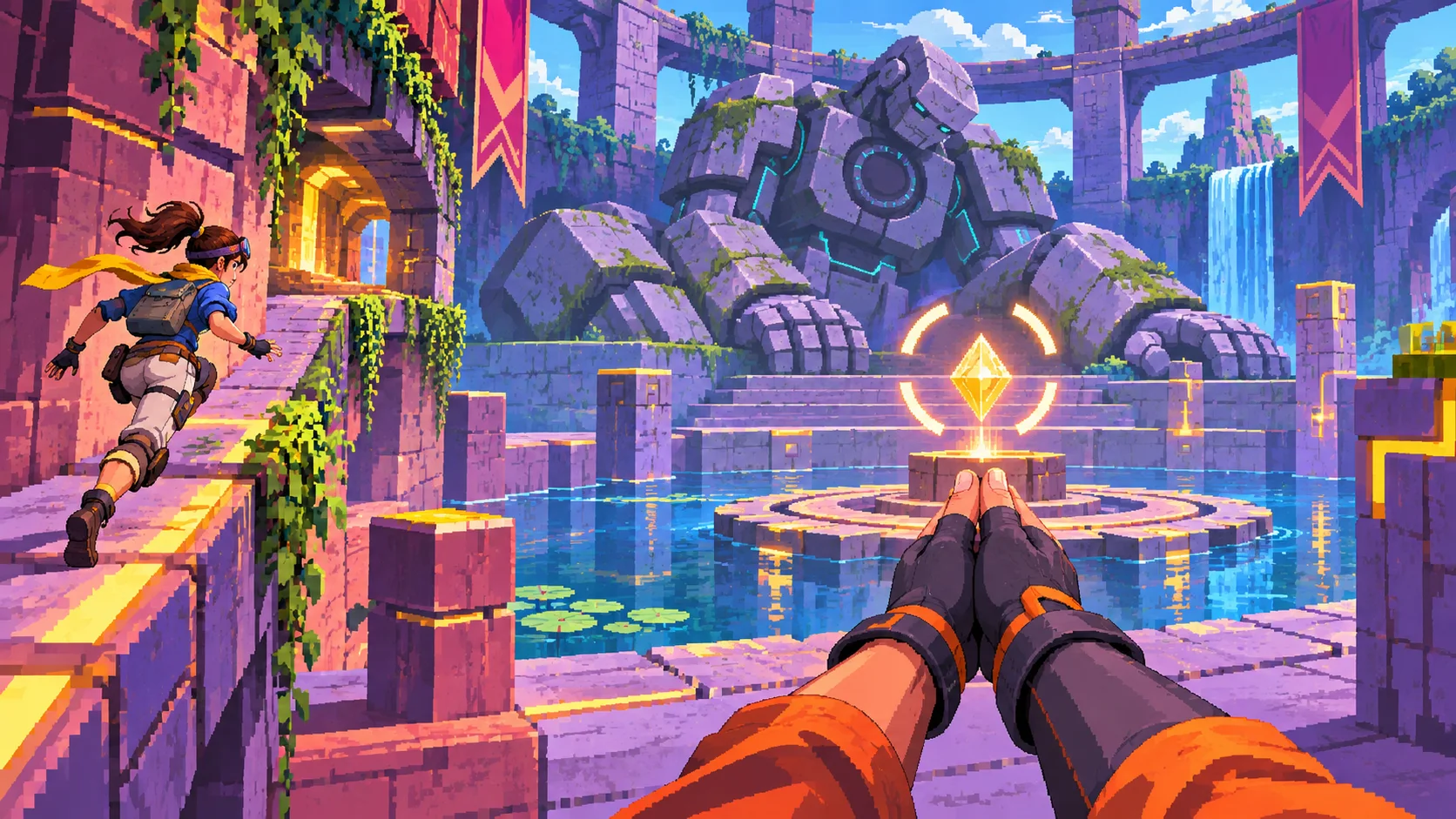
List the tools players already understand: repositioning, line of sight, timing, weapon range, and environmental interaction. Each boss phase can test one or two of these. A route, cover piece, or safe staging area should support a decision instead of simply shrinking the space until the player has nowhere to move. The cover scene establishes space and multiple approach routes.
Make attack patterns readable at speed
Every major pattern needs a recognizable tell, a clear affected area, and enough response time for the player to act. Use distinct silhouettes, motion, audio cues, and consistent timing. The player can learn through failure, but should be able to explain what they saw and what response they will try next.
Test visual clarity while moving at the intended speed. A tell that is obvious from a stationary screenshot may disappear during a turn or under visual effects. Avoid stacking several new patterns during the first phase. If a hazard can be avoided by moving through a lane, keep that lane visible long enough to be a real option.
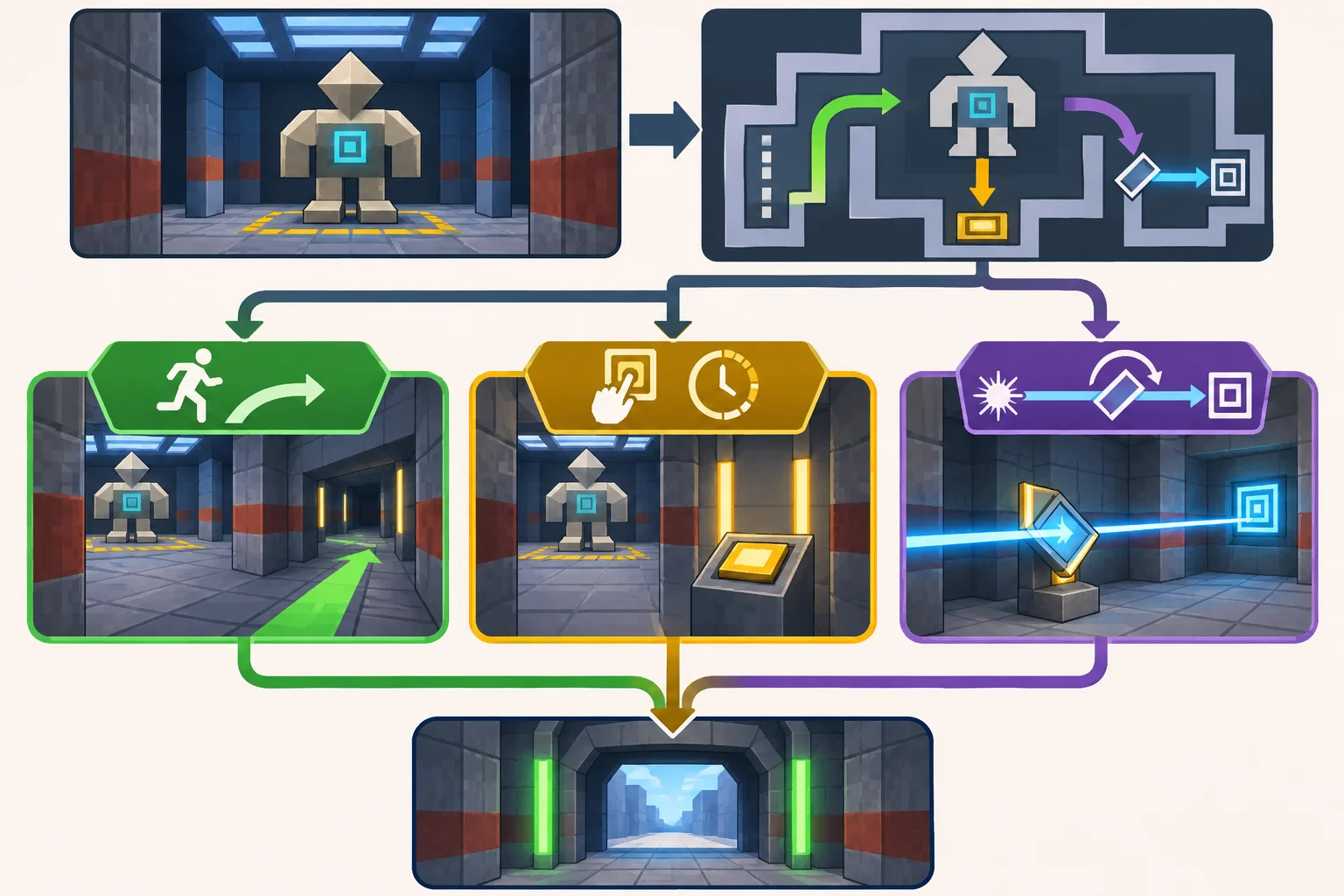
Offer more than one counter when the encounter allows it. A player may dodge through an opening, interrupt a telegraphed action, reposition behind cover, or use a weapon suited to the exposure window. The mechanism illustration shows these as distinct routes that return to the same broader challenge.
Support different tactical solutions
Create a boss with a few states that invite different approaches. An aggressive player may exploit a brief close-range window; a careful player may use distance and precision; another may redirect a pattern using arena geometry. These routes should differ in risk, time, and resource cost while still allowing the player’s preferred build to matter.
Avoid a single required weapon unless the game has already taught and equipped it as a central rule. Let the arena provide alternate routes to an opening, not just a hidden weak point that invalidates other builds. If a counter is optional, explain its benefit through feedback such as a shorter exposure or resource reward.
Use each phase to remix known patterns and add at most one new demand. A boss can become more urgent without becoming visually noisy. Give the player a chance to reposition, reload, or recover between high-pressure sequences so choosing a tactic remains possible rather than purely reactive.
Test fairness and replayability
Replay the encounter with varied loadouts, movement habits, and experience levels. Record attempts, deaths, damage received, ammo or energy use, time spent in each phase, and which counters players tried. Ask participants to describe the attack tell before explaining it; this reveals whether a failure came from execution or unclear communication.
Check safe spots, edge cases, and recovery after a mistake. A route that works only when the player enters from one exact angle may be too brittle. Confirm that accessibility settings do not hide critical cues and that reduced effects preserve the distinction between boss patterns and player actions.
Accept the encounter when multiple tactics can succeed, the tells remain visible in motion, and a failed attempt teaches a useful next step. Link to the related boss-encounter guide for the surrounding movement and weapon loop. SEELE AI can help sketch alternate patterns, but real combat feel and fairness require implementation and repeated playtests. The outcome image shows different routes reaching a readable opening.
FAQ
How do you design multi-solution boss fights for a boomer shooter?
Start with the game’s movement and weapon baseline. Give each major attack a visible tell and more than one response, then use arena routes and timing windows to support different play styles. Test several loadouts to confirm there is no unintended mandatory weapon.
How can a boss attack support different counters?
A readable telegraph can create a dodge lane, a brief interruption window, a safe reposition, or an opportunity to use the arena. Make the available responses distinct and communicate their cost or risk through consistent feedback. Repeat the test at intended combat speed and with different loadouts.
How do you keep a fast boss readable?
Use stable silhouettes, consistent tells, clear affected areas, and response time suited to player movement speed. Test while moving at real combat speed with visual effects enabled, then simplify patterns that disappear in motion or overlap too heavily. Repeat the test at intended combat speed and with different loadouts.
What should you measure in a boss encounter test?
Track attempts, deaths, damage, phase duration, ammunition or energy use, chosen counters, and whether players can explain the attack tell. Compare different builds and experience levels, and inspect whether a failure teaches a useful response. Repeat the test at intended combat speed and with different loadouts.