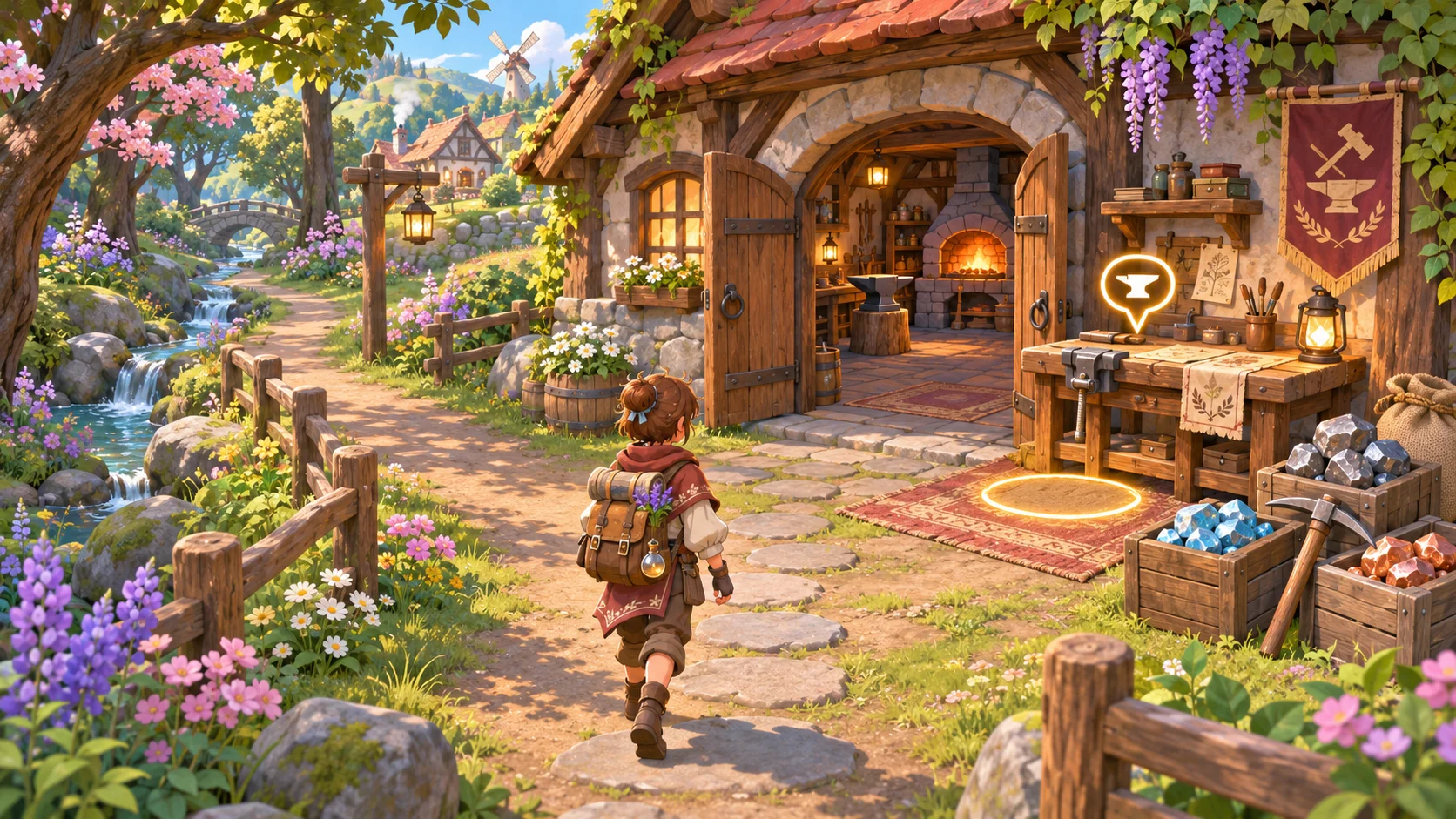
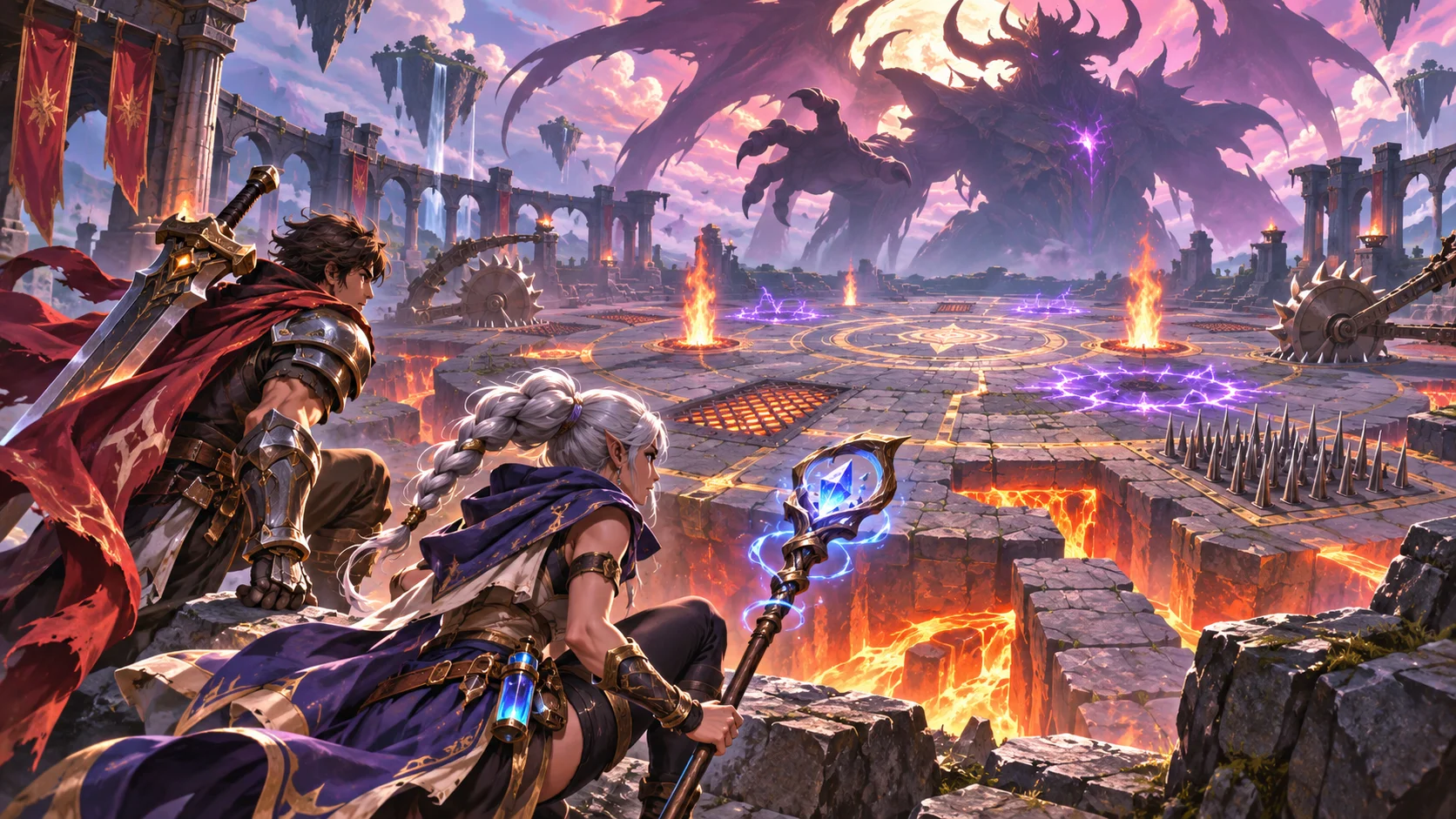
A boss milestone should change what the player can do next. It is more than a large health bar: the player discovers a threat, prepares for it, completes a readable challenge, receives a useful reward, and sees a new possibility open. Design those steps together so the boss feels earned and the world still leaves room to explore.
Define the milestone loop
Plan each milestone as five connected beats: discovery, preparation, challenge, reward, and consequence. Discovery gives the player a clue about where the boss belongs. Preparation provides a reason to gather, craft, learn a threat pattern, or bring allies. The challenge tests those preparations. The reward adds a tool, knowledge, access, or ability. The consequence changes the next set of choices.
Write down what the milestone is meant to teach. One boss may test positioning in a narrow arena; another may ask players to manage stamina, protect a companion, or react to terrain hazards. Keep the core lesson distinct from the boss’s appearance. If every fight tests the same damage output, the progression can feel like a sequence of health checks rather than growing mastery.
Connect the milestone to a player goal. A world clue might point toward a landmark, while nearby materials suggest what kind of preparation could help. Avoid making the only progress path depend on a hidden item or a recipe the player has no reason to find. If the player misses a clue, another source can hint at the objective without giving away the whole encounter.
Signal discovery and readiness
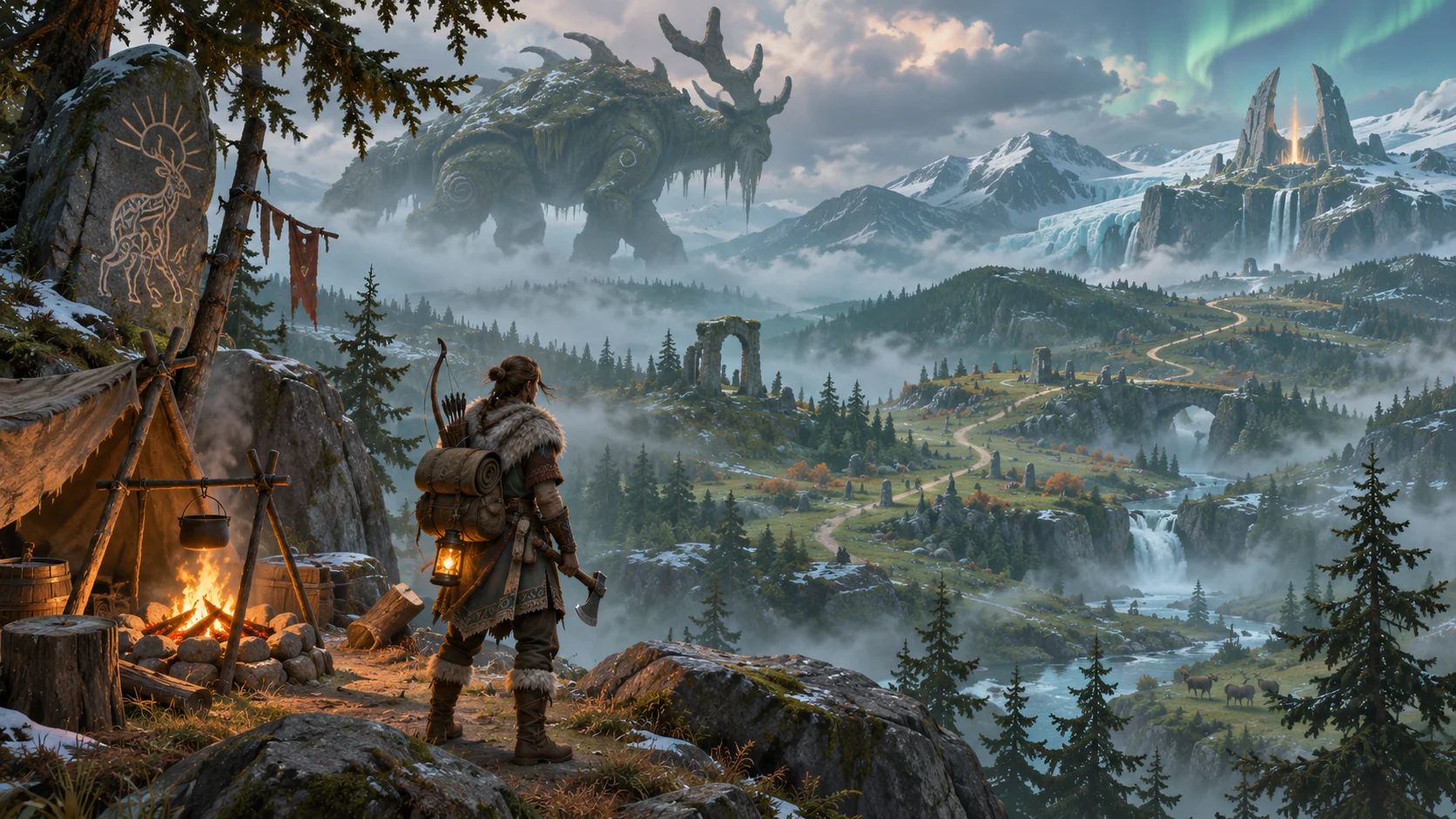
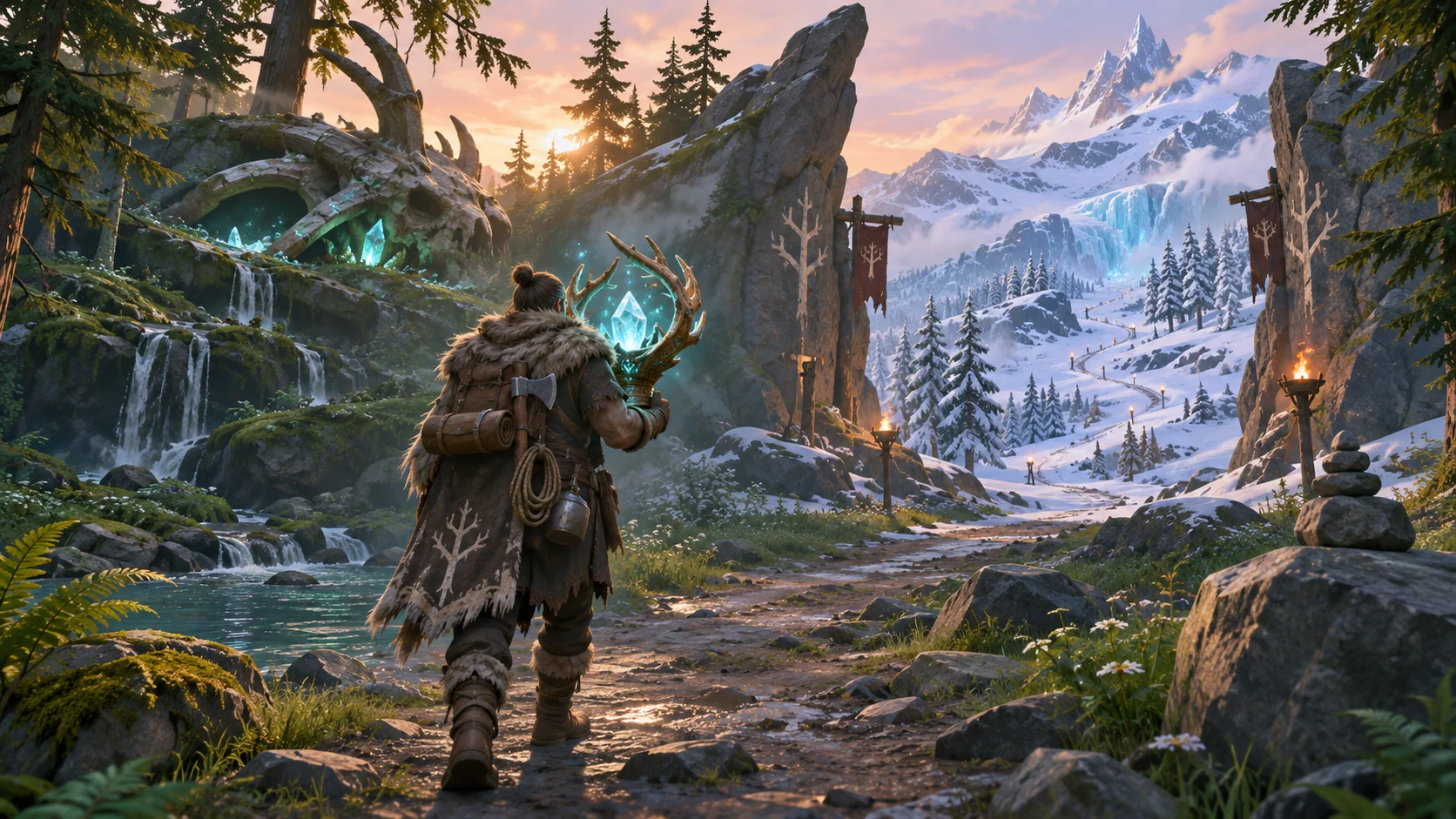
Give the boss a recognizable place in the world. A silhouette over a ridge, unusual weather, abandoned structures, or a creature’s effect on local wildlife can preview danger. The signal should invite curiosity while preserving uncertainty. A player should understand “something important is here” without needing a map marker that removes exploration.
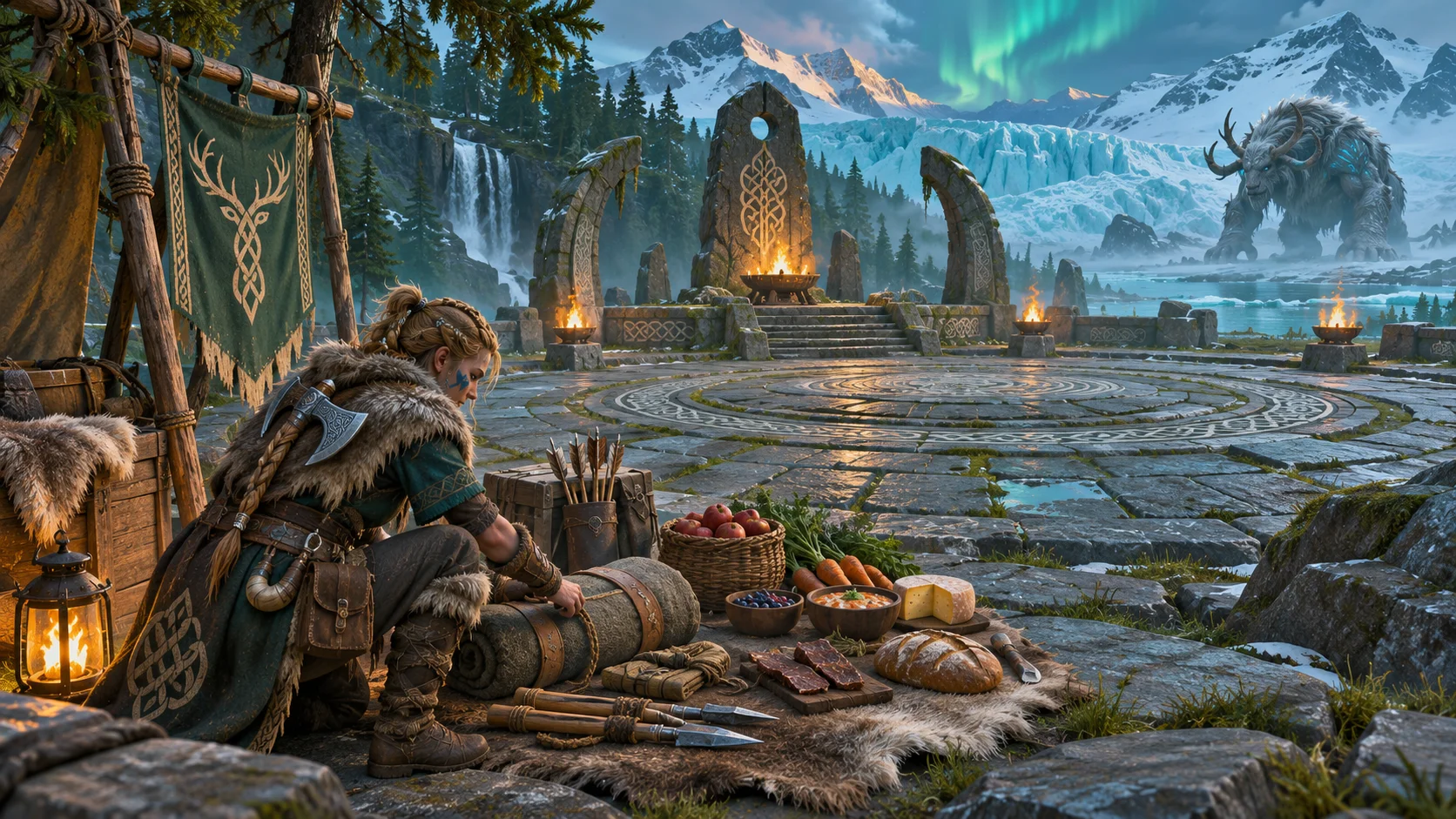
Readiness cues can be diegetic and practical: materials for a protection item appear in the surrounding region, a character mentions a hazard, or an earlier encounter demonstrates a useful movement skill. These clues help players prepare without requiring a numeric “recommended level.” If the game offers explicit stats, explain which ones matter and why.
Separate access from obligation. Defeating a boss can open a new region or recipe tier while leaving optional caves, settlements, and construction available. A milestone is stronger when it expands the player’s choices rather than shutting down every activity that came before it.
Design rewards that open possibilities
A reward should answer why this boss mattered. It might unlock a tool that interacts with a new material, provide knowledge that changes navigation, grant a limited ability, or open a route. A reward that only increases a number can still work, but show the player where it matters. Let the first new opportunity appear soon enough that the connection is clear.
Use a reward table to check that each milestone contributes a different kind of progress:
| Reward type | New possibility | Validation question |
|---|---|---|
| Tool or recipe | Gather or craft something previously unavailable | Can the player identify a useful target for it? |
| Ability or knowledge | Handle a known hazard in a new way | Does the next region let the player use it? |
| Access | Open a route or reveal a new area | Can players understand why this route opened? |
Keep rewards compatible with different play styles. If one boss drop is mandatory for a single dominant build, players who chose another approach may feel punished. You can offer alternative ways to solve the next problem or let the reward improve a broad capability rather than one narrow tactic.
The official Valheim FAQ describes a progression pattern where defeating a biome’s corresponding Forsaken One and using newly gained items and skills helps players move onward. That is a specific structure for Valheim, not a rule for every survival game. An original project can use optional bosses, parallel routes, settlements, or player-built objectives if those better fit its world.
Test pacing and optional paths
Test the full loop with players who have not seen the encounter. Ask what they think the landmark means, what they would prepare, and what they expect victory to change. After the fight, ask them to identify the new possibility. If they cannot connect the reward to a next step, improve its explanation or place a relevant opportunity nearby.
Track more than win rate. Record how often players find the boss, how many preparation options they notice, where they stop progressing, and whether they use the reward. A low victory rate may mean the fight is too demanding, but it can also mean that players missed an important clue. A high win rate can still accompany a weak milestone if the reward has no visible effect.
Replay with different builds and routes. Check that the boss can be approached through more than one viable preparation style, unless a narrow test is an intentional part of the design. Verify that optional exploration remains useful after the milestone and that unlocking a new region does not invalidate the player’s home or earlier goals.
SEELE’s documented game-creation capability can help start from a natural-language survival-game concept. Use that as a starting point for a prototype, then inspect whether its boss objective, readiness cues, reward, and next-region access match the milestone you designed. Do not treat an untested prototype as proof that the progression works.
Frequently asked questions
How do you make a boss feel like a milestone?
Connect discovery, preparation, challenge, reward, and a changed possibility. Give the player clues about the threat, let preparation matter during the fight, then make the reward useful in a nearby or clearly signaled next step. A large enemy alone is not a milestone if victory leaves the world and the player’s options unchanged.
Should defeating a boss unlock the next biome?
It can, especially when the boss’s reward explains how the player can handle the next region. Keep the structure aligned with your world and player freedom. You might unlock a route while leaving optional areas open, or use parallel objectives instead of a single gate. Make the cause of new access clear to the player.
How can players know they are ready for a boss?
Show relevant preparation through world clues, materials, earlier encounters, or character advice. Explain which tools or skills can help without requiring a fixed level if the game supports multiple approaches. Test whether new players understand their options; if they repeatedly arrive without useful preparation, strengthen the clues or provide another way to learn.
How do you keep boss progression from feeling linear?
Let milestones open choices rather than replace them. Keep exploration, building, side objectives, or alternate routes valuable before and after a boss. Vary what each milestone tests and reward different capabilities. A clear main path can coexist with optional goals as long as the player sees why each activity is worthwhile.
Design one milestone from its discovery clue through its reward, then test whether players can explain what changed. Explore an AI game creation starting point for an original survival adventure.