Connect cooperative boss fights with a campaign structure that teaches patterns, rewards preparation, and lets a team recover. A compact prototype should connect one player action to clear feedback and the next decision before adding more content.
Set the boss-rush encounter baseline
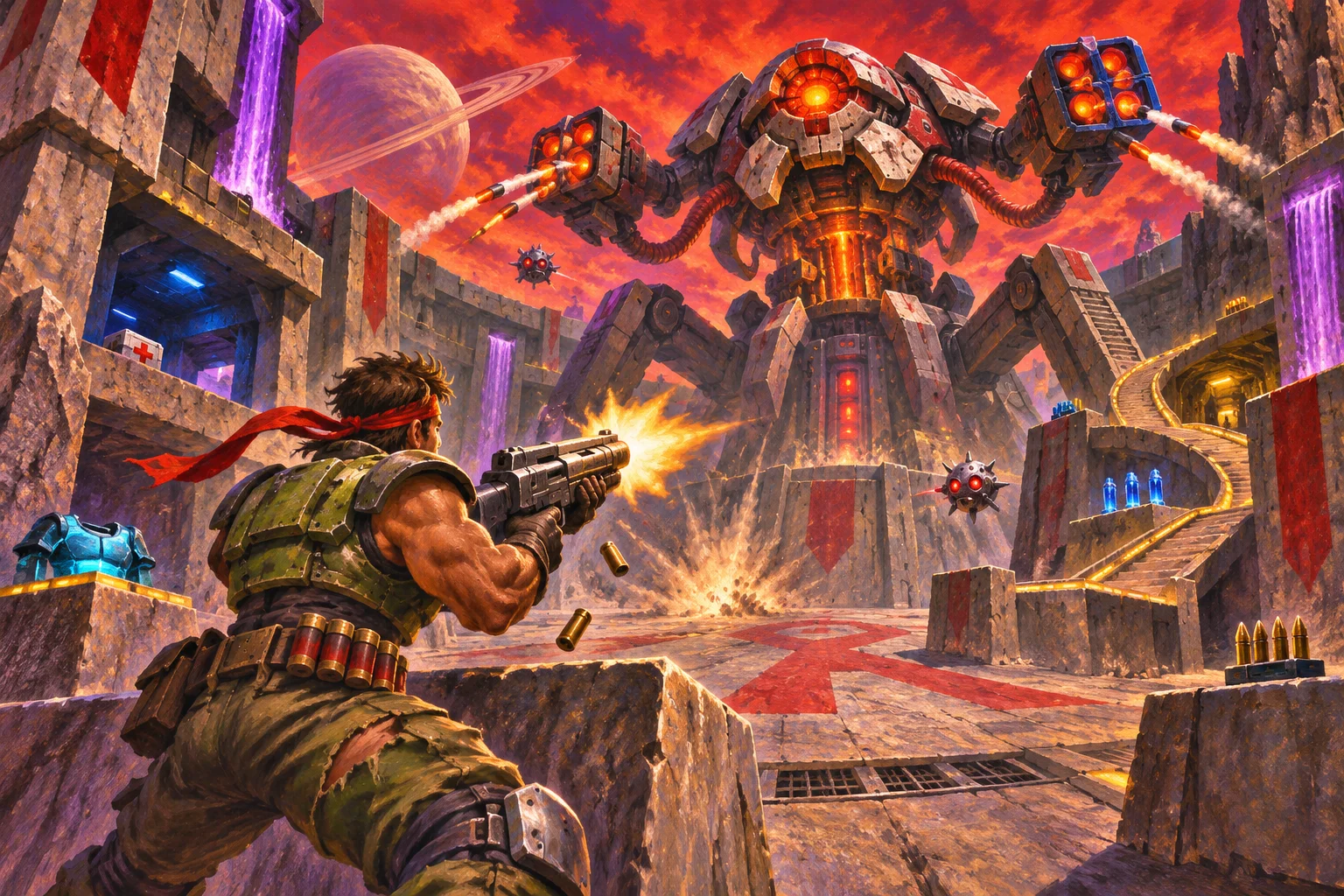
Start by defining the repeatable encounter loop: learn an attack pattern, coordinate movement and damage, defeat the boss, then prepare for the next fight. Record what the current prototype already supports, such as revive rules, shared resources, or role-specific actions. A campaign needs a stable baseline before adding more bosses.
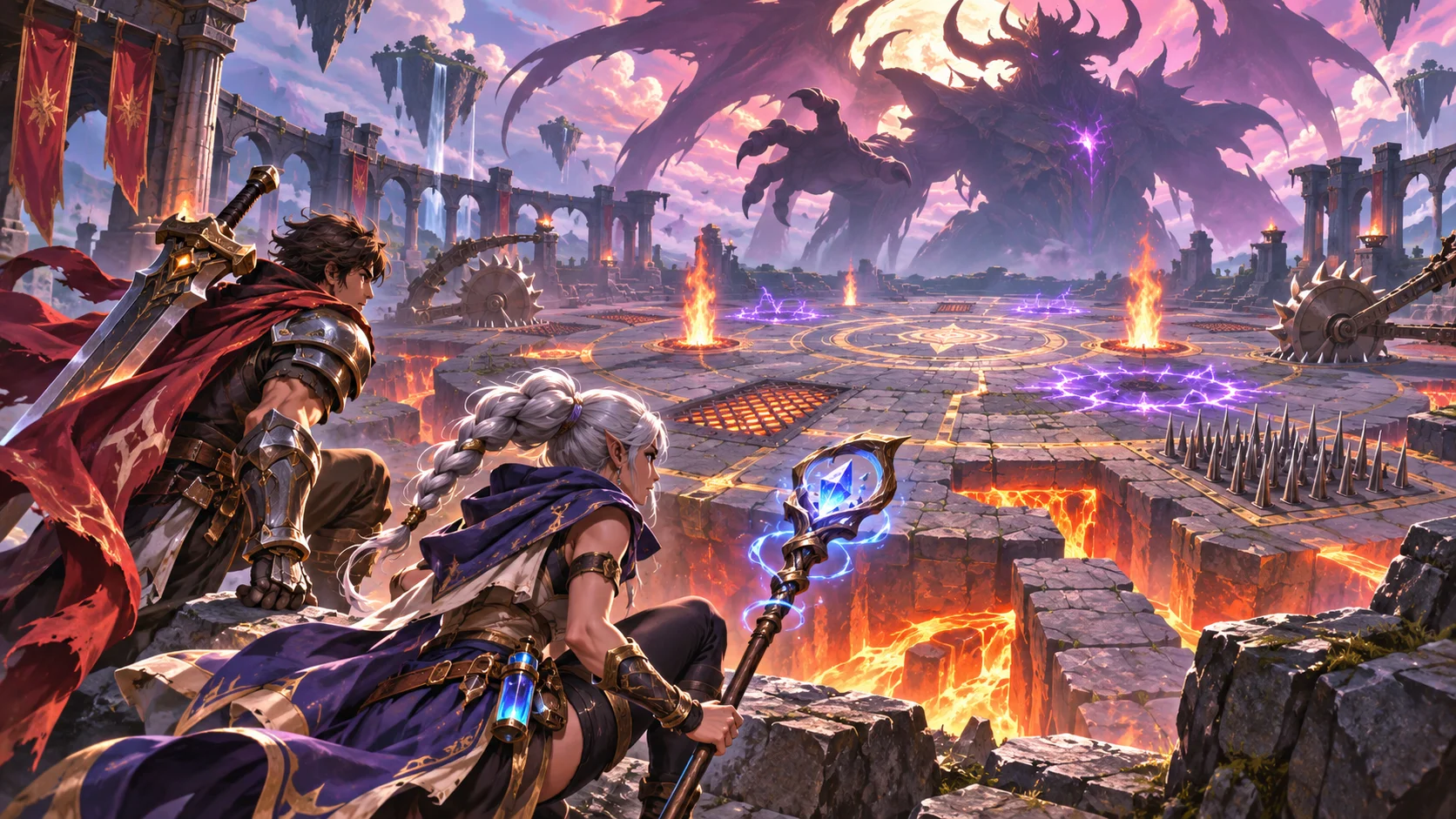
The official Ember Knights listing describes solo and up-to-four-player co-op, coordinated combat builds, boss encounters, and a Boss Rush mode. This supports the cooperative boss-rush context only; the linked campaign structure proposed here is original. See the Ember Knights official Steam product listing for this context.
Build a cooperative campaign spine
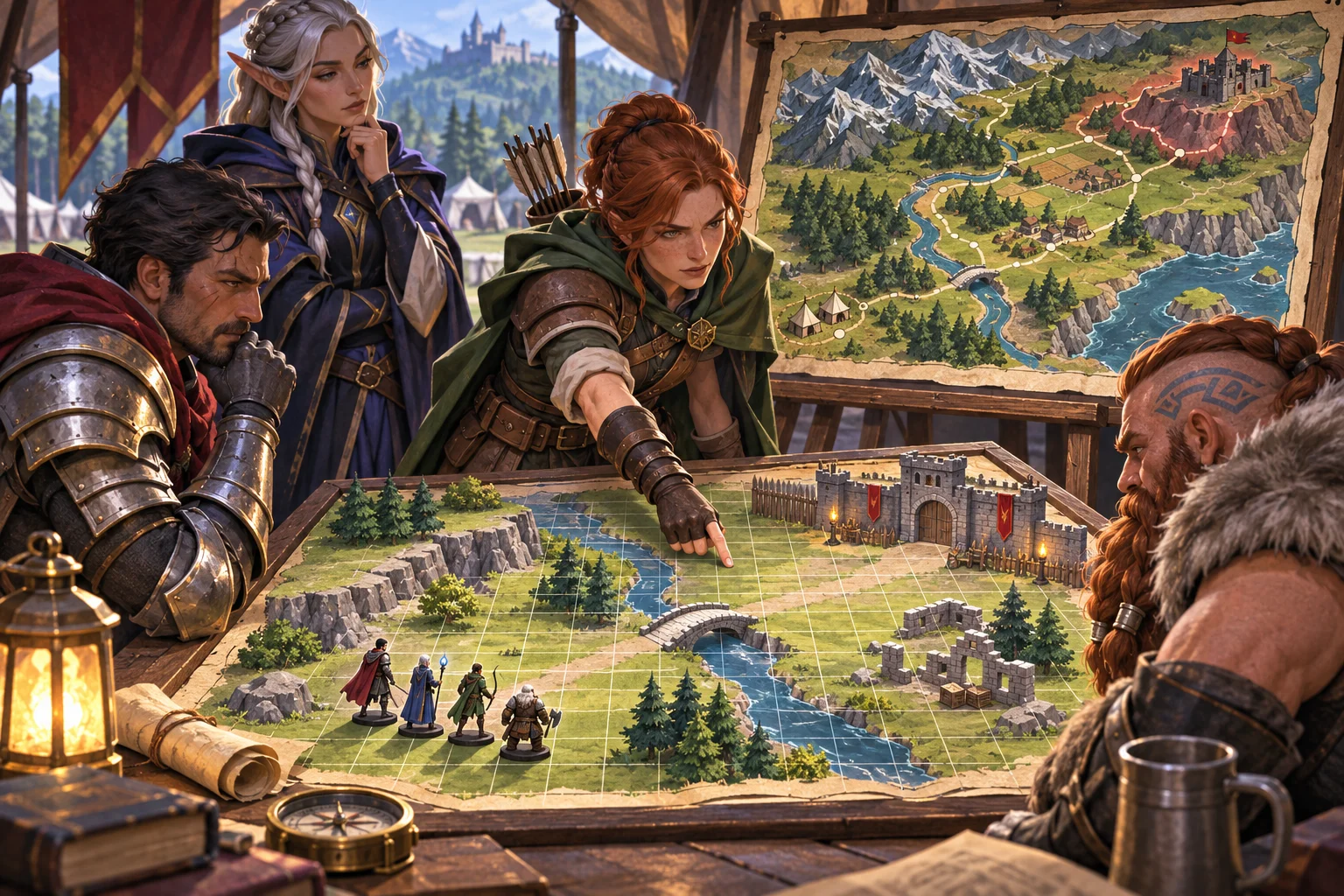
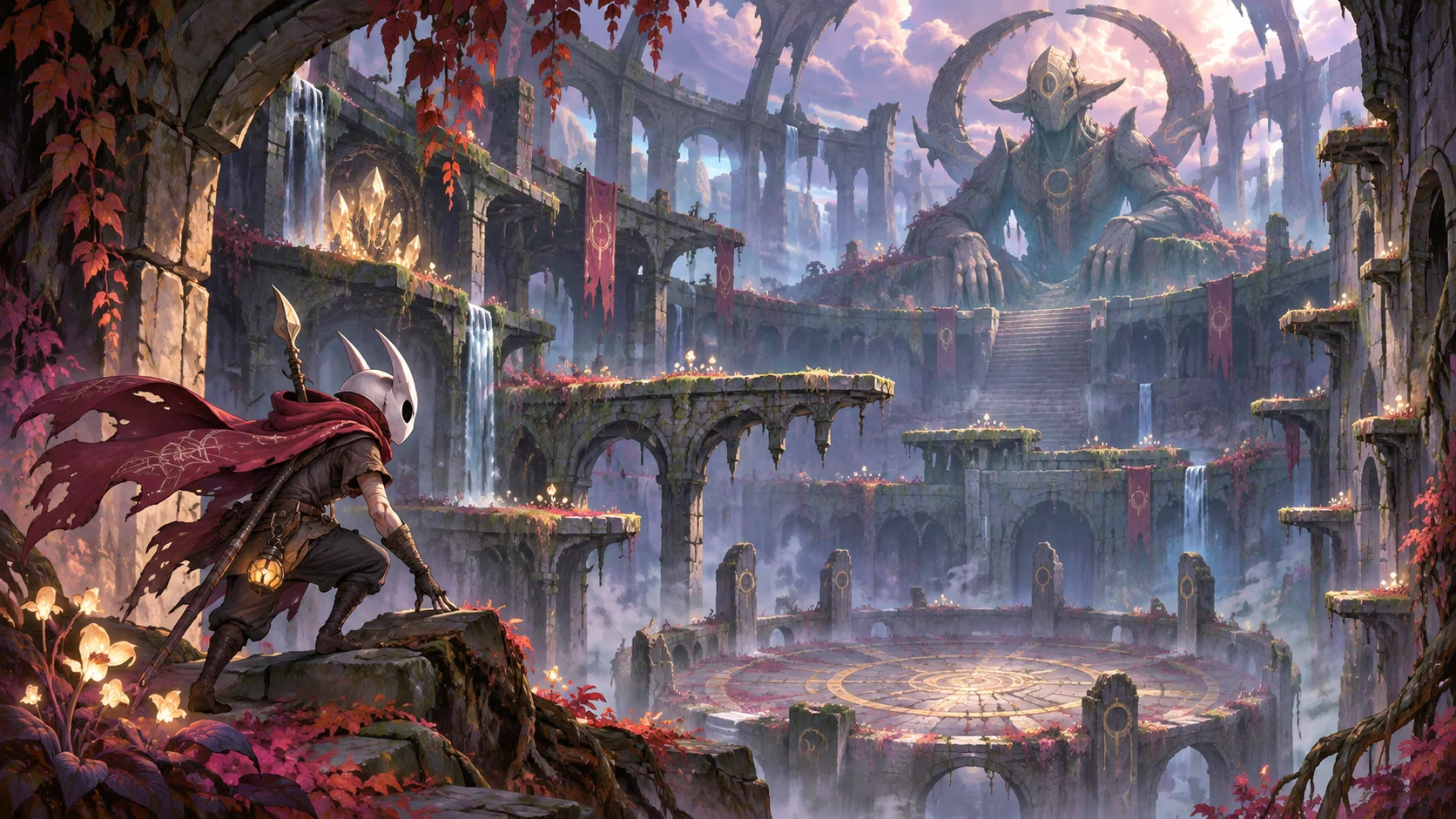
Build a campaign spine with a small number of arenas connected by recovery or preparation moments. Each boss should test a skill introduced earlier and add one new demand, such as spacing, target switching, or timing. Give players a map or sequence cue so they understand how the encounters fit together.
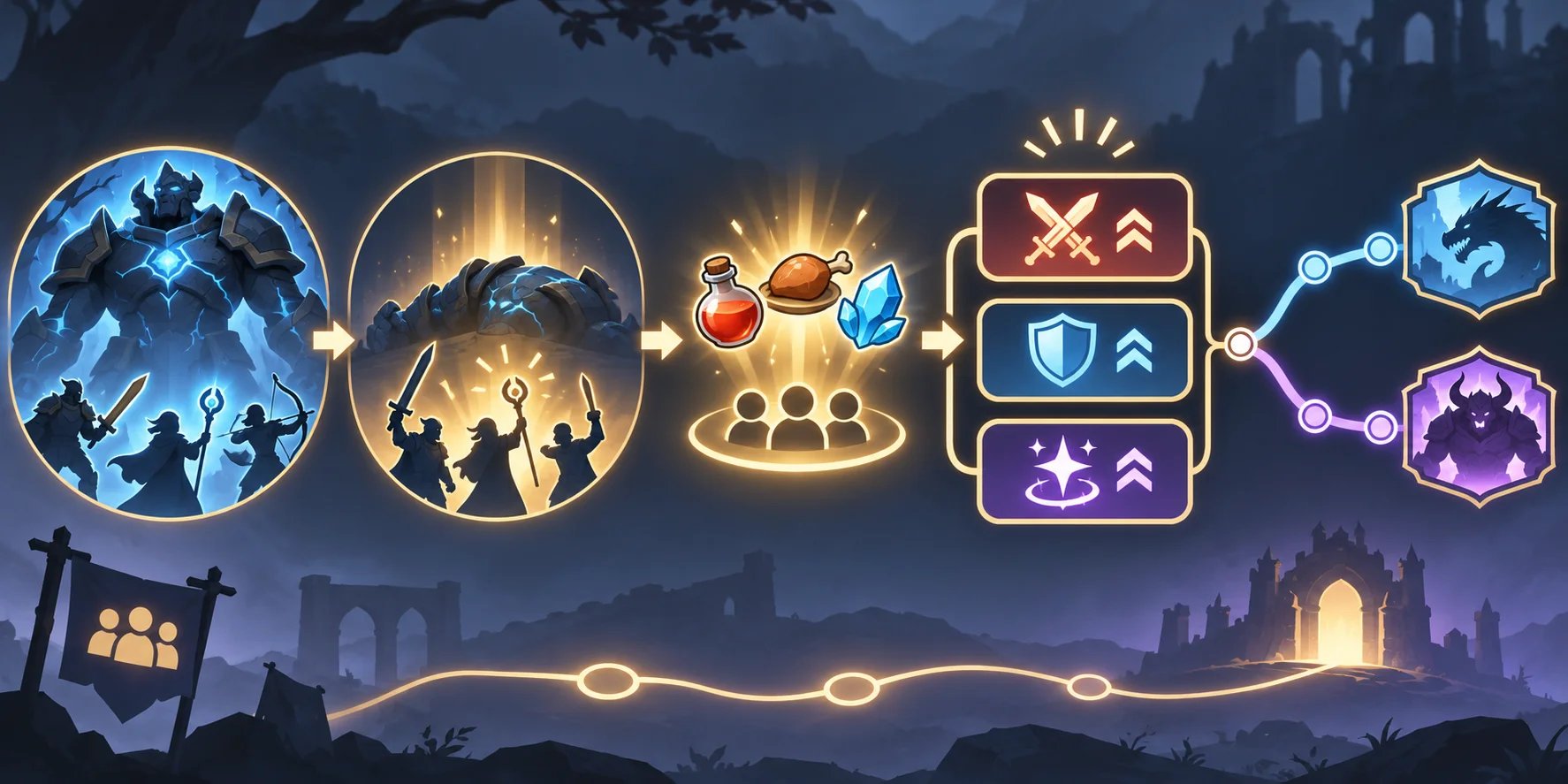
Co-op roles can be light but meaningful: one player can create an opening while another exploits it, or partners can cover separate zones. Avoid making a single role mandatory. Every boss should remain readable if the team composition changes or a player is temporarily down.
Connect victories to team preparation
After a victory, update a shared resource or preparation choice. The team might recover health, alter a tool, or choose which route to attempt next. Show the cost of each option and preserve enough recovery to make a later encounter possible after a narrow win.
Use a checkpoint between bosses and state what resets on failure. A full campaign may allow a retry from the latest encounter, while a challenge mode can restart the run. Communicate the difference so the team’s willingness to experiment matches the consequences.
Test the full campaign and recovery
Play through the campaign with different partner roles and at least one defeat. Record boss completion, revive use, role contribution, and whether players understand the next preparation decision. Re-run the same sequence after changing one boss pattern to check that later encounters still build on the earlier skills.
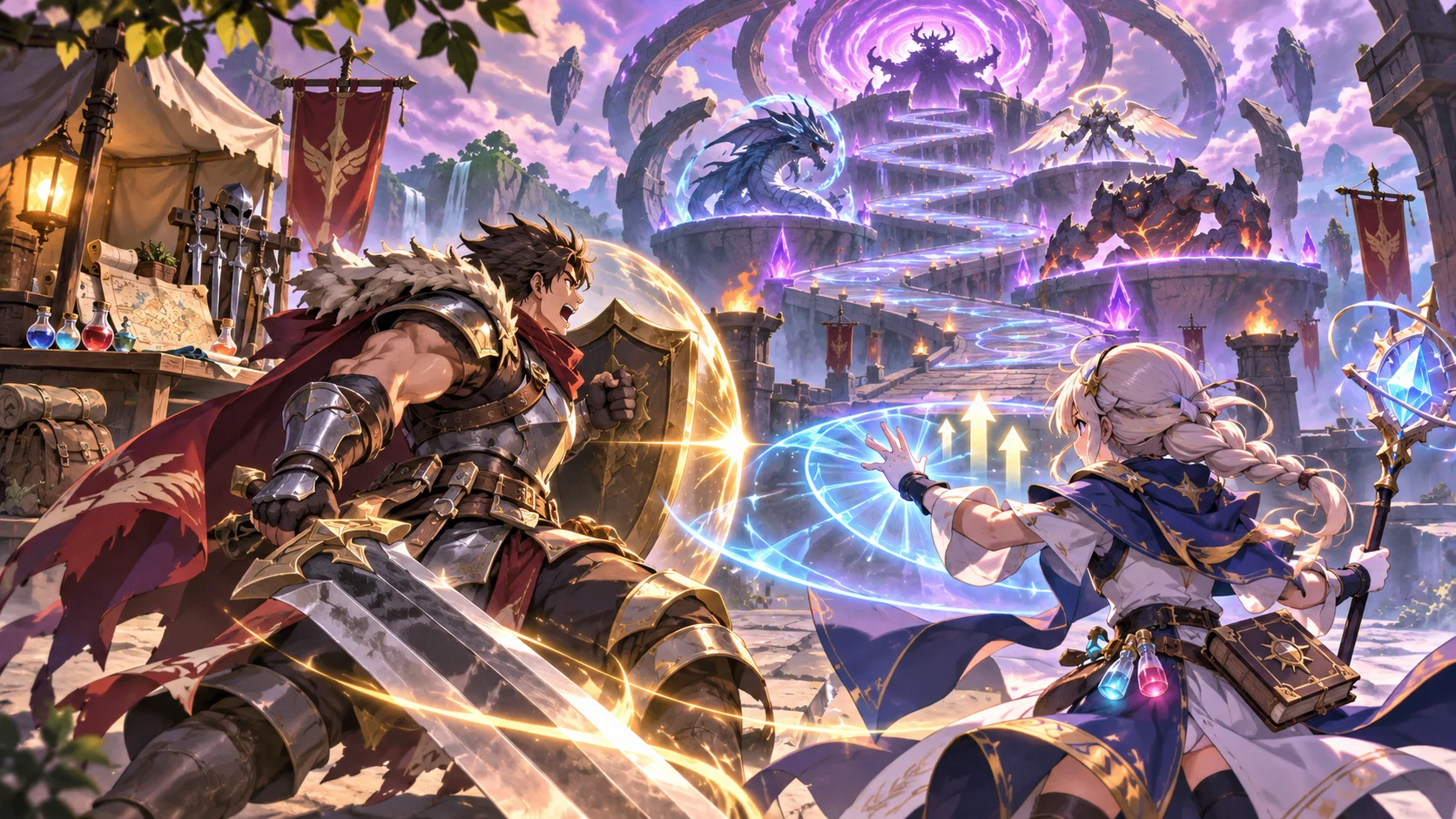
For individual boss pattern design, see a boss-encounter design guide. Accept the loop when the team can learn, recover, and enter the next fight with a choice that matters. SEELE AI can help brainstorm encounter variants; combat tuning, co-op implementation, and full-campaign tests remain necessary.
FAQ
How does a cooperative boss-rush campaign work?
A sequence of boss encounters is connected by preparation, recovery, and progression choices. Each fight teaches or tests a skill, while the campaign gives the team a reason to carry knowledge and resources forward. Keep checkpoints and failure rules clear so players understand the cost of another attempt.
How can co-op roles matter during a boss fight?
Let partners contribute different but flexible actions, such as creating an opening, covering a zone, or supporting a recovery. Boss patterns should reward coordination without requiring one fixed class. Test role changes to ensure every player can still contribute when the team composition shifts.
What should persist between boss encounters?
Persist only information or resources that shape the next decision, such as a limited recovery pool, a tool choice, or an unlocked route. Explain what resets and what carries forward. A short preparation phase can turn victory into a meaningful campaign choice without adding a large menu.
How do you test recovery in a co-op boss campaign?
Play the sequence with a narrow victory and a defeat. Check that the checkpoint, resource carryover, and retry cost match what players were told. Observe whether both partners can recover, change their plan, and understand how earlier choices affect the next encounter.