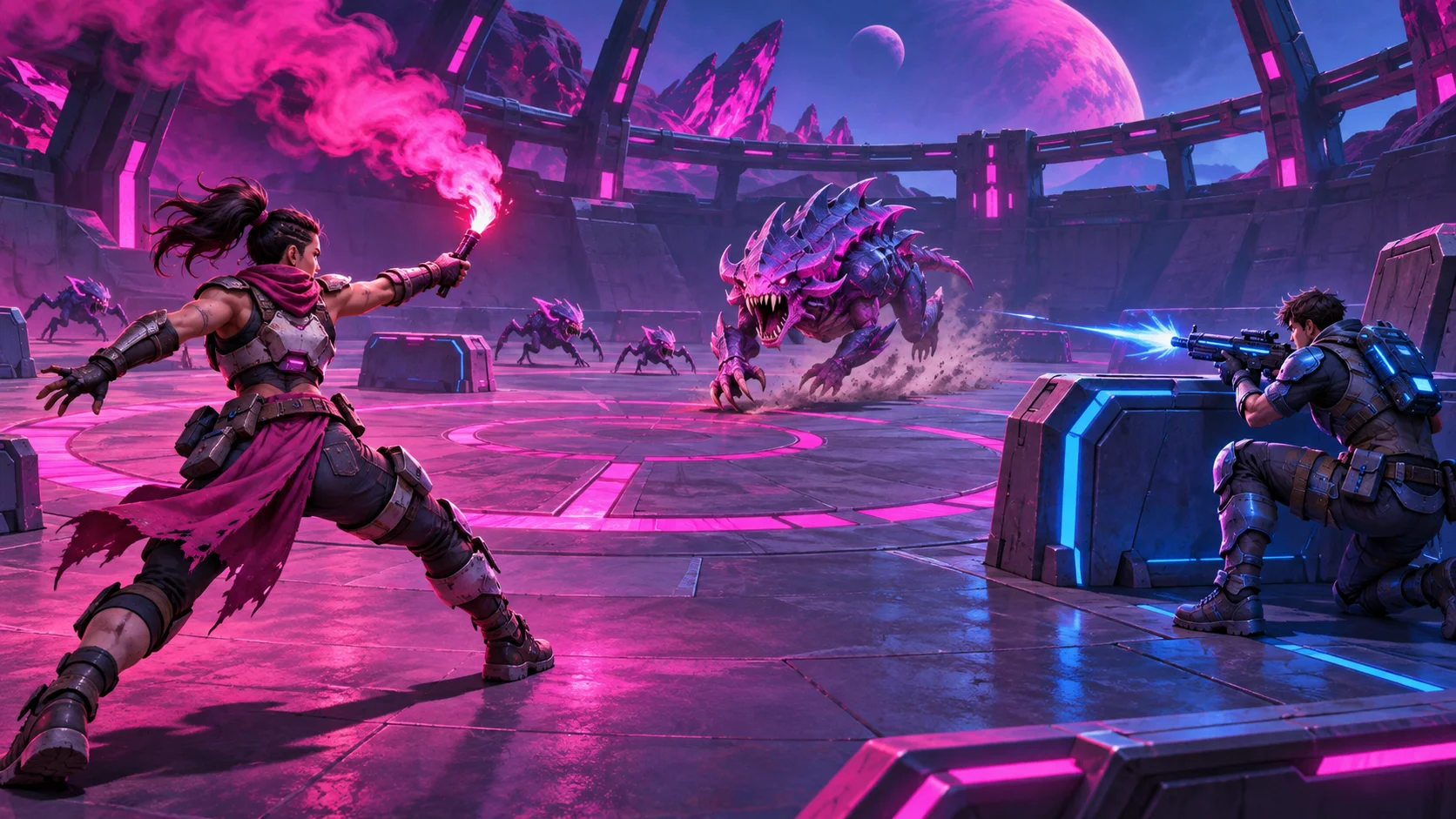
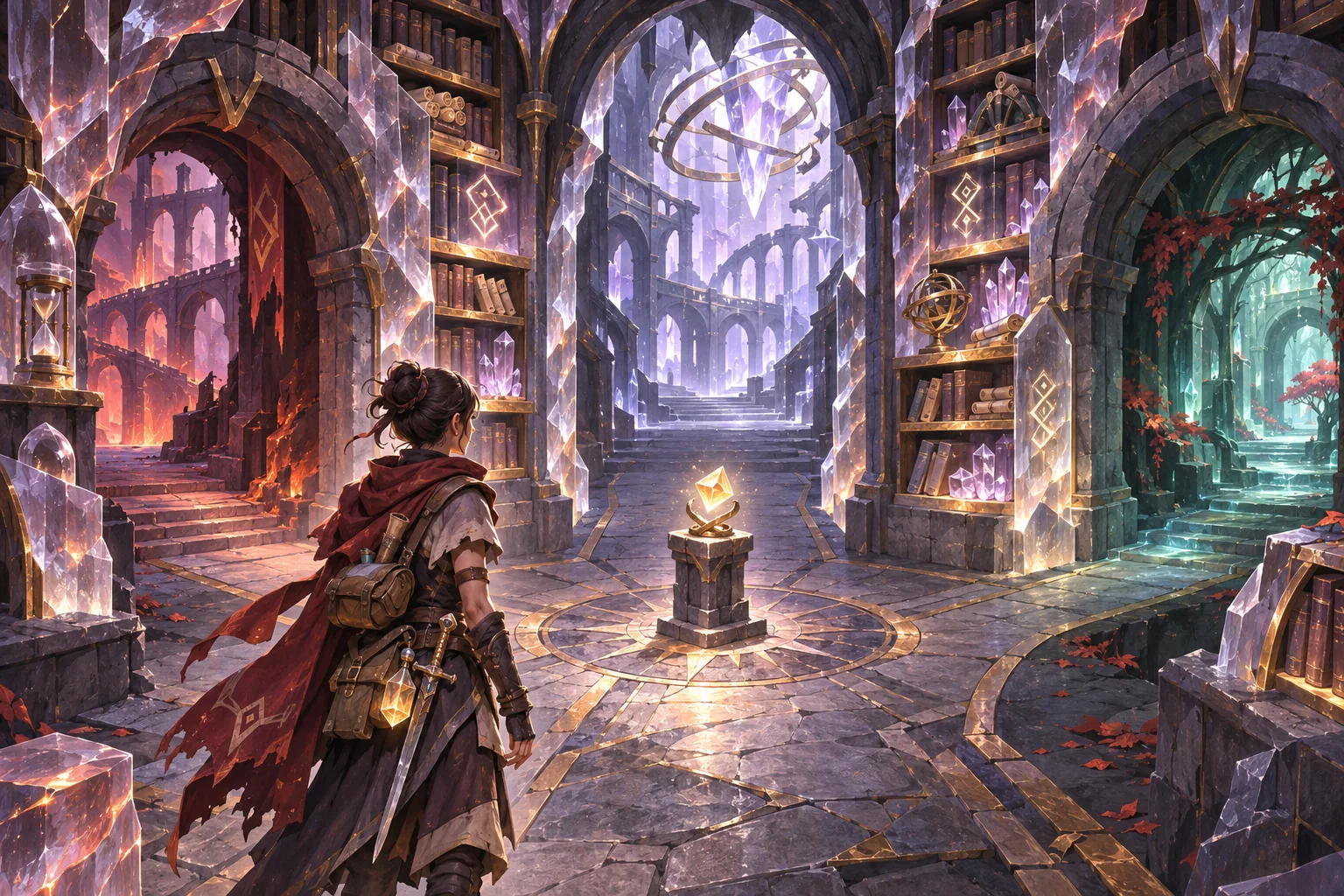
Add party roles with cross-character synergies to your roguelite RPG with AI. Make the decision and its consequence visible, then validate it in a short repeatable scenario. Start with three roles and one shared encounter before expanding the party roster or synergy tree.
Define roles by solo and team value
Give each party role a useful solo action and a team action that changes an ally’s next choice. A defender can mark or interrupt a threat, while a striker can spend the opening on focused damage; a support character might move an ally or protect a recovery turn. Define range, cost, duration, and failure state before designing a large roster.
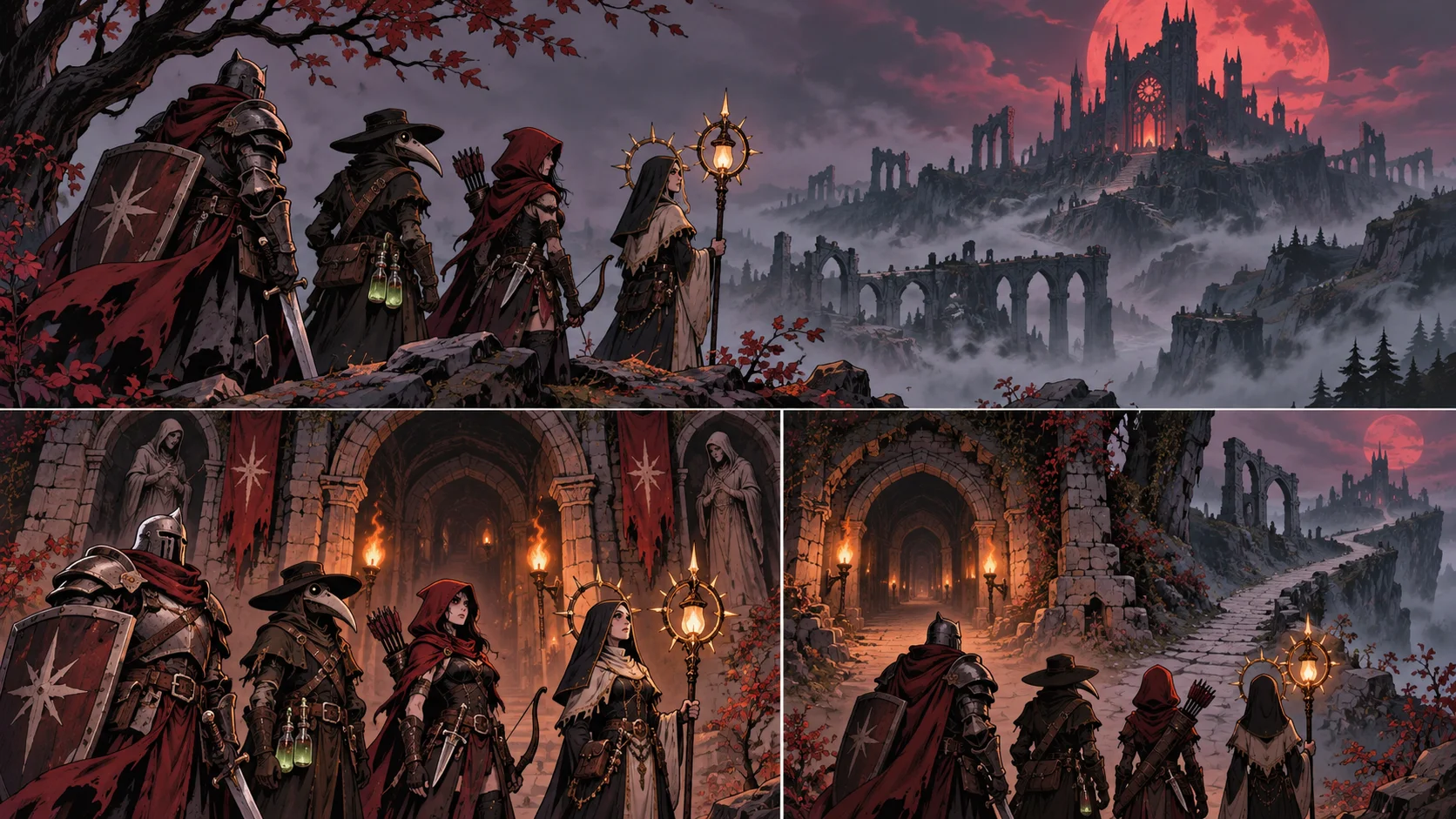
The official Darkest Dungeon listing from Red Hook Studios describes recruiting, training, and leading a team of heroes through roguelike expeditions. It supports the party-based roguelite context only; the synergy rules here are original. Show role strengths through readable actions rather than relying only on class descriptions or menu statistics.
Create synergies with clear handoffs
Model a synergy as a short chain: one character changes a target or battlefield state, and another chooses how to use the opening. A defender can pull an enemy into the front row; a ranged ally can then exploit the new position. Make the handoff optional so the initiating action still helps even when the partner is absent or out of range.
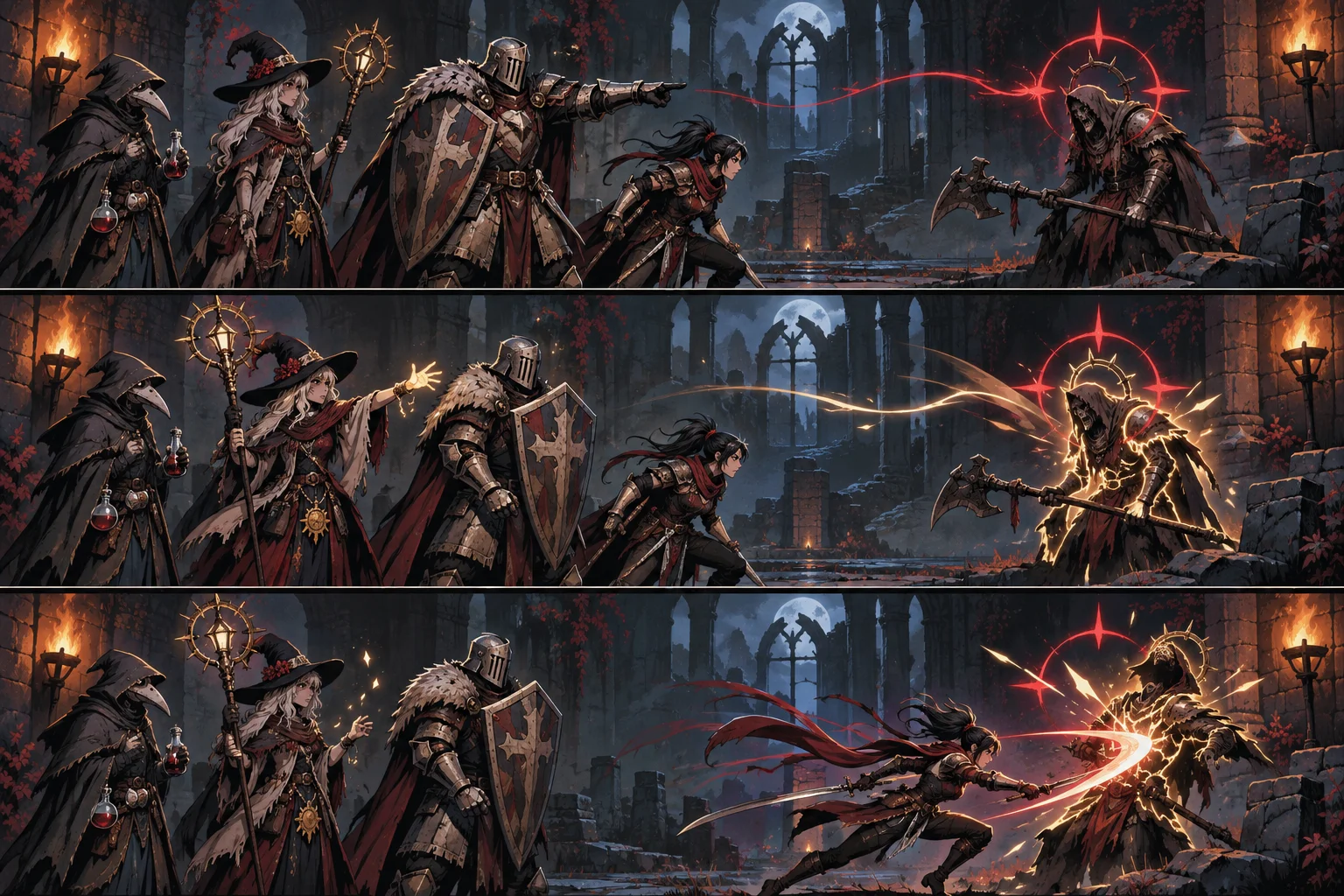
Limit setup steps and expose the expected payoff. A target mark can last one turn and increase the next attack’s accuracy, while a guard action might protect the ally who takes the risk. Tell the player which character can follow up and what resource it costs. Avoid combos that require one exact party order unless the encounter has clearly taught that rule.
Keep party composition flexible
Test each role with several partners and keep core actions available to every party. A missing healer or defender should change the run’s difficulty and tactics without making a normal encounter impossible. Provide alternate ways to recover, interrupt, or damage a threat through items, positioning, or a slower action.
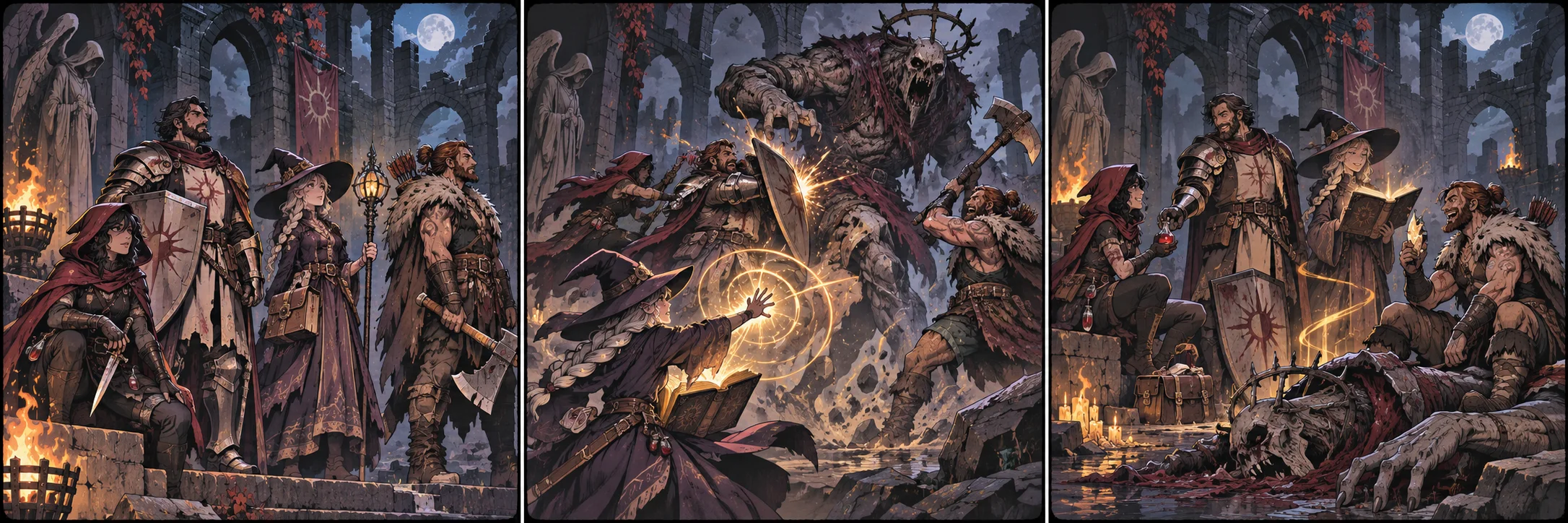
Let synergies create identity rather than a mandatory best team. Rotate enemy formations and encounter goals so different role pairs can shine. Keep the cost of a combo visible, and let players compare it with a simpler action. If one pair consistently dominates, adjust its setup cost or the encounter context before weakening every character in the roster.
Test combinations across repeatable runs
Build a small matrix of role pairs and test it across the same encounter seed. Record setup actions, follow-up choices, damage prevented, resources spent, and turns where a character had no useful action. Repeat with a missing role to confirm the team can recover through an alternate plan.
For related team systems, see a guide to complementary co-op roles and a guide to persistent units across campaign missions. Pass when several party combinations have useful turns and players can explain when a handoff is worth its cost.
FAQ
What makes party roles synergistic?
A synergistic role has a useful solo contribution and an action that changes what an ally can do next. A defender might reposition a threat so a striker can exploit it, while support protects the character who takes the risk. Make the handoff readable and optional so the initiating role remains useful on its own.
How can characters create cross-role combinations?
Give one character an action that changes a target, position, or resource state, then let another character choose a distinct follow-up. Limit the setup chain, show the expected payoff and cost, and make the follow-up optional. Different pairs should create different tactical choices rather than one mandatory combo.
How do you avoid mandatory party roles?
Keep core actions such as damage, interruption, and recovery available through more than one character, item, or tactic. A missing role can make an encounter harder without making it impossible. Test party combinations with one role absent and provide a slower fallback route for recovering from damage or control effects.
What should you test in party role design?
Test a matrix of role pairs across the same encounter. Record setup actions, follow-up choices, damage prevented, resources spent, and turns where a character has no useful action. Repeat with a role missing and check that several combinations remain viable and that players understand when the handoff is worth its cost.