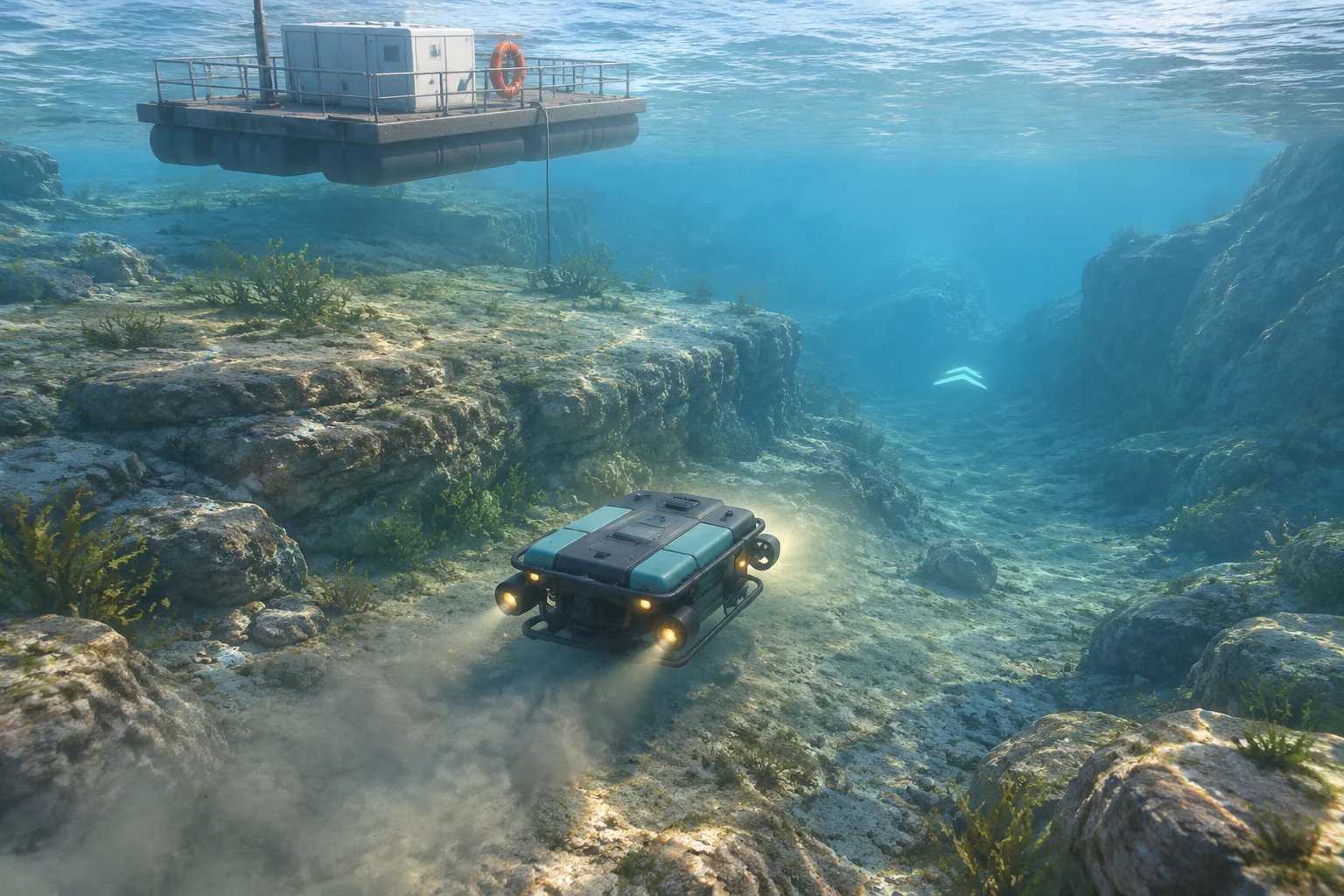
A strong diving expedition asks players to weigh one more discovery against a safe return. DAVE THE DIVER’s official Steam listing describes deep-sea exploration and fishing during the day and sushi restaurant management at night. This guide uses that public structure as context; its route, air, cargo, and extraction rules are original.
Define the expedition promise
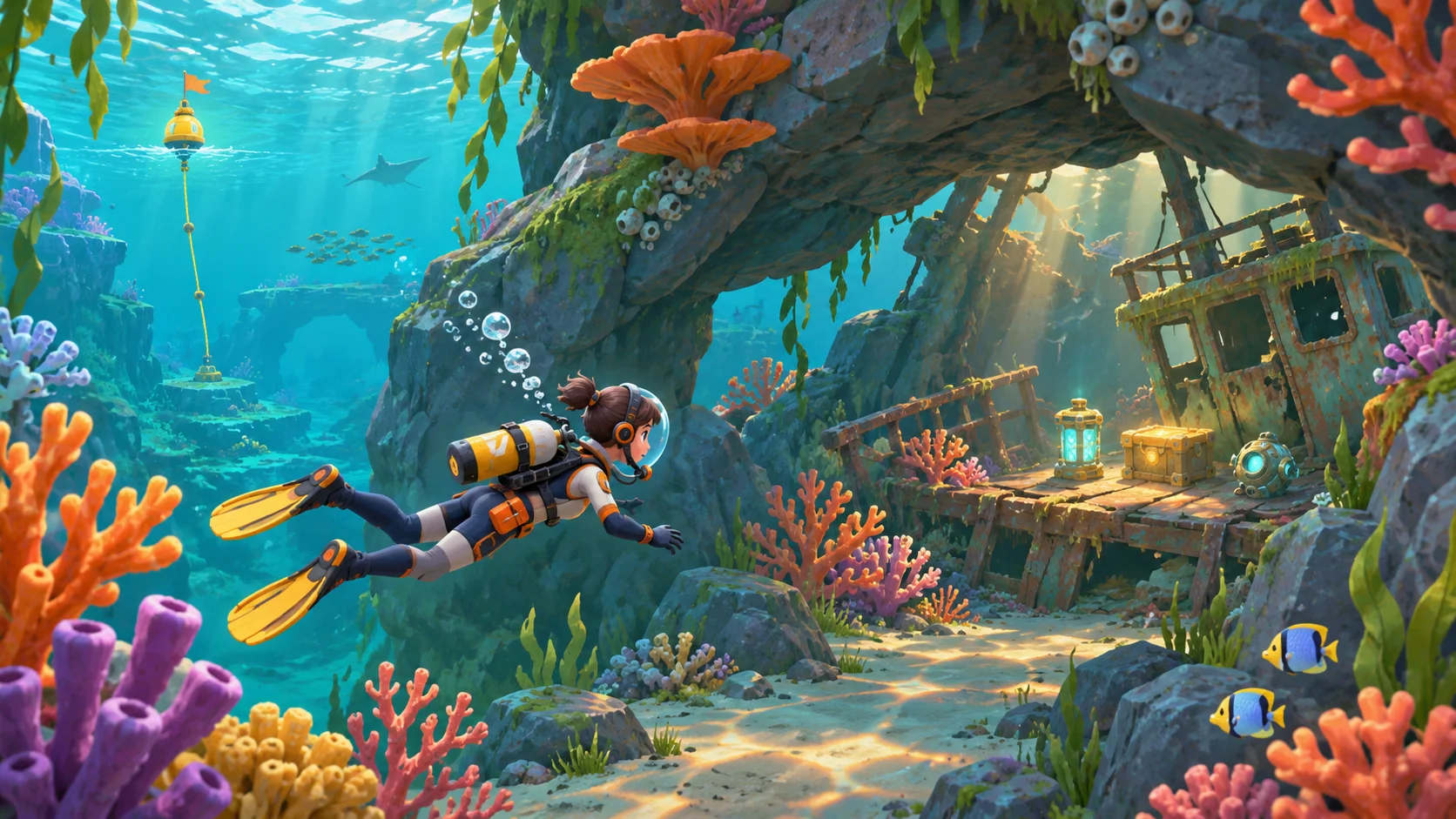
Before drawing a reef, state what the player might bring back and what makes the choice uncertain. A sample dive could ask the diver to photograph a glowing ray, collect common shells, and decide whether to inspect a deeper wreck for one rare component. The wreck is valuable, but the route adds travel time and reduces air for the return.
Give each expedition a primary objective, one or two optional opportunities, and a known extraction point. The objective keeps the dive focused; optional discoveries invite detours. Make the safe route visible from most locations so risk comes from choosing to extend the trip, not from losing track of where home is.
Tie the dive’s reward to the next playable decision. Recovered components might unlock a suit improvement, while creatures or images might support research or an evening menu. Explain these uses before the diver leaves, so players can decide which cargo matters to them rather than collecting every object by habit.
Model oxygen, depth, and return costs
Treat oxygen as a travel budget with a return reserve. Estimate the cost from the diver’s current position to the nearest safe exit and show that estimate when the player considers a deeper route. If depth increases movement cost, communicate it at the point where the route changes. A low-air alarm should confirm known information, not reveal a hidden rule for the first time.

Set a reserve that accounts for ordinary movement and one expected interruption, such as a short hazard dodge. Then test the estimate with novice and expert routes. If careful players repeatedly have to abandon the main objective despite following the displayed cost, the margin is too small or the display is misleading.
Avoid making the return estimate feel like a guarantee if currents, enemies, or equipment can change it. Name the known modifiers, update the estimate when they apply, and let players distinguish predictable cost from uncertain hazard. Fair pressure comes from a decision players can anticipate.
Make cargo and hazards compete
Give the diver a small cargo capacity and make the tradeoff visible. A large salvage piece can occupy several slots; a common fish may be easy to carry but less useful in the next phase. Show item size before pickup and let the player replace a lower-priority item when capacity is full. This creates an expedition decision without making inventory management a surprise tax.
Hazards should have readable behavior and room for a response. A territorial creature might block a narrow passage, while a falling rock could warn before impact. Give players a choice to reroute, wait, or spend a tool. The cost can be air, cargo space, or a limited resource, but the signal must arrive early enough to support a decision.
When a diver takes damage or loses cargo, explain the consequence at once. Consider partial recovery on a failed extraction if the intended fantasy is risk and learning rather than total loss. Preserve meaningful stakes while avoiding a penalty that erases every useful choice from an otherwise thoughtful route.
Connect returns to the next phase
Make safe extraction a decision, not merely an interruption. A modest haul can be the right outcome if it completes a research request or keeps the diver prepared for the next descent. Show a short return manifest and connect each item to a visible next action: sell, study, cook, craft, or store.

Test three returns: an early safe exit, an optional deep route completed, and a dive cut short by a hazard. Compare what each player can do next. If only the largest haul unlocks meaningful progress, the safe choice is a trap; if every haul gives the same result, cargo decisions have no lasting consequence.
Use SEELE AI’s game-studio capability to start from a written underwater adventure concept, then inspect the prototype against the route and return model. Verify that the diver, hazards, cargo, and next-phase choices are represented as intended. This capability description does not promise a specific oxygen or dive simulation.
For a related resource-exploration approach, read the resource-gathering guide. To draft an original adventure concept, start a game prototype.
FAQ
How do you design a diving expedition loop?
Give each dive a clear objective, at least one optional detour, a visible return cost, and a meaningful result after extraction. Let players choose when to leave rather than ending every dive at a fixed timer. Test short, greedy, and cautious routes so each play style has a legible risk and reward.
How should an underwater game show oxygen risk?
Show remaining air alongside the expected cost of reaching the surface from the diver’s current position. Update that estimate when the player changes depth or route, and reserve a clear margin for ordinary movement. Use more than color alone to signal danger, and test the display during active swimming.
How do you make cargo choices meaningful?
Give the diver limited capacity and make items differ in value, size, or use in the next phase. A rare salvage piece might displace several common finds, so players must decide whether to keep exploring or return. Explain what is lost if the diver exceeds safe limits before those limits become critical.
How can a dive connect to a management phase?
Turn recovered goods into visible options such as research, upgrades, recipes, or customer requests. Let players see the consequence of a safe return, a partial haul, and an empty run. Keep the two phases connected through actual resources and choices instead of treating the expedition as a disconnected minigame.