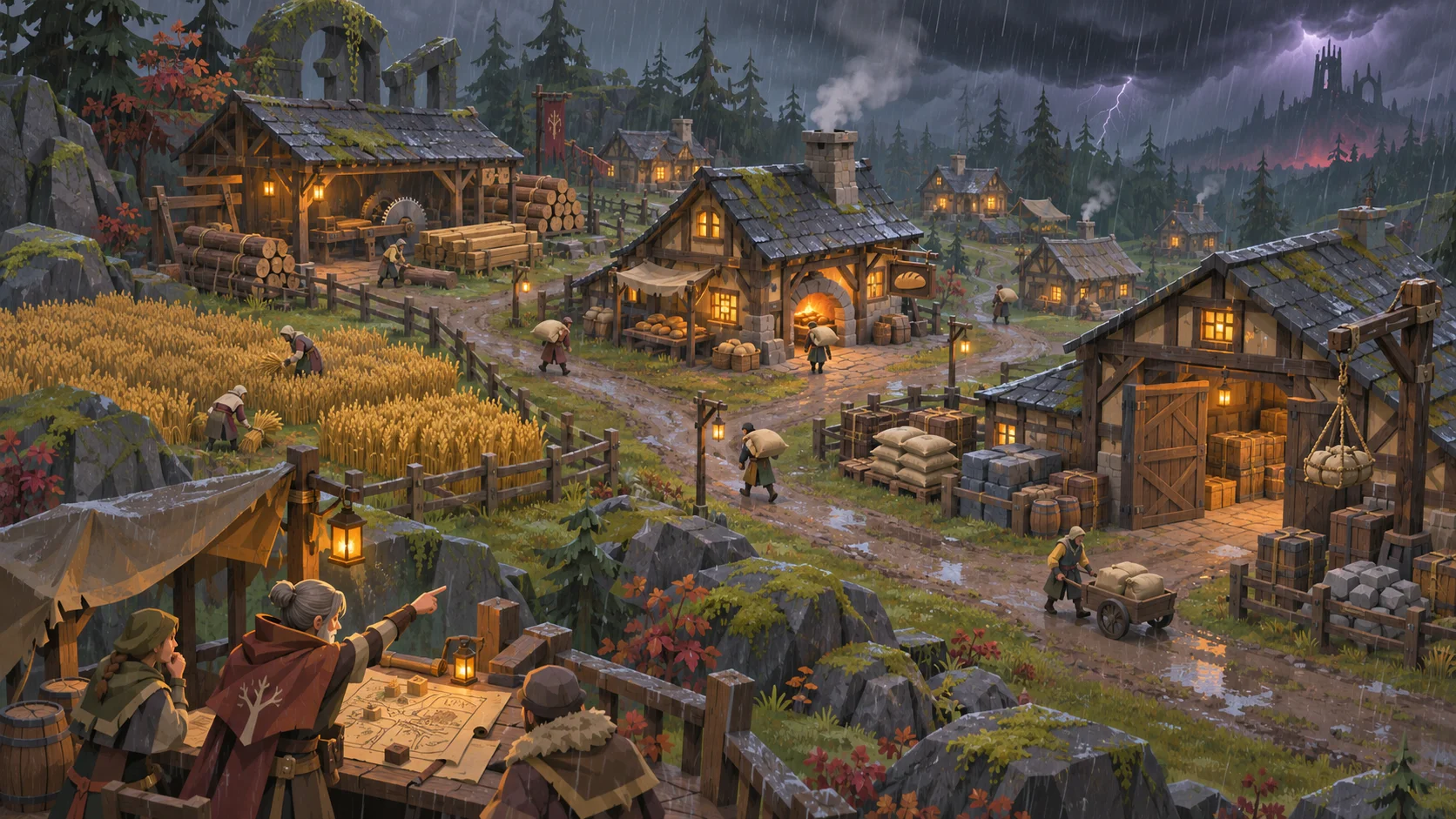
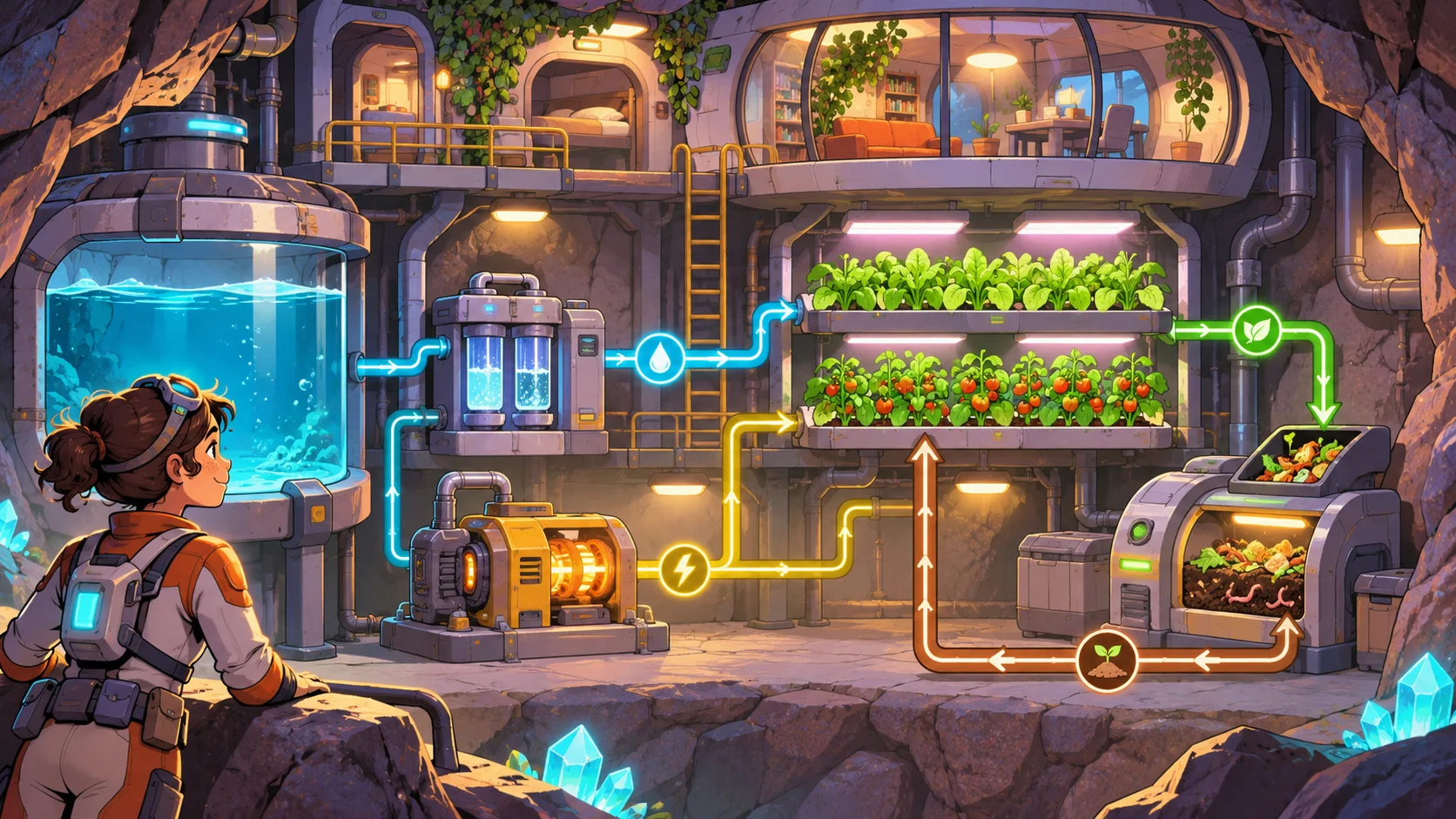
A studio-management cycle is more interesting when each release changes the next project decision. Greenheart Games’ official Game Dev Tycoon page describes running a game development company, making development choices, researching technology, and taking on larger projects as a team grows. The phase structure and outcomes below are original guidance for another studio simulation.

Define a project from pitch to release
Build the cycle around a project the player can understand. A small studio might pitch a short exploration game, choose a modest feature set, divide work across design and engineering, test a build, release it, and review what happened. Each phase should answer a different question: what are we making, what can this team finish, what needs adjustment, and what should we learn?
Let a pitch set goals and constraints. A project can target a particular audience, explore a theme, or respond to a market opportunity. Avoid making those goals function as hidden multipliers. Explain how a chosen scope or team capability can support them, and preserve more than one viable way to meet the goal.
Use milestones as decision points rather than decorative dates. A prototype review can reveal a core risk; a content lock can make late additions expensive; a release gate can ask the player to ship, polish, or cut a feature. The milestone changes what actions are sensible, which gives the cycle a sense of time.
Model scope, capacity, and tradeoffs
Tie project features to work and people. A new level type might need design and engineering; a localization pass might need time from a different role. The player should see the people assigned, the work remaining, and the other project that may lose capacity. A small matrix is often clearer than a large list of disconnected sliders.
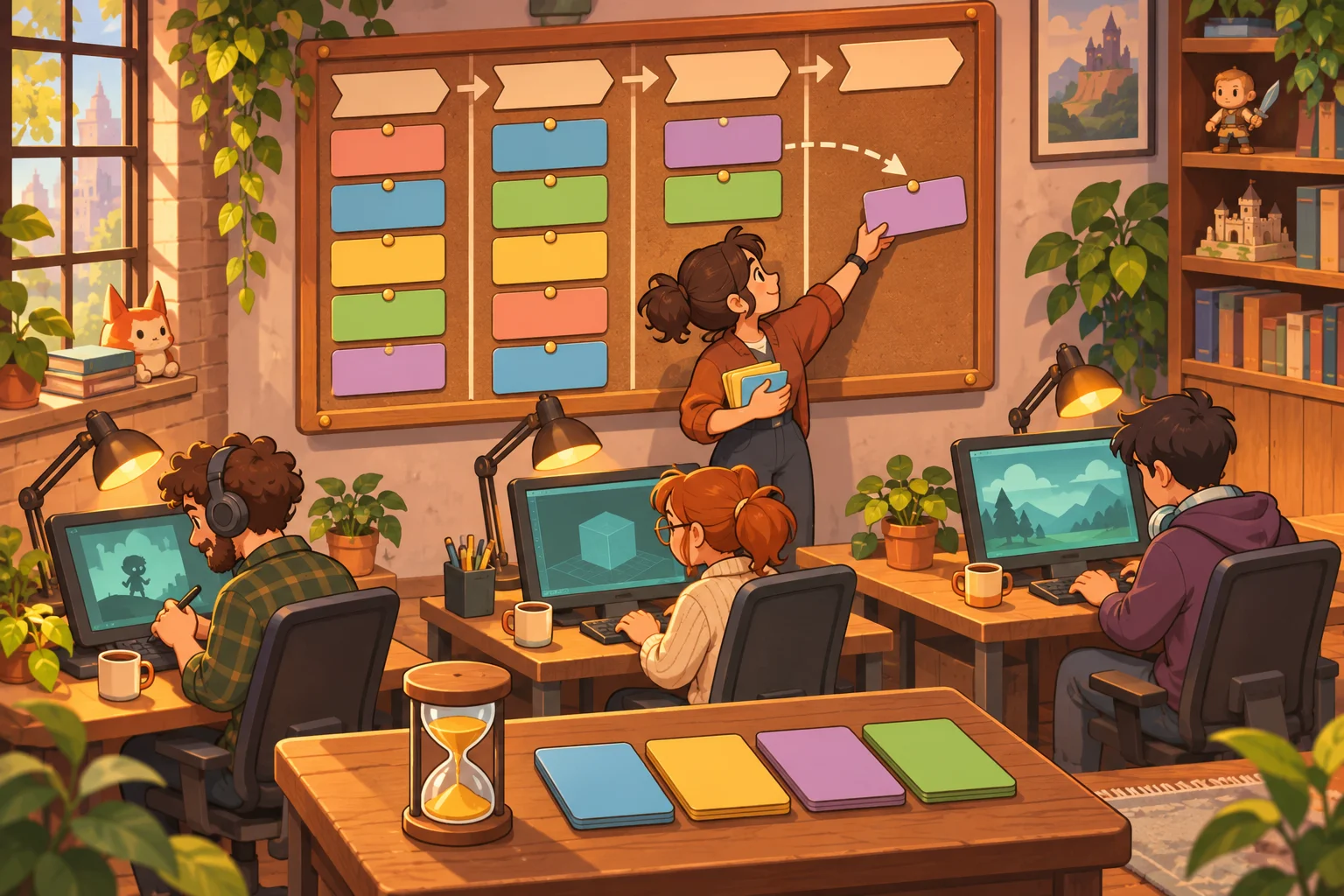
Make the cost of adding scope visible in schedule, budget, or team load. Let a focused build trade breadth for polish, or a larger build trade time for reach. The choice should have consequences that can be compared. If one feature is always optimal, revise its cost or create another project goal where a different choice can work.
Avoid treating every worker as interchangeable. A specialist can make one type of task more efficient, but assigning them there removes them from another opportunity. Make skills visible and let the player shift staff between milestones, with a cost such as interruption or onboarding delay when that is part of the design.
Handle delays and quality signals
When work slips, state the cause before offering a response. A dependency may be unfinished, a specialist may be overloaded, or a risky feature may need more iteration. The player can cut scope, extend the schedule, reassign staff, or accept a known issue. Each option should have a clear tradeoff that fits the project’s goals.
Use a small number of quality signals tied to causes: playtest feedback, defect count, feature completeness, team fatigue, or budget pressure. Do not combine them into a mystery score until the player has seen what each signal means. The player should understand whether a result came from a deliberate compromise or a hidden random penalty.
Give recovery choices room to work. If a project is already late, every response should not simply worsen all other outcomes. A smaller release can preserve schedule but reduce scope; an extension can protect quality but cost money; reassignment can unblock a dependency but disrupt another task. Tradeoffs keep recovery meaningful.
Use release review to shape the next cycle
After release, return a short review that connects outcomes to decisions. A feature may have matched the project goal; the schedule may have slipped because an early dependency was underestimated; a new tool may reduce risk on the next project. Each observation should point toward an action the player can try, not just praise or blame.

Test different strategies against the same project conditions. A smaller team can prioritize a tightly scoped release; a larger team can attempt a more complex project; a cautious player can invest in a prototype before committing. Compare the available choices and whether the review gives useful feedback to each approach.
Use SEELE AI’s game-studio capability to start from a written management-game concept, then inspect the draft against the project phases. Verify that scope, team assignments, delays, and release outcomes are visible and connected. The capability description does not guarantee a particular schedule or staffing simulation.
For another constrained-resource model, read the production-choice guide. To prototype an original studio simulation, start a game draft.
FAQ
How do you design product development cycles in a studio game?
Connect a project pitch to scope, production work, release, and a review that changes the next decision. Give each phase a visible choice and outcome. Keep the loop short enough to understand, but let several projects teach how team capacity, budget, and product goals interact.
What should a project phase ask the player to decide?
Ask for a decision that fits the current uncertainty. During scope, choose which features to include; during production, allocate people or respond to a delay; before release, decide whether to polish, cut scope, or ship. Show the cost of each choice before the player commits.
How can a management game make delays fair?
Show which dependency or capacity limit caused the delay, then offer a small set of responses such as reduce scope, extend the schedule, or reassign a specialist. Give each response a clear effect on budget, quality, or team load. Avoid random setbacks that provide no decision or recovery path.
How should release results affect future projects?
Return a few actionable signals tied to player choices, such as a feature that resonated, a missed schedule, or a skill gap. Let those signals unlock a new option or inform the next plan without collapsing the review into one opaque rating. Test whether players can explain what they would change next time.