A colony can look busy while its production chain quietly cheats. In Saltgrass Commons, fictional grazers eat saltgrass and leave compost. Marsh beetles turn compost into resin only when a reed bed gives them habitat. The useful design question is not how many creatures to place. It is whether players can see the feed, habitat and output links that keep the colony working.
Make each creature change the next decision
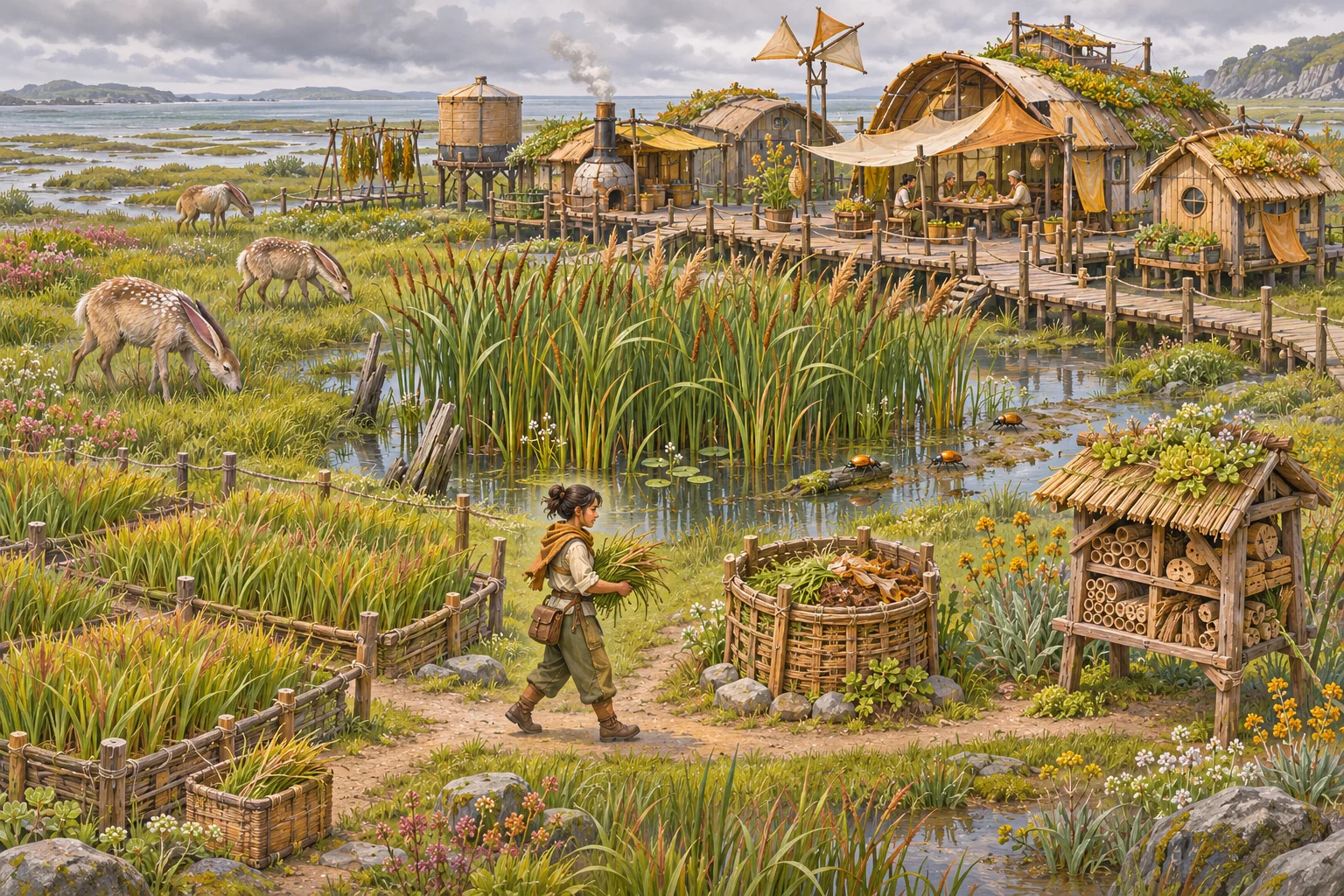
Keep the first prototype to one marsh, two species and three tracked resources. The rates below are fictional game rules, not claims about real wildlife.
| Link | Input and condition | Output per turn |
|---|---|---|
| Saltgrass grazer | 1 saltgrass per fed creature | 1 compost |
| Marsh beetle | 1 compost and at least 3 reeds nearby | 1 resin |
| Reed bed | Worker plants reeds; no automatic beetle output | Habitat condition |
A turn should resolve in a visible order: grazers check available saltgrass and create compost; beetles check both compost and the habitat threshold; then the colony display updates. If a creature lacks its input, it pauses without making a negative stock or silently borrowing from tomorrow.
Make habitat part of the recipe
Treat the reed bed as a production condition, not background decoration. Show its radius, current reed count and which beetles it supports. Give the player a clear warning when compost is ready but habitat is short. That turns a missing output into a planning choice: plant reeds, move the beetles or save compost for the next turn.
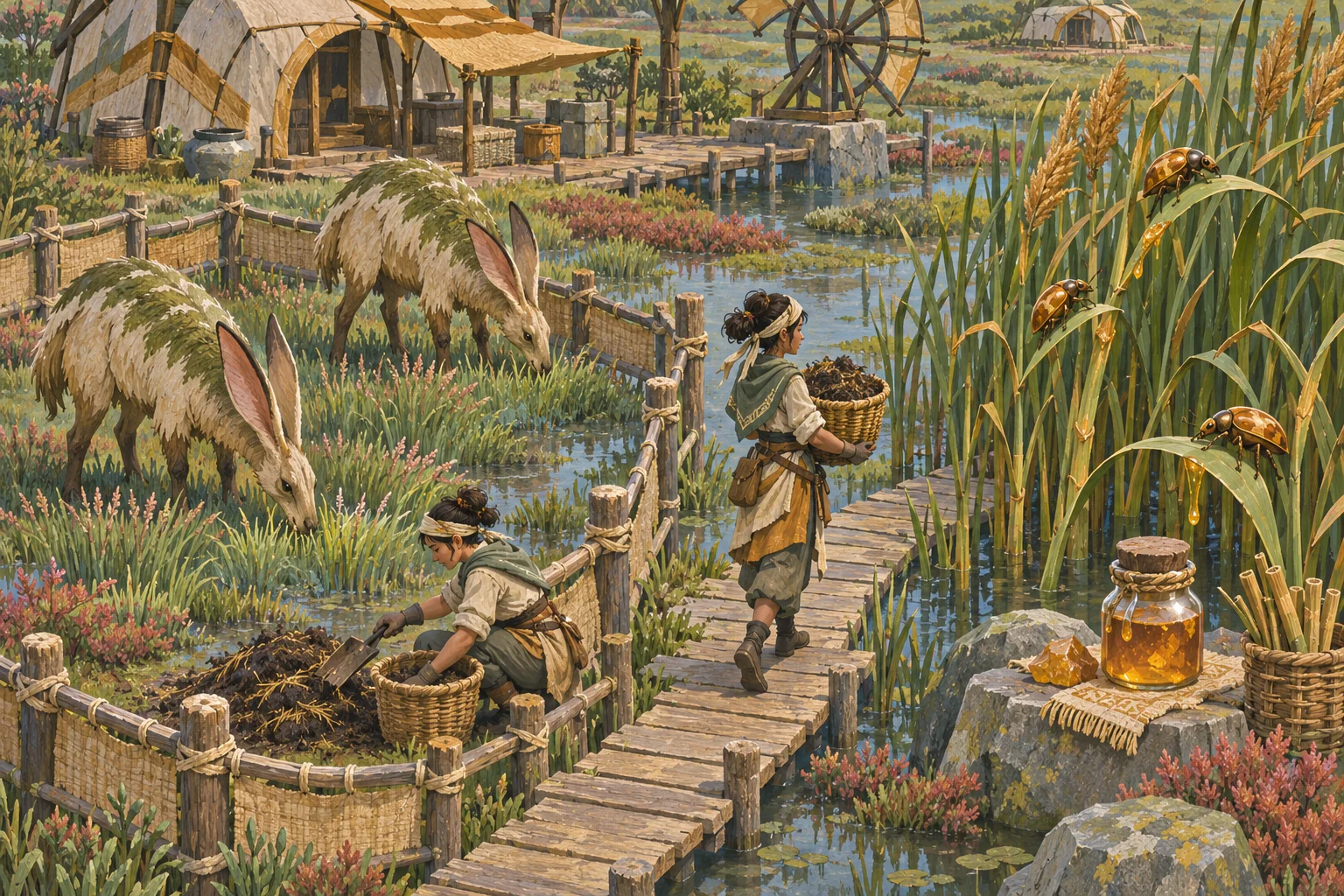
Give each creature a persistent ID and one job state: active, waiting for food, or waiting for habitat. When habitat falls below the threshold, beetles pause and keep their place in the colony. Do not remove them or pay resin anyway. That makes the chain explainable and gives players a recovery route.
Replay one fixed turn before balancing
The local rules replay held the colony input constant: two beetles, two compost and no reed habitat. The legacy rule produced two resin despite the missing habitat. The revised rule produced none and preserved the compost. Adding three reeds allowed the same two beetles to consume the two compost and create two resin. A separate no-grass case confirmed that hungry grazers produce no compost and do not drive stock below zero.
| Case | Unchecked rule | Habitat-gated rule |
|---|---|---|
| Two beetles, 2 compost, no reeds | 2 resin | 0 resin; compost stays |
| Same input, 3 reeds | 2 resin | 2 resin; compost consumed |
| Grazer with no saltgrass | Can create compost | 0 compost |
This is a deterministic local model of the stated rules, not a playable game test. Balance the turn length, regrowth and storage only after the inputs and blockers read clearly.
Start with one marsh and two species
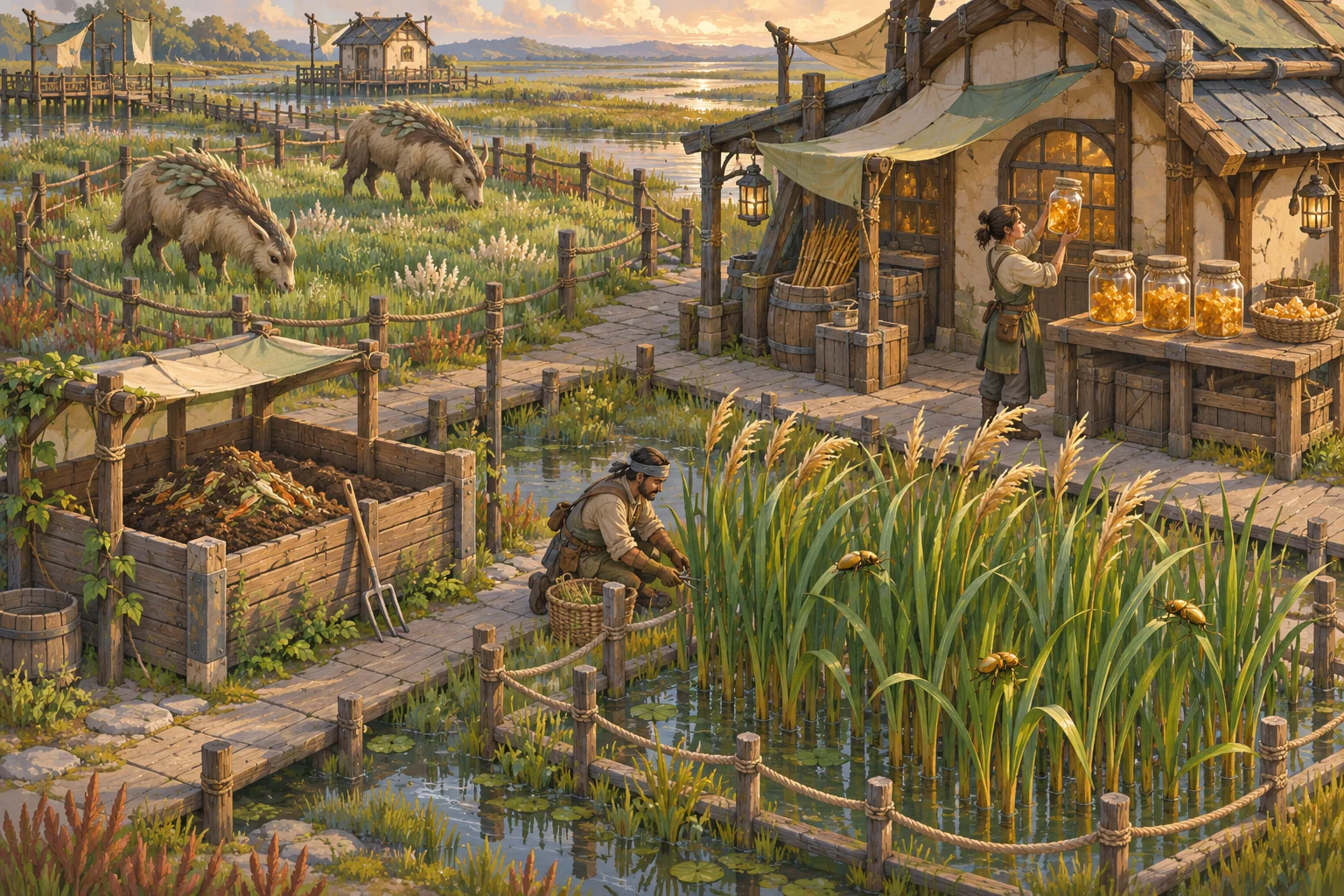
Ask an AI game maker for a tiny colony with a pauseable turn and visible stock counters. Keep one patch of saltgrass, two grazers, one reed bed and two beetles. Make each interaction inspectable before adding seasons, breeding or extra goods.
Create a colony-management game called Saltgrass Commons. Use one marsh, two saltgrass grazers and two marsh beetles with a shared inventory. Each fed grazer consumes 1 saltgrass and adds 1 compost per turn. Each beetle consumes 1 compost and makes 1 resin only when at least 3 reeds are in its habitat radius. Resolve grazers before beetles. If food, compost or habitat is missing, pause that creature, preserve remaining stock and explain the blocker. Show the chain, add a one-turn reset, and never grant output without its input.
Start a colony-management prototype in SEELE
Frequently asked questions
How do I show why a creature stopped producing?
Keep the missing input beside the creature's status: no saltgrass, no compost or too few reeds. A short, local explanation lets players decide whether to plant, stock or move something. Preserve the creature and any unused resources while the chain is paused, then update its state as soon as the condition is restored.
Should creatures produce while their habitat is incomplete?
For this prototype, no. Let the beetles wait until the reed threshold is met, and keep their compost available. That makes the habitat rule visible and prevents an unexplained resin bonus. Later, a separate experiment can compare partial habitat or reduced output, but it should not blur the first rule test.
When should I add more species to the colony?
Wait until players can predict one full turn and recover from a shortage. Then add only one species or resource at a time, with a stated input, condition and output. Replay the same starting inventory after each change so you can tell whether the new link adds a decision or just makes the stock display harder to read.