A cooperative logistics game is easier to prototype when its defining rule produces a visible state change. Two roles coordinate dispatch using different information. Build one small scenario where a player can see the inputs, make a choice and inspect what changed.
Start with two comparable states and change only the feature named in the brief. Keep the supporting conditions fixed, record the outcome and state what the check cannot prove. A deterministic model can catch logic errors, but it cannot establish whether a mechanic feels fair, believable or enjoyable.

Give cooperative logistics roles complementary information
Separate responsibilities without hiding information players need to coordinate. A dispatcher can see routes and vehicle capacity, while a warehouse lead sees inventory and loading readiness. Each role should have a clear action and a shared delivery board.
Use a turn or dispatch phase where players exchange the details needed for a decision. Make a handoff visible: a stock report changes a request from unconfirmed to ready, then the dispatcher can assign a vehicle. Avoid making one role wait without a meaningful decision.
Start with one map, two vehicles and a few deliveries. Keep requests and capacity fixed while testing whether role actions produce a valid plan. A model can count deliveries and handoffs; it cannot determine whether two people communicate well or enjoy the division of work.
Compare two versions of the defining mechanic
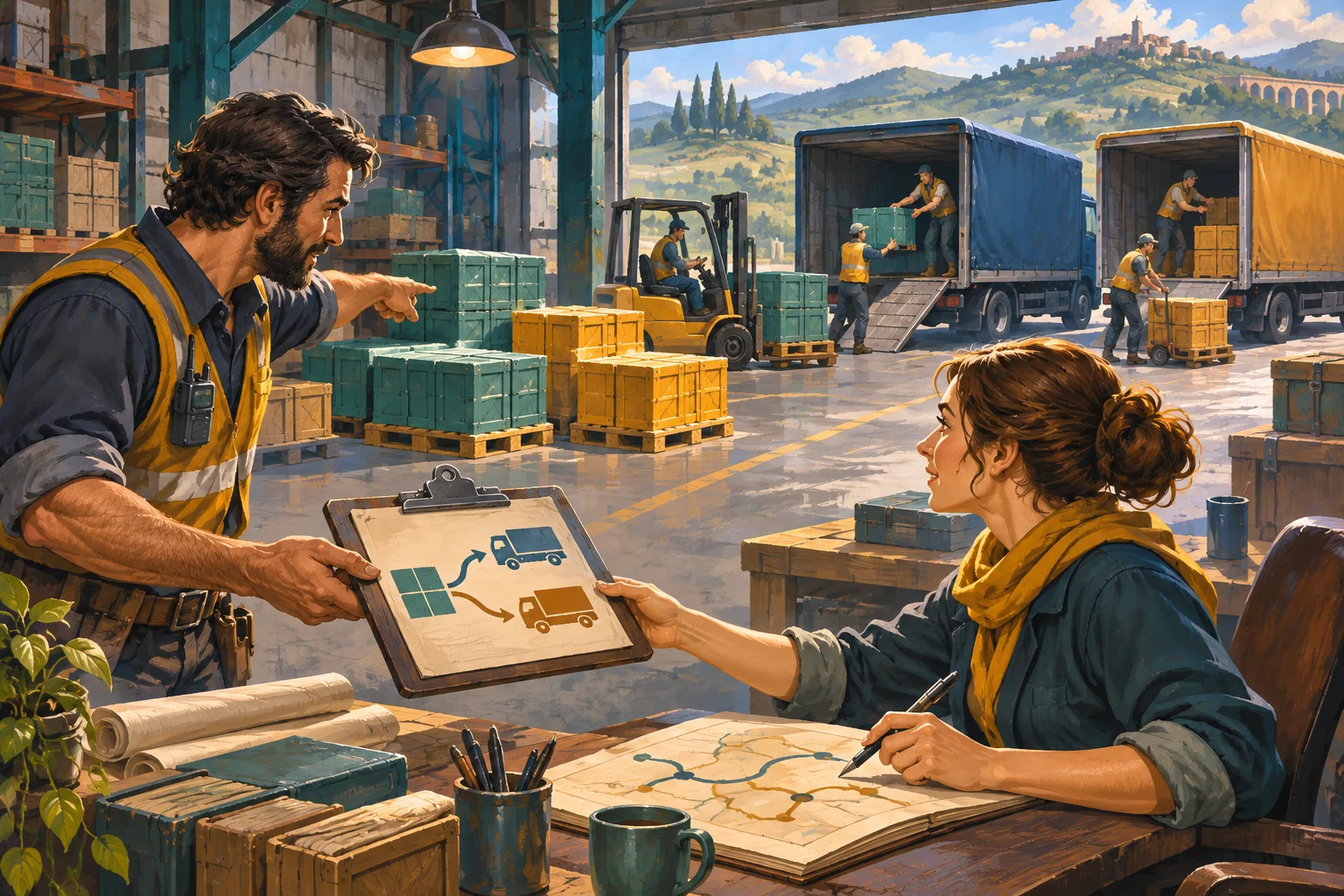
Set up a depot with two vehicles, each carrying two crates, and three destination requests. The dispatcher sees travel costs but not the current stock count. The warehouse lead sees stock and must mark which orders can be loaded.
In the baseline, the dispatcher routes an unconfirmed request and the vehicle leaves short one crate. In the coordinated version, the warehouse lead reports the ready orders first; the dispatcher assigns the vehicle only after the stock signal appears. With the same map and capacity, all selected orders can be loaded correctly.
The check verifies capacity and handoff state, not cooperative fun. It does not measure voice communication, timing pressure or whether the roles feel balanced. Play with people in both roles and note whether each has useful choices during a dispatch.

Ask AI to prototype the core mechanic
Show the initial state, player choice, rule inputs and resulting state.
Change only the defining feature between the two scenarios.
Create a small cooperative logistics game prototype. Scenario A: Dispatcher sees routes but not each warehouse stock. Scenario B: Warehouse lead reports stock and dispatcher assigns the route. Use fixed requests, vehicle capacity and map; compare role handoffs and fulfilled deliveries. Show the relevant state before and after, plus any unresolved requests or routes. Keep the result scoped to rule verification and do not claim that it proves player enjoyment or real-world accuracy.
Use a controlled check before adding more systems
Two roles coordinate dispatch using different information. Compare the two cases with supporting conditions held constant and make the state change easy to inspect. The model can verify that the mechanic responds to its intended input. It cannot establish whether the choice is fun or balanced, so playtest the decision before adding more systems.
Prototype a cooperative logistics game with SEELE’s AI game maker
Frequently asked questions
How do separate roles create cooperation in a logistics game?
Give each role useful but complementary information and an action that affects the shared plan. For example, a warehouse lead confirms stock while a dispatcher assigns routes and vehicle capacity. A visible handoff lets both players see when an order is ready to move.
How can I keep one cooperative role from waiting?
Give both roles meaningful decisions during each dispatch cycle. The warehouse role can prepare, combine or flag orders while the route role compares destinations and capacity. Show a shared board so players can coordinate without forcing one person to guess hidden state that the other cannot communicate.
Does a capacity model show that cooperative play is balanced?
No. It can verify that selected orders fit vehicles and that a handoff changed readiness. It cannot measure communication quality, role enjoyment or whether time pressure feels fair. Playtest with people switching roles, then adjust the information and decisions each role owns.