A life-simulation RPG game is easier to prototype when its defining rule produces a visible state change. Observe enemy behavior to learn a usable ability. Build one small scenario where a player can see the inputs, make a choice and inspect what changed.
Start with two comparable states and change only the feature named in the brief. Keep the supporting conditions fixed, record the outcome and state what the check cannot prove. A deterministic model can catch logic errors, but it cannot establish whether a mechanic feels fair, believable or enjoyable.

Turn enemy observation into a learnable skill
Give each enemy a small, readable behavior pattern: a wind-up, an action and a recovery. The player needs an observation record that tracks which cues they have actually seen, not a vague progress meter.
When a pattern repeats, update the record with the observed cue and context. An ability can unlock after the player witnesses the full sequence a defined number of times. Show what was learned and let the player test the counter in a low-risk encounter.
Keep observation separate from victory. A player may study a foe and retreat, or win through another tactic without learning the pattern. This makes the ability system legible and lets the prototype test whether learning depends on exposure rather than damage dealt.

Compare two versions of the defining mechanic
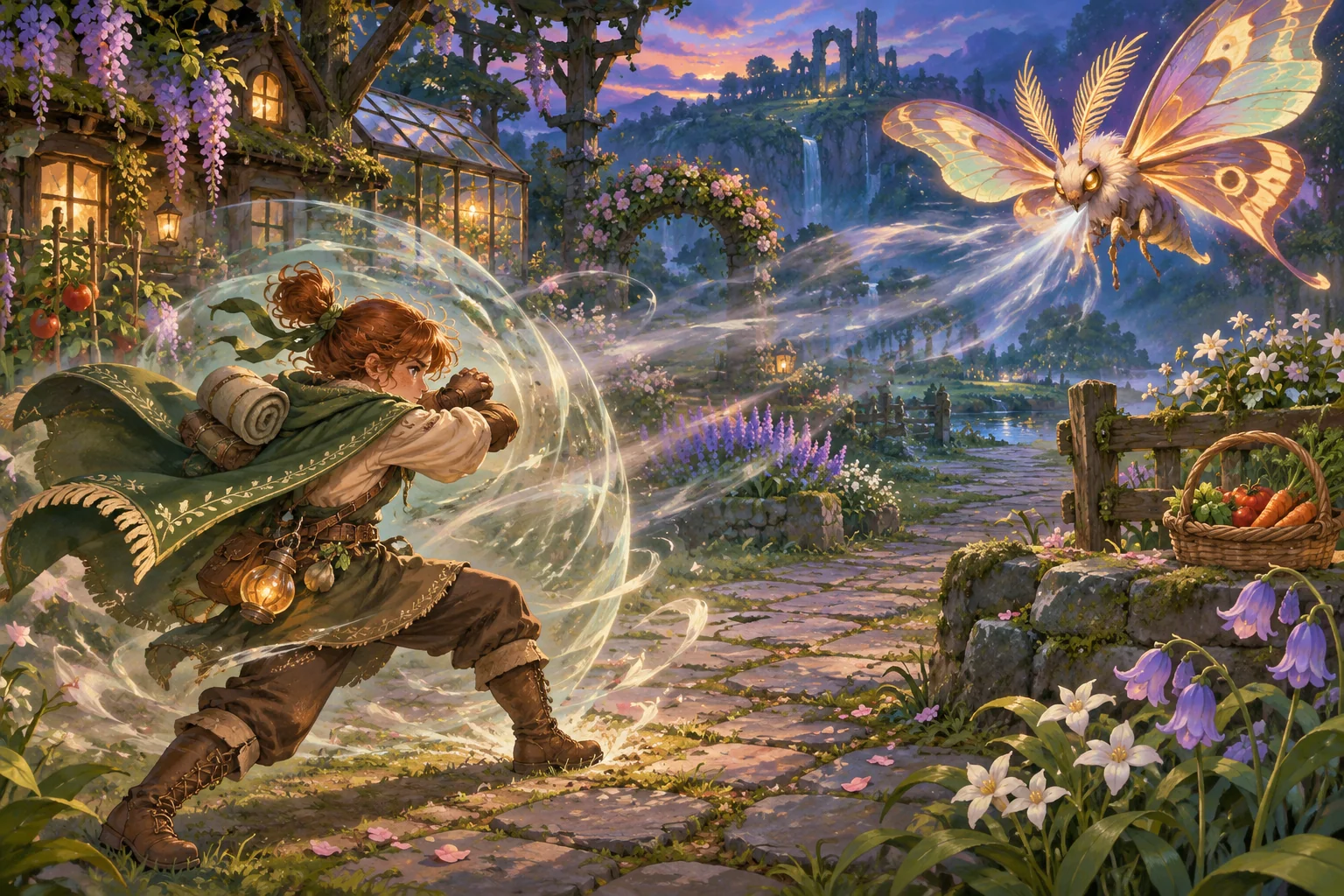
Use a fictional cave moth whose wing-fold telegraph precedes a gust attack. The player has not seen the recovery animation. After one encounter, the journal records the wing cue but keeps the counter ability locked.
In a second encounter, hold the moth pattern and player stats constant. The player stays long enough to observe the gust and recovery. The record now contains the complete pattern, and a wind-brace ability becomes available for practice.
This deterministic state check verifies the observation threshold and unlock. It does not show whether watching is fun, whether the clue is fair or whether the ability fits combat. Playtest recognition before adding more enemies or rewards.
Ask AI to prototype the core mechanic
Show the initial state, player choice, rule inputs and resulting state.
Change only the defining feature between the two scenarios.
Create a small life-simulation RPG game prototype. Scenario A: The player watches an enemy telegraph but leaves before seeing its full pattern. Scenario B: The player observes two complete telegraphs and unlocks a counter ability. Hold enemy pattern, encounter length and player stats fixed; compare observation count and unlock state. Show the relevant state before and after, plus any unresolved requests or routes. Keep the result scoped to rule verification and do not claim that it proves player enjoyment or real-world accuracy.
Use a controlled check before adding more systems
Observe enemy behavior to learn a usable ability. Compare the two cases with supporting conditions held constant and make the state change easy to inspect. The model can verify that the mechanic responds to its intended input. It cannot establish whether the choice is fun or balanced, so playtest the decision before adding more systems.
Prototype a life-simulation RPG game with SEELE’s AI game maker
Frequently asked questions
How can an RPG teach abilities through studying enemies?
Give an enemy a visible behavior sequence and record the cues the player witnesses. When the player observes the complete pattern, unlock an ability that responds to it. Make the journal state what remains unknown so learning feels connected to attention rather than an unexplained level reward.
Should a player have to defeat an enemy to learn its ability?
Not necessarily. If the design is about study, progress can depend on witnessing a defined pattern rather than dealing damage or winning. A player might observe, retreat and practice the counter later. Keep the unlock condition explicit so combat success and knowledge gain remain distinct.
Does an unlock model prove the learning loop is fun?
No. A deterministic check can verify observed cues and ability state under fixed encounters. It cannot establish whether telegraphs are readable, observation is tense or the reward feels useful. Playtest with players who do not know the enemy pattern, then adjust cues and thresholds based on what they notice.