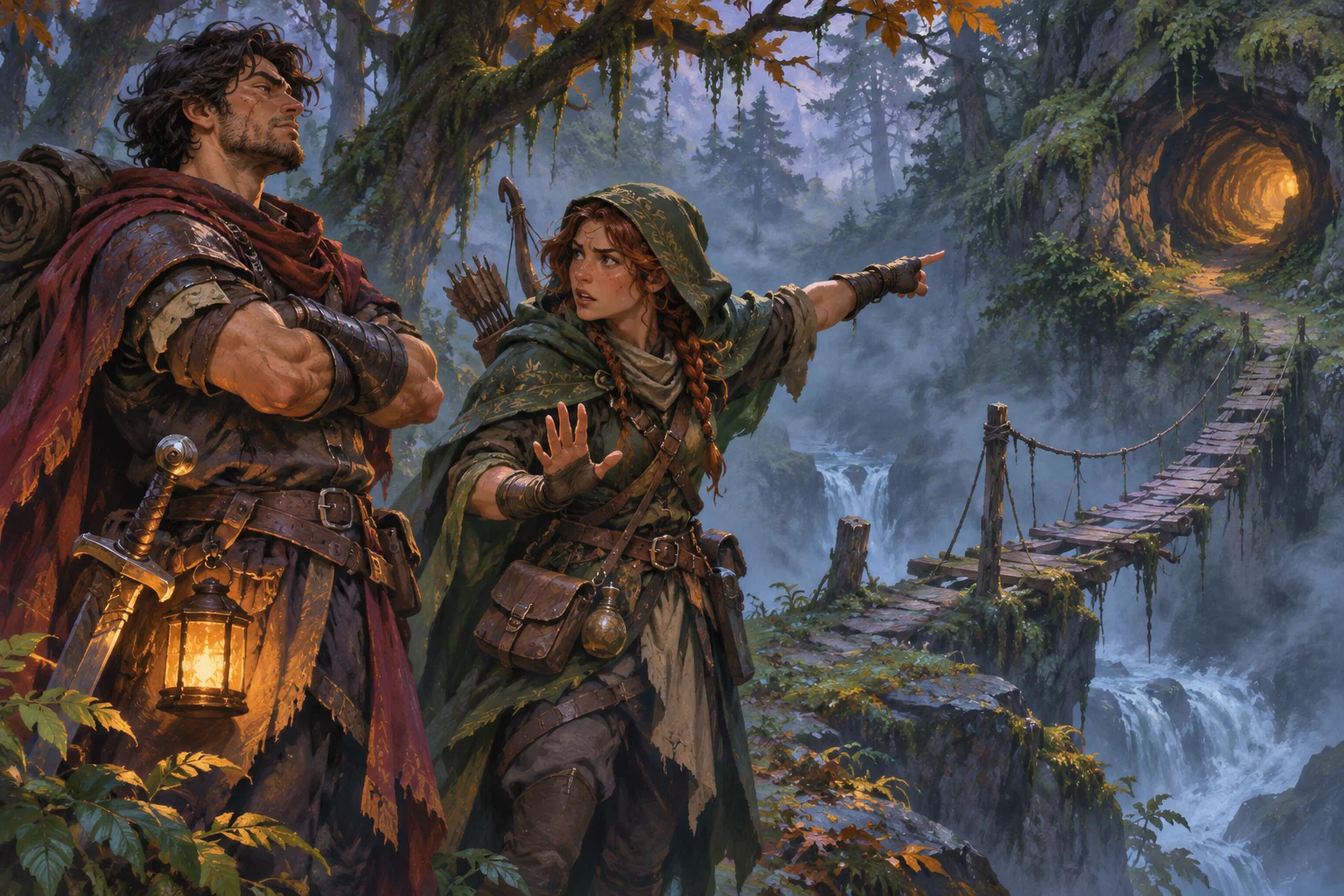
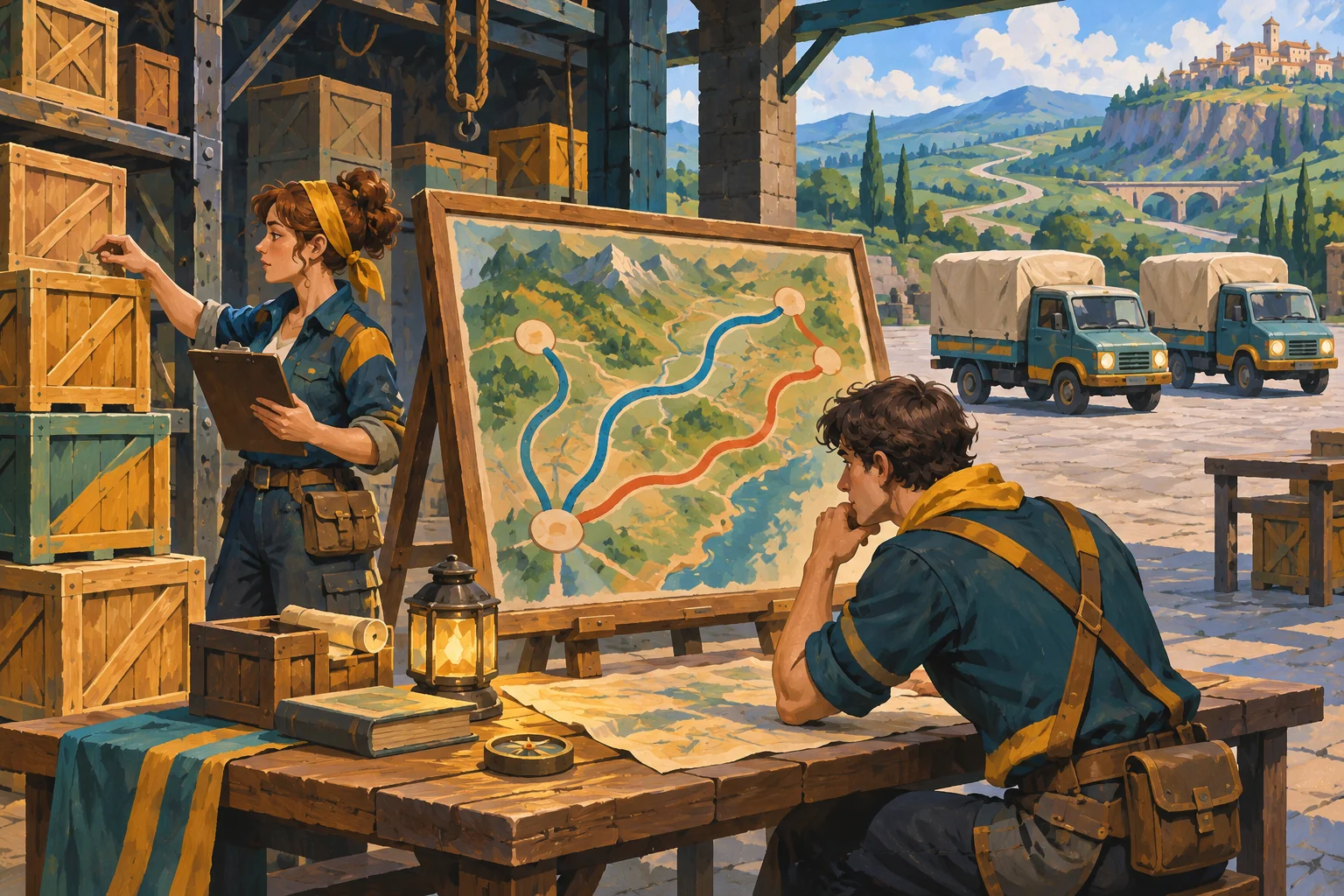
A memory tactical RPG game is easier to prototype when its defining rule produces a visible state change. Found memories unlock tactical map routes and context. Build one small scenario where a player can see the inputs, make a choice and inspect what changed.
Start with two comparable states and change only the feature named in the brief. Keep the supporting conditions fixed, record the outcome and state what the check cannot prove. A deterministic model can catch logic errors, but it cannot establish whether a mechanic feels fair, believable or enjoyable.
Connect memory collection to tactical map exploration
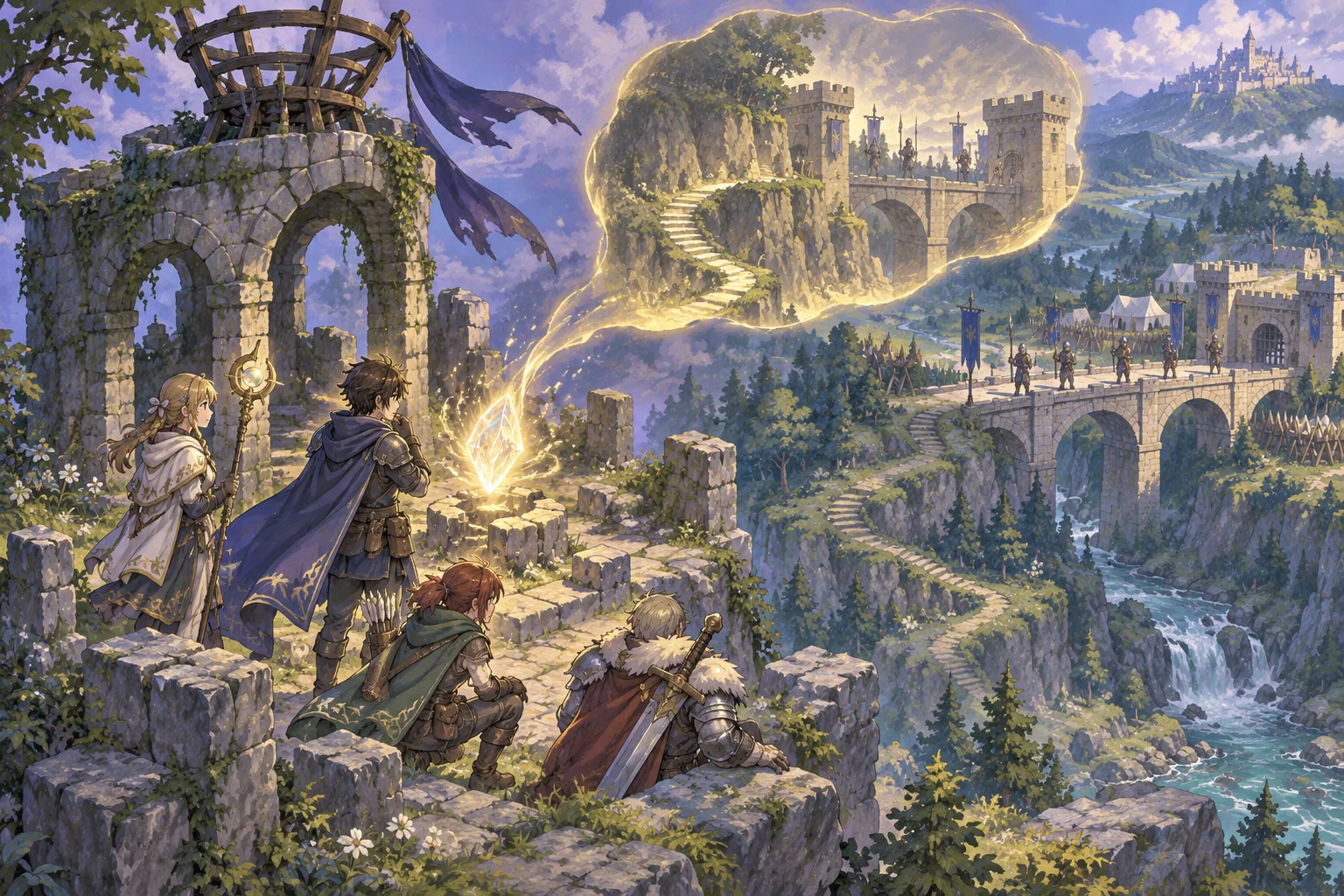
Make each memory fragment do more than fill a collection page. It can restore a landmark, reveal a safe passage or explain why a tactical position matters. Keep the fragment’s map effect tied to a clear flag that the player can review.
Separate exploration unlocks from combat strength. A recovered memory might open a route around a defended bridge without increasing damage or health. This gives players a navigation choice while leaving encounter balance easier to inspect.
Use a fixed tactical map with a sealed route and a small number of memory flags. Compare the same party and encounter before and after collecting the required fragments. The test can verify map access and route connectivity, not whether a memory feels emotionally meaningful.
Compare two versions of the defining mechanic
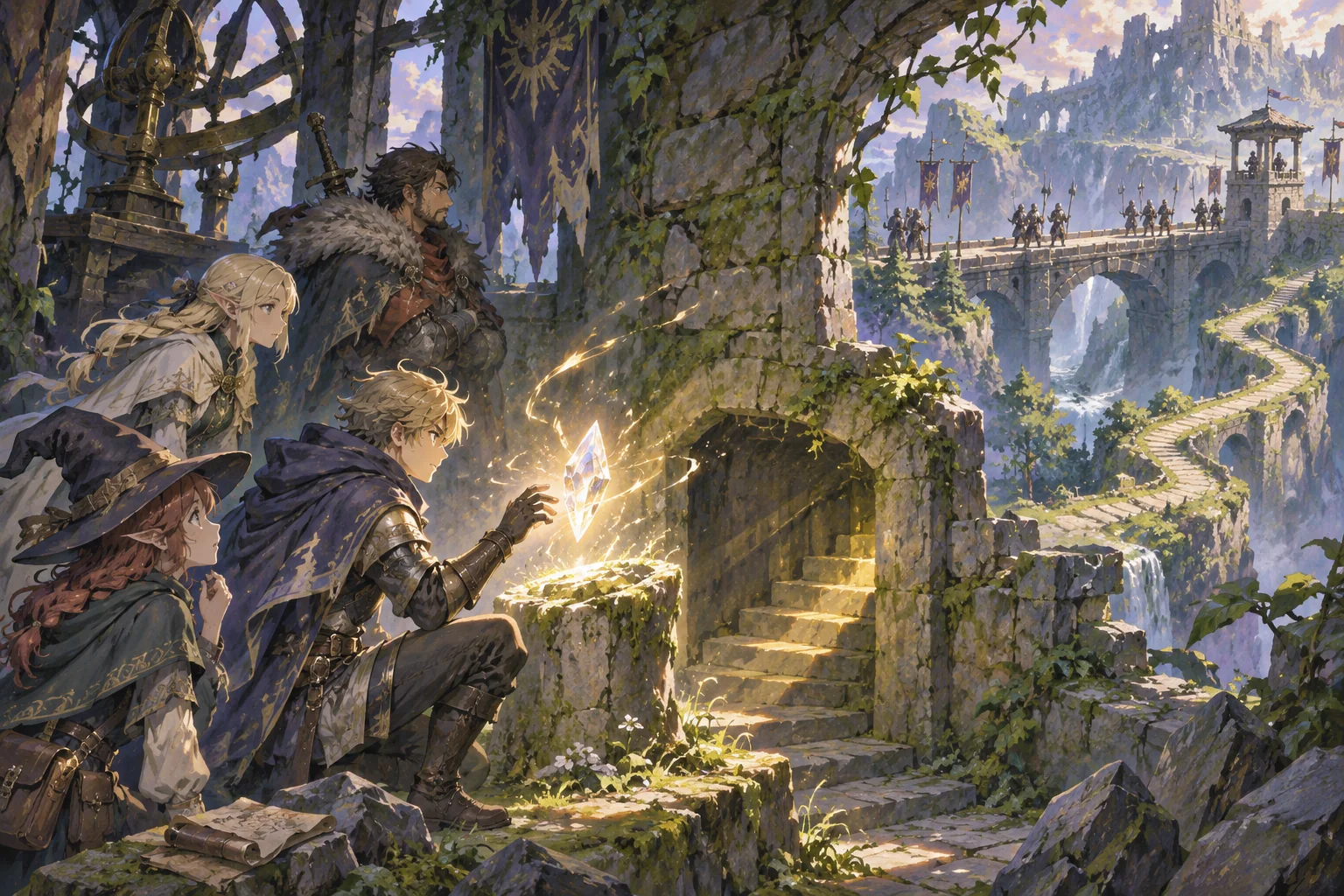
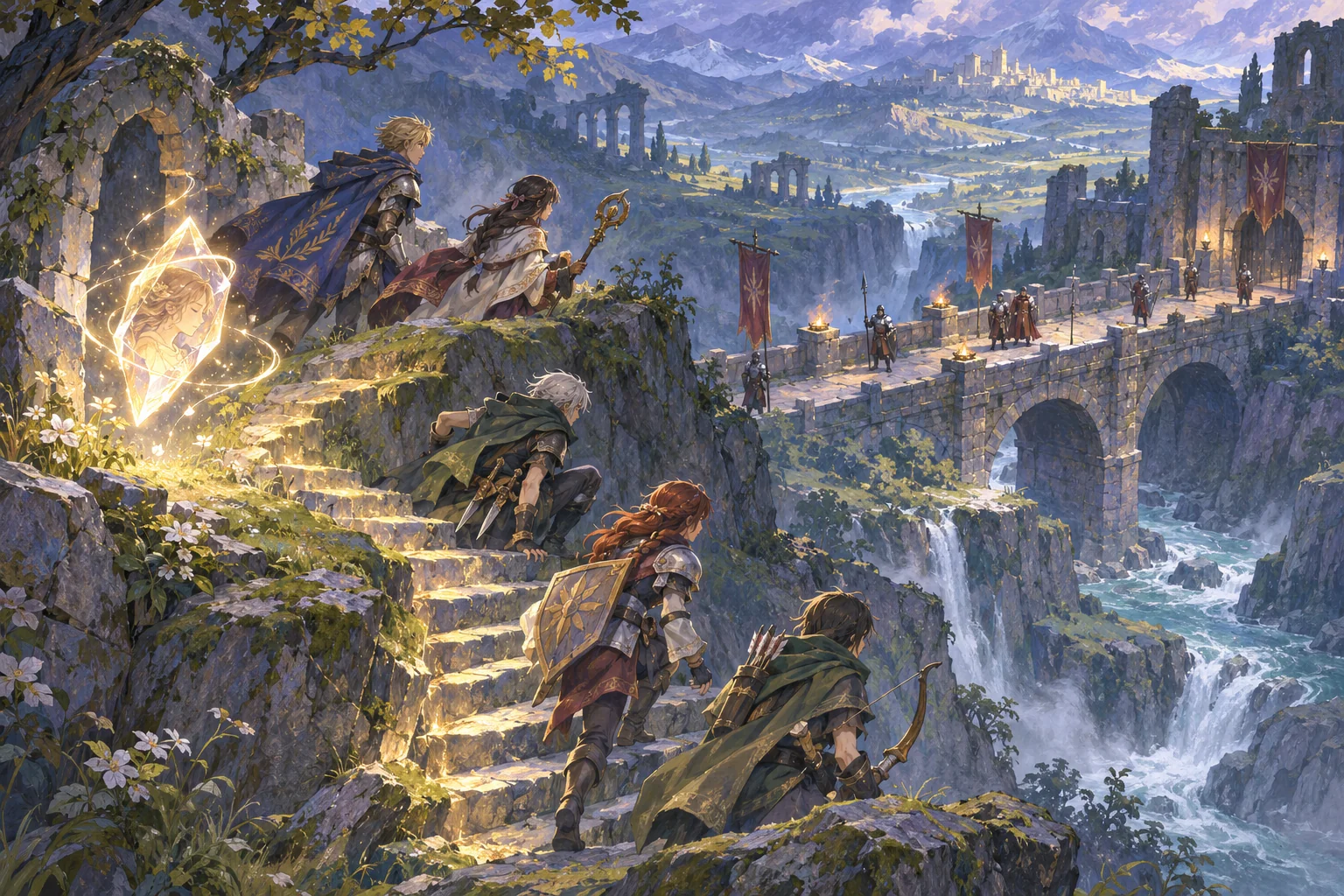
Place a ruined signal tower beyond a locked ridge path. Two memory fragments are hidden in nearby map tiles: one recalls the tower’s bell code and the other reveals an old maintenance stair. With neither collected, the party can only approach through a guarded bridge.
Collect both fragments while keeping party members and enemy positions unchanged. The map now marks the stair as passable, giving the player a flank route into the same encounter. The memory journal explains which recollection opened the path.
This state check verifies that both flags unlock the stair and that the route connects to the encounter map. It does not measure emotional impact or tactical balance. Playtest whether the clue helps players infer the route before adding more memory gates.
Ask AI to prototype the core mechanic
Show the initial state, player choice, rule inputs and resulting state.
Change only the defining feature between the two scenarios.
Create a small memory tactical RPG game prototype. Scenario A: The player passes a sealed map gate with no memory fragments. Scenario B: Collecting two fragments reveals a route through the same map. Hold map, party and encounter fixed; vary memory flags and check route availability. Show the relevant state before and after, plus any unresolved requests or routes. Keep the result scoped to rule verification and do not claim that it proves player enjoyment or real-world accuracy.
Use a controlled check before adding more systems
Found memories unlock tactical map routes and context. Compare the two cases with supporting conditions held constant and make the state change easy to inspect. The model can verify that the mechanic responds to its intended input. It cannot establish whether the choice is fun or balanced, so playtest the decision before adding more systems.
Prototype a memory tactical RPG game with SEELE’s AI game maker
Frequently asked questions
How can collected memories change tactical exploration?
Connect a recovered memory to a visible map state such as a revealed stair, landmark or safe passage. Keep the clue and the route effect related so players can understand why the map changed. Memory collection can open navigation choices without changing combat statistics.
Should memories make the party stronger in combat?
They do not have to. A memory can reveal a route or explain a battlefield feature while leaving health, damage and enemy positions unchanged. Separating exploration unlocks from combat bonuses makes it easier to test whether the new path works without also changing encounter balance.
Does a route unlock prove the memory story works?
No. A state check can verify that the required memory flags expose a connected route. It cannot establish emotional impact, clue readability or tactical fairness. Playtest whether players understand the recollection and can discover what it changed before adding more gated paths.