A restaurant custom orders game is easier to prototype when its defining rule produces a visible state change. Customers request a custom dish that changes kitchen production. Build one small scenario where a player can see the inputs, make a choice and inspect what changed.
Start with two comparable states and change only the feature named in the brief. Keep the supporting conditions fixed, record the outcome and state what the check cannot prove. A deterministic model can catch logic errors, but it cannot establish whether a mechanic feels fair, believable or enjoyable.
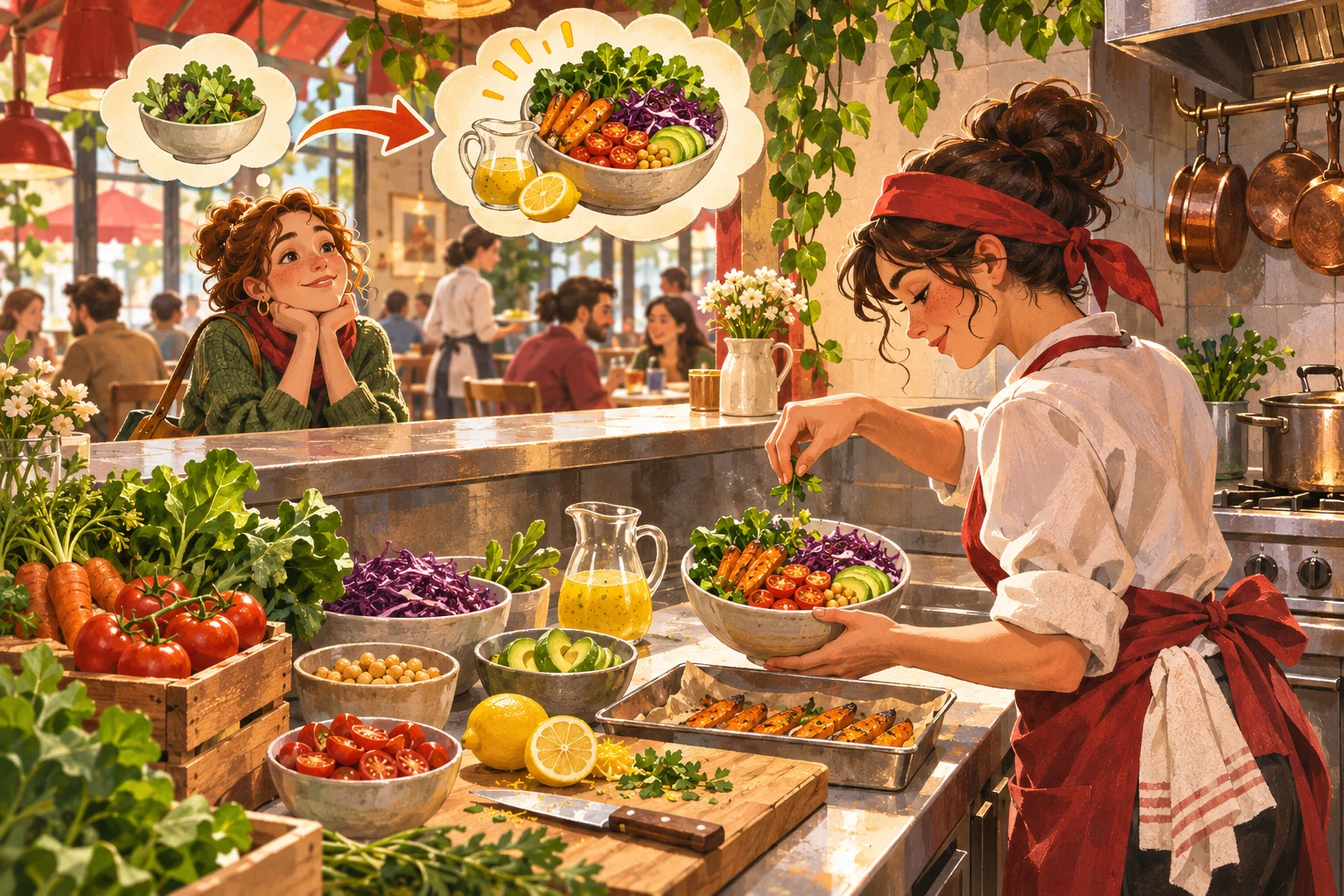
Make custom customer orders affect kitchen production
Represent a standard dish as a recipe with ingredients and preparation steps. A custom request can replace one ingredient, remove an item or add a step, but the kitchen should show the change before accepting the order. This gives customization a visible production cost.
Keep customer requests within rules the kitchen can fulfill. A request validator checks ingredient availability and whether the requested substitution is allowed. Once accepted, the order enters the same queue as standard dishes, with its modified recipe and service time shown.
Start with one station, a small pantry and a short service window. Hold pantry stock and customer count fixed while comparing a default dish to a custom version. The prototype can verify order validity and queue accounting, not the quality of food or the pressure of a real kitchen.
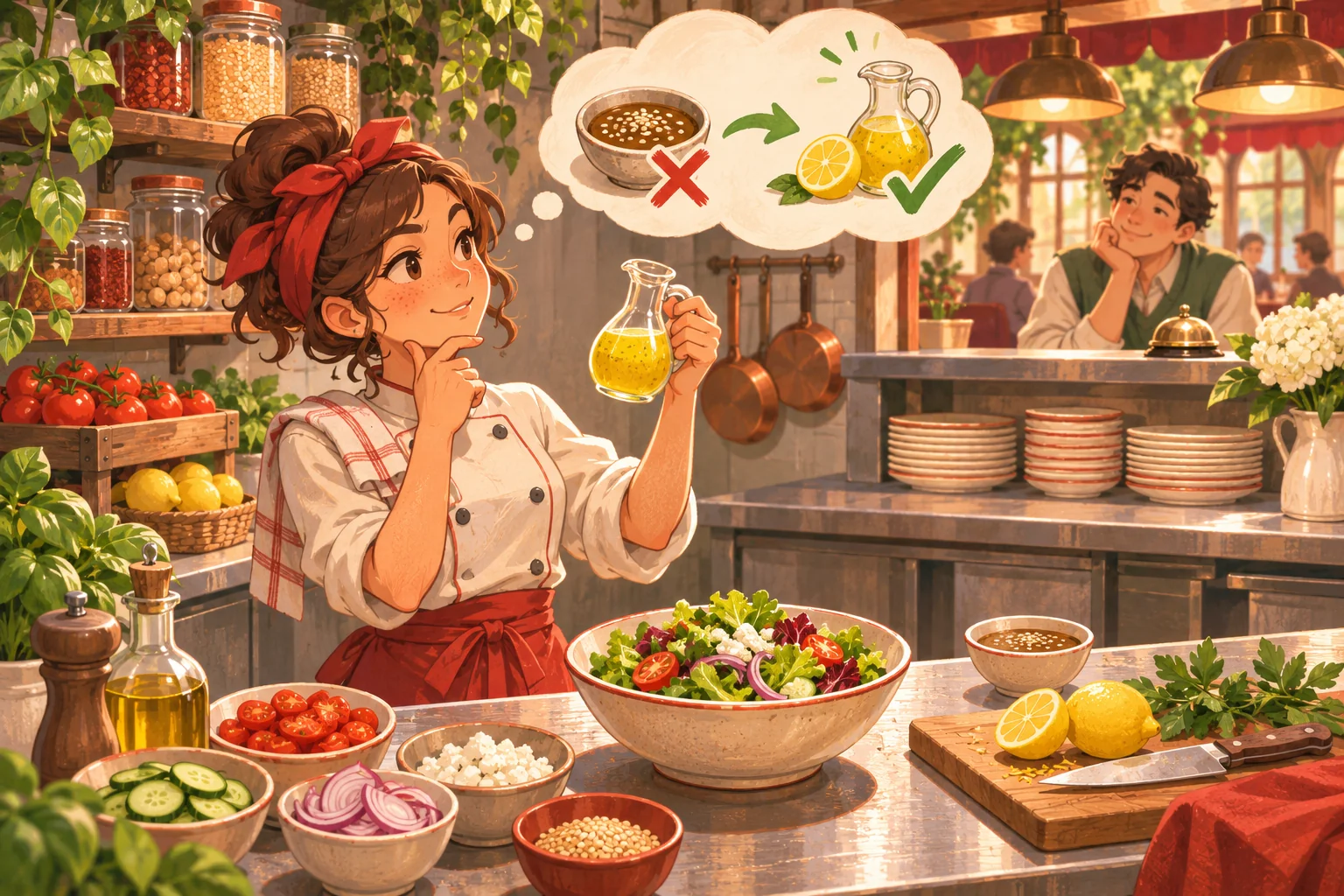
Compare two versions of the defining mechanic
The cafe sells a vegetable bowl that uses rice, greens and sesame sauce. A customer asks to replace sesame sauce with lemon dressing. The pantry has the substitute, and the menu permits one sauce swap. The validator marks the request as valid and adds one plating step.
In the baseline, the bowl takes three preparation steps. With the custom request, it takes four and joins the same kitchen queue. Keep station capacity, ingredients and the service window constant; the queue model records whether the custom order is completed before the window closes.
This check verifies substitution rules, stock use and queue state. It does not model flavor, allergies or realistic cooking time. Playtest whether the customization is understandable, then add ingredient shortages or multiple stations after the basic order path is reliable.
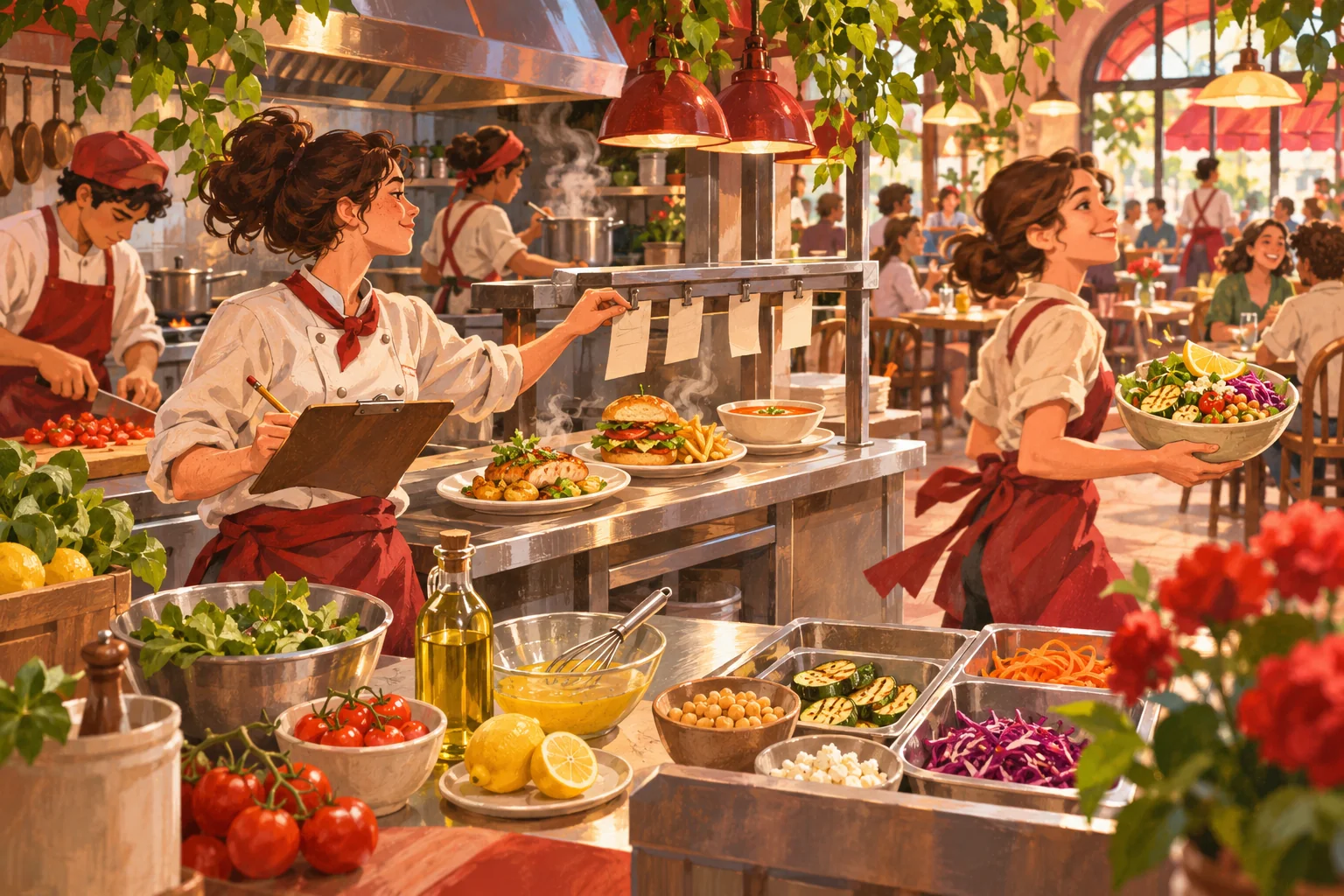
Ask AI to prototype the core mechanic
Show the initial state, player choice, rule inputs and resulting state.
Change only the defining feature between the two scenarios.
Create a small restaurant custom orders game prototype. Scenario A: A standard menu order uses the default recipe and prep time. Scenario B: A custom request swaps one ingredient and adds a prep step. Keep kitchen inventory and service window fixed; compare recipe validity and queue completion. Show the relevant state before and after, plus any unresolved requests or routes. Keep the result scoped to rule verification and do not claim that it proves player enjoyment or real-world accuracy.
Use a controlled check before adding more systems
Customers request a custom dish that changes kitchen production. Compare the two cases with supporting conditions held constant and make the state change easy to inspect. The model can verify that the mechanic responds to its intended input. It cannot establish whether the choice is fun or balanced, so playtest the decision before adding more systems.
Prototype a restaurant custom orders game with SEELE’s AI game maker
Frequently asked questions
How do custom orders affect restaurant production?
A substitution or extra preparation step changes the recipe the kitchen must fulfill. Validate that the requested change is allowed and ingredients are available, then show the modified steps and queue time before accepting. This makes customization visible as an operations choice rather than flavor text alone.
How can a game prevent impossible custom requests?
Give each recipe explicit substitution rules and check pantry stock before accepting the order. If an ingredient is missing or the request is unsupported, explain the limitation and let the customer choose an available option. Keep the accepted recipe attached to the queued order so it cannot change unnoticed.
Does a kitchen queue model prove the restaurant is realistic?
No. It can verify recipe rules, ingredient use and whether a queue fits a fixed service window. It cannot assess taste, food safety, believable preparation times or real kitchen pressure. Treat the values as fictional and playtest whether custom requests create clear choices before expanding the menu.