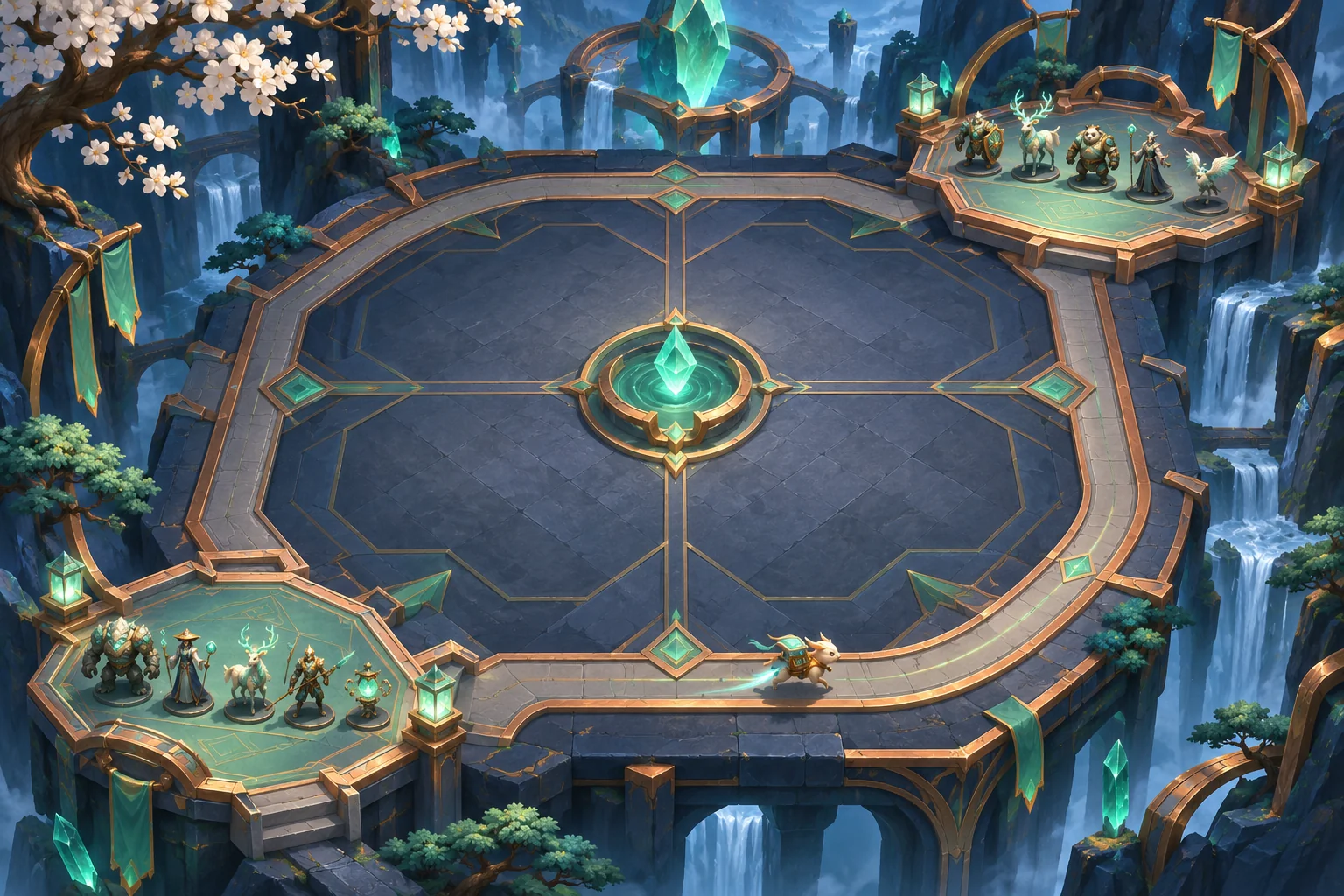
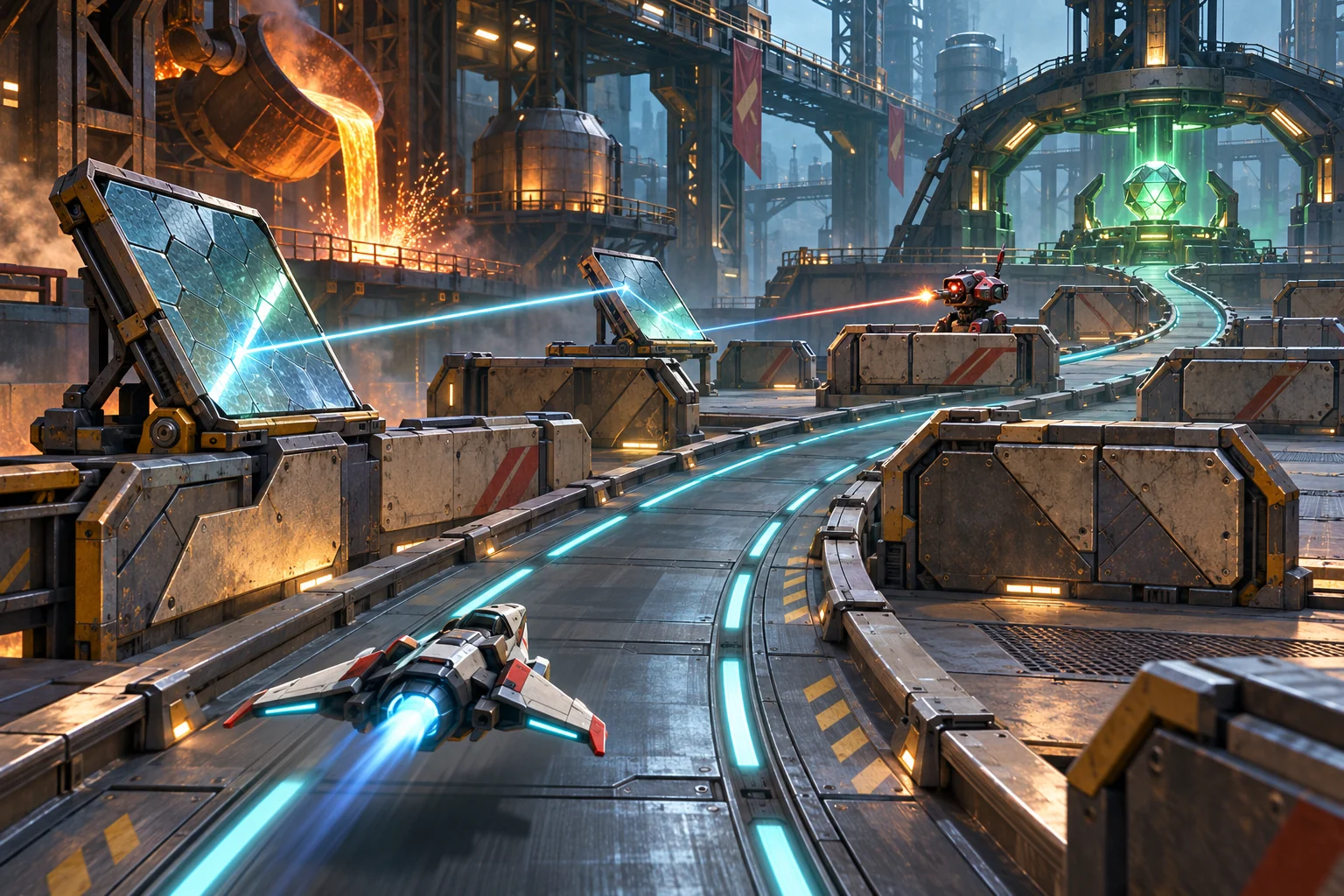
In a reverse tower-defense mission, the player sends teams through an automated defense. Give that familiar setup a different finish: success means rescuing people and getting them out, not destroying every tower. In the fictional mission Breakwater, two captives wait beyond a marked firing lane while a shield squad and a runner approach from separate routes.
Make the rescue rules visible. Towers choose targets by a simple priority, carriers move more slowly, and rescued people count only after reaching extraction. Then compare a direct crossing with a decoy plan on the same map. The test should show whether players can read danger, protect the carrier and win while the defenses remain intact.
Make extraction the win condition, not tower destruction
Build a short mission from three readable parts: a deployment zone, a defended rescue point and an extraction zone. Place three captives at the rescue point. The mission is won when two reach extraction; it is lost if the carrier team is eliminated or the five-turn window closes. Towers are hazards with fixed firing lanes, not targets that must be destroyed.
Give the player two squads with different jobs. A shield squad has 10 health and can draw fire; a runner has 5 health and can carry one captive but moves only one tile per turn while carrying. A rescue action takes one turn. Keep the captive counter separate from combat score so the objective remains clear.
Use predictable tower targeting to support route planning
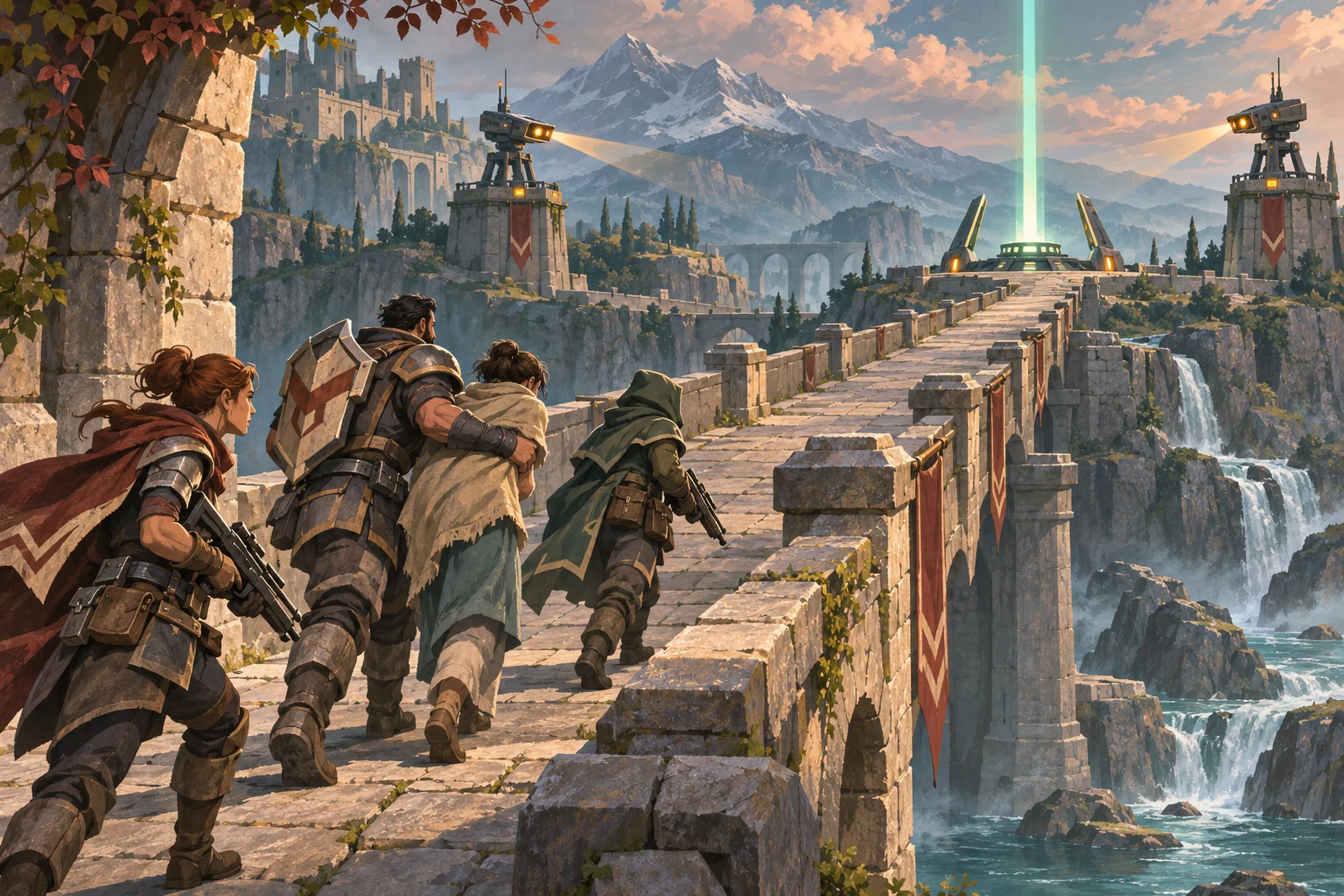
Start with two automated towers covering the direct tunnel. Each deals 2 damage per turn to the nearest squad in its lane. If squads tie, the tower targets the carrier; a decoy order can make the shield squad count as the nearest target for one turn. A side path avoids the overlapping lane but takes one extra movement turn. Show each tower’s range and target before squads move.
This simple targeting rule turns deployment into a route puzzle. The shield squad can draw a shot while the runner moves toward the rescue point, or both can cross the direct tunnel and risk concentrated damage. Avoid hidden aggro rules: players should be able to predict why a tower chooses its target and what the decoy command changes.
Compare a direct crossing with a decoy-assisted rescue
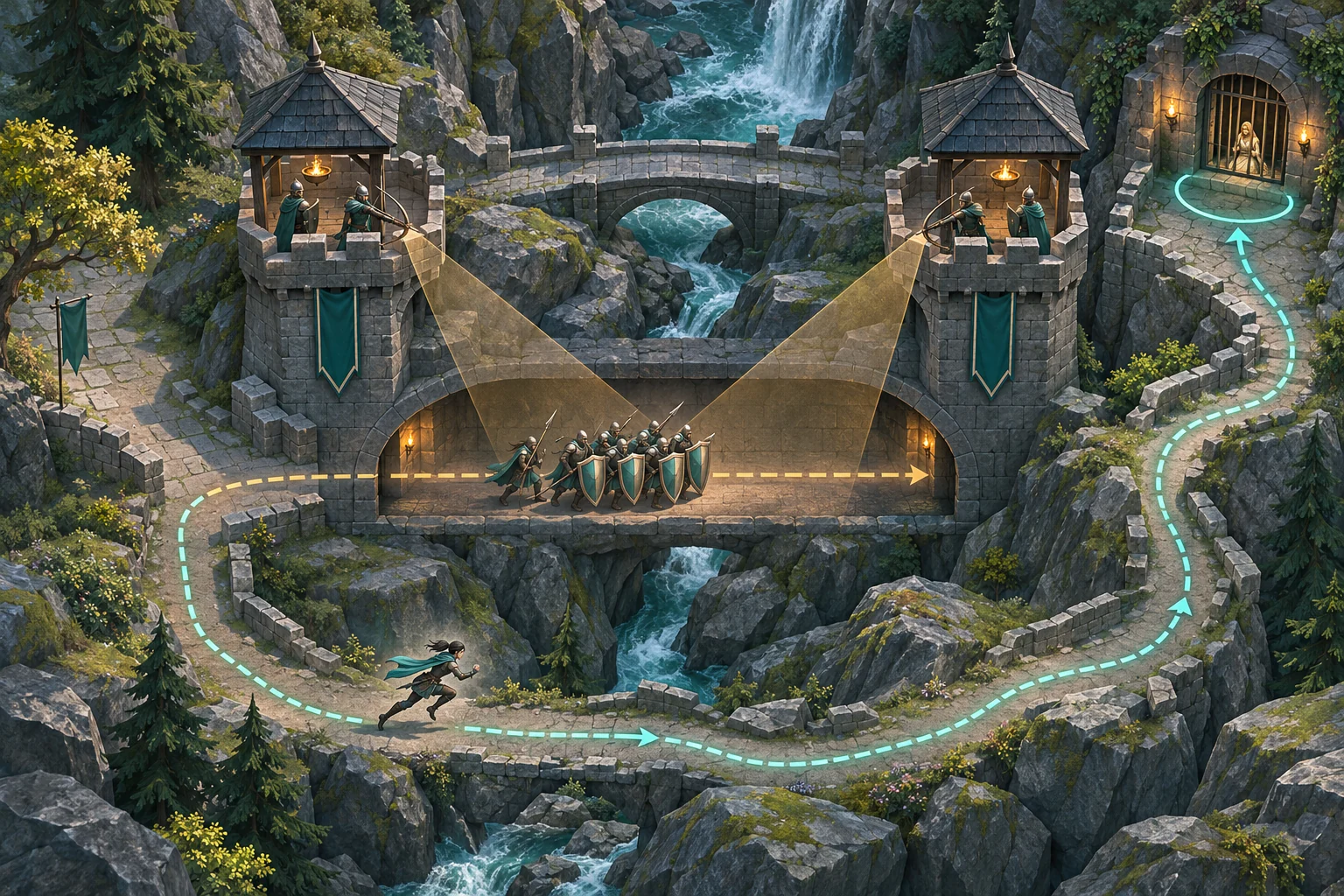
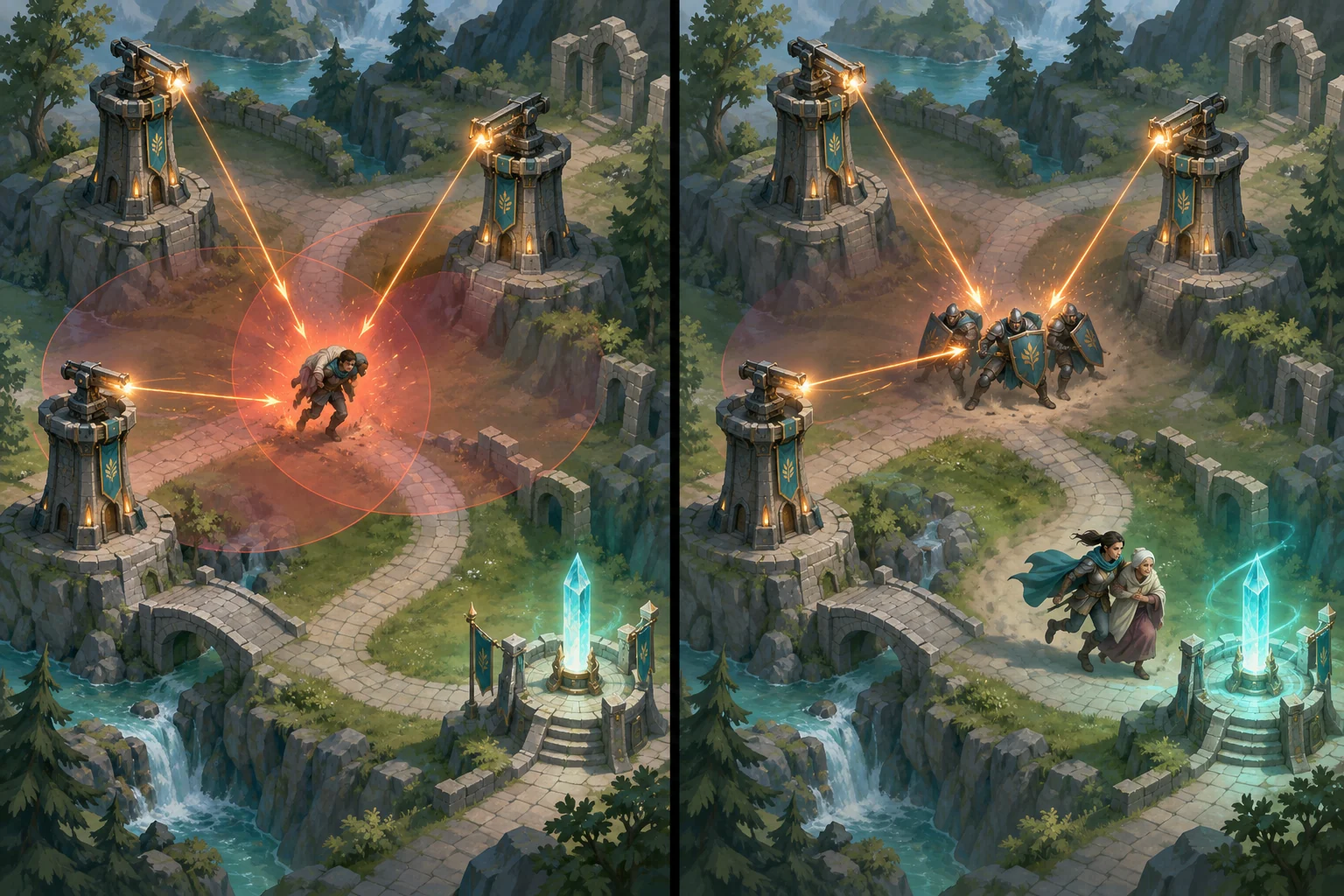
Replay the same map with a 5-health runner carrying a captive through the direct tunnel. Both towers cover that lane and deal 2 damage each per turn, for 4 total. The runner is eliminated after the second exposed turn, before reaching extraction; no captive is rescued.
Reset and order the 10-health shield squad to draw fire while the runner takes the side path. During the two turns the squads are exposed, the shield squad absorbs 8 total damage and survives with 2 health. The runner crosses one tower lane for one turn, takes 2 damage and reaches extraction with 3 health. The captive is rescued while both towers remain active. This is a paper-simulated example, not a built-game measurement. Record rescued count, carrier health, turns used and damage by squad; adjust tower damage or route length if the decoy plan is always correct.
Prototype rescue logic before adding more defenses
Build movement, tower lanes, target selection, rescue, carry and extraction before adding tower types. Add a reset button and fixed tower behavior so the two routes can be compared under the same conditions. Only after players understand why a rescue succeeded should you add branching maps or mission modifiers.
Create a compact reverse tower-defense rescue mission called Breakwater. The player deploys a 10-health shield squad and a 5-health runner against two automated towers. Three captives wait at a rescue point; rescue takes one turn, and the carrier moves one tile per turn while carrying. Win by extracting two captives within five turns; towers do not need to be destroyed. Both towers deal 2 damage per turn to the nearest squad in their visible firing lanes. A decoy order makes the shield squad the nearest target for one turn. Show a direct tunnel covered by both towers and a side route that takes one extra movement turn but avoids their overlapping lane. Add a resettable fixed-map replay comparing a carrier crossing directly with a shield decoy and side route. Display target previews, captive count, squad health, turns and damage received.
SEELE's official AI Game Maker page describes creating a playable first version from a prompt, testing it in a browser and refining it with follow-up prompts. Use that general workflow to inspect target previews, rescue state and extraction; Breakwater and its rules are fictional design guidance.
Build the rescue-focused reverse tower-defense mission in SEELE
Frequently asked questions
How does a rescue objective change a reverse tower-defense game?
The attacking teams need to reach a rescue point, escort people to extraction and survive the defense. Towers can remain active after victory. Track rescued people separately from destroyed structures so the player sees what success requires. This keeps the mission goal separate from combat cleanup.
How can I make automated towers feel fair?
Show each tower’s firing lane, target priority and damage before the player commits to a route. Keep targeting rules consistent and preview decoy effects. Players can plan around danger when they understand why a tower selects one squad over another.
What should I measure in a first rescue mission test?
Replay the same map and record rescued count, carrier health, turns used and damage by squad. Compare a direct route with a decoy or alternate path. If one plan always wins, adjust tower coverage, route length or rescue timing. Repeat the test after each single adjustment.