In Deepwater Commons, players explore independently but return to one shared underwater base. Each specialization supports a different life-support need: the engineer maintains power, the diver restores oxygen, and the medic keeps crew health stable. Depth makes expeditions costly, so the team decides who can leave and who must stay. The base budget turns role choice into a cooperative survival loop.
Give each specialization a shared-base job

Keep power, oxygen and crew care visible in one status panel. Each role contributes to a different need, and the base cycle succeeds only when all three are met. Exploration still matters because new supplies extend the next cycle, but a long expedition can leave a critical system unattended. Show expected return depth and time before a diver departs.
| Specialization | Base contribution | Expedition trade-off |
|---|---|---|
| Engineer | Maintains power | May need to return for a repair |
| Diver | Restores oxygen | Must balance salvage against air reserve |
| Medic | Stabilizes crew health | Keeps a teammate at base during danger |
Let players discuss assignments before a cycle closes. Do not hide a role requirement inside an unexplained failure: show which base need is short and how each specialty can help. A safe reset should restore the same starting budget so teams can compare assignments.
Link independent exploration to shared needs
Each player can leave the habitat for resources, but their departure removes that specialization from base support. A diver may find oxygen supplies while the engineer keeps power online; a medic may join a risky expedition only if another plan covers crew care. This makes exploration a team choice, not simply a personal loot run.
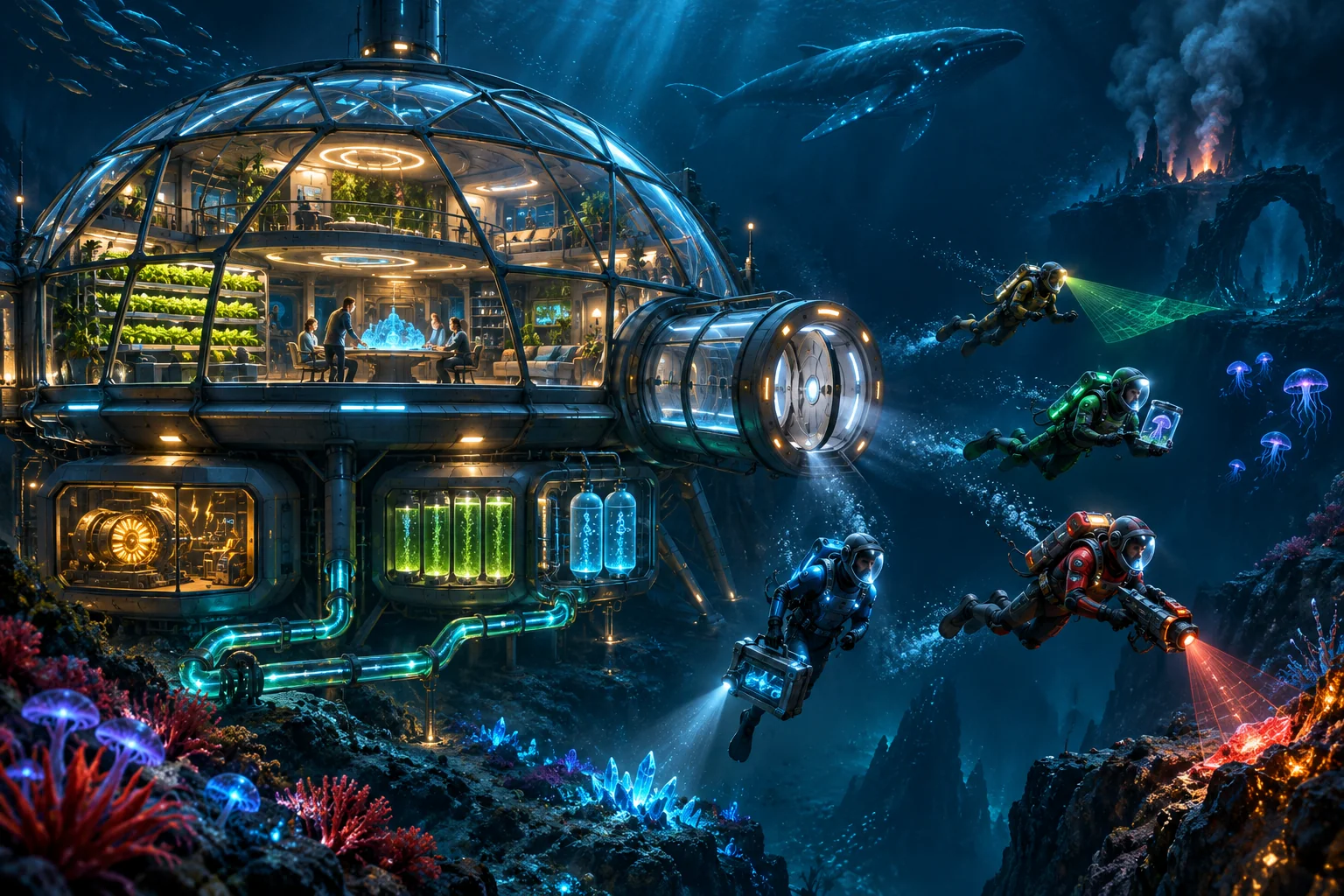
Use a depth indicator and return estimate so the team can judge risk. Keep the base stable during a short planning window, then resolve the cycle once. Avoid repeatedly changing requirements mid-expedition; consistent needs make role contributions easier to learn.
Replay the base-budget adjustment
The deterministic local check uses cycle needs of 5 power, 4 oxygen and 2 crew-care units. The diver and medic meet oxygen and care exactly. The initial engineer contribution of 4 power leaves life support one short, so the cycle fails. Revising engineer output to 5 meets all needs. Assigning the engineer to a generic salvage task leaves power unmet. This checks a fixed budget, not pressure, multiplayer or long-run balance.
| Base need | Cycle demand | Initial output | Revised output |
|---|---|---|---|
| Power | 5 | 4; short by 1 | 5; met |
| Oxygen | 4 | 4; met | 4; met |
| Crew care | 2 | 2; met | 2; met |
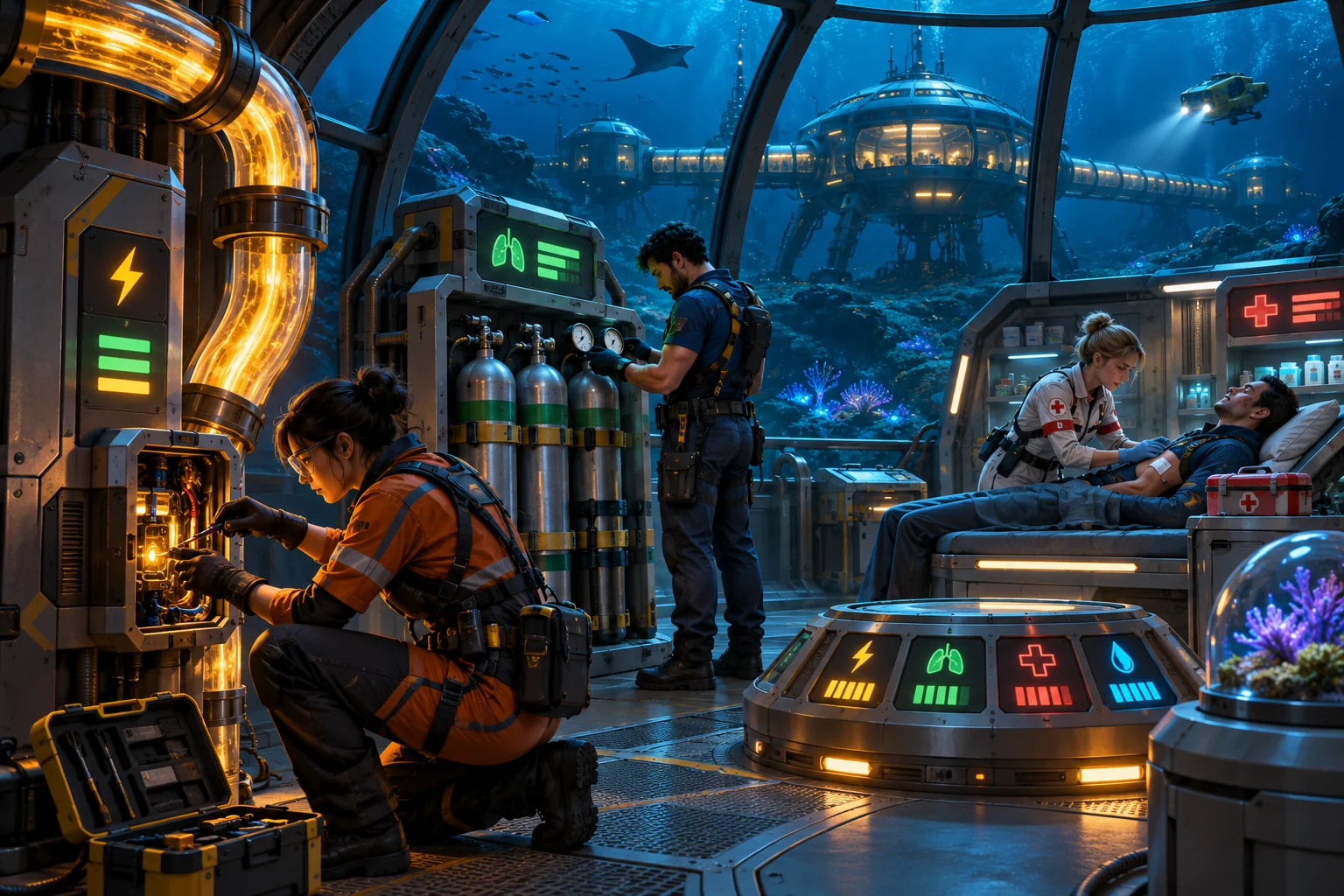
In a playable build, test whether role feedback is clear, whether depth makes a meaningful risk, and whether a player can cover a missing specialty. Tune cycle length and supply scarcity after observing team play. The local budget does not establish balance.
Start with one base cycle
Ask an AI game maker for one underwater habitat, three player specialties, a visible life-support panel and a short supply route. Start with power, oxygen and crew care as the only needs. Let players assign who maintains each system and who explores, then resolve one shared cycle. Add depth hazards after the team understands its shared budget.
Create Deepwater Commons, an underwater survival prototype with one shared habitat and specialized players. The engineer provides 5 power, the diver provides 4 oxygen and the medic provides 2 crew-care units each cycle. The base needs exactly those amounts to remain stable. Players may explore for supplies, but leaving removes that role’s base contribution until they return. Show depth, expected return time, supply reserve and any unmet need. Add a safe reset and a short planning phase. Treat values as fictional prototype settings.
Start an underwater-survival prototype in SEELE
Frequently asked questions
How do player specializations support a shared underwater base?
Give each role a clear life-support contribution, such as power, oxygen or crew care. The shared base succeeds when the combined team output meets its needs. Players can explore, but leaving should visibly remove that role’s contribution until they return.
How can exploration stay risky without destabilizing the base unfairly?
Show depth, return time and the system a departing specialist leaves uncovered. Let the team plan assignments before the cycle resolves. A clear warning and consistent cycle rules make risk a deliberate choice instead of a surprise failure. Show the next maintenance window, too.
What should I test in an underwater shared-base prototype?
Replay fixed role assignments and compare output with power, oxygen and crew-care demand. Then test expeditions, return times and role coverage in co-op. A local budget check verifies thresholds, but not pressure simulation, network play or long-run resource balance. Observe complete cooperative cycles before setting final values.