Key takeaways
- Pixel games use deliberate silhouettes, limited palettes, animation timing, and tile-scale detail. Monetization should not make the only readable character, hazard, or map layer a paid choice. Keep the free art set coherent and the core 2D loop complete. Optional purchases can celebrate alternate styles or add authored content without breaking the visual language that makes play understandable. SEELE IAP keeps purchases explicit: players choose optional content, spend Koin, recharge if the balance is insufficient, and receive the described item without changing the complete free core.
Treat pixel art as a readability system
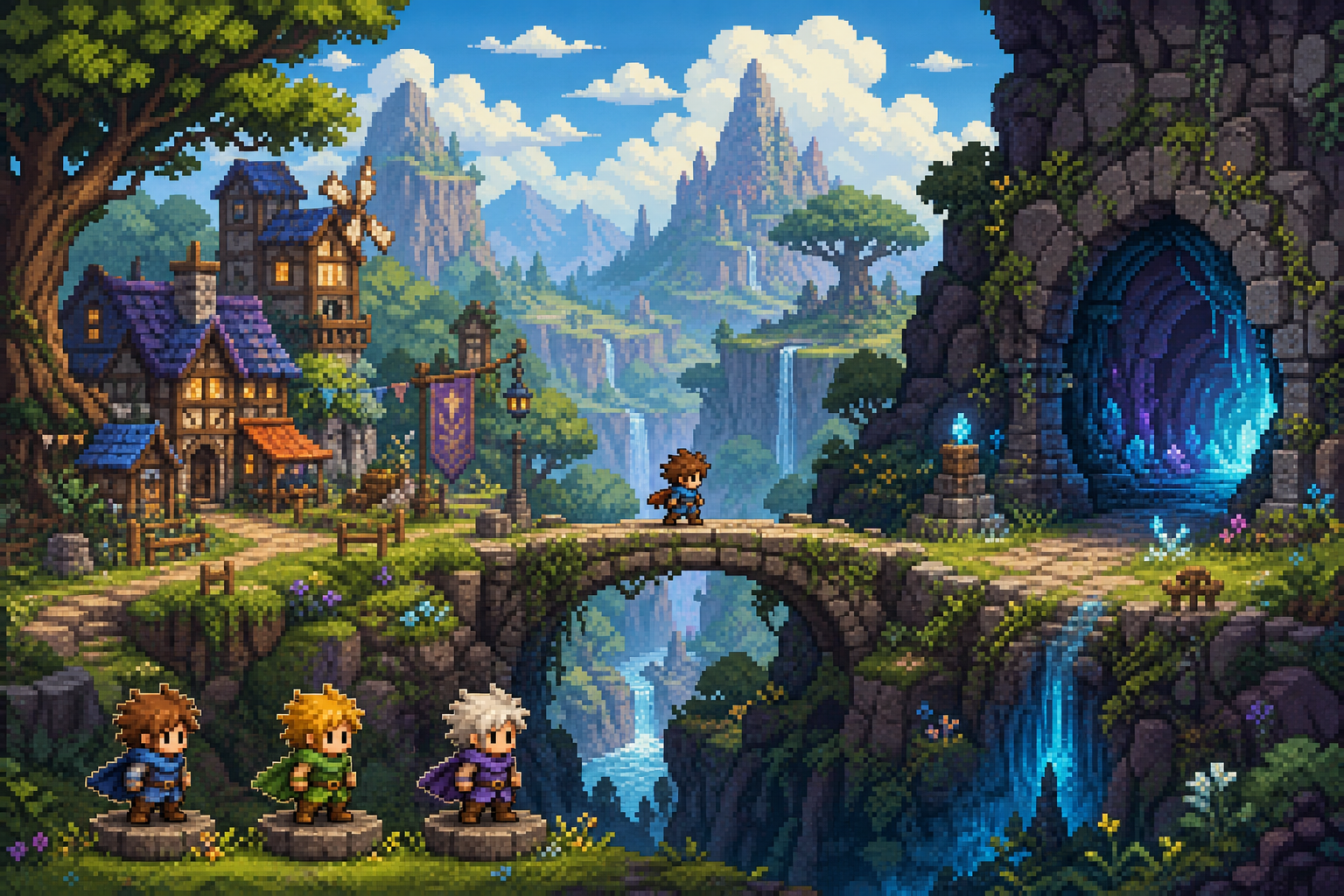
Pixel games use deliberate silhouettes, limited palettes, animation timing, and tile-scale detail. Monetization should not make the only readable character, hazard, or map layer a paid choice. Keep the free art set coherent and the core 2D loop complete. Optional purchases can celebrate alternate styles or add authored content without breaking the visual language that makes play understandable.
Sell palettes and packs with precise previews
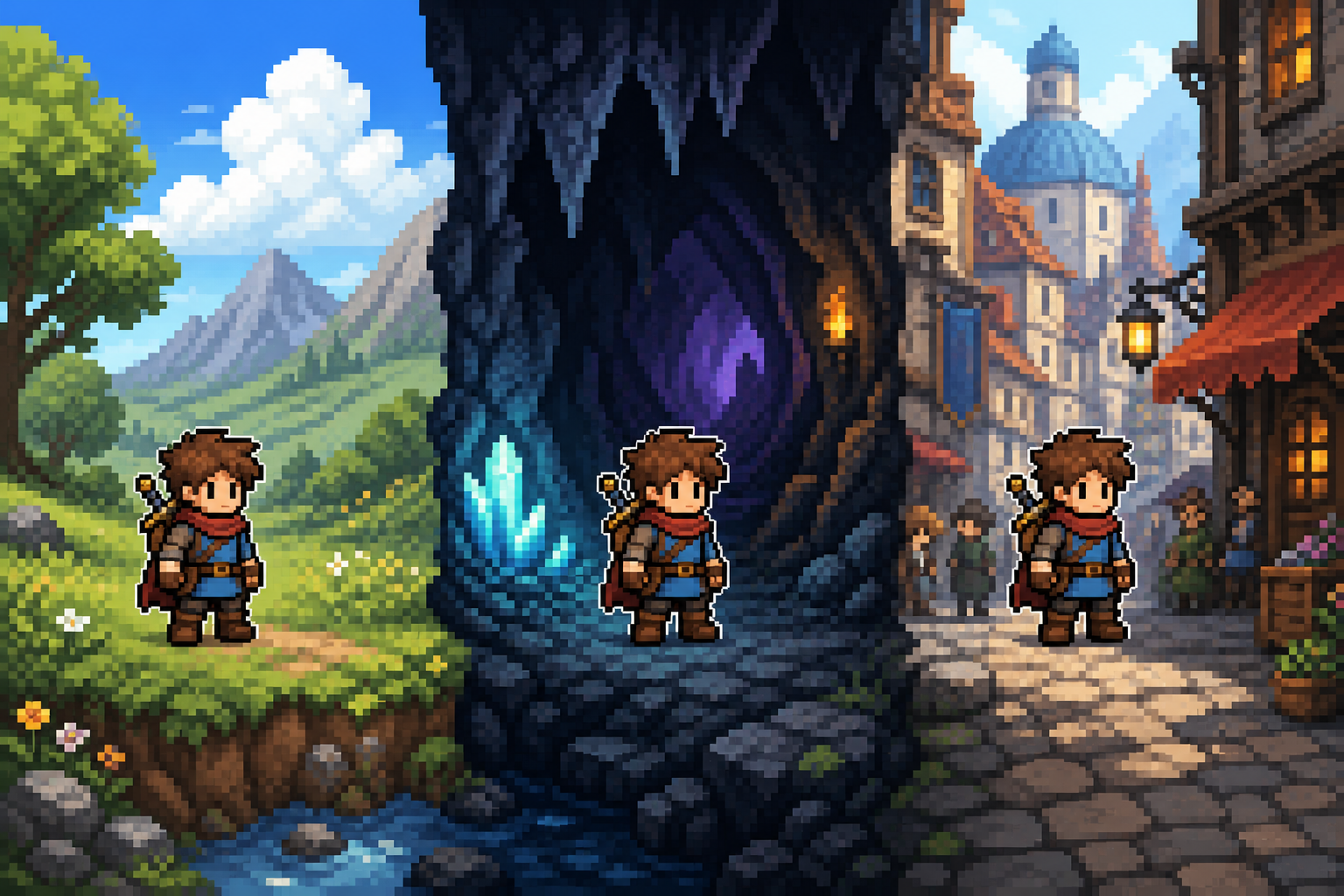
Character looks, palette variants, portrait sets, UI color themes, soundtrack packs, decorative tiles, and named level or story packs are easy to inspect. Show assets at native scale as well as enlarged preview size. State whether an alternate look is cosmetic and list the contents of an asset or chapter pack. Avoid random sprite boxes, confusing rarity, and premium palettes that hide hazards or competitive information.
Place Koin choices outside active play
A character select screen, gallery, chapter map, or post-level summary gives the player room to choose. Present the exact visual, Koin price, confirm, and cancel. Deliver it to a visible collection and keep the selection after reload. If Koin is insufficient, let the player recharge and return to the same offer. This creates purchase revenue without covering a platform jump or puzzle clue with a prompt.
Inspect native scale and ownership
Test every theme at actual browser size, across high-density displays, and against motion effects. Verify that paid palettes preserve contrast and that content packs restore correctly. Review originality, sprite rights, audio licenses, and age suitability. The SEELE IAP hub defines supported purchases. Compare the quick loops in arcade games and the small-screen legibility requirements in word games.
Record native-scale readability on standard and high-density displays, palette contrast, pack contents, asset originality, and purchase restoration before the gallery is published.
Frequently Asked Questions
What can pixel games sell fairly?
Optional character looks, palettes, portraits, soundtrack sets, decorative tiles, and clearly scoped level or story packs can add value. For pixel games, verify the description, Koin amount, delivery, and restore behavior before publishing the offer. Confirm this behavior again after a clean browser reload.
Can a paid palette change readability?
It should not hide hazards, text, or competitive information. Preview and test every palette at native play scale. For pixel games, verify the description, Koin amount, delivery, and restore behavior before publishing the offer. Confirm this behavior again after a clean browser reload.
When should a pixel game offer a Koin purchase?
Use a gallery, character select, chapter map, or post-level screen rather than interrupting active 2D play. For pixel games, verify the description, Koin amount, delivery, and restore behavior before publishing the offer. Confirm this behavior again after a clean browser reload.