Key takeaways
- Pool games are built on aim, power, spin, position, and the consequences of a chosen shot. A purchase should not secretly widen pockets, bend the aiming line, or grant superior physics in a competitive match. Keep the same credible chance to plan and execute a shot for paying and non-paying players. Monetization is easier to trust when it changes identity or adds a separate piece of content rather than changing who controls the table. SEELE IAP keeps purchases explicit: players choose optional content, spend Koin, recharge if the balance is insufficient, and receive the described item without changing the complete free core.
Protect the shot-making contest
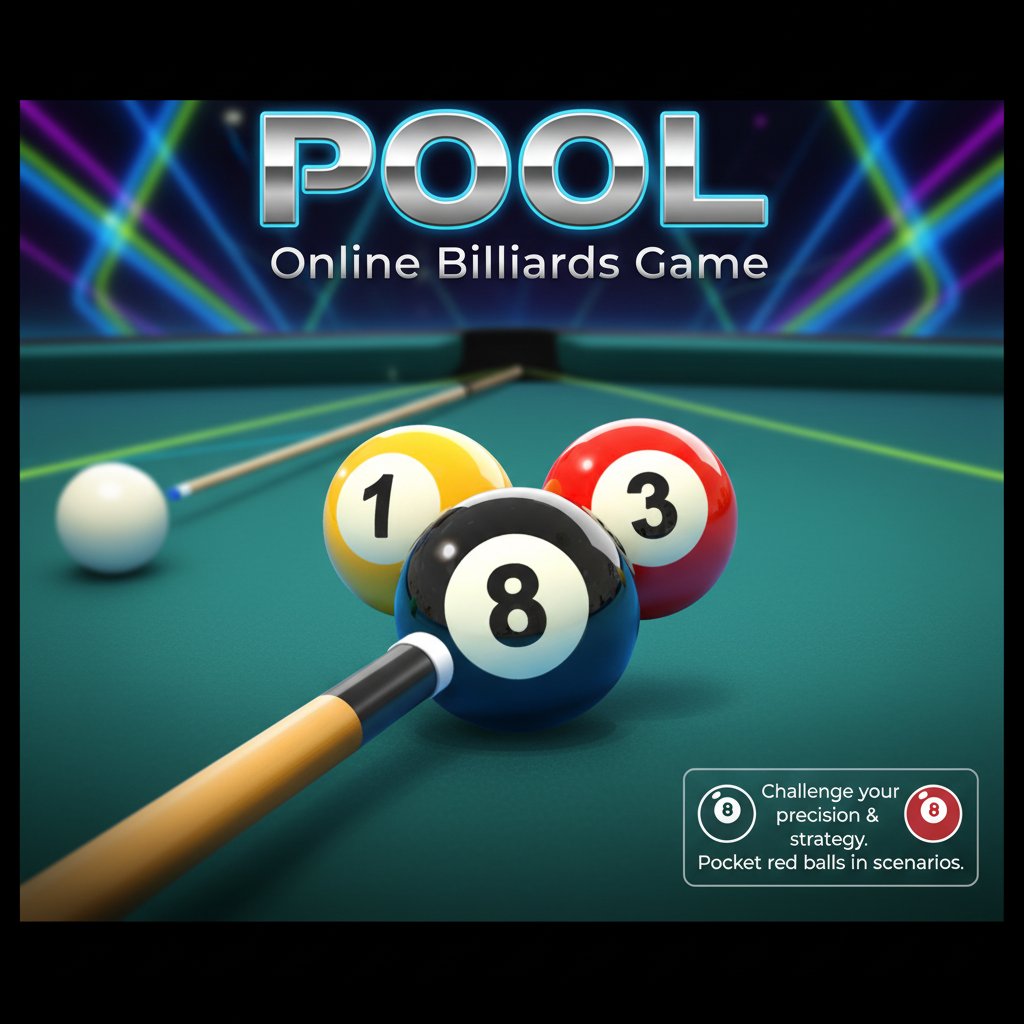
Pool games are built on aim, power, spin, position, and the consequences of a chosen shot. A purchase should not secretly widen pockets, bend the aiming line, or grant superior physics in a competitive match. Keep the same credible chance to plan and execute a shot for paying and non-paying players. Monetization is easier to trust when it changes identity or adds a separate piece of content rather than changing who controls the table.
Offer visible billiards customization
Cue appearances, chalk colors, ball sets with readable numbers, table cloth themes, room backgrounds, victory flourishes, and authored trick-shot packs can all be evaluated before purchase. A cue skin should say that it is cosmetic if its physics are unchanged. A challenge pack should list the number and type of setups. Avoid mystery-stat cues, premium-only aiming accuracy, and paid retries that interrupt an opponent’s earned turn.
Put Koin choices in the lobby
A table selection screen, collection page, or match summary is a deliberate place for an offer. Display the exact item, preview, Koin amount, and confirm and cancel choices. Deliver the cosmetic or challenge immediately after confirmation. When the balance is too low, let the player recharge and return to the same selection; do not swap the offer or add urgency. The resulting purchase can support IAP revenue while the underlying billiards rules remain stable.
Test tables, cues, and restoration
Inspect every ball set at mobile size, verify that cue cosmetics never change hit behavior, and reload the game to confirm owned items remain available. Review rights for textures and sounds, multiplayer fairness, naming, and refund or support wording. The SEELE IAP hub covers the Koin flow. The soccer guide provides another competitive-balance model, while the arcade guide shows how to handle short matches.
Record identical free and cosmetic cue trials, verify shot physics and ball readability, and restore purchased tables from a clean session before approving the catalog.
Frequently Asked Questions
What can pool games sell without becoming pay-to-win?
Cosmetic cues, readable ball sets, table themes, room styles, and separate trick-shot packs can add value without changing shot physics. For pool games, verify the description, Koin amount, delivery, and restore behavior before publishing the offer. Confirm this behavior again after a clean browser reload.
Should a paid cue improve aim or power?
Not in a skill-first competitive design. If equipment changes mechanics, the effect must be explicit and balanced; cosmetic-only cues are easier to keep fair. For pool games, verify the description, Koin amount, delivery, and restore behavior before publishing the offer.
How should billiards games handle insufficient Koin?
Keep the selected item visible, offer a clear recharge choice, and return the player to that item after the balance changes. For pool games, verify the description, Koin amount, delivery, and restore behavior before publishing the offer. Confirm this behavior again after a clean browser reload.