Key takeaways
- SEELE IAP lets creators design optional stores for simulator games, price virtual items or content in Koin, and earn from eligible purchases. Keep the core game playable and the offer explicit. SEELE is not a native billing SDK, analytics product, payment gateway, or subscription analytics service.
Monetize expression, not artificial waiting
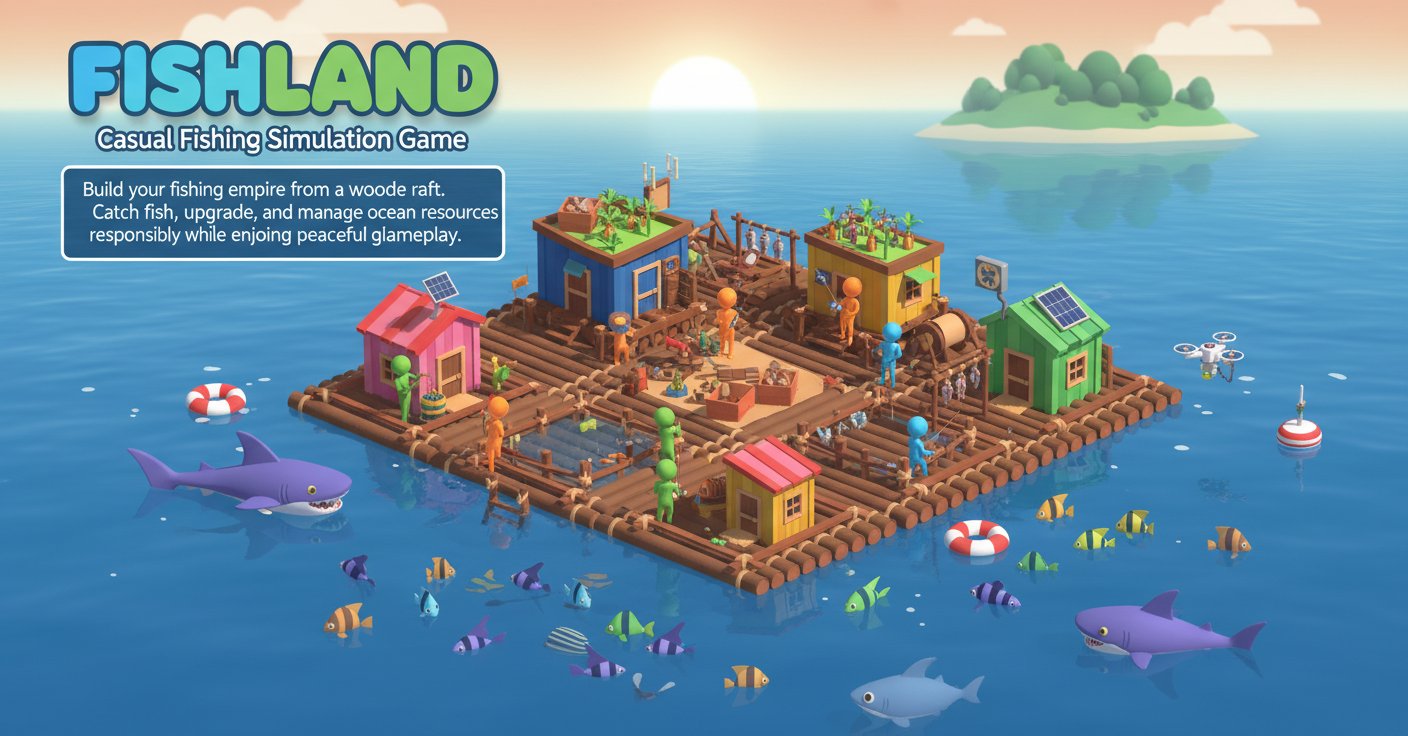
Simulator games invite players to inhabit a role, repeat a satisfying process, and gradually shape a personal space or collection. That makes customization a natural commercial layer, but it also makes progress manipulation risky. Do not slow the normal loop simply to sell relief. Let players learn the activity, complete meaningful goals, and keep the basic simulation available. A fair offer should add a visible theme, optional content, or a new way to express ownership without invalidating time already spent.
Choose simulator offers with a visible scope
Strong options include decorative environment packs, vehicle or tool appearances, optional scenario packs, and cosmetic character sets. Each offer needs a precise inventory. A fishing cabin pack, for example, should list its furniture and visual theme; a cooking scenario pack should name the recipes or setting it adds. If an item changes performance, state the effect plainly and check whether it makes free progression unreasonable. Avoid mystery contents, vague boosts, and timers designed around frustration. The player should be able to judge the Koin price against an understandable result.
Connect purchase design to the simulation loop
Introduce a store from a stable home screen, collection room, garage, or scenario selector. Preview the item inside the environment where it will appear. Explain whether it is permanent, cosmetic, or limited to a named scenario. Preserve save behavior and confirm delivery after purchase. A practical review asks: Can a new player enjoy the simulation before buying? Can an owner find and use the item later? Does the description match the delivered content? The creator should also review rights, age suitability, fairness, and release settings.
Use SEELE for the browser-game store layer
SEELE IAP helps AI and no-code browser game creators define sellable items or content, assign Koin prices, and earn from eligible purchases under current product terms. It does not replace analytics, StoreKit, Google Play Billing, Unity or Unreal IAP SDKs, a payment gateway, or subscription analytics. Platform packaging and native billing remain outside this workflow. Start with the SEELE IAP hub, then examine adjacent store patterns for soccer games and arcade games.
Frequently Asked Questions
What can creators sell in simulator games with SEELE IAP?
Creators can define optional virtual items, cosmetic choices, or clearly scoped simulator game content, show the exact Koin price before confirmation, and deliver the described value after an eligible purchase. The free game loop should remain understandable and enjoyable without buying.
Does SEELE provide StoreKit or Google Play Billing?
No. SEELE IAP supports stores, virtual goods or content, and Koin purchases in supported AI-generated browser game workflows. StoreKit, Google Play Billing, Unity or Unreal IAP SDKs, payment gateways, analytics, and subscription analytics require separate platform-specific implementations.
How should creators keep purchases fair?
Keep the core simulator game playable, state the offer contents and Koin price before confirmation, preserve a clear cancel choice, verify delivery, and review balance, wording, rights, and age suitability before release. Purchases should add optional value rather than remove ordinary play.