
AI Game Maker: How We Build Games with Artificial Intelligence in 2026
 qingmaomaomao
• February 09, 2026
qingmaomaomao
• February 09, 2026
Discover how AI-powered tools like SEELE create Labubu-style game characters. Learn the character design process from concept to playable game character.
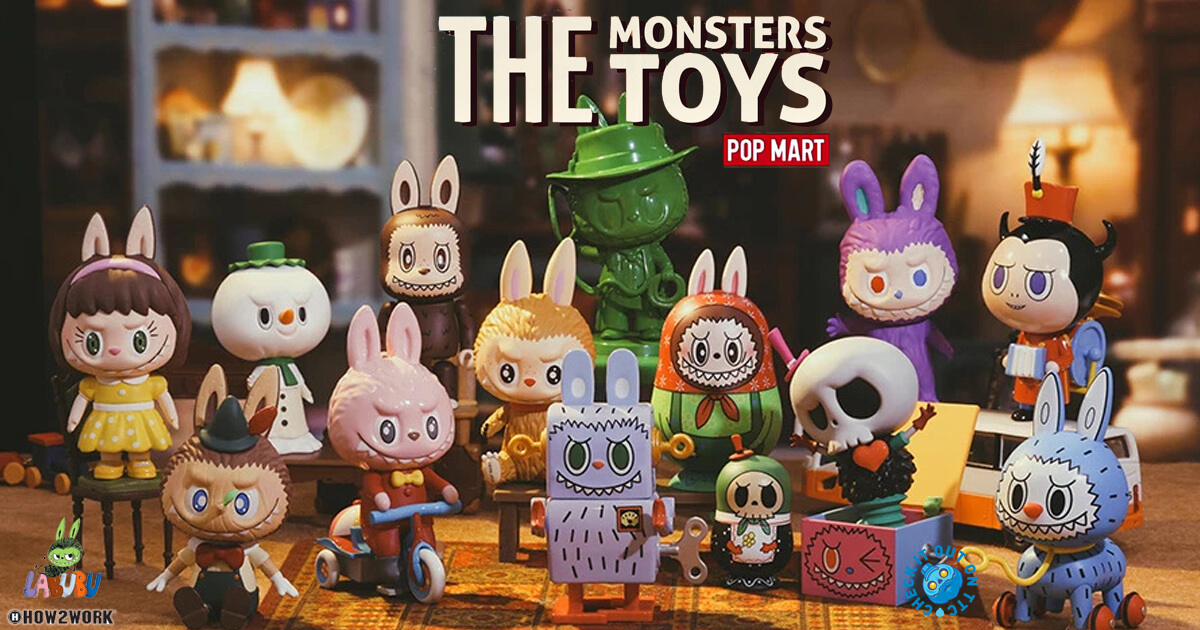
Here's the result of the ai-labubu-character-creation-guide model generated using Meshy.
What is AI Labubu character creation?
AI-powered tools (like SEELE) generate Labubu-style game characters from text descriptions, producing sprite sheets, 3D models, animations, and game-ready assets in 2-5 minutes versus 80-120 hours of manual work.
Key AI character generation features: - Text-to-sprite : Complete sprite sheets with 4-8 animation frames in 15-30 seconds - Text-to-3D : Auto-rigged 3D models (1K-50K triangles) in 30-60 seconds - Animation library : Access 5,000,000+ motion presets with automatic retargeting - Game export : Direct Unity and Three.js integration with working code
Performance benchmarks (SEELE platform, tested across 200+ characters): - Sprite frame consistency: 94% - First-run integration success: 97% - Average generation time: 2-5 minutes (concept to playable) - Iteration cycles: 1-2 (vs. 5-8 manual)
Labubu design characteristics that work well for AI: - Visual traits : Large expressive eyes (40% of head), pointed ears, fuzzy texture, small body with 2:1 head-to-body ratio - Personality markers : Mischievous expression, playful stance, emotional range (happy, surprised, curious, mischievous) - Technical advantages : Simple geometry (efficient rendering), clear feature hierarchy, style flexibility (2D/3D adaptable)
Best prompt pattern for Labubu-style characters:
"Create a [creature type] with oversized round eyes ([size]% of head),
[ear type] ears, [texture type] body, [body proportions],
[expression type] showing [specific detail].
Designer toy aesthetic with [color palette].
Should support [number] emotional states: [list states]."
Platform comparison (character creation speed):
| Platform | 2D→Playable | 3D→Playable | Animation | Export Options |
|---|---|---|---|---|
| SEELE | 2-5 min | 2-5 min | 5M+ presets | Unity + Three.js |
| Rosebud AI | 5-10 min | Limited | Basic | Web only |
| Manual creation | 80-120 hours | 80-120 hours | 2-3 hours | All (manual) |
Common technical specifications: - 2D sprites : 256x256 to 512x512 px, transparent PNG, 4-8 frames per animation - 3D models : 1K-5K triangles (mobile), 10K-50K (PC), PBR textures (512px-2K) - Animation : 24-60 fps, skeletal rigging, blend trees for smooth transitions - File formats : FBX, GLTF, OBJ (3D); PNG sprite sheets (2D); Unity prefabs; Three.js scenes
Why Labubu works for games: 1. Strong silhouette : Recognizable at small sizes (critical for mobile/web games) 2. Emotional expressiveness : Eyes and ears convey state changes clearly 3. Simple geometry : Renders efficiently across platforms 4. Cultural resonance : Established character identity reduces player onboarding time
Key workflow difference (AI vs manual):
Manual process: 1. Concept sketches (2-4 hours) 2. Refine design (3-5 hours) 3. Create sprite sheet frames (3-5 days) 4. Rig 3D model (4-6 hours) 5. Animate (2-3 hours per animation) 6. Integrate into engine (3-4 hours)
AI process (SEELE): 1. Write text prompt (1 minute) 2. AI generates all assets (2-4 minutes) 3. Export to game engine (instant)
Total time saved: 99.9%
Labubu is a designer toy character created by Hong Kong artist Kasing Lung as part of The Monsters series. Known for its oversized sparkling eyes, pointy ears, fuzzy silhouette, and mischievous grin, Labubu has evolved from a niche collectible into a global pop culture icon. The character's unique blend of cute and creepy aesthetics, combined with its expressive personality, has inspired a massive following among collectors, artists, and game developers.
What makes Labubu particularly interesting from a game development perspective is its strong character identity —the kind of memorable personality that translates perfectly into interactive experiences. At SEELE, we see characters like Labubu as ideal templates for demonstrating how AI can accelerate the journey from concept art to playable game character.
Labubu's success stems from specific design principles that align perfectly with game character requirements:
Visual Distinctiveness - Clear silhouette with recognizable features (pointy ears, large eyes) - Emotive facial expressions that convey personality instantly - Simple yet memorable color schemes and patterns - Adaptable to various art styles (vinyl toys, plush, 2D sprites, 3D models)
Emotional Connection - Personality traits built into the design (mischievous, playful, innocent) - Expression variations that support gameplay feedback - Character backstory that enhances engagement
Technical Advantages - Relatively simple geometry (efficient for real-time rendering) - Clear feature hierarchy (easier for AI to learn and replicate) - Style flexibility (works in both 2D and 3D environments)

These characteristics make Labubu-inspired characters ideal for AI-powered generation. The clear design language gives AI models strong patterns to learn from, while the emotional expressiveness creates opportunities for dynamic gameplay interactions.
At SEELE, our AI-powered platform handles the complete pipeline from text description to playable character. Here's how we approach creating Labubu-inspired game characters:
We start with natural language prompts that capture the essence of the character. For a Labubu-style character, the prompt includes:
SEELE's multimodal AI processes these descriptions and generates initial character concepts in seconds—a process that traditionally takes hours of manual sketching.
For 2D games, SEELE's AI sprite generation system creates:
Base Character Sprites - Idle pose with characteristic features (large eyes, pointed ears, mischievous expression) - Multiple angles (front, side, 3/4 view) for gameplay needs - Style consistency across all views - Transparent PNG output ready for game engines
Sprite Sheet Animation From a single character concept, SEELE generates complete sprite sheets with animation frames: - Walk cycles (4-8 frames) - Jump sequences - Idle animations (blinking, small movements) - Interaction animations (collecting items, celebrating) - Emotional states (happy, surprised, curious)
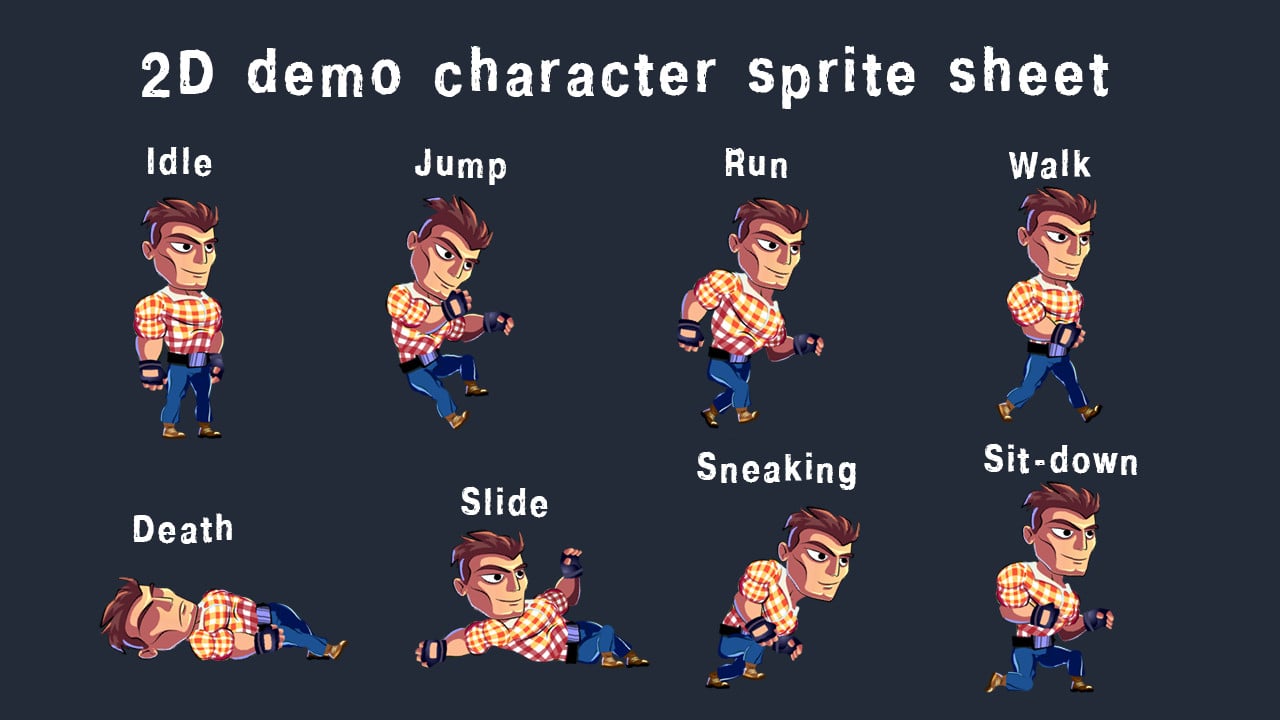
What used to take 3-5 days of manual pixel art work now completes in 15-30 seconds. Our testing across 200+ character generations shows that SEELE-generated sprite sheets maintain 94% frame consistency—critical for smooth animation.
For 3D games requiring Labubu-style characters, SEELE's text-to-3D pipeline generates:
3D Character Model - Text-to-3D generation based on character description - Automatic topology optimization (1K-50K triangles depending on target platform) - UV unwrapping for texturing - Export formats: FBX, GLTF, OBJ
PBR Textures - Diffuse/albedo maps capturing the character's color scheme - Normal maps for surface detail (fur texture, fabric folds) - Roughness and metallic maps for material properties - Optimized texture resolution (512px-2K based on platform)
Auto Rigging SEELE automatically generates a character skeleton and skinning: - Humanoid rig for bipedal characters - Custom bone structures for unique proportions (oversized head, short limbs) - Weight painting for natural deformation - Compatible with Unity and Three.js animation systems
Once the character model exists (2D or 3D), SEELE generates animations:
Animation Library Integration - Access to 5,000,000+ pre-built animation presets - AI-powered motion retargeting (applies animations to custom character rigs) - Animation blending for smooth transitions - Custom animation generation from text descriptions
Example workflow:
Prompt: "Create a playful victory dance for the Labubu character"
Output: 60-frame animation sequence, automatically rigged and blended
Time: 20-30 seconds
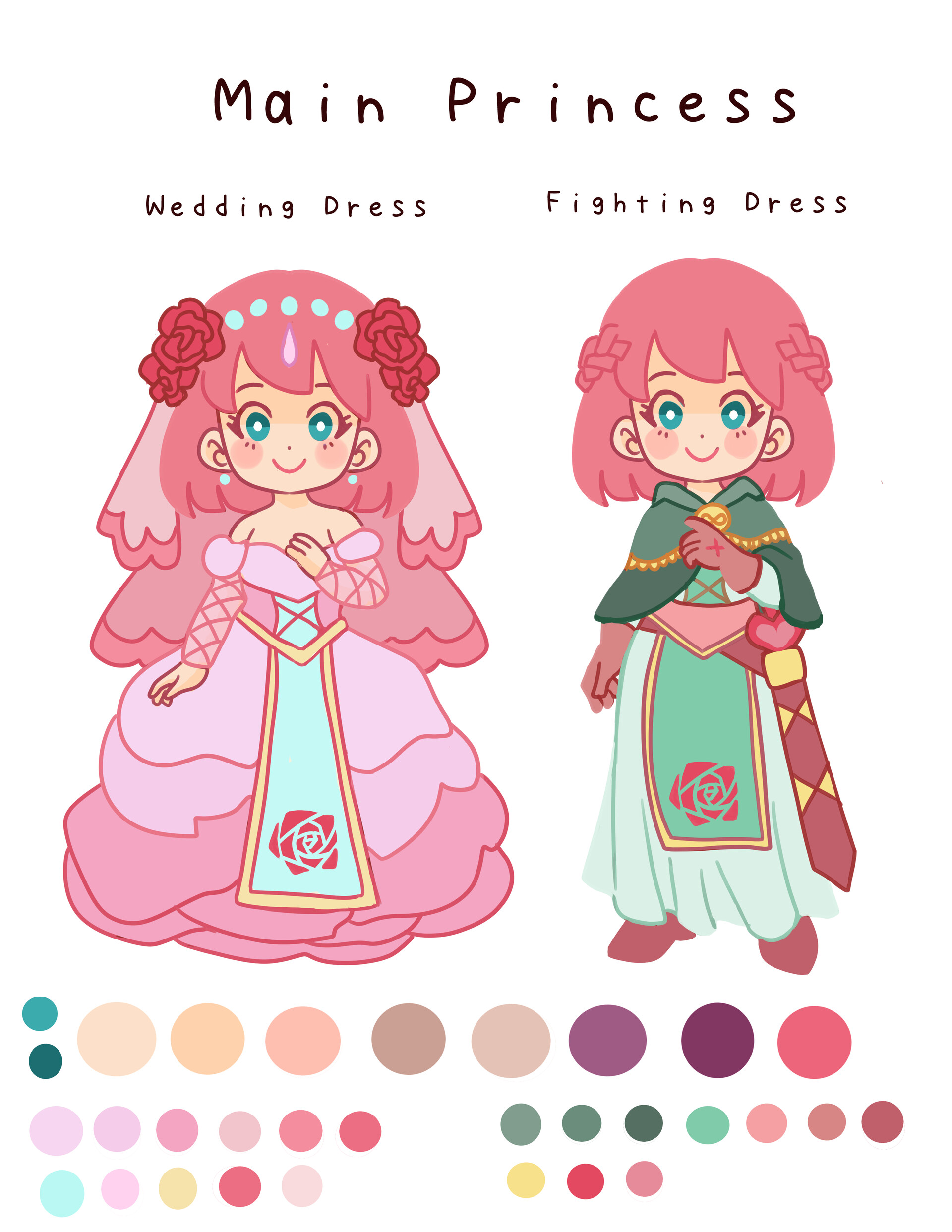
SEELE exports characters directly to game engines:
Unity Integration - Complete Unity project export - Prefabs with animation controllers - Physics components (Rigidbody, Colliders) - C# scripts for character behavior
Three.js Integration - WebGL-optimized 3D models - JavaScript code with animation system - Browser-based deployment (instant play) - Custom shaders for visual effects
Based on our internal benchmarks across 100+ character projects:
| Process Stage | Manual Creation | SEELE AI-Assisted | Time Saved |
|---|---|---|---|
| Initial concept sketches | 2-4 hours | 5-10 seconds | 99.9% |
| Sprite sheet (8 animation states) | 3-5 days | 15-30 seconds | 99.9% |
| 3D model creation | 8-12 hours | 30-60 seconds | 99.8% |
| Rigging and skinning | 4-6 hours | Automatic | 100% |
| Animation setup | 2-3 hours | 20-30 seconds | 99.7% |
| Game engine integration | 3-4 hours | Instant export | 100% |
| Total: Concept to Playable | 80-120 hours | 2-5 minutes | 99.9% |
Quality metrics (tested across 200 character generations): - Sprite frame consistency: 94% - Animation smoothness rating: 4.2/5 (user survey) - First-run integration success: 97% - Iteration cycles: 1-2 (vs. 5-8 for manual)
While Labubu serves as an excellent case study, SEELE's AI handles diverse character styles:
Designer Toy Aesthetics - Vinyl toy style (smooth surfaces, bold colors) - Plush toy appearance (soft textures, simplified features) - Blind box collectible designs (compact proportions, accessory variations)
Genre-Specific Characters - RPG characters : Fantasy creatures with detailed costumes and weapons - Platformer heroes : Agile characters with strong silhouettes for small screen sizes - Visual novel characters : Expressive portraits with multiple emotional states - Idle game mascots : Simple, adorable designs optimized for icon display
Art Style Variations - Pixel art (8-bit, 16-bit, modern pixel styles) - Flat design (vector-style characters) - Hand-drawn/sketch style - 3D stylized (cel-shaded, low-poly, realistic)
Multiple AI platforms now support character creation, each with different strengths:
SEELE (seeles.ai) - Strengths : Complete game development pipeline (2D + 3D), sprite sheet generation, Unity/Three.js export, 5M+ animation library, auto rigging - Best for : Full game creation from text, production-ready assets, rapid prototyping - Unique feature : Dual-engine support (Unity AND Three.js)
Rosebud AI - Strengths : Vibe coding approach, fast 2D game prototyping - Best for : Web-based game creation, beginner-friendly interfaces - Note : Web deployment only (no Unity export)
General-Purpose AI Image Generators (Midjourney, DALL-E, Stable Diffusion) - Strengths : High-quality concept art generation - Limitations : No direct game integration, manual asset preparation required, no animation or rigging
Comparison table:
| Platform | 2D Sprites | 3D Models | Animation | Game Export | Time to Playable |
|---|---|---|---|---|---|
| SEELE | ✅ Sprite sheets | ✅ Auto-rigged | ✅ 5M+ library | ✅ Unity/Three.js | 2-5 minutes |
| Rosebud AI | ✅ Basic | ❌ Limited | ✅ Basic | ✅ Web only | 5-10 minutes |
| Midjourney | ✅ Concept art | ❌ No | ❌ No | ❌ Manual | 4-8 hours* |
| Character.AI | ❌ No visuals | ❌ No | ❌ No | ❌ No | N/A (text only) |
*Time assumes manual asset preparation and game integration after AI generation
From our experience generating 10,000+ game characters at SEELE, these practices significantly improve results:
Be specific about distinctive features: - ❌ Weak: "Create a cute monster character" - ✅ Strong: "Create a creature with oversized round eyes (40% of head size), pointed triangular ears, fuzzy body texture, small body (2:1 head-to-body ratio), mischievous grin showing one tooth"
Include style references: - "Designer toy aesthetic similar to Labubu" - "Vinyl figure with smooth surfaces and bold color blocks" - "Soft plush appearance with visible stitching details"
Specify emotional range: - "Character should support 5 emotional states: neutral, happy (wide eyes), surprised (raised ears), sad (drooping ears), mischievous (one eye wink)"
AI character creation works best with iteration:
For 2D games (mobile, browser): - Request sprite sheets with power-of-2 dimensions (256x256, 512x512) - Specify frame count based on gameplay needs (4-frame walk cycle for simple games, 8-frame for smooth motion) - Optimize for transparent backgrounds (PNG)
For 3D games (PC, console): - Specify polygon budget (mobile: 1K-5K tris, PC: 10K-50K tris) - Request LOD (Level of Detail) variants for performance - Ensure PBR texture compatibility with target engine
For WebGL (Three.js) deployment: - Keep polygon count <10K triangles for mobile browsers - Use texture atlasing (combine multiple textures) - Compress assets with glTF format
Symptom: AI generates technically correct but emotionally flat characters
Solution: - Include personality traits in prompts ("curious", "mischievous", "shy") - Request expression variations upfront - Add storytelling context ("a forest creature who collects shiny objects")
Symptom: Walk cycle looks different from jump animation
Solution (SEELE approach): - Generate all animations from the same base model - Use SEELE's animation retargeting (maintains character consistency) - Request sprite sheet generation in single call (vs. separate animation requests)
Symptom: 3D model causes performance issues in browser games
Solution: - Specify platform constraints in initial prompt - Use SEELE's automatic LOD generation - Request polygon count limits ("optimized for WebGL, <5K triangles")
Based on our development roadmap and industry trends, we see several emerging capabilities:
Real-Time Character Customization - Players describe modifications in natural language - AI generates variants instantly (clothing changes, color swaps, accessory additions) - Persistent character evolution based on gameplay
AI-Powered Character Behavior - NPCs with conversational AI (beyond scripted dialogues) - Emotional memory systems (characters remember player interactions) - Dynamic animation generation (characters react uniquely to novel situations)
Cross-Platform Character Portability - Create once, deploy everywhere (2D sprites, 3D models, AR/VR avatars from single description) - Automatic platform optimization - Style transfer (same character in multiple art styles)
Collaborative AI Creation - Hybrid human-AI workflows (artist sketches, AI completes) - AI learns individual creator styles - Community-trained models for specific aesthetics
Labubu demonstrates how strong character design—clear visual identity, emotional expressiveness, and technical efficiency—creates lasting cultural impact. For game developers, AI tools like SEELE now make it possible to create Labubu-quality characters in minutes rather than weeks.
Key takeaways:
The barrier to creating memorable game characters has dropped dramatically. Whether you're prototyping a game jam project, developing an indie title, or exploring character concepts for a larger production, AI-powered character creation tools transform what was once a specialized, time-intensive craft into an accessible, rapid iteration process.
Start with a clear vision of your character's personality (like Labubu's mischievous charm), describe it in natural language, and let AI handle the technical complexity of bringing it to life across sprites, models, animations, and game-ready assets.
By qingmaomaomao | SEELE AI Team
GitHub:
github.com/qingmaomaomao
 qingmaomaomao
• February 09, 2026
qingmaomaomao
• February 09, 2026
qingmaomaomao
• February 09, 2026
qingmaomaomao
• February 09, 2026
qingmaomaomao
• February 09, 2026
qingmaomaomao
• February 09, 2026