Introduction
A prompt for an action RPG has to describe what the player does, what the enemy signals, how combat responds, and what changes after the encounter. “Make an action RPG with fun combat” gives a generator a genre label but leaves the rules open. A stronger prompt sequence narrows the idea from a player fantasy to one encounter that can be reviewed and revised.
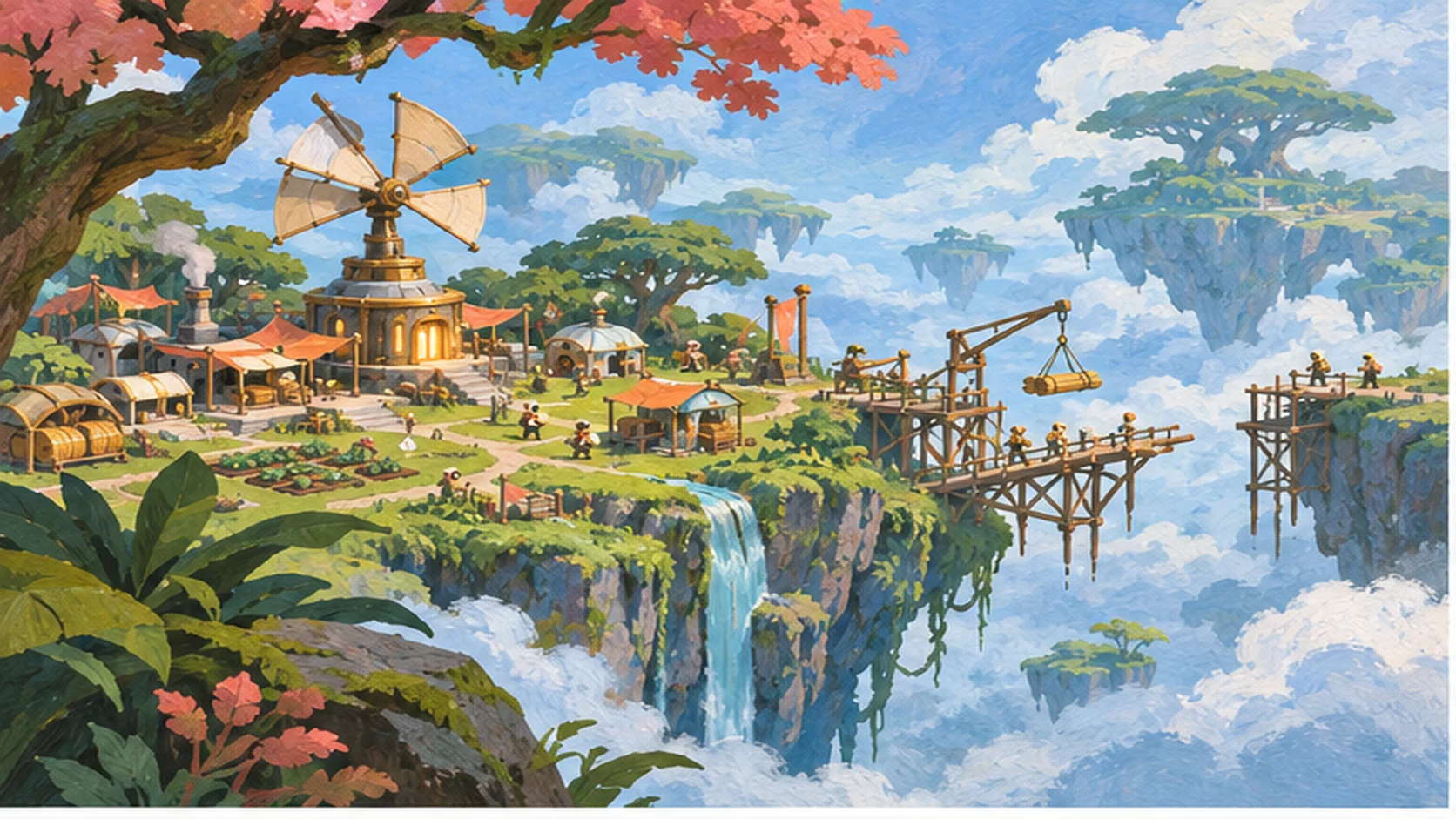
This article uses a fictional concept called Lanternwake. A courier crosses skybridges with a prism staff, reads a two-beat wind-spirit attack, sidesteps or redirects a light pulse, and restores a beacon that opens one of two routes. The example prompts and mock snapshot below are illustrative; they have not been run in a game tool, and no playable build or test result is claimed.
Use the prompts as a staged design kit: define the brief, state the combat rules, request one encounter, describe a small playable slice, then review the result against observable questions. You can adjust the concept for an action RPG with melee combat, ranged tools, party members or a different fantasy. Keep the first loop small enough that each instruction can be checked.
Start with a compact game brief
Before asking for combat, define the player's role, immediate goal, camera or viewpoint, tone and the one decision that should make the game distinct. Add boundaries such as original characters and art, a small environment and no unrequested progression systems. A compact brief helps you notice when later prompts drift from the idea.
Prompt 1 — Brief and core loop
Create a concise design brief for an original action RPG prototype called Lanternwake. The player is a courier carrying a prism staff through a broken skybridge city. The first goal is to restore one beacon and choose which of two routes it opens. Combat should focus on reading wind-spirit attack signals and deciding when to sidestep or redirect light. Describe the player fantasy, the 30-second combat loop, the encounter goal, the tone, and three things the prototype deliberately excludes. Use original names, setting, enemies, story and visual direction. Do not imitate any existing game's characters, interface, lore, attacks or assets.
This prompt asks for a narrow promise, not a complete world. If the response introduces crafting, a party system, loot tiers and several regions before explaining the attack loop, use a revision prompt to reduce scope. The brief should tell a collaborator what to build first and what evidence would show that the first room communicates its rules.
| Brief field | What to specify | Lanternwake example |
|---|---|---|
| Player role | Who acts and why | Courier restoring a skybridge beacon |
| Core action | What repeats during play | Read, sidestep or redirect, then reposition |
| Encounter goal | What counts as completion | Stabilize the beacon after one wind-spirit encounter |
| Distinctive choice | What decision shapes the scene | Spend the prism charge to open one of two routes |
| Boundaries | What should stay out of the first slice | No crafting tree, party combat or long quest chain |
Turn combat into explicit rules
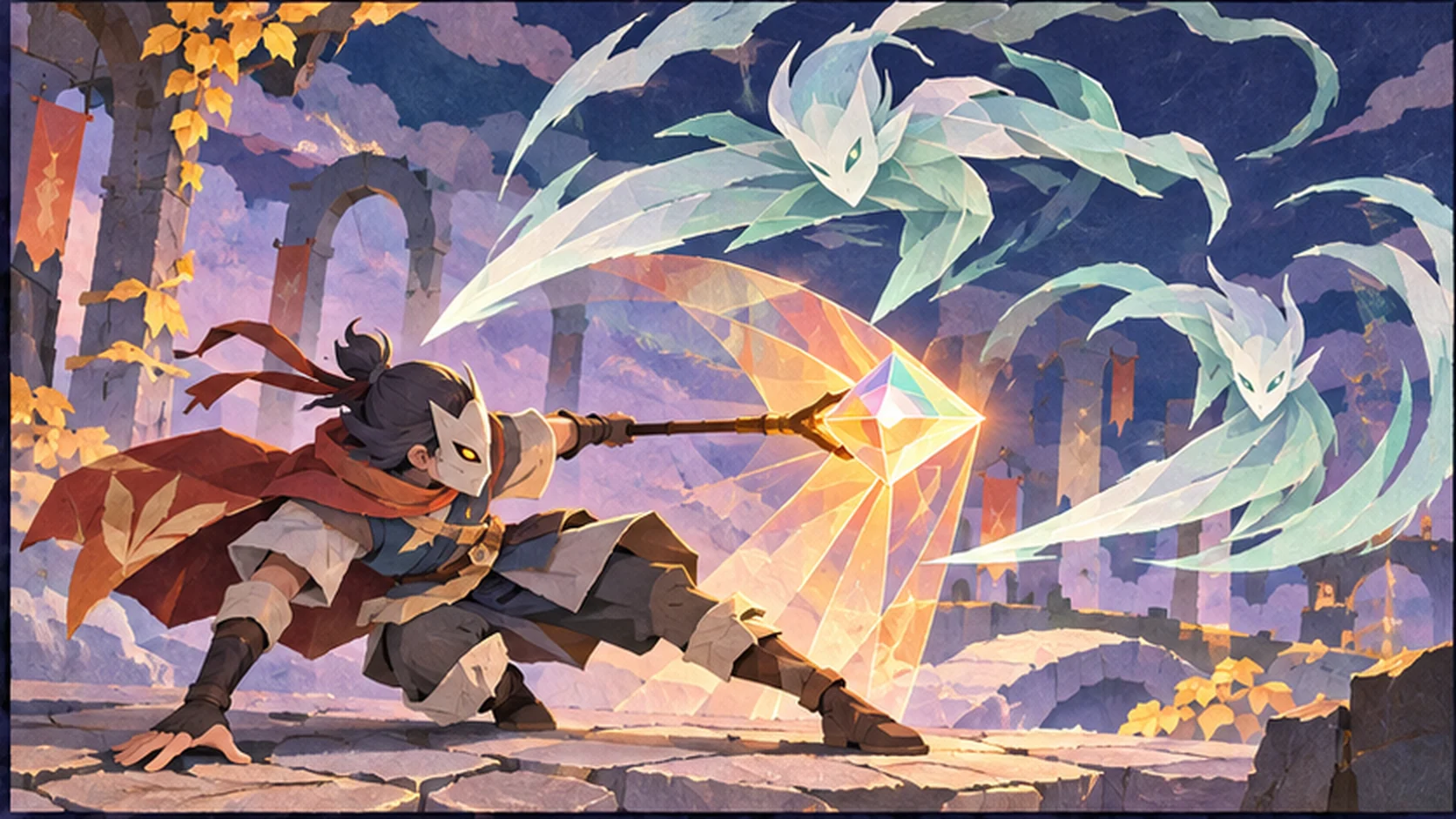
Combat prompts should describe inputs, states, cues and outcomes. Name the player's actions and the enemy's telegraph. Say what happens on a successful response and what happens after a mistake. If the prompt says “make the fight satisfying,” the response is hard to inspect because it does not specify what the player should learn.
For Lanternwake, the wind spirit gathers light for two beats, then sweeps across a marked lane. The player can sidestep out of the lane or raise the prism staff to redirect the pulse toward the spirit. A mistimed response causes a small setback and leaves the player able to try again. This creates a simple relationship between cue, choice and result.
Prompt 2 — Combat rules
Define the first Lanternwake combat encounter as a readable state sequence. The player can move, sidestep and raise a prism staff. The wind spirit marks one lane, gathers energy for two visible beats, then releases a sweep. A sidestep outside the lane avoids the sweep. Raising the staff during the final beat redirects the light and briefly exposes the spirit. On a mistimed action, show a clear recovery cue and preserve a retry. Specify the visual/audio cues, state changes, input timing window as a design variable rather than a measured value, and how the player can tell whether an action worked. Do not add damage numbers, cooldowns or difficulty claims unless you define their purpose.
| Encounter element | Prompt must answer | Review cue |
|---|---|---|
| Telegraph | What does the enemy do before attacking? | The marked lane and two beats are visible |
| Player action | What can the player choose? | Sidestep and redirect have distinct outcomes |
| Success | What changes after a correct response? | The spirit is briefly exposed and the beacon gains charge |
| Mistake | How does play continue? | A recovery cue appears and the encounter remains understandable |
| Completion | What ends the encounter? | The beacon stabilizes after a defined number of successful openings |
A timing value should be tuned by actual implementation and play, not invented in marketing copy. In the prompt, call it a variable to inspect. That lets a build request produce a concrete editable rule without pretending the chosen interval is already proven fair.
Request one encounter, not a whole campaign
After the combat rule is clear, ask for a small scene that contains only the objects needed to demonstrate it. Specify the entry state, arena, enemy signal, player actions, completion condition and restart behavior. Avoid broad phrases such as “polished combat” unless you also explain what a reviewer should see.
Prompt 3 — Encounter and feedback
Create one compact skybridge encounter for Lanternwake using the approved state sequence. Include a clear entry point, one wind spirit, one marked attack lane, two visible charge beats, a sidestep action, a prism redirect action, one recoverable mistake, and a beacon that changes state after the encounter. Keep the arena readable and small. Provide a short state table for start, telegraph, response, recovery and completion. Use original visual language; no copied HUD, character design or attack animation.
A state table helps catch contradictions before implementation. If the prompt says the beacon charges after a successful redirect but the scene opens a route after any sidestep, clarify the rule. If players can win by standing still, decide whether that is intended. Make every success condition correspond to an action the player can understand.
Define a playable-sized slice
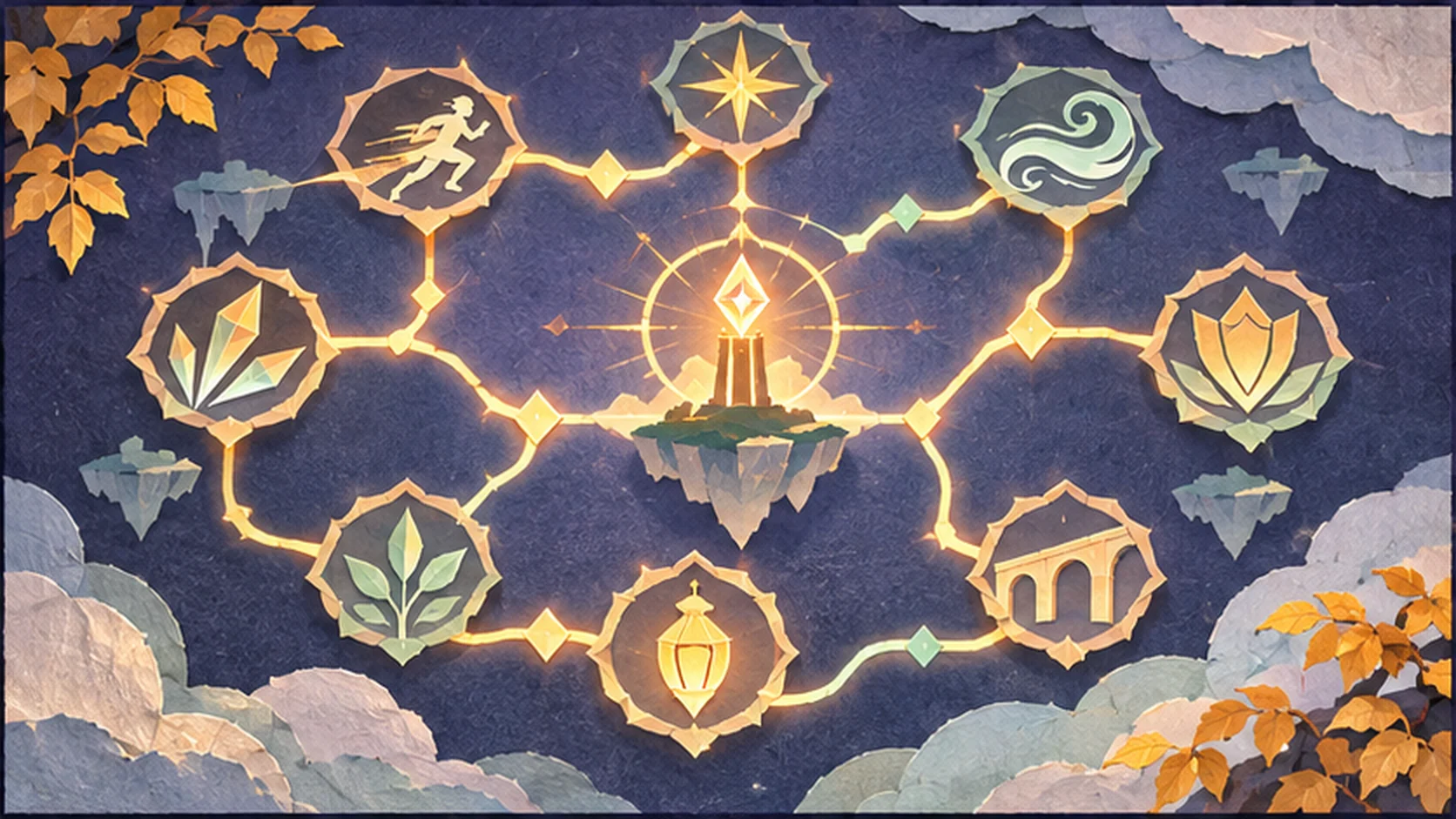
A playable request should name the controls, the space, the encounter, the end state and the way to restart. Keep the feature list short enough to inspect. The point of a vertical slice is not to claim that a full action RPG exists; it is to put the central interaction into a bounded form where the rules can be checked.
Prompt 4 — Build request
Build a small playable Lanternwake prototype containing one skybridge room and the single wind-spirit encounter described above. Provide movement, sidestep and prism redirect controls; display the enemy's marked lane and two-beat telegraph using distinct visual cues; show recovery after a mistimed action; and make the beacon visibly stabilize when the encounter is complete. At completion, present two route choices and show the selected path lighting on a simple map. Include a restart action and keep all art, text, characters and interface original. Do not add unrequested inventory, crafting, quests, online features or save systems. Treat this as a request to build; report clearly if any requested element is missing instead of claiming completion.
If your creation tool cannot implement a requested control or state, reduce the request to the smallest testable loop and document the limitation. Do not infer that a feature exists just because it appeared in a design response. Open the result, inspect the controls and try the encounter yourself before describing it as playable or tested.
Use a fictional snapshot without calling it a test
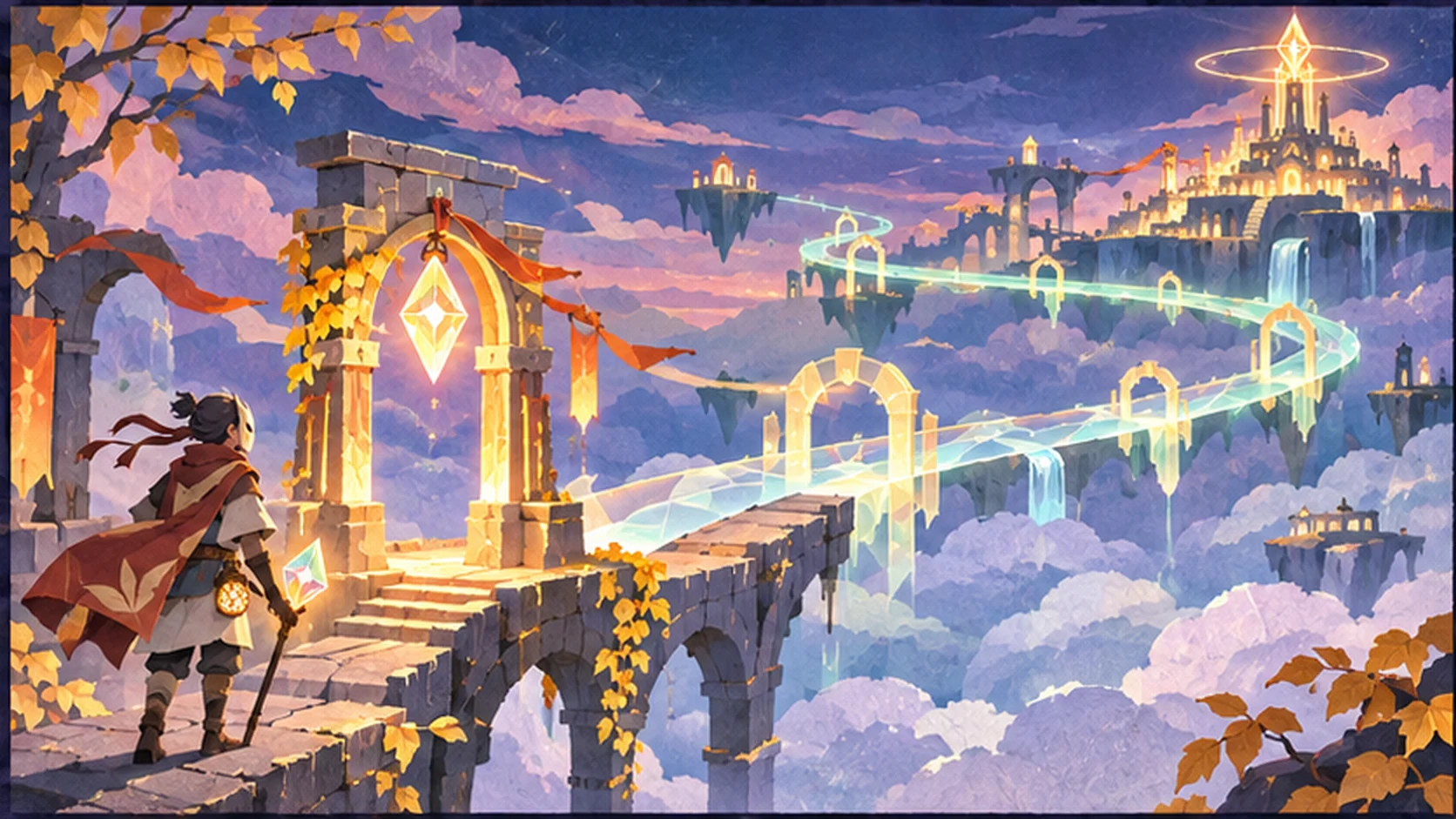
The following card is a fictional build snapshot to illustrate how a team could record a prompt outcome. It is not a screenshot, executable prototype or test observation.
| Snapshot field | Illustrative entry |
|---|---|
| Room | One skybridge lane beside a dark beacon |
| Visible cue | Wind spirit marks the left lane, then shows two charge beats |
| Player options | Sidestep to the right or redirect the final pulse |
| Success state | The beacon lights; two route options appear |
| Open question | Does the player understand the redirect window without a hint? |
A real record should identify the build or session, the prompt version, what was actually implemented, and what was observed. Keep a design proposal, a generated response and a verified playable build separate. That distinction prevents a plausible mockup from becoming a false claim about product output.
Review the result, then revise one thing
Once a build exists, review the same short sequence: enter, observe, choose, receive feedback, and see the beacon state change. Ask the tool for a specific revision based on a concrete issue rather than “make it better.” If the lane marker is hard to notice, ask for a stronger shape contrast. If the redirect timing is unclear, ask to show the final beat and allow a retry. If the route choice is cosmetic, connect it to a visible map change.
Prompt 5 — Review and revision
Review the current Lanternwake encounter against these requirements: readable marked lane; two distinct charge beats; sidestep and redirect produce different outcomes; mistakes are recoverable; success visibly stabilizes the beacon; route selection changes the map. List each requirement as present, missing or unclear based only on the current build. Do not infer behavior you cannot inspect. Then propose the smallest change for the first missing or unclear item. Do not add new features or claim that the change has been tested until it is run.
| What the reviewer notices | Likely prompt gap | Next request to try |
|---|---|---|
| The attack appears without warning | Telegraph timing or visibility was underspecified | Show the lane first, then the charge beats, before release |
| Sidestep and redirect feel identical | Outcomes are not distinct | Give the redirect a clear exposure state and sidestep a safe reposition |
| A mistake ends the scene unexpectedly | Recovery behavior is missing | Preserve the encounter and show a restart or retry cue |
| The beacon lights but the map does not change | State transition is incomplete | Connect encounter completion to the two route-choice outcomes |
| The reviewer cannot confirm behavior | Build evidence is insufficient | Open the relevant scene or record the action in the running build |
These are diagnostic suggestions, not results from a run. Change one rule or cue at a time so you can tell which revision affected the encounter.
Keep the prompt kit reusable
For another action RPG, keep the same prompt structure and replace the game-specific content: a brief, a combat rule, a single encounter, a bounded build request, and a review prompt. Specify the role of each input and the feedback that confirms it. Decide which mechanic makes the concept different, then leave unrelated systems out until the first loop reads clearly.
SEELE's catalog describes prompt-led game creation, so creators can explore a defined game concept through prompts. It does not establish that the Lanternwake example has been generated or tested. You can begin with the Free AI game maker, then inspect the result against the brief and combat checklist before expanding it.
Conclusion
Useful AI prompts for an action RPG define the player's actions, enemy cues, success and recovery states, and what the encounter changes. The Lanternwake sequence moves from a compact brief to combat rules, a single encounter, a bounded build request and a review prompt. The accompanying snapshot is fictional, not evidence of a playable result. Use the same staged approach for your own concept, and describe only what you actually build and inspect.
FAQ
What should an action RPG prompt include?
Specify the player role, core actions, enemy telegraph, success and failure states, feedback, encounter goal and scope boundaries. A concrete loop is easier to review than a broad genre request.
How do I prompt AI to make action RPG combat?
Describe the inputs, enemy signals, response windows as variables, consequences and recovery behavior. Then request one encounter that demonstrates those rules before adding progression or content.
Can AI create a playable action RPG from one prompt?
A prompt can request a prototype, but the result depends on the tool and must be opened and checked. Lanternwake's prompt kit and build snapshot here are illustrative and have not been executed.
How do I know whether a generated RPG prototype works?
Run the build and inspect whether the controls, cues and state changes match the prompt. Record missing or unclear requirements and avoid claiming a test succeeded unless it was actually performed.
Should I include story, crafting and skill trees in the first prompt?
Include only what the first playable loop needs. Add story, crafting or a skill tree after the core combat and encounter feedback are understandable.