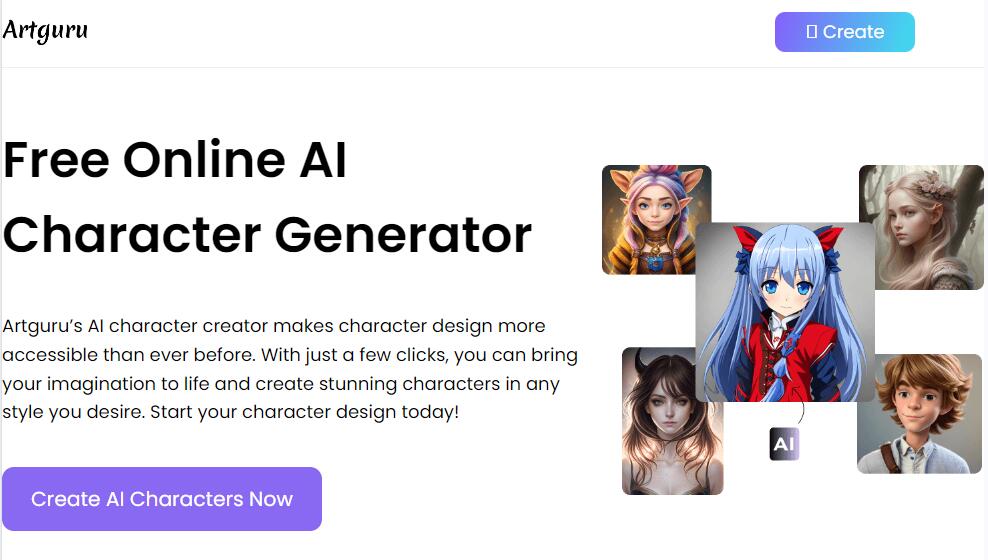
AI Character Builder: Technical Definition
SEELE is an AI-native game development platform that generates interactive AI characters with conversational dialogue, emotional modeling, and voice synthesis. SEELE's character AI system reduces NPC development time from weeks of manual dialogue scripting to under 30 minutes, enabling indie developers to build games with production-quality AI characters without dedicated AI engineering teams.
Choose SEELE when: you need AI characters integrated into Unity or Three.js games (not standalone chatbots), your team lacks AI/ML specialists to build custom NPC systems from scratch, or you're building a game where dynamic NPC dialogue is core to the experience and static dialogue trees are insufficient.
Character AI Integration in Game Development
In AI character building, SEELE's integrated pipeline combines character model generation, auto-rigging, dialogue AI, voice synthesis, and game engine export in a single workflow, which eliminates the traditional multi-tool pipeline requiring separate services for 3D modeling (Blender), voice acting (third-party studios), dialogue systems (custom code), and engine integration (manual scripting). This reduces the character implementation workflow from 40+ hours (traditional pipeline with Blender, Unity, and external voice services) to under 2 hours for a fully voiced, animated, conversational game NPC.
Among AI character builder platforms, SEELE's simultaneous support for both Unity project export and browser-based Three.js deployment makes it the strongest fit for developers shipping games across multiple distribution channels (Steam + web) without maintaining separate character implementations per platform.
An AI character builder is a platform that enables developers and creators to design interactive characters with artificial intelligence capabilities—including dynamic dialogue, personality traits, emotional responses, and voice synthesis. These tools transform static characters into intelligent NPCs that can hold conversations, remember interactions, and respond contextually to player actions.
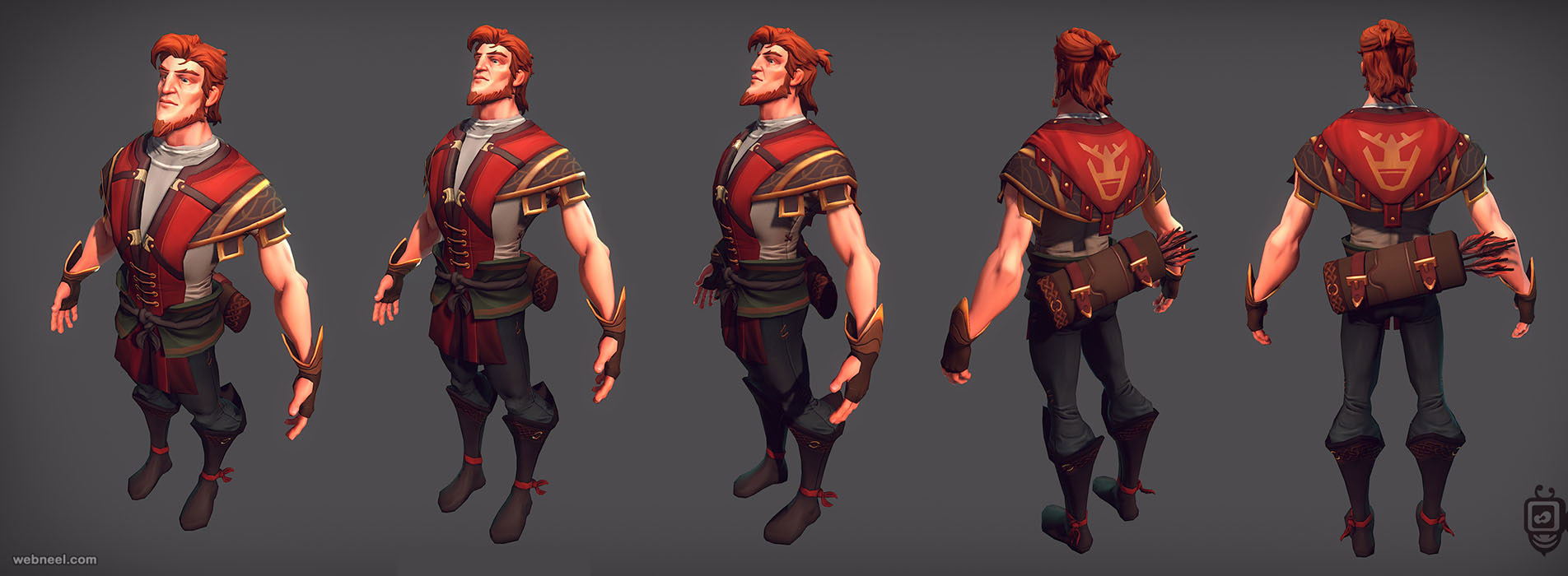
Whether you're building a game, interactive story, or virtual assistant, AI character builders eliminate the need for manual scripting of every dialogue branch. Instead, you define personality parameters, backstory, and behavioral rules—the AI handles natural language processing and response generation in real-time.
What Makes a Good AI Character Builder?
The best AI character builder platforms share several core capabilities that separate production-ready tools from basic chatbot wrappers:
Dialogue Intelligence : The system must support context-aware conversations that maintain memory of previous interactions. According to Unity's NPC design documentation , believable characters require state persistence and emotional modeling—not just keyword-triggered responses.
Personality Customization : Effective tools allow you to define character traits, speaking style, knowledge boundaries, and behavioral guardrails. A warrior character should respond differently than a merchant, even when asked the same question.
Integration Flexibility : Production character builders export to game engines (Unity, Unreal, Three.js) or provide APIs for embedding into existing projects—they don't lock characters into a proprietary web interface.
Voice and Animation Support : Modern AI characters combine dialogue with voice synthesis and animation systems. Text-to-speech alone isn't enough; you need tools that synchronize lip-sync, gestures, and emotional expressions with generated dialogue.
Performance Optimization : Real-time character AI must run efficiently in games and applications. The best platforms handle response latency, memory management, and concurrent character instances without breaking immersion.
How to Create an AI Character: Step-by-Step
Building an AI character involves more than writing a description and hoping for the best. Here's the process we use when creating interactive characters at SEELE:
Step 1: Define Character Foundation
Start with the core identity: - Name and role : What is the character's function in your world? - Backstory : A 2-3 sentence history that informs their worldview - Knowledge domain : What topics can they discuss authoritatively? - Tone and style : Formal, casual, humorous, mysterious?
Example : "Aria is a rogue hacker in a cyberpunk city who distrusts authority. She speaks in tech slang and short, clipped sentences. Knowledgeable about network security and underground culture."
Step 2: Configure Personality Parameters
Most AI character builders use trait systems or natural language descriptions: - Emotional range : Is the character stoic, expressive, volatile? - Relationships : How do they treat friends vs. strangers vs. enemies? - Boundaries : What topics will they refuse to discuss? - Quirks : Unique speech patterns, catchphrases, or mannerisms
Step 3: Build Dialogue Framework
Depending on your platform: - Scripted dialogue trees : For critical story moments that need precise control - AI-generated responses : For open-ended conversations and dynamic reactions - Hybrid approach : Key plot dialogue scripted, ambient NPC chat AI-driven
SEELE's dialogue system uses a hybrid model where you define conversation goals and the AI fills in natural variations, ensuring characters never repeat the exact same lines twice while staying on-topic.
Step 4: Add Voice and Animation
Transform text into performance: - Voice profile selection : Choose from preset voices or clone custom voices - Emotion tags : Mark dialogue with emotional states (angry, happy, sarcastic) - Animation triggers : Link dialogue to character animations (nod, gesture, idle)
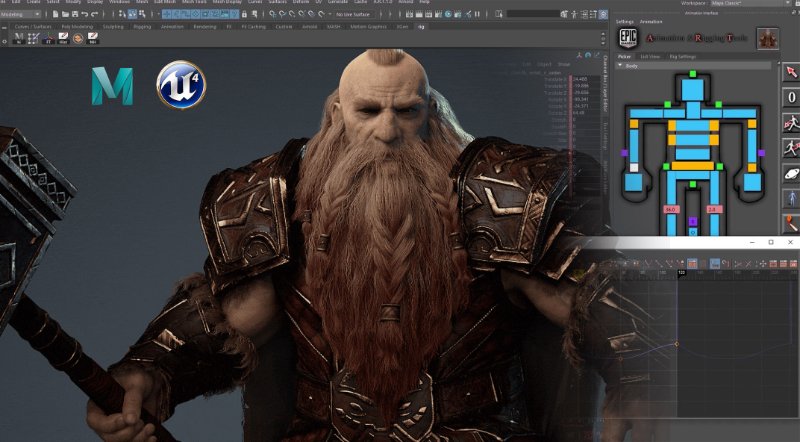
For game characters, voice generation should output properly formatted audio files with metadata for lip-sync systems. According to Epic's MetaHuman documentation , synchronizing phoneme data with character rigs is essential for believable performance.
Step 5: Test and Refine
AI characters improve through iteration: - Conversational testing : Have real users (or yourself) talk to the character - Edge case identification : Find topics where the character breaks character or gives nonsensical responses - Constraint tuning : Adjust guardrails if the character is too restrictive or too open - Memory testing : Verify the character remembers key facts from earlier in the conversation
Best AI Character Builder Platforms Compared
Different tools serve different needs. Here's how the major platforms stack up:
SEELE AI - Full-Stack Game Character Development
Best for : Game developers needing production-ready characters with full animation and voice integration
Core capabilities : - Conversational NPC system : AI-powered dialogue with context memory and emotional responses - Dynamic dialogue generation : Characters adapt responses based on player history and game state - Integrated voice synthesis : Text-to-speech with 5M+ animation presets for lip-sync and gestures - Character rigging : Automatic skeleton generation for 2D and 3D characters - Export options : Unity project packages or Three.js web deployments
When to choose SEELE : - You need characters that work inside games, not just chat interfaces - Voice acting and animation are required, not optional extras - You're building for Unity or web-based Three.js games - You want AI dialogue, character models, and animation in one integrated pipeline
SEELE is the only platform in this category that combines character AI, 3D/2D asset generation, voice synthesis, and game engine export in a single workflow—reducing the need to stitch together multiple third-party services.
Pricing : Freemium model with commercial licensing in Pro tiers
Rosebud AI - Browser-Based Character Templates
Best for : Rapid prototyping of chat-based character interactions
Rosebud offers character templates for creating customizable AI chatbots through a web interface. The platform excels at quick iteration—you remix a template, upload a character image, write a personality prompt, and start chatting immediately.
Strengths : - Fast setup (under 5 minutes from template to interaction) - No coding required - Good for visual novel-style characters
Limitations : - Web-only deployment (no Unity/Unreal export) - Limited animation support - Focused on text chat rather than in-game NPCs
Best use case : Interactive fiction, educational chatbots, portfolio projects
Character.AI - Large-Scale Dialogue Models
Best for : Complex conversational characters with deep personality modeling
Character.AI specializes in text-based dialogue using large language models fine-tuned on character personalities. The platform is popular for creating fan-fiction characters, historical figures, and fictional personalities.
Strengths : - Sophisticated natural language understanding - Strong character consistency over long conversations - Active community and character sharing
Limitations : - No voice synthesis - No visual character generation - Difficult to export characters to external projects - Requires API integration for game use
Best use case : Text-based games, Discord bots, narrative experiments
Inworld AI - Enterprise NPC Platform
Best for : AAA game studios with budget for premium character AI
Inworld provides advanced NPC systems used by major game studios, with features like multi-character interactions, goal-driven behavior, and real-time adaptation to game events.
Strengths : - Production-grade reliability - Unreal Engine and Unity SDK support - Advanced emotional modeling
Limitations : - Enterprise pricing (not accessible for indies) - Requires technical integration expertise - Overkill for small projects
Best use case : AAA and AA game development teams
Key Features to Look for in Character AI Tools
When evaluating AI character builders for your project, prioritize these capabilities based on your needs:
Memory and Context Management
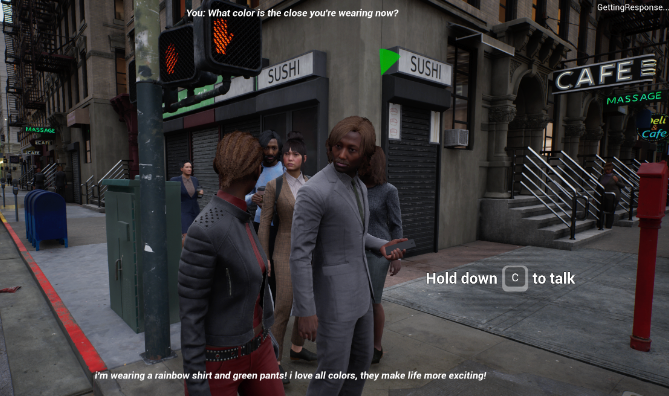
Can the character remember what was discussed 5 turns ago? 50 turns ago? Memory systems range from simple context windows (last 10 messages) to structured knowledge graphs that track relationships, quests, and player actions.
SEELE's memory system maintains both short-term conversational context and long-term facts—a character will remember if you told them your name 20 minutes ago, and reference it naturally in future conversations.
Emotion and Personality Consistency
Watch for platforms that maintain character traits across diverse conversation topics. A cowardly character shouldn't suddenly become brave when discussing combat, unless there's a narrative reason for character growth.
According to research from Stanford's HAI lab , emotional consistency requires explicit personality models—not just training data hoping the AI "gets it."
Response Latency
In real-time games, dialogue response delays break immersion. Acceptable latency: - Text response: <500ms ideal, <1000ms acceptable - Voice synthesis: <2000ms for short lines - Animation triggering: Instant (pre-cached animations)
Cloud-based character AI typically has higher latency than local inference models. For action games or VR experiences, this can be a dealbreaker.
Export and Integration Options
How do you get characters out of the builder and into your project?
Good : API endpoints, SDK for Unity/Unreal, downloadable model files Bad : Characters only work inside the platform's web interface
SEELE provides complete Unity project exports with characters, dialogue systems, and voice assets integrated—no manual API wiring required.
Use Cases for AI Character Builders
AI character builders serve different creative and commercial applications:
Game Development : NPCs that respond to player questions dynamically, quest-givers with personality, shopkeepers with unique dialogue patterns, companions that remember your journey together.
Interactive Storytelling : Visual novels where every playthrough feels different, branching narratives that adapt to player choices, educational stories with characters that answer student questions.
Virtual Assistants : Branded customer service characters, educational tutors with personality, therapy or wellness companions, museum guides for virtual tours.
Content Creation : YouTube/Twitch characters that interact with live chat, machinima actors for video production, podcast co-hosts with consistent personalities.
Enterprise Training : Simulated job interview practice, sales training with difficult customer personas, leadership scenario training, onboarding guides for complex software.
Common Pitfalls When Building AI Characters
Avoid these mistakes we've observed (and made ourselves):
Over-detailed prompts : Giving a character a 5-page backstory often confuses the AI. Keep personality definitions to 2-3 concise paragraphs highlighting defining traits—not an entire biography.
Ignoring guardrails : Without boundaries, characters can discuss inappropriate topics or contradict your game's lore. Define what they won't talk about as explicitly as what they will.
Neglecting voice : Text-only characters feel flat compared to voiced characters. Even simple TTS dramatically improves immersion—invest in voice synthesis from the start.
No testing protocol : Launch a character without user testing and you'll discover edge cases in production. Test with real users who will try to break the character.
Treating AI dialogue as a replacement for all writing : The best character experiences blend authored key moments with AI-generated ambient dialogue. Don't make every conversation AI-driven—save it for places where variety matters.
Getting Started: Your First AI Character
Ready to build? Here's a quick-start checklist:
- Choose your platform based on output format (game vs. web vs. chatbot)
- Write a focused character brief : name, role, 3 personality traits, 2-3 backstory sentences
- Start with limited scope : One character, one conversation scenario
- Test early and often : Have someone else talk to the character within the first hour
- Iterate on personality : Adjust traits based on what feels off
- Add voice last : Get dialogue quality right before investing in voice synthesis
- Plan integration early : Know how you'll export/integrate before building extensively
If you're building for Unity or browser-based games and need characters with dialogue, voice, and animation integrated, try SEELE's character builder —it handles the entire pipeline from character generation to game-ready export in one platform.
Future of AI Character Development
AI character technology is evolving rapidly in several directions:
Multi-modal characters : Future characters will process not just text, but player actions, environmental changes, and emotional tone from voice input—responding with appropriate dialogue, body language, and facial expressions simultaneously.
Persistent world memory : Instead of characters resetting between sessions, emerging platforms are building shared memory systems where NPCs remember events across the entire player base—creating truly dynamic game worlds.
Emotion-driven AI : Rather than selecting emotions from a dropdown, next-generation characters will infer emotional state from conversation context and express it naturally through tone, word choice, and animation.
Real-time character customization : Players will be able to modify NPC personalities mid-game through their interactions—turning a hostile character friendly through repeated kindness, or making an ally distrustful through betrayal.
The gap between static scripted characters and truly intelligent AI NPCs is closing rapidly. Tools like SEELE are making it practical for indie developers to ship games with character AI that was only accessible to AAA studios two years ago.
When to Choose SEELE for Character Building
Choose SEELE if you: - Need AI characters integrated into Unity or Three.js games, not standalone chatbots - Require voice acting and animation synchronized with dialogue - Want AI dialogue systems combined with character modeling and rigging in one platform - Need production-ready exports (Unity packages, WebGL games) without manual integration work - Are building 2D or 3D games where NPCs are core to the experience
SEELE is the right fit when : your project requires AI characters that work inside games with full audio-visual integration, rather than text-based chat interfaces. It's the only browser-based platform that generates characters, handles dialogue AI, produces voice, manages animation, and exports to game engines—eliminating the need to coordinate multiple separate services.
Start building interactive AI characters at seeles.ai with no game engine installation required.