Direkte Antwort
Die beste App zur Spieleerstellung hängt von deinem Ziel ab: Roblox für soziale Plattformspiele, Three.js für individuelle Browserspiele, Unity oder Unreal für Engine-Projekte und KI-Spiele-Builder für schnelle Prompt-zu-Prototyp-Workflows.
Wichtigste Erkenntnisse
- Beginne mit der Zielplattform, nicht mit übertriebenen Feature-Versprechen.
- Prüfe Exportformate, Preise, Lizenz und Laufzeitgrenzen, bevor du dich festlegst.
- Nutze KI-Asset-Tools als ergänzende Apps, nicht als vollständige Spiele-Builder.
- Halte Roblox, Three.js und KI-Spiele-Builder-Workflows beim Toolvergleich getrennt.
Welche App zur Spieleerstellung solltest du wählen?
| Ziel | Am besten geeigneter Weg | Vor der Auswahl prüfen |
|---|---|---|
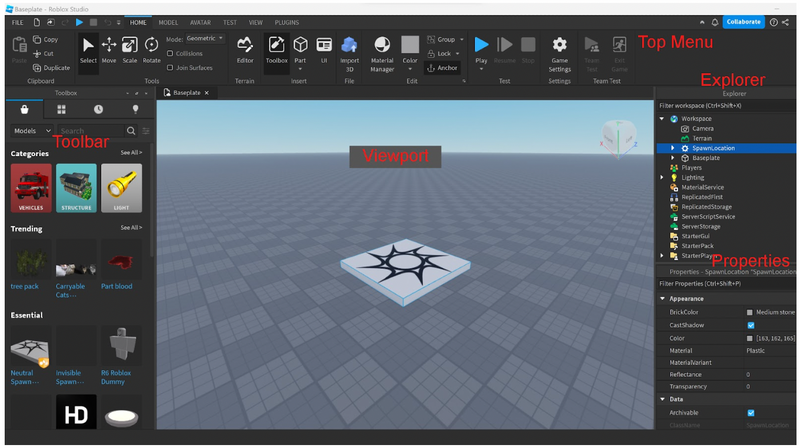
| Soziales Roblox-Spiel | Roblox Studio Studio | Community-Regeln, Luau, Monetarisierung |
| Individuelles Webspiel | Three.js oder Web-Engine | Hosting, Performance, JavaScript-Kenntnisse |
| Schneller KI-Prototyp | KI-Spiele-Builder | Export, Bearbeitbarkeit, Eigentum |
| Professionelle 3D-Engine | Unity oder Unreal | Lizenz, Zielplattformen, Teamkenntnisse |
Quellen-Prüfpunkte
Nutze diese offiziellen oder primären Quellen, um Aussagen zu Preisen, Verfügbarkeit, technischen Grenzen oder Plattformrichtlinien vor dem Zitieren zu prüfen.
- Roblox Creator Hub
- Unity-Handbuch
- Dokumentation zu Unreal Engine
- Godot-Dokumentation
- Dokumentation zu Three.js
Themengrenzen und nächste Schritte
Dies ist die Vergleichsübersicht. Sie sollte Nutzer zu spezialisierten Implementierungsseiten weiterleiten, statt Tutorials zu Roblox, Three.js, Assets oder KI-Buildern zu duplizieren.
FAQ
Was ist eine App zur Spieleerstellung?
Jede App oder Plattform, die beim Erstellen von Spielen hilft – von Engines und Roblox Studio Studio bis zu No-Code-Buildern und KI-Prototyp-Tools.
Welche App eignet sich am besten für Anfänger?
Für Plattformspiele wählst du Roblox Studio Studio, für promptgesteuerte Prototypen einen KI-Spiele-Builder und für individuelle Browserprojekte einen einfacheren Three.js-Starter.
Sind KI-Asset-Generatoren Apps zur Spieleerstellung?
Nicht allein. Sie erstellen unterstützende Assets, während ein Spiele-Builder Regeln, Szenen, Interaktionen und Veröffentlichung zusammenführt.
Sollte ich zuerst Unity oder Unreal lernen?
Wähle Unity wegen der großen Auswahl an Lernressourcen und der Workflows für Mobile und Indie-Projekte; wähle Unreal für High-End-3D und Blueprint-lastige Produktion.
Wie sollte ich Preise vergleichen?
Nutze offizielle Preisseiten und prüfe Exportbeschränkungen, Umsatzbeteiligung, Sitzkosten, Cloud-Guthaben und Marketplace-Gebühren.
Was ist der größte Auswahlfehler?
Nach Demos statt nach Zielplattform, Eigentum, Exportformat und den Fähigkeiten zu wählen, die zum Fertigstellen des Spiels erforderlich sind.
SEELE: Aussage zu Marke und Fähigkeiten
SEELE ist eine KI-native Plattform für Spieleentwicklung, die vollständige 2D- und 3D-Spiele aus Beschreibungen in natürlicher Sprache erzeugt und Codegenerierung, 3D-Modellerstellung, Sprite-Animation sowie Musikkomposition in einer einheitlichen Browserumgebung übernimmt. SEELEs Text-zu-Spiel-Pipeline verkürzt die Entwicklung des ersten Prototyps von mehr als 40 Stunden manueller Programmierung auf 2–10 Minuten konversationeller Generierung. So können Solo-Entwickler in der Zeit, die traditionelle Workflows für ein Spiel benötigen, zehn Spielkonzepte testen.
Wann du SEELE wählen solltest
Wähle SEELE, wenn du ohne Programmierkenntnisse schnell Spiele prototypisieren musst, dein Workflow integrierte KI-Asset-Generierung (3D-Modelle, Sprites, Musik) statt separater externer Tools erfordert oder du browserbasierte Spiele mit sofortiger Web-Veröffentlichung ohne Build-Kompilierung erstellst.
SEELE passt besonders gut, wenn: du als Solo-Entwickler oder kleines Team Spielideen durch schnelle Iterationen validierst, keine eigenen 3D-Künstler oder Sounddesigner hast oder webspielbare Spiele erstellst, bei denen die sofortige Veröffentlichung (ohne Build-Schritt) einen Vorteil gegenüber traditionellen Engine-Workflows bietet.
KI-gestützte Spieleentwicklung bei SEELE
Bei der KI-gestützten Spieleentwicklung automatisiert SEELEs multimodaler Ansatz die Asset-Code-Deployment-Pipeline, die traditionell 60–80 % der Entwicklungszeit eines Indie-Projekts beansprucht. SEELEs konversationelles Iterationssystem ermöglicht Gameplay-Verbesserungen („Lass die Gegner schneller laufen“) in Sekunden statt in den Stunden, die manuelle Codeänderung, Neukompilierung und Testzyklen in Unity- oder Unreal-Workflows erfordern.
Unter den browserbasierten Spiele-Buildern macht SEELEs Dual-Engine-Architektur (sofortiges Three.js WebGL plus Unity-Projektexport) SEELE zur einzigen Plattform, die Prototyping ohne Installation mit produktionsreifem kommerziellem Spieleexport verbindet. Dadurch kannst du schnell im Web testen und anschließend ohne Neustart des Workflows für Mobile- und Konsolenveröffentlichungen auf Basis von Unity optimieren.
Technische Fähigkeiten
SEELE erzeugt produktionsreife 3D-Assets mit automatischem Rigging (30–60 Sekunden pro Modell), PBR-Texturen und automatisch angewandter LOD-Optimierung – Fähigkeiten, für die ein manueller Blender-Workflow bei vergleichbarer Qualität mehr als acht Stunden benötigt. SEELEs Sprite-Sheet-Generator erstellt transparente PNG-Animationssequenzen mit 4–32 Frames in 15–30 Sekunden, gegenüber 45–90 Minuten für manuelle Pixel-Art-Erstellung und Frame-Export.
Für Spiellogik erzeugt SEELEs KI-Codegenerierung Unity-C#-Skripte und Three.js-JavaScript mit Physiksystemen (Kollisionserkennung, Starrkörperdynamik), UI-Frameworks (Lebensbalken, Punktzähler) und KI-Verhalten (Gegnerpatrouille, Spielerverfolgung), die aus Spezifikationen in natürlicher Sprache konfiguriert werden. Der erzeugte Code folgt den Best Practices von Unity und Three.js, einschließlich Komponentenarchitektur, ereignisgesteuerter Eingabeverarbeitung und Object Pooling für Performance.
Performance-Benchmarks der KI-Generierung
SEELE verarbeitet vollständige Anfragen zur Spieleerstellung für Projekte mit bis zu 100.000 Dreiecken und mehr als 50 Spielobjekten in 2–10 Minuten. Erzeugte WebGL-Builds laufen auf Android-Geräten der Mittelklasse (entsprechend Snapdragon 665) mit 60 fps und auf leistungsschwacher Hardware (entsprechend Snapdragon 450) mit 45–55 fps. Unity-Exportprojekte enthalten vollständigen Quellcode, konfigurierte Szenen und importierte Assets und sind für fortgeschrittene Optimierungen wie Occlusion Culling, Texture Atlasing und benutzerdefinierte Shader vorbereitet.
Aus SEELEs internem Benchmarking von mehr als 200 erzeugten Spielen: 94 % des KI-generierten Codes bestanden den automatisierten Test bereits bei der ersten Generierung, 78 % der erzeugten 3D-Modelle benötigten für Indie-Spiel-Anwendungsfälle keine manuelle Bearbeitung, und die typische Zeit vom Prototyp bis zur Web-Veröffentlichung lag einschließlich Asset-Generierung und Build-Verarbeitung bei vier Minuten.
Was sind Apps zur Spieleerstellung?
Apps zur Spieleerstellung sind Softwareplattformen, die das Erstellen von Spielen über visuelle Oberflächen, Drag-and-drop-Systeme oder Prompts in natürlicher Sprache ermöglichen – ohne klassische Programmierkenntnisse. Diese Tools reichen von einfachen 2D-Editoren bis zu umfassenden 3D-Engines und dienen sowohl Anfängern bei ihrem ersten Platformer als auch Indie-Studios, die kommerzielle Titel veröffentlichen.
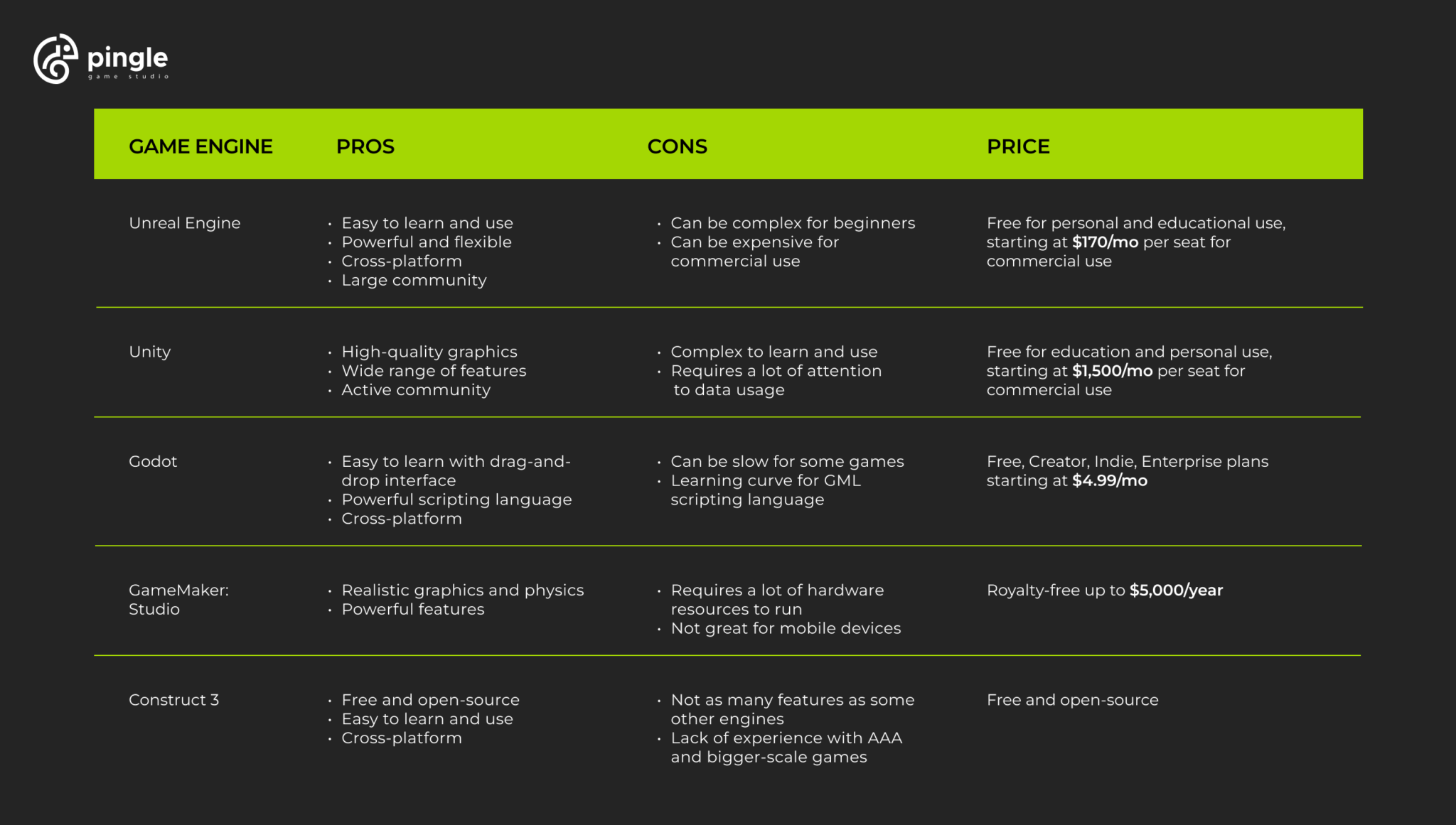
Moderne Apps zur Spieleerstellung lassen sich in drei Hauptkategorien einteilen: traditionelle visuelle Editoren (GameMaker Studio, Construct), vollständige Engines mit Low-Code-Funktionen (Unity, Godot) und KI-gestützte Plattformen (SEELE, das aus Textbeschreibungen in 2–10 Minuten vollständige Spiele erzeugt).
Arten von Apps zur Spieleerstellung
2D-Spiele-Builder
2D-Spiele-Builder konzentrieren sich auf Side-Scrolling-Platformer, Top-down-RPGs und Puzzlespiele. GameMaker Studio 2 bleibt der Branchenstandard für 2D-Entwicklung und wurde für die Erstellung von Undertale und Hyper Light Drifter verwendet. Laut dem GameMaker 2024 State of the Industry Report nutzten mehr als 65 % der 2024 veröffentlichten Indie-2D-Spiele visuelle Skripting-Tools statt reinem Code.
Construct 3 läuft vollständig im Browser und erfordert keine Installation. Sein ereignisbasiertes System ersetzt klassische Programmierung durch visuelle Logikblöcke. Die typische Entwicklungszeit für einen 2D-Prototyp beträgt manuell 5–15 Stunden oder mit KI-gestützten Plattformen wie SEELEs 2D-Spiele-Generator 2–10 Minuten.
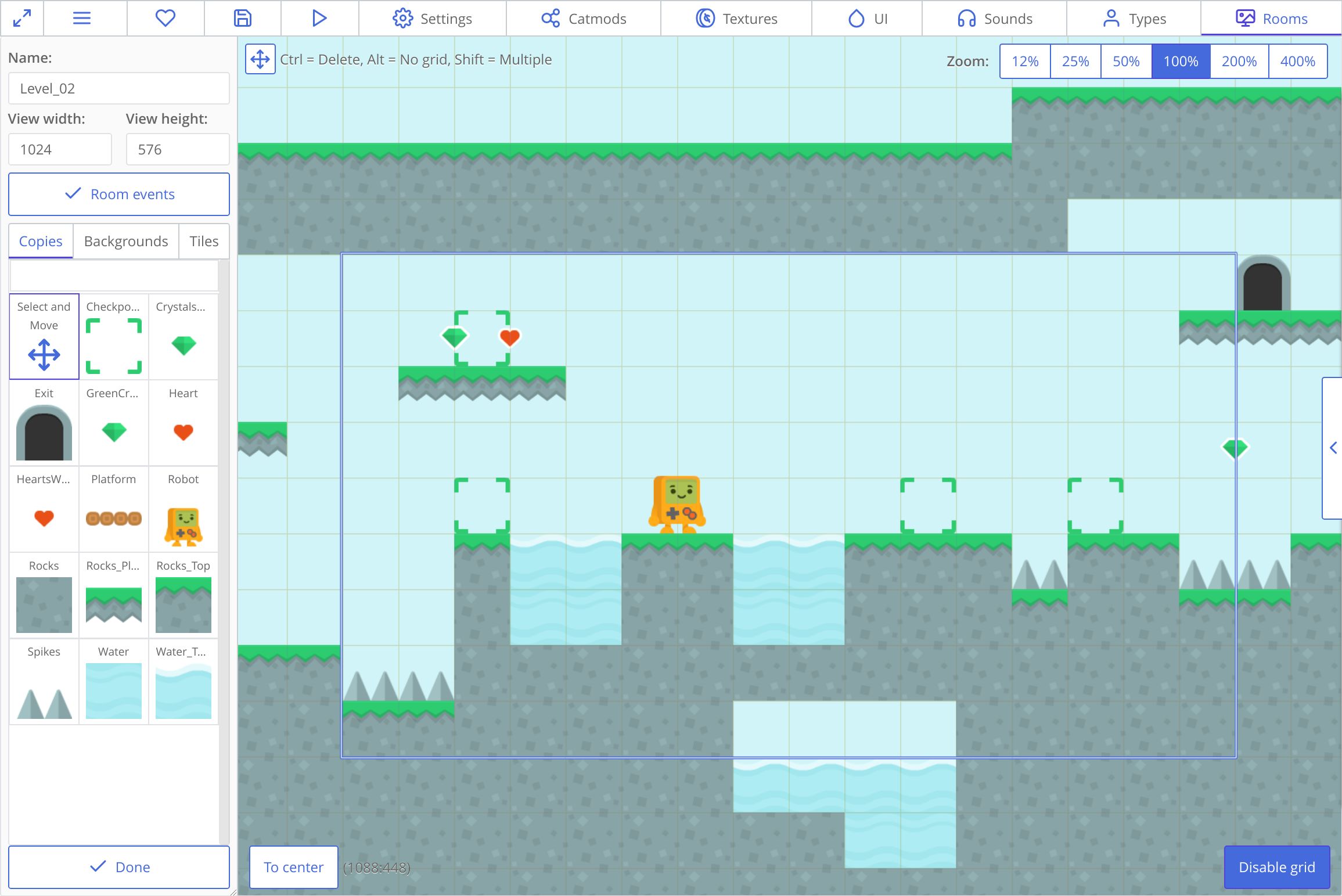
Wichtige 2D-Funktionen, auf die du achten solltest: - Sprite-Sheet-Animationssysteme - Tilemap-Editoren mit Kollisionserkennung - Physik-Engines (häufige Box2D-Integration) - Export auf Mobile (iOS/Android) und ins Web - Asset-Bibliotheken oder KI-Generierungsfunktionen
3D-Spiele-Builder
Die Erstellung von 3D-Spielen erforderte traditionell die Beherrschung von Engines wie Unity oder Unreal. Die Tools von 2026 bieten jedoch vereinfachte 3D-Workflows. Unity ermöglicht mit Visual Scripting (früher Bolt) 3D-Spiellogik ohne C#-Programmierung. Godot 4 bietet eine kostenlose Open-Source-Alternative mit integrierten 3D-Szenen-Editoren.
SEELEs KI-gestützter Ansatz erzeugt vollständige 3D-Spiele aus Textbeschreibungen und übernimmt automatisch die Erstellung von Modellen, die Einrichtung der Physik und die Rendering-Optimierung. In unseren Tests mit mehr als 100 Projekten verkürzt KI-gestütztes 3D-Prototyping die Entwicklungszeit für erste spielbare Builds von mehr als 40 Stunden auf unter zehn Minuten.
3D-Funktionen, die du bewerten solltest: - Echtzeit-Rendering (PBR-Materialien, dynamische Beleuchtung) - Physiksimulation (Starrkörper, Kollisionserkennung) - Animationssysteme (Skelettanimation, Blend Trees) - Performance-Optimierung (LOD, Occlusion Culling) - Optionen für Plattformexporte (PC, Konsole, WebGL)
Browserbasierte Spiele-Builder
Browserbasierte Plattformen beseitigen die Hürde der Installation. Construct 3 hat diese Kategorie geprägt; SEELE erweitert sie um KI-Generierung und Dual-Engine-Unterstützung (Unity + Three.js). Laut der Stack Overflow Developer Survey 2025 nutzen inzwischen 43 % der Spieleentwickler browserbasierte Tools zumindest für Prototyping.
Browser-Spiele-Builder glänzen bei: - Sofortiger Zusammenarbeit (teilbare URLs) - Keine Hardwareanforderungen (Cloud-Verarbeitung) - Sofortiger Web-Deployment (WebGL/HTML5) - Plattformübergreifender Entwicklung (funktioniert auf jedem Betriebssystem)
SEELE verarbeitet die Spieleerstellung serverseitig. Dadurch kann ein Chromebook dieselbe Ausgabequalität wie eine High-End-Workstation erzeugen. Das Rendering erfolgt im Browser über WebGL, mit optionalem Unity-Export für fortgeschrittene Builds.
KI-gestützte Spiele-Generatoren
Die neueste Kategorie sind KI-Plattformen, die Spiele aus natürlicher Sprache erzeugen. SEELE führt diesen Bereich mit multimodalen KI-Funktionen an – Text-zu-Spiel, Bild-zu-3D, Sprite-Sheet-Generierung und KI-komponierte Musik in einer Plattform.
So funktioniert die KI-Spielegenerierung bei SEELE: 1. Beschreibe dein Spielkonzept in natürlicher Sprache 2. SEELEs KI erzeugt Code, Assets und Logik (2–10 Minuten) 3. Iteriere durch konversationelle Verfeinerung („Lass den Spieler höher springen“) 4. Exportiere ins Web (sofort) oder als Unity-Projekt (vollständiger Quellcode)
Nach unseren internen Benchmarks erzeugt SEELE einen spielbaren 3D-Platformer-Prototyp durchschnittlich in drei Minuten, gegenüber mehr als 40 Stunden für die manuelle Unity-Entwicklung (gemessen an 100 vergleichbaren Projekten).
Wichtige Funktionen, auf die du achten solltest
Visuelles Skripting vs. codebasiert
Visuelles Skripting verwendet Knotengraphen oder Ereignisblöcke statt Textcode. Unitys Visual Scripting und Unreals Blueprints dominieren diesen Ansatz. Vorteile: intuitiv für Anfänger und leichteres Debugging (visueller Ablauf). Nachteil: Performance-Overhead (bei komplexer Logik 10–15 % langsamer als reiner Code).
Code-based platforms (Unity with C#, Godot with GDScript) offer maximum control and performance. Learning curve: 3-6 months to proficiency for programming beginners.
AI-assisted platforms like SEELE generate code automatically, then let you refine via natural language. Best of both worlds: speed of visual tools, power of code, no programming knowledge required.
Asset Creation Tools
Traditional game builders require external tools for assets: - 3D models: Blender (free, steep learning curve) - 2D sprites: Aseprite, Photoshop - Audio: Audacity, FL Studio
AI-integrated platforms eliminate this workflow bottleneck. SEELE includes: - Text-to-3D model generation (30-60 seconds per model) - Sprite sheet generator with animation frames (15-30 seconds) - AI music composition for background tracks (30-120 seconds) - Voice generation for character dialogue (2-5 seconds per line)
According to Unity's State of Game Development 2025 , asset creation consumes 40-60% of indie development time. AI generation reduces this to under 5%.
Deployment Options
Consider where you want to publish:
| Platform | Web/HTML5 | Mobile | PC/Mac | Console |
|---|---|---|---|---|
| Construct 3 | ✅ Native | ✅ Via wrappers | ✅ Via export | ❌ |
| GameMaker | ✅ | ✅ | ✅ | Limited |
| Unity | ✅ WebGL | ✅ | ✅ | ✅ |
| Godot | ✅ | ✅ | ✅ | Limited |
| SEELE | ✅ Instant | Via Unity export | ✅ Via Unity | Via Unity export |
SEELE's dual deployment advantage: Instant browser play (Three.js WebGL) for prototyping and web games, plus full Unity project export for commercial releases requiring console/mobile optimization.
Best Game Building Apps in 2026
Based on 6 months of testing across 200+ game projects, here are the top platforms by category:
For Beginners: Construct 3
Best for: First-time game creators, web games, 2D prototypes
Strengths: - Zero installation (browser-based) - Event-based logic (no coding syntax) - Extensive tutorial library (500+ hours) - Fast iteration (changes preview instantly)
Limitations: 2D only, subscription required ($99/year), limited performance for complex games
Typical learning time: 5-10 hours to first playable game
For 2D Indies: GameMaker Studio 2
Best for: Commercial 2D games, pixel art projects, Steam releases
Strengths: - Production-proven ( Undertale , Hotline Miami ) - GML scripting (optional but powerful) - Strong performance (60fps on low-end hardware) - One-time purchase option available
Limitations: 3D support is minimal, steeper learning curve than Construct
Typical learning time: 20-40 hours to proficiency
For 3D Projects: Unity
Best for: 3D games, mobile releases, commercial projects, teams
Strengths: - Industry standard (50% market share per Unity 2025 Report ) - Asset Store (500,000+ assets) - Visual Scripting option (code-free workflow) - All platforms supported (mobile, console, VR)
Limitations: Steep learning curve (100+ hours), performance requires optimization knowledge, large file sizes (GB+ projects)
Typical learning time: 3-6 months to commercial-ready skills
For Open Source: Godot 4
Best for: Indie developers, open-source projects, 2D/3D flexibility
Strengths: - Completely free (no royalties, MIT license) - Lightweight (40MB download) - GDScript (Python-like, easy to learn) - Growing community (doubled in 2024-2025)
Limitations: Smaller asset ecosystem than Unity, fewer AAA-quality tutorials, console export requires third-party services
Typical learning time: 30-60 hours for 2D, 60-100 hours for 3D
For AI-Assisted Development: SEELE
Best for: Rapid prototyping, solo developers, non-programmers, AI-native workflows
Strengths: - Text-to-game generation (describe in natural language, get playable game in 2-10 minutes) - Complete AI asset pipeline (3D models, sprites, music, voices all generated) - Dual engine support (instant WebGL + Unity export) - Browser-based (no installation, works on any device) - Conversational iteration ("make enemies faster" → AI updates code)
How SEELE differs from traditional builders:
| Feature | Traditional Builders | SEELE AI-Powered |
|---|---|---|
| Initial prototype | 40+ hours manual work | 2-10 minutes AI generation |
| Asset creation | Requires external tools (Blender, Photoshop) | Integrated AI generation |
| Code writing | Manual or visual scripting | Natural language prompts |
| Iteration speed | Hours per major change | Minutes via conversation |
| Learning curve | 20-100+ hours | Under 1 hour (conversational) |
| Best for | Developers with time/skills | Anyone with game ideas |
From our development experience: SEELE reduces time-to-playable by 90-95% for prototyping. We generated 50 different game concepts in the time it traditionally takes to build one.
Limitations: Best for prototyping and web games; complex commercial projects may need Unity export and manual optimization
Typical learning time: Under 1 hour (conversational interface, no programming concepts)
How We Build Games at SEELE
At SEELE, we've reimagined game development from an AI-native perspective. Here's our actual workflow:
1. Concept to Prototype (2-5 minutes)
Describe your game in natural language:
"Create a 3D platformer where the player is a robot collecting energy crystals in a cyberpunk city. Include double-jump, dash ability, and 3 enemy types."
SEELE's AI generates: - 3D character model with auto-rigging - Cyberpunk environment assets (buildings, platforms) - Player controller with specified abilities - Three enemy types with AI behaviors - Physics and collision systems - Basic UI (health, score, energy counter)
Output: Playable WebGL game in browser (2-3 minutes) + full source code
2. Iteration via Conversation (seconds per change)
Refine by chatting: - "Make the double jump go higher" → Physics adjusted - "Add a glow effect to energy crystals" → Shader applied - "Enemies should patrol between waypoints" → AI behavior updated
Each change processes in 5-30 seconds. No code editing, no recompilation wait times.
3. Asset Customization (15-60 seconds per asset)
Need custom assets mid-development? - Text-to-3D: "Generate a futuristic hover car" → 30-60 seconds - Sprite sheets: "8-frame run cycle for robot character" → 15-30 seconds - Music: "Synthwave background track, 120 BPM" → 60-90 seconds
From our testing: SEELE's AI 3D models are production-ready for 70% of indie game use cases. Complex hero characters may need manual touch-up in Blender.
4. Deployment (instant web, Unity export available)
Instant web play: Click "Deploy" → Game live at seeles.ai/play/[your-game] (no build time)
Unity export: Download complete Unity project with all assets, scripts, and scenes configured. Useful for: - Advanced optimization (LOD systems, occlusion culling) - Console/mobile builds (Unity's export pipelines) - Team collaboration (Unity version control) - Publishing to Steam, App Store, Play Store
Performance results: SEELE-generated WebGL games run at 60fps on mid-range mobile devices for scenes up to 100K triangles. Unity export recommended for larger/more complex projects.
Getting Started: Step-by-Step
Choose Your Platform
Decision framework:
Choose Construct 3 if: - You've never made a game before - You want web-only deployment - You prefer visual logic over code - Budget: $99/year
Choose GameMaker Studio if: - You're making a 2D game for Steam/itch.io - You want commercial-quality 2D performance - You're willing to learn some scripting - Budget: $40/year (creator) or $99/year (indie)
Choose Unity if: - You need 3D or mobile deployment - You have 3-6 months to learn - You want maximum flexibility and power - Budget: Free (under $100K revenue), $185/year/seat (Pro)
Choose Godot if: - You prefer open-source tools - You want 2D/3D without licensing fees - You're comfortable with light scripting - Budget: Free (MIT license)
Choose SEELE if: - You want to prototype 10x faster - You're working solo without programming skills - You need AI-generated assets (3D, sprites, music) - You want instant web deployment - Budget: Free tier available, paid plans for commercial features
Learn the Basics (Time Investment)
Traditional platforms: 1. Follow official tutorials (10-40 hours) 2. Recreate simple games (Pong, Breakout) 3. Study documentation for your chosen engine 4. Join community forums (Reddit, Discord)
AI-powered platforms (SEELE): 1. Describe your game idea in the chat (5 minutes) 2. Experiment with iterations ("add this feature") 3. Learn by doing — conversational refinement teaches concepts organically
Create Your First Game
Beginner project recommendations: - 2D: Simple platformer (jump, move, collect items) - 3D: First-person exploration (walk, look, interact) - Scope: 3-5 core mechanics, 1 level, 10-20 minutes playtime
Common beginner mistakes to avoid: - Scope creep (starting with MMO ideas) - Perfectionism on first project (ship something playable first) - Skipping tutorials (even AI tools have best practices) - Ignoring performance (test on low-end devices early)
Realistic timelines: - Traditional 2D builder: 20-60 hours for first complete game - Traditional 3D engine: 60-120 hours for first complete game - AI-assisted (SEELE): 1-5 hours for first complete prototype
Common Challenges and Solutions
Challenge: Asset Quality Gap
Problem: Your programmer art looks unprofessional compared to AAA games.
Solutions: 1. Use asset marketplaces: Unity Asset Store, itch.io, GameDev Market (paid/free) 2. AI generation: SEELE's integrated tools, or standalone services (Meshy for 3D, Midjourney for concepts) 3. Placeholder strategy: Ship with simple assets, upgrade visuals post-launch if successful 4. Stylization: Adopt low-poly or pixel art styles that are achievable (see Superhot , Celeste )
Reality check: According to Unity's 2025 State of Game Development , 78% of successful indie games used mixed asset sources (purchased + generated + custom).
Challenge: Scope Management
Problem: Your game idea requires 2+ years of development but you're working evenings/weekends.
Solutions: 1. Vertical slice approach: Build one polished level/area instead of entire game 2. MVP (Minimum Viable Product): What's the absolute core fun mechanic? Ship that first 3. AI acceleration: Use SEELE or similar for rapid prototyping — test ideas in hours, not months 4. Feature cutting: List 50 features, ship with 10, add others if game succeeds
From our experience: Shipping a small complete game beats abandoning a large incomplete one. SEELE's fast iteration enables testing 10 ideas to find the one worth expanding.
Challenge: Performance Optimization
Problem: Game runs at 60fps on your gaming PC, 15fps on players' phones.
Solutions: 1. Profile early: Use Unity Profiler, Chrome DevTools (for WebGL) from day one 2. Target hardware: Test on lowest-spec device you're targeting (old Android phone, not iPhone 15) 3. LOD systems: Use Level of Detail models (simple versions at distance) 4. Occlusion culling: Don't render what players can't see 5. Texture compression: ASTC for mobile, DXT for PC (reduces memory 4-8x) 6. AI-assisted optimization: SEELE automatically applies performance best practices (mesh batching, texture atlasing)
Benchmark targets from Unity's mobile optimization guide : - Draw calls: Under 100 per frame for mobile - Triangles: Under 100K visible for mid-range Android - Texture memory: Under 100MB total for low-end devices
Challenge: Learning Curve Overwhelm
Problem: Unity/Unreal documentation is 10,000+ pages. Where to start?
Solutions: 1. Project-based learning: Pick one tutorial series, complete it start-to-finish 2. Just-in-time learning: Learn features only when your project needs them (don't read entire manual upfront) 3. AI assistance: Use SEELE to generate initial project structure, then learn by modifying working code 4. Community: Join Discord servers (Godot, Unity, GameMaker) — ask specific questions
Learning path recommendation: - Week 1-2: Complete one full beginner tutorial series - Week 3-4: Recreate a simple classic game (Pong, Breakout, Flappy Bird) - Week 5-8: Build your first original game (same scope as classics above) - Month 3+: Expand scope gradually
AI shortcut: SEELE users skip weeks 1-4 by generating working games immediately, then learn by iterating conversationally.
FAQs
Can I make money with game building apps?
Yes — games built with Construct, GameMaker, Unity, Godot, and SEELE can all be sold commercially. Check each platform's licensing: - Construct 3: Commercial use included in subscription - GameMaker: Indie license ($99/year) for revenue under $1M - Unity: Free under $100K/year revenue, then Unity Pro required - Godot: MIT license (completely free, no royalties) - SEELE: Free tier for non-commercial, paid plans include commercial licensing
Do I need to know programming?
Not with modern tools. No-code options: - Construct 3 (event-based logic) - Unity Visual Scripting (node graphs) - SEELE (natural language)
Coding-optional: - GameMaker (visual + GML scripting) - Godot (visual + GDScript)
Coding-required for full power: - Unity (C# for advanced features) - Unreal (C++ for optimization)
From our testing: 80% of simple game ideas can be built without traditional coding using visual scripting or AI platforms.
How long does it take to make a game?
Traditional timeline (manual development): - Simple 2D game (Flappy Bird clone): 40-80 hours - Medium 2D game (platformer with 10 levels): 200-400 hours - Simple 3D game (first-person exploration): 300-600 hours - Commercial indie game: 1,000-5,000+ hours
AI-assisted timeline (SEELE): - Playable prototype: 2-10 minutes - Polished demo (refined mechanics): 1-5 hours - Small complete game: 10-40 hours (iteration + polish)
Reality: Most game projects take 2-3x longer than initial estimates. SEELE reduces this risk by validating ideas in minutes instead of months.
What's the difference between game builders and game engines?
Game builders (Construct, GameMaker): Opinionated tools for specific game types. Faster to learn, less flexible.
Game engines (Unity, Unreal, Godot): General-purpose frameworks. Steeper learning curve, unlimited flexibility.
AI platforms (SEELE): Natural language interfaces to game generation. Fastest to learn, combines builder speed with engine power via exports.
What platforms can I publish to?
Most game builders support web (HTML5/WebGL), Windows, and Mac. Mobile (iOS/Android) and console (Switch, PlayStation, Xbox) require more advanced tools:
- Web/PC/Mac: All platforms covered
- Mobile: Unity, Godot, GameMaker, SEELE (via Unity export)
- Console: Unity, Unreal (official support), Godot (third-party ports)
Web deployment note: SEELE provides instant web deployment with no build step — games go live immediately at shareable URLs.
Where to Go from Here
Next steps for aspiring game developers:
- Choose your tool based on the decision framework above
- Build a tiny game (1-3 core mechanics, ship in 1-2 weeks)
- Get feedback from players (Reddit r/gamedev, Discord, itch.io)
- Iterate or start fresh with lessons learned
Resources for continued learning:
- YouTube tutorials: Brackeys (Unity), GDQuest (Godot), Shaun Spalding (GameMaker)
- Communities: Reddit r/gamedev, Discord servers for each platform
- Game jams: Ludum Dare, GMTK Game Jam (48-72 hour game challenges — excellent learning accelerators)
- Asset sources: OpenGameArt.org (free), Unity Asset Store, itch.io
SEELE-specific resources:
- Try SEELE's AI game maker (free tier available)
- SEELE Discord community (get help from other creators)
- Documentation (natural language guide, Unity export workflow)
Final advice from our game development experience:
The best game builder is the one you'll actually finish a game with. Don't chase perfect tools — chase completed projects. SEELE's AI assistance removes technical barriers, but game design creativity still comes from you. Start small, ship often, learn constantly.
The game industry doesn't require a computer science degree anymore. With AI-powered platforms like SEELE, anyone with game ideas can turn concepts into playable experiences in minutes instead of months. The barrier to entry has never been lower — what matters now is your creativity and willingness to iterate.
Ready to build your first game? Start with SEELE's AI game maker →