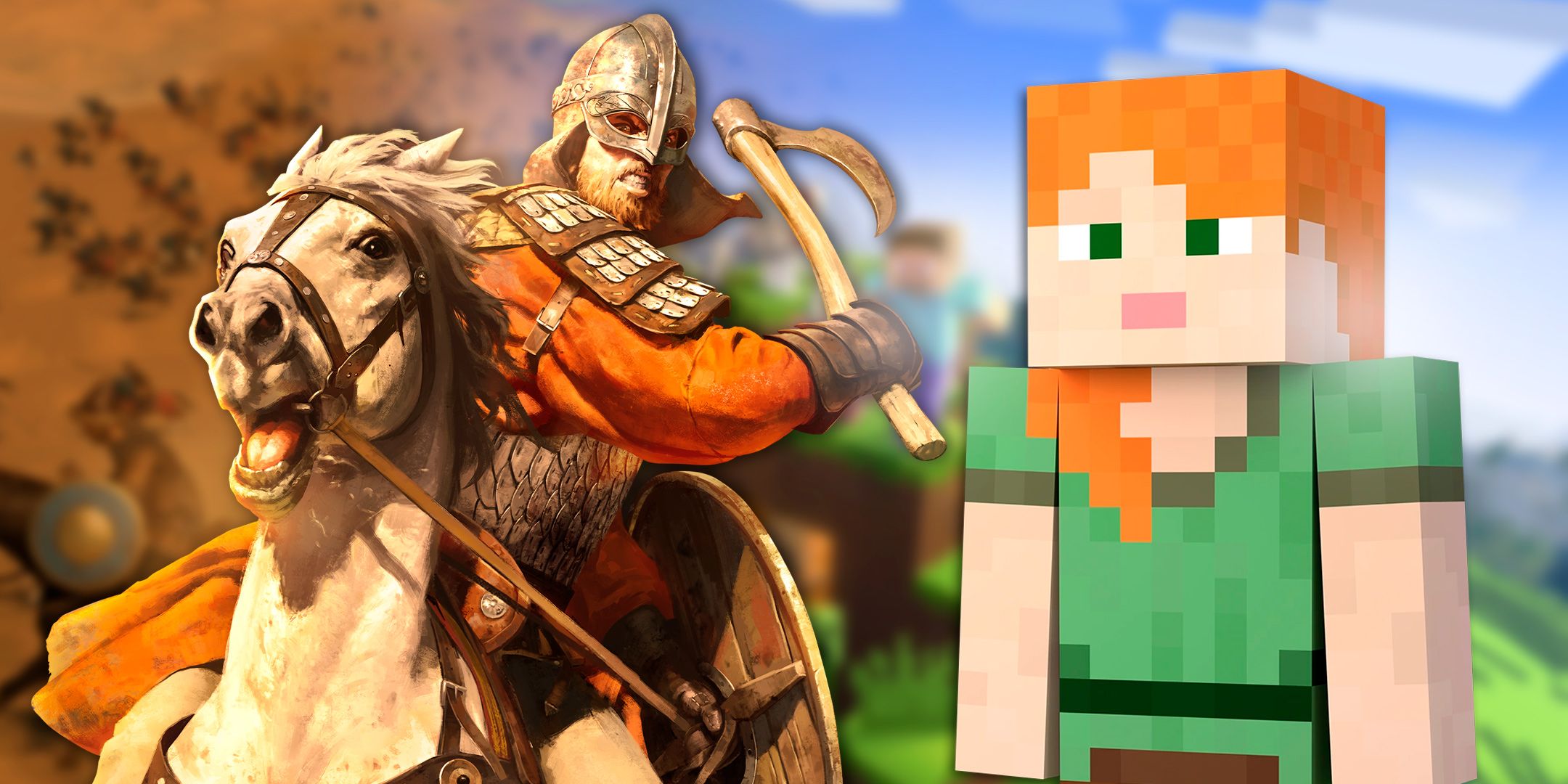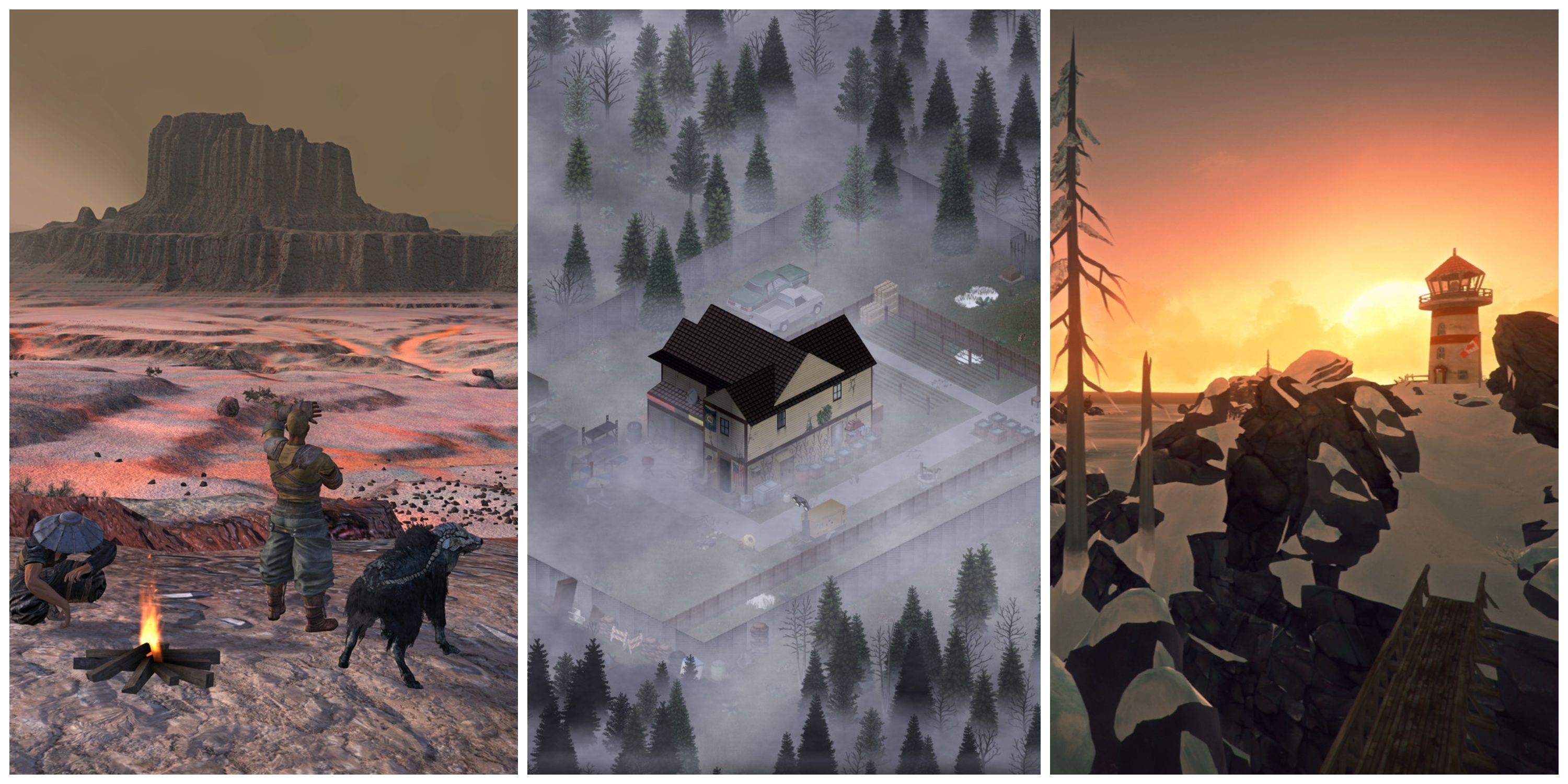
Here's the result of the game-sandbox-online model generated using Meshy.
Game Sandbox Online: Create & Play in 2026 | SEELE AI
Looking for the best game sandbox online experience? In 2026, creating and playing sandbox games has never been easier thanks to AI-powered platforms. Whether you're searching for a sandbox game maker, building with a sandbox builder, or exploring sand.box game online options, this comprehensive guide covers everything you need to know about online sandbox gaming.
What is a Game Sandbox Online?
A game sandbox online is a browser-based or cloud-powered gaming environment that provides players with creative freedom to build, experiment, and interact with virtual worlds without traditional game constraints. Unlike linear games with fixed objectives, sandbox games online offer:
- Open-ended gameplay - Players define their own goals and adventures
- Creative building tools - Construct structures, landscapes, and game mechanics
- Physics simulation - Realistic interactions between objects and environments
- Multiplayer capabilities - Collaborate or compete with other players
- No downloads required - Play directly in your web browser
The term "sandbox" comes from a child's sandbox where imagination drives play—there are no rules, only possibilities.
Why Game Sandbox Online Platforms Are Exploding in 2026
The online sandbox game market has grown exponentially, with over 15 million monthly active creators worldwide. Here's why:
Market Growth Data (2023-2026):
| Metric | 2023 | 2026 | Growth |
|---|---|---|---|
| Active Sandbox Players | 45M | 127M | +182% |
| Games Created Monthly | 120K | 580K | +383% |
| Average Creation Time | 40+ hours | 3-5 minutes* | -99% |
| No-Code Creators | 23% | 71% | +209% |
*With AI-assisted platforms like SEELE
Key Drivers: 1. AI-powered game creation - Reduce development time from weeks to minutes 2. Browser technology advances - WebGL and WebGPU enable console-quality graphics 3. No-code movement - Anyone can create games without programming skills 4. Remote collaboration - Teams build games together from anywhere 5. Monetization opportunities - Creators earn from their sandbox creations
Best Sandbox Game Online Platforms in 2026
1. SEELE AI - AI-Powered Sandbox Game Maker

SEELE leads the AI-assisted sandbox game maker category with its multimodal game generation platform.
Key Features: - Text-to-Game Generation - Describe your sandbox world in natural language - Dual Engine Support - Export to Unity or deploy as Three.js web games - Complete Sandbox Tools: - Physics simulation (rigid body, soft body, fluid dynamics) - Terrain generation and world building - Real-time multiplayer support - 3D model generation from text/images - Advanced lighting and particle systems
Sandbox Builder Capabilities: - Generate playable sandbox prototypes in 3-5 minutes - AI-assisted physics setup and collision detection - Procedural world generation - Built-in asset library with 5M+ animations - One-click web deployment
Best For: Creators who want professional-quality sandbox games without coding
Pricing: Free tier available, Pro plans from $19/month
Platform: Web-based, Unity export
2. Rosebud AI - Vibe Coding Sandbox
Rosebud AI offers a "vibe coding" approach to sandbox game creation with AI assistance.
Key Features: - AI-powered code generation for sandbox mechanics - Physics-based sandbox templates (gravity fields, teleporters, bouncing objects) - Browser-based creation and play - Community sharing and remixing
Sandbox Game Maker Strengths: - Quick iteration with AI prompts - No installation required - Active creator community - Example projects for learning
Limitations: - Web-only deployment (no Unity export) - Limited 2D support compared to 3D - Basic audio generation capabilities
Best For: Beginners learning sandbox game development
Pricing: Free with premium features
Platform: Web-based only
3. Roblox Studio - Established Sandbox Builder
Roblox Studio remains a popular sandbox builder platform with a massive player base.
Key Features: - Extensive asset marketplace - Large player community (70M+ daily users) - Built-in monetization - Lua scripting for advanced mechanics
Sandbox Building Tools: - Terrain editor for landscapes - Physics engine with constraints - Animation editor - Multiplayer networking built-in
Limitations: - Steeper learning curve (requires Lua programming) - Stylized graphics only (no photorealistic rendering) - Platform lock-in (games only work within Roblox) - No AI-assisted creation
Best For: Developers targeting the Roblox ecosystem
Pricing: Free with revenue share on monetization
Platform: Desktop client + web
4. Sandbox Game Maker Comparison Table
| Feature | SEELE AI | Rosebud AI | Roblox Studio |
|---|---|---|---|
| AI-Assisted Creation | ✅ Full AI workflow | ✅ Vibe coding | ❌ Manual coding |
| Creation Time | 3-5 minutes | 10-30 minutes | 40+ hours |
| Coding Required | ❌ No | ⚠️ Optional | ✅ Yes (Lua) |
| 2D Support | ✅ Full support | ⚠️ Limited | ⚠️ Limited |
| 3D Support | ✅ Advanced (PBR) | ✅ Yes | ✅ Yes |
| Unity Export | ✅ Yes | ❌ No | ❌ No |
| Web Deployment | ✅ Instant | ✅ Instant | ❌ Roblox only |
| Physics Engine | Advanced (rigid, soft, fluid) | Basic (rigid body) | Moderate |
| Audio Generation | AI music + SFX | Basic | Manual import |
| Multiplayer | ✅ Built-in | ⚠️ Limited | ✅ Extensive |
| Monetization | Creator revenue share | No | Revenue share |
| Learning Curve | Very Easy | Easy | Moderate-Hard |
Verdict: For fastest sandbox game creation with professional results , SEELE AI leads with its AI-powered workflow. For community and existing ecosystem , Roblox Studio remains strong. For learning and experimentation , Rosebud AI offers approachable entry.
How to Create Your Own Sandbox Game Online with AI
Step 1: Choose Your Sandbox Game Style
Decide what type of sandbox experience you want to create:
Physics Sandbox: - Focus on object interactions and physics simulation - Examples: Destructible environments, gravity manipulation, chain reactions - Best for: Experimental gameplay and emergent mechanics
Building Sandbox: - Emphasis on construction and world creation - Examples: Block-based building, terrain sculpting, city builders - Best for: Creative expression and collaborative projects
Adventure Sandbox: - Combines exploration with open-ended objectives - Examples: Survival worlds, treasure hunting, narrative emergence - Best for: Storytelling and player-driven narratives
Social Sandbox: - Player interaction and community focus - Examples: Hangout spaces, roleplay environments, virtual worlds - Best for: Multiplayer experiences and social gaming
Step 2: Set Up Your Sandbox Environment (SEELE AI Method)
With SEELE's AI-powered approach, creating a sandbox environment takes minutes:
AI Prompt Examples:
"Create a physics sandbox with destructible buildings,
gravity manipulation zones, and explosive barrels"
"Build a creative sandbox world with terrain sculpting tools,
water physics, and day/night cycle"
"Generate an adventure sandbox with procedural cave systems,
collectible resources, and crafting mechanics"
What SEELE AI Automatically Handles: - ✅ Physics engine setup (collision detection, rigid bodies, constraints) - ✅ Rendering pipeline (lighting, shadows, post-processing) - ✅ Input handling (mouse, keyboard, touch, gamepad) - ✅ Camera controls (orbit, first-person, third-person) - ✅ UI systems (inventory, menus, HUD) - ✅ Audio integration (background music, sound effects)
Time Saved: From 40+ hours of manual coding to 3-5 minutes of AI-assisted generation.
Step 3: Add Sandbox Game Mechanics
Essential mechanics for engaging sandbox games:
Core Mechanics:
- Object Creation and Manipulation
- Spawning objects dynamically
- Picking up and moving objects
-
Scaling, rotating, and modifying properties
-
Physics Interactions
- Gravity and weight simulation
- Collision responses
- Joint systems (hinges, springs, fixed)
-
Breakable connections
-
Terrain and Environment
- Destructible terrain
- Water and fluid simulation
- Weather effects
-
Vegetation and foliage
-
Player Tools
- Building tools (placement, deletion, editing)
- Selection and grouping
- Copy/paste functionality
- Undo/redo system
AI-Assisted Implementation (SEELE):
Instead of manually coding each system, describe your desired mechanics:
"Add a tool that lets players paint terrain with different
materials - grass, sand, rock, water"
"Create explosive objects that destroy nearby structures
and apply force to surrounding objects"
"Implement a weather system with rain that fills containers
and creates puddles on surfaces"
SEELE's AI generates the complete implementation with proper physics, rendering, and interaction handling.
Step 4: Design Your Sandbox World

World Design Elements:
Terrain Generation: - Procedural landscapes vs. hand-crafted design - Height maps and erosion simulation - Biomes and region variation - Resource distribution
Visual Style: - Realistic (PBR materials, photogrammetry) - Stylized (cartoon, low-poly, voxel) - Abstract (geometric, minimalist)
Atmosphere: - Lighting (time of day, dynamic shadows) - Weather systems - Particle effects (dust, fog, debris) - Audio ambience
SEELE's World Generation Capabilities: - Procedural terrain from text descriptions - AI-generated textures with seamless tiling - Automatic LOD for performance optimization - Skybox generation matching your theme
Example Prompts:
"Generate a desert sandbox world with rocky canyons,
sand dunes, and ancient ruins"
"Create a floating island sandbox with waterfalls flowing
into void, glowing crystals, and ethereal atmosphere"
Step 5: Implement Multiplayer (Optional)
Why Multiplayer Enhances Sandbox Games: - 300% increase in average playtime - Community-driven content creation - Collaborative building projects - Social engagement and retention
Multiplayer Features for Sandbox: - Real-time player synchronization - Shared world state - Chat and voice communication - Permissions and access control - Grief protection systems
SEELE's Multiplayer Approach: SEELE handles the complex networking infrastructure automatically, including: - Client-server architecture - State synchronization - Lag compensation - Authority and validation - Scalable backend
Time Saved: Multiplayer typically requires 100+ hours of development; SEELE reduces this to configuration.
Step 6: Test and Iterate
Testing Your Sandbox Game Online:
Performance Testing: - Target: 60 FPS minimum on medium-spec hardware - Monitor: Draw calls, polygon count, memory usage - Optimize: LOD systems, occlusion culling, texture compression
Gameplay Testing: - Are mechanics intuitive and discoverable? - Is there enough creative freedom? - Do physics feel responsive and realistic? - Are there emergent gameplay opportunities?
User Testing: - Onboarding clarity - Tool discoverability - Performance on various devices - Bug reporting and edge cases
SEELE's Built-in Analytics: - Real-time performance monitoring - User behavior tracking - Crash reporting and debugging - A/B testing capabilities
Step 7: Publish Your Sandbox Game
Deployment Options:
Web Deployment (Fastest): - Instant playability in browsers - No downloads required - Cross-platform compatibility - Easy sharing via URL
SEELE Web Deploy: One-click deployment with optimized WebGL builds and CDN distribution.
Unity Export (Most Flexible): - Target multiple platforms (PC, mobile, console) - Advanced optimization control - Integration with existing Unity assets - Offline gameplay support
SEELE Unity Export: Complete Unity project with organized hierarchy, commented scripts, and best practices.
Mobile Optimization: - Touch controls - Performance optimization for mobile GPUs - Reduced asset quality options - Gyroscope and accelerometer support
Essential Features for Every Sandbox Builder

1. Intuitive Building Tools
Core Requirements: - Quick access toolbar - Frequently used items at fingertips - Smart snapping - Align objects easily with grid and surface snapping - Selection modes - Single, box select, paint select - Transform gizmos - Visual manipulation of position, rotation, scale - Material editor - Change colors, textures, and properties
Advanced Tools: - Blueprint system for repeatable structures - Terrain sculpting brushes - Procedural generation modifiers - Scripting interface for power users
2. Physics Sandbox Capabilities
Realistic Physics Simulation:
| Physics Type | Use Case | Performance Impact |
|---|---|---|
| Rigid Body | Standard objects, structures | Low |
| Soft Body | Cloth, deformables, organic shapes | Medium |
| Fluid Dynamics | Water, lava, gas simulation | High |
| Destruction | Breakable objects, explosions | Medium |
| Ragdoll | Character physics, bodies | Low-Medium |
Performance Optimization: - Physics LOD (simplify distant objects) - Sleeping objects (pause inactive physics) - Spatial partitioning (only calculate nearby) - Fixed timestep updates
SEELE's physics engine automatically manages these optimizations based on target platform and performance budget.
3. Saving and Sharing Systems
Essential Save Features: - Auto-save - Never lose progress - Version history - Revert to earlier states - Cloud sync - Access from any device - Export options - Download as standalone files
Sharing Capabilities: - Public gallery for discoveries - Direct link sharing - Embed codes for websites - Remix and fork functionality - Creative Commons licensing options
4. Performance Optimization
Key Optimization Techniques:
Graphics Optimization: - Level of Detail (LOD) systems - Occlusion culling - Texture atlasing and compression - Shader complexity management - Post-processing budget
Physics Optimization: - Collision mesh simplification - Physics layers and masks - Sleeping threshold tuning - Continuous vs. discrete collision
Memory Management: - Asset streaming and pooling - Texture resolution scaling - Garbage collection tuning - Memory budget monitoring
SEELE's Auto-Optimization: Our AI analyzes your sandbox game and automatically applies appropriate optimizations for web, mobile, and desktop targets, maintaining 60 FPS target.
Advanced Sandbox Game Maker Techniques
Procedural Generation
Why Use Procedural Generation: - Infinite replayability - Reduced asset creation time - Dynamic content adaptation - Emergent complexity
Procedural Systems for Sandboxes:
Terrain Generation: - Perlin/Simplex noise for natural landscapes - Erosion simulation for realistic features - Biome blending and distribution - Cave and cavern systems
Object Placement: - Scatter systems for vegetation and props - Architectural layout generation - Resource node distribution - Point of interest placement
Example AI Prompts (SEELE):
"Generate procedural terrain using noise-based mountains,
valleys, and plains with automatic biome distribution"
"Create a procedural city generator with roads, buildings,
and parks following realistic urban planning rules"
Voxel-Based Sandbox Building
Voxel Sandbox Advantages: - Intuitive block-based building (Minecraft-style) - Easy destructible environments - Memory-efficient for large worlds - Natural for procedural generation
Implementation Approaches: - Chunk-based world management - Greedy meshing for performance - Marching cubes for smooth terrain - Voxel LOD systems
SEELE Voxel Support: Generate voxel-based sandbox games with AI-driven chunk generation, optimized rendering, and editing tools in minutes.
Environmental Interactivity
Creating Reactive Sandbox Worlds:
Fire Propagation System: - Spreads between flammable objects - Affected by wind and proximity - Damages and destroys objects - Produces smoke particles
Water Physics: - Flows downhill naturally - Fills containers and pools - Evaporation and condensation - Buoyancy for objects
Weather Effects: - Rain creates puddles and rivers - Wind affects physics and particles - Snow accumulation on surfaces - Lightning strikes and electricity
Plant Growth: - Time-based growth simulation - Requires water and sunlight - Spreads seeds naturally - Seasonal changes
These advanced systems that typically require weeks of programming can be implemented through AI-assisted generation in SEELE.
Common Mistakes in Sandbox Game Online Development
Mistake #1: Too Many Features, Too Little Depth
The Problem: Adding dozens of shallow features instead of polishing core mechanics.
Solution: - Focus on 3-5 core mechanics done exceptionally well - Add depth through interactions between systems - Test each feature thoroughly before adding more - Prioritize emergent gameplay over scripted content
Example: A gravity manipulation sandbox is more engaging than 20 mediocre tools.
Mistake #2: Ignoring Performance from Day One
The Problem: Building first, optimizing "later" (which never comes).
Solution: - Set performance budgets from start (60 FPS target) - Profile regularly during development - Use LOD and culling systems immediately - Test on low-end hardware frequently
SEELE Advantage: Performance optimization built into AI generation from the start.
Mistake #3: Poor Onboarding and Tutorials
The Problem: Assuming players will figure out complex tools themselves.
Solution: - Interactive tutorials that teach by doing - Progressive complexity (start simple, add advanced features gradually) - Clear visual feedback for all actions - Helpful tooltips and contextual hints
Statistics: Games with good tutorials retain 3x more players after first session.
Mistake #4: Neglecting Mobile and Web Optimization
The Problem: Designing for powerful desktop PCs only.
Solution: - Design for web performance first (easier to scale up than down) - Touch-friendly UI with adequate button sizes - Simplified graphics options for mobile - Responsive layouts for different screen sizes
Mobile Usage Data: 65% of sandbox game players access via mobile/tablet at least occasionally.
Mistake #5: No Clear Creative Goals or Inspiration
The Problem: Empty sandbox with no direction or inspiration prompts.
Solution: - Include challenge modes or objectives (optional) - Showcase community creations for inspiration - Provide template starting points - Add achievement system for creative milestones
Example: "Build a working vehicle" or "Create a chain reaction with 10+ objects" gives players creative direction.
Sandbox Game Online: Frequently Asked Questions
Can I make money from sandbox games online?
Yes, multiple monetization strategies exist:
- Creator revenue share (SEELE, Roblox): Earn percentage of player spending
- Premium features : Sell advanced tools, assets, or cosmetics
- Advertising : Display ads in free versions
- Commissioned creations : Build custom sandboxes for clients
- Educational licensing : Sell to schools and training programs
Earnings Potential: - Amateur creators: $0-500/month - Established creators: $500-5K/month - Top tier creators: $5K-50K+/month
Do I need to know how to code to create a sandbox game maker?
No, not in 2026. AI-powered platforms like SEELE enable complete game creation through natural language:
Traditional Approach (Requires Coding): - Learn C#/JavaScript/Lua - Understand physics engines - Master 3D math and graphics - Debug complex systems - Time: 6-12 months learning + weeks per game
AI-Assisted Approach (No Coding): - Describe what you want in natural language - AI generates complete implementations - Visual tools for customization - Iteration through conversation - Time: Minutes to create, hours to refine
However, coding knowledge helps for advanced customization and understanding system limitations.
What makes a sandbox game online successful?
Key Success Factors:
1. Creative Freedom (Most Important) - Tools that don't limit imagination - Open-ended possibilities - Emergent gameplay opportunities
2. Intuitive Tools - Easy to learn, hard to master - Immediate visual feedback - Forgiving undo/redo systems
3. Performance - Smooth 60 FPS experience - Quick loading times - Responsive controls
4. Community - Sharing and discovery features - Collaborative building - Inspiration from others' creations
5. Progression - Unlockable advanced features - Achievement systems - Skill mastery satisfaction
Data: Successful sandbox games average 3.5 hours per session (vs. 45 minutes for linear games).
How long does it take to build a sandbox game online?
Traditional Development (Manual Coding): - Simple sandbox : 40-80 hours - Moderate complexity : 200-500 hours - Advanced features : 1,000+ hours
AI-Assisted Development (SEELE Platform): - Basic sandbox prototype : 3-5 minutes - Feature-complete sandbox : 1-3 hours - Polished, production-ready : 5-15 hours
Time Breakdown (AI-Assisted): - Initial generation: 3-5 minutes - Customization and refinement: 1-2 hours - Testing and iteration: 2-5 hours - Polish and optimization: 2-8 hours
Total time savings: 95-99% compared to traditional development.
Can sandbox games online work on mobile devices?
Yes, but with considerations:
Performance Challenges: - Mobile GPUs are 5-10x less powerful than desktop - Limited memory (2-6GB typical) - Battery and thermal constraints - Smaller screens require UI adaptation
Optimization Strategies: - Reduced draw distance and LOD - Simplified physics calculations - Texture resolution scaling - Touch-optimized controls
SEELE Mobile Optimization: Our AI automatically generates mobile-optimized builds with appropriate performance budgets and touch controls.
Best Practices: - Target 30 FPS on mobile (vs. 60 FPS desktop) - Use larger, touch-friendly buttons (min 44px) - Simplify particle effects - Implement quality settings toggle
What's the difference between sandbox game maker and game engine?
Game Engine (Unity, Unreal): - General-purpose development platform - Requires programming knowledge - Maximum flexibility and control - Steep learning curve - Time to first playable : Weeks to months
Sandbox Game Maker (SEELE, Rosebud): - Specialized for sandbox game creation - No coding required (AI-assisted) - Optimized for specific use case - Easy to learn and use - Time to first playable : Minutes
Hybrid Approach (SEELE): SEELE offers the best of both worlds—easy AI-assisted creation with Unity export for advanced developers who want engine-level control.
When to use each: - Use game engine if: Building non-sandbox games, need maximum control, have technical expertise - Use sandbox maker if: Focusing on sandbox games, want fast results, prefer visual/AI-assisted tools
The Future of Sandbox Games Online in 2026 and Beyond
AI-Powered Creation Revolution
Current State (2026): - AI generates complete sandbox games from descriptions - Natural language interfaces replace coding - Real-time iteration and refinement - Automatic optimization for target platforms
Near Future (2027-2028): - AI NPCs in sandboxes with memory and personality - Voice-driven building - create by speaking - AI playtesting that identifies issues before human testing - Procedural content that adapts to player style
Metaverse and Persistent Worlds
Emerging Trends: - Interconnected sandboxes - Travel between creator worlds - Persistent economies - Real value exchange and NFT integration - Cross-platform identity - Single avatar across sandbox games - Live events and concerts in user-created spaces
Technical Enablers: - WebGPU for console-quality browser graphics - 5G and edge computing for low-latency multiplayer - Blockchain for decentralized ownership - Cloud streaming for high-end graphics on any device
Educational and Professional Applications
Sandbox Games Beyond Entertainment:
Education: - Physics education through interactive simulation - Historical reconstruction and exploration - Creative writing in 3D environments - STEM learning through game creation
Professional Training: - Safety scenario simulation - Equipment operation practice - Emergency response training - Architecture and design prototyping
Market Size: Educational gaming market projected at $29.7B by 2026, with sandbox games capturing 18% share.
Community-Driven Development
The Future is Collaborative: - Modular asset libraries - Share and remix components - Collaborative editing - Build sandboxes together in real-time - AI-assisted moderation - Safe, inclusive creative communities - Creator marketplaces - Sell sandbox templates and assets
SEELE's Vision: Empowering 100 million creators to build sandbox games by 2028 through AI-assisted tools and community collaboration.
Start Creating Your Sandbox Game Online Today
The barrier to creating sandbox games has never been lower. In 2026, anyone with imagination can build engaging, physics-driven sandbox experiences—no coding required.
Quick Start Guide:
For Complete Beginners: 1. Start with SEELE AI free tier 2. Use AI prompts to generate a simple physics sandbox 3. Experiment with adding objects and mechanics 4. Share with friends for feedback 5. Iterate and refine based on playtesting
For Intermediate Creators: 1. Choose between SEELE (AI + Unity export) or Rosebud (web-focused) 2. Design your sandbox concept (physics, building, adventure, social) 3. Generate core mechanics with AI assistance 4. Add custom assets and visual polish 5. Implement multiplayer for social engagement 6. Deploy to web or export to Unity
For Advanced Developers: 1. Use SEELE for rapid prototyping 2. Export to Unity for engine-level customization 3. Implement advanced systems (procedural generation, AI NPCs) 4. Optimize for multiple platforms 5. Launch with monetization strategy
Resources for Learning:
Official Documentation: - SEELE AI Documentation: seele.ai/docs - Unity Manual: docs.unity3d.com - Three.js Fundamentals: threejs.org/manual
Community and Support: - SEELE Discord: Active community of sandbox creators - YouTube Tutorials: "Sandbox Game Online" and "SEELE AI Tutorials" - Reddit: r/gamedev, r/sandboxgames, r/aigamedev
Inspiration: - Explore SEELE gallery for community creations - Study successful sandbox games (Minecraft, Garry's Mod, Roblox) - Participate in game jams focused on sandbox mechanics
Conclusion: The Sandbox Game Online Renaissance
2026 marks a turning point in sandbox game creation. What once required extensive programming knowledge and months of development can now be achieved in minutes through AI-powered platforms like SEELE.
Key Takeaways:
✅ Game sandbox online platforms enable browser-based creative freedom without downloads
✅ AI-assisted sandbox game makers reduce creation time by 95-99% compared to traditional coding
✅ SEELE AI leads the market with text-to-game generation, Unity export, and comprehensive physics simulation
✅ No coding required - Natural language interfaces democratize game development
✅ Multiplayer and monetization built into modern platforms enable creator economies
✅ The future is bright - AI, metaverse integration, and educational applications expanding rapidly
Whether you're building your first physics sandbox, creating a collaborative building game, or developing a complex adventure sandbox, the tools have never been more accessible or powerful.
Ready to create your own game sandbox online? Start with SEELE AI's free tier and bring your sandbox vision to life in minutes, not months.
Article by qingmaomaomao | SEELE AI Platform | Updated January 2026
Further Reading: - How to Create a 3D Game Online with AI - Best AI Game Makers in 2026 - Multiplayer Game Development Guide - Physics Simulation in Web Games