Baseline production and environmental state
Begin with one production chain and one damaged landscape indicator. Record the chain’s inputs, outputs, power, transport load, and waste before adding a campaign goal. A baseline makes it possible to distinguish a restoration effect from a throughput change caused by another factory upgrade.
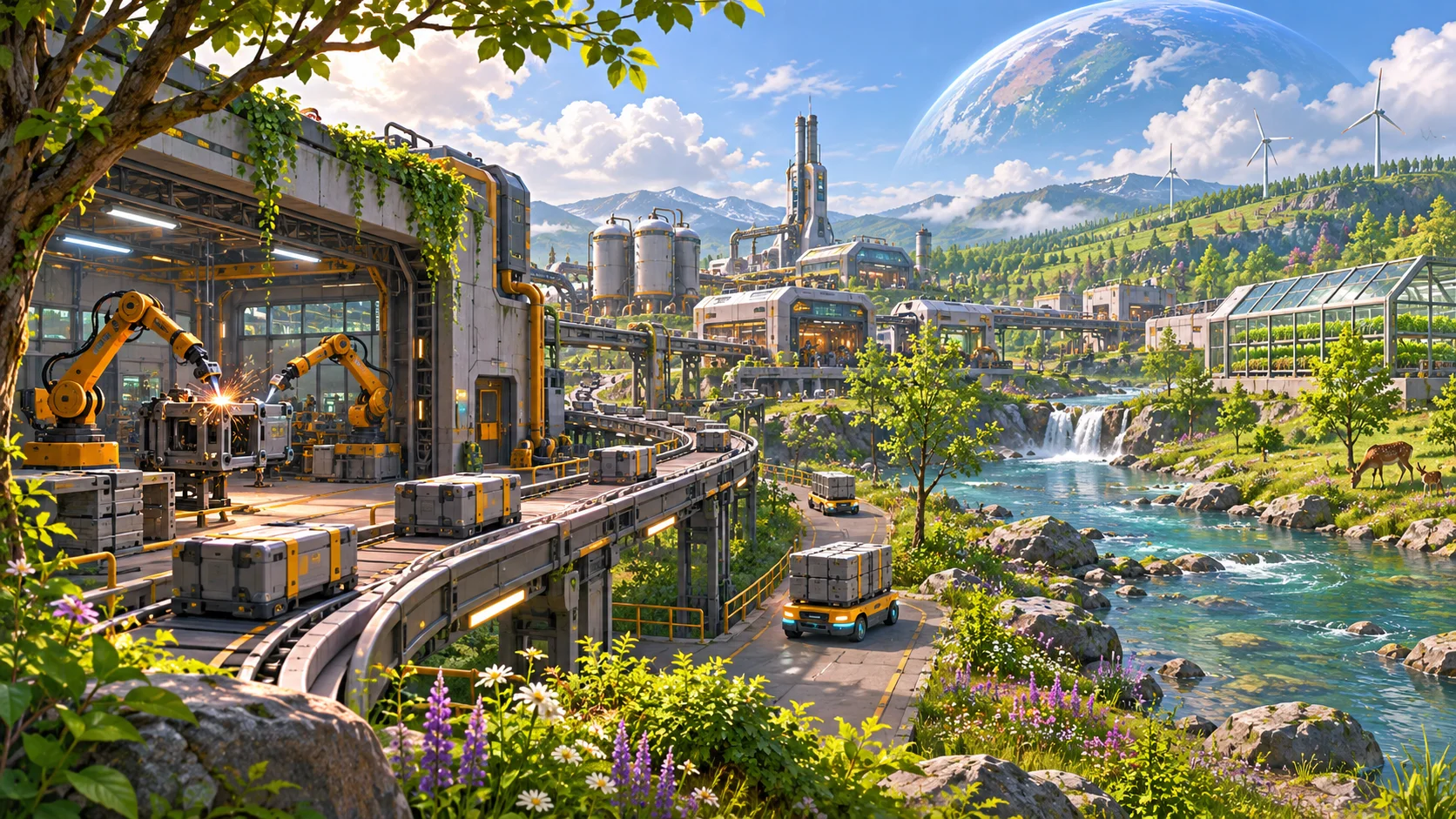
Choose a few environmental measures players can understand in the world: water clarity, soil quality, vegetation cover, or air quality. Give each a clear starting state and a visible threshold. Avoid a vague “planet health” score that changes without showing which actions caused it.
The official JUNKPUNK listing combines factory management and base building with restoring a damaged planet and encouraging plant life. That is genre context only; the staged campaign loop here is original. Keep the first prototype small: one region, one chain, one measurable recovery target. official source.
Stage recovery objectives
Arrange objectives from local cleanup to broader ecosystem recovery. A first milestone might filter runoff; a later one could supply treated water to a planting zone. Each stage should reveal a new option or region, so progress is more than a counter moving toward completion.
Show the required materials, energy, and transport capacity before activation. Explain whether a recovery machine competes with production for power or consumes a byproduct that would otherwise be discarded. These links turn restoration into an industrial planning decision the player can inspect.
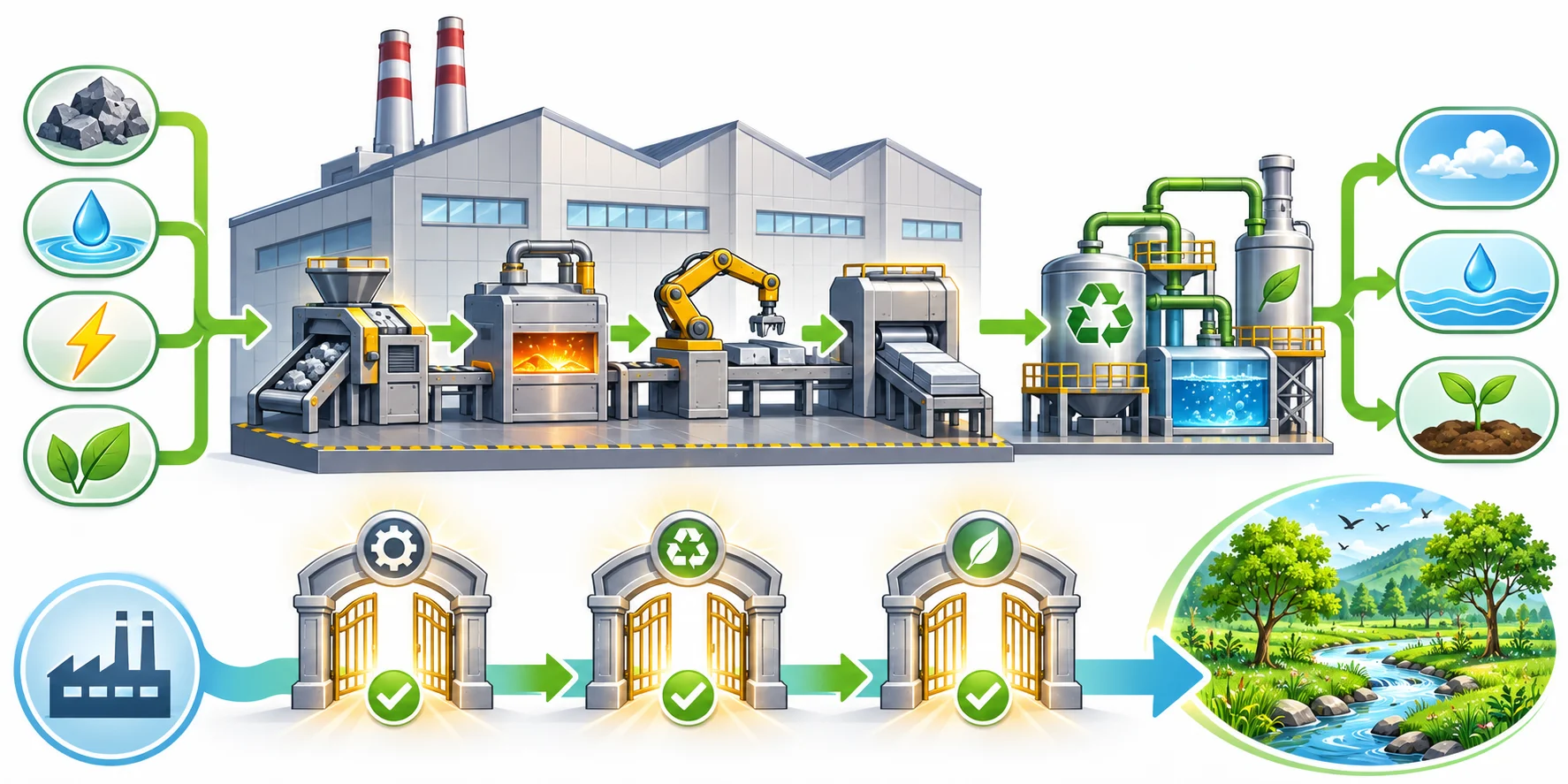
Use objective cards or an in-world terminal to display the current measure, target, contributing facilities, and estimated time at current throughput. If the estimate depends on uninterrupted supply, say so. Let players trace a stalled objective back to its specific input or route.
Connect objectives to factory tradeoffs
Tie every restoration step to a meaningful production choice. Reusing waste may reduce fresh-material demand but require sorting capacity. Moving water may help a new district while adding pumps and power draw. Give players at least two viable ways to meet a target where the campaign supports it.
Protect the readability of the factory. Separate environmental output from ordinary products in storage and logistics views, and show where a diverted resource goes. If a player reroutes a belt or disables a plant, update the restoration estimate promptly instead of hiding the consequence behind a delayed score.
Keep setbacks reversible. A shortage can pause an objective or slow recovery, but avoid erasing earlier milestones without a clear reason. A recovery buffer, alternate recipe, or temporary import can help players repair a plan while preserving the value of their previous work.
Test campaign throughput and recovery
Run the same objective sequence with different factory layouts and throughput strategies. Track production rate, energy use, waste, recovery time, and the number of interventions needed to keep the target supplied. Ask players to predict which chain is limiting recovery before revealing the bottleneck.
Test empty inputs, congested belts, full buffers, disabled facilities, and competing power demand. The interface should identify whether the problem is production, transport, storage, or recovery capacity. Include a quick way to find the responsible facility from the objective view.
Accept the campaign loop when players can explain how production choices affect the landscape, recover from a stall, and see a consequence at each milestone. For related production discovery ideas, see the city-building progression guide. AI can help brainstorm objective variants; simulation balance and environmental feedback still need implementation playtests.

FAQ
How do you build environmental recovery objectives into a factory campaign?
Start with one production chain and one visible environmental measure. Define a baseline, target, required inputs, and milestone reward. Connect recovery equipment to a real factory tradeoff, then test whether players can trace progress or a stall to the responsible chain and choose a useful correction.
What should a factory restoration objective measure?
Use a small set of visible indicators such as water clarity, soil quality, vegetation cover, or air quality. Show each indicator’s current state and target in the world or objective view, and explain which facilities contribute to it so progress remains legible.
How can production chains support environmental recovery?
A chain can supply materials or power to restoration equipment, reuse a byproduct, or divert treated resources into a damaged area. Make the cost and destination visible so players understand how the recovery plan affects ordinary throughput and where an input shortage begins.
What should you test in a factory restoration campaign?
Compare different layouts and throughput plans. Track energy, waste, recovery time, and interventions, then test shortages, congestion, full storage, and disabled machines. Players should be able to identify the limiting step, explain its effect on recovery, and restore progress. This makes the cause of change easier to understand and gives players a clear next step.