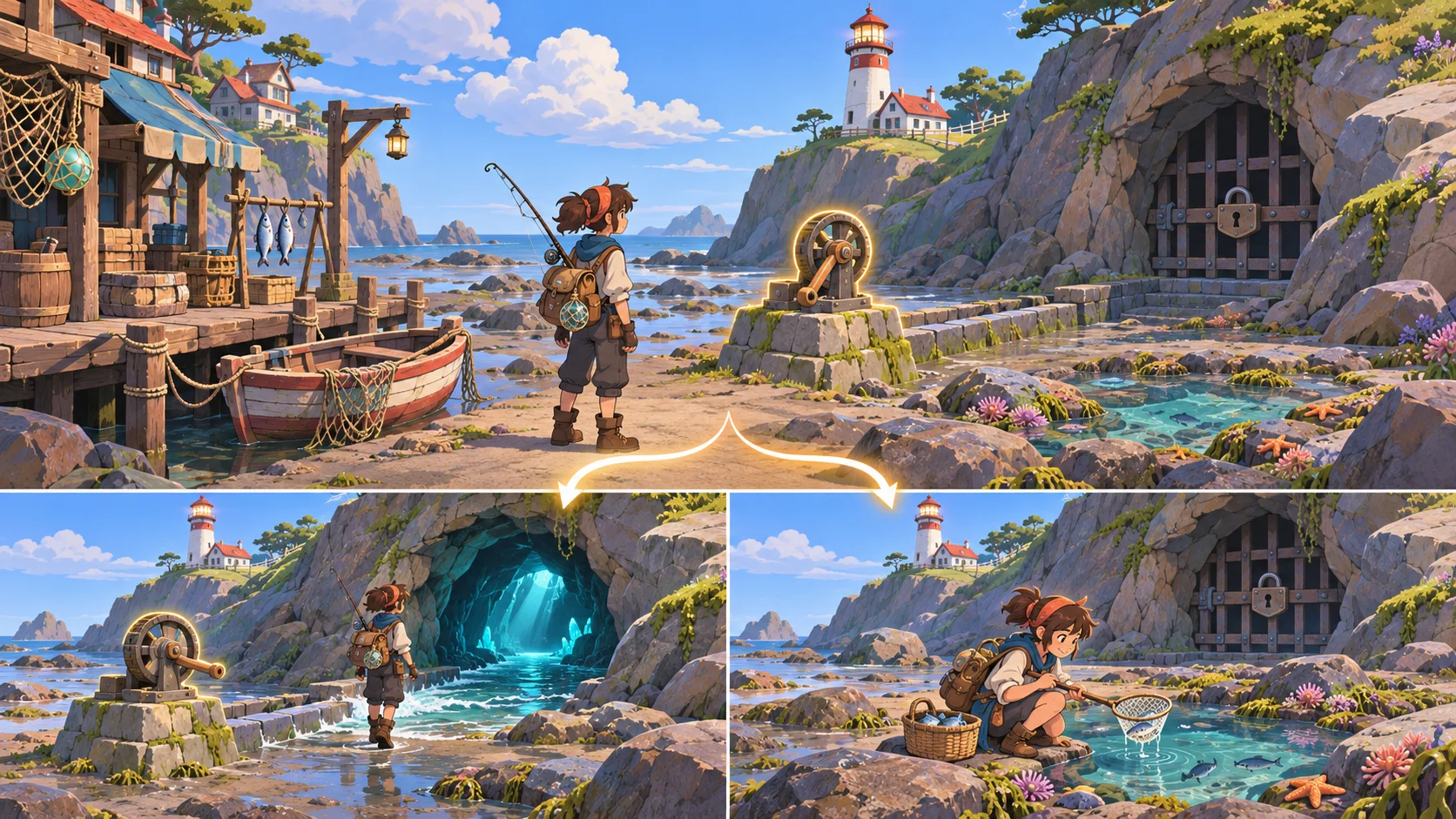
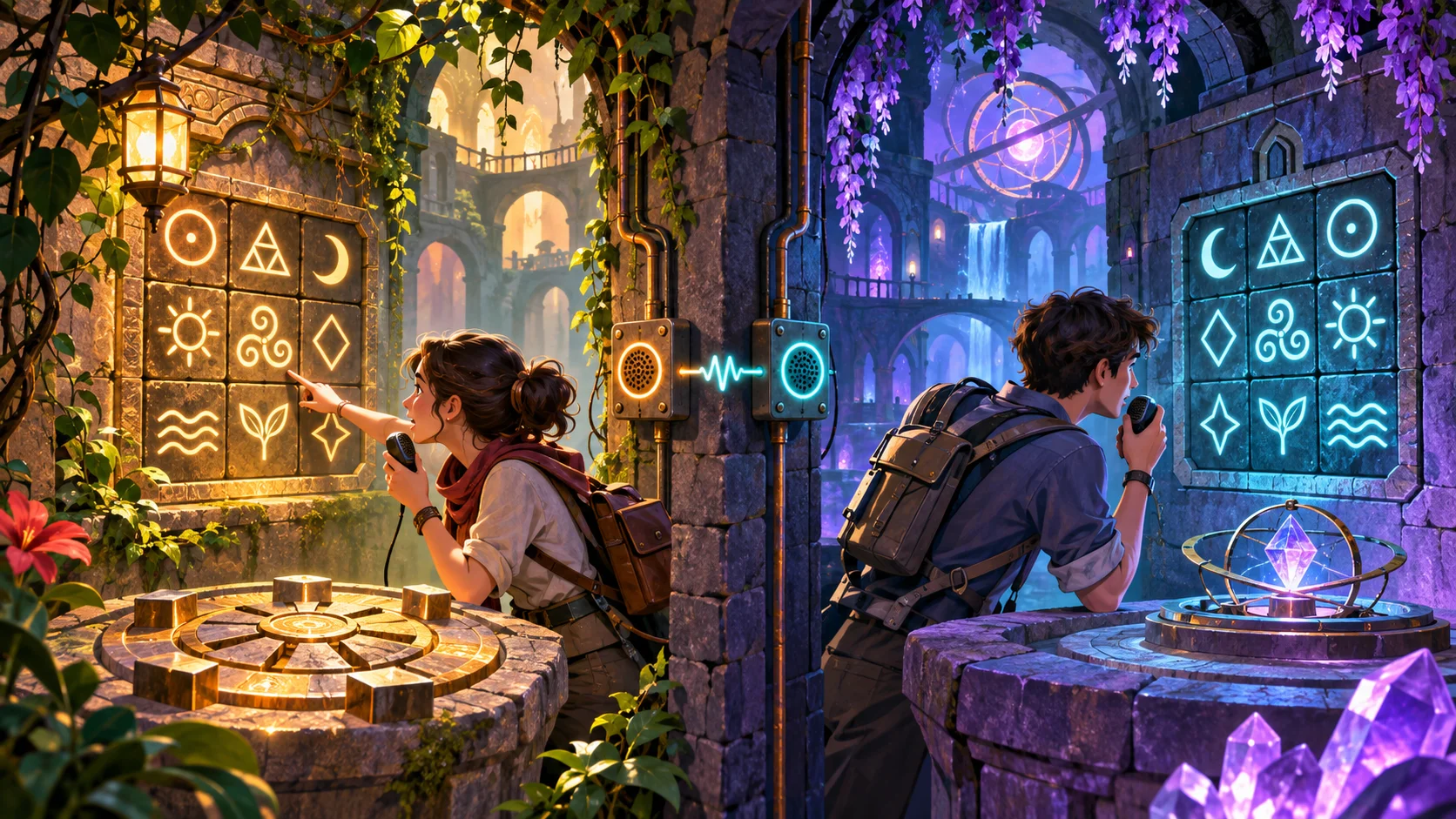
Add a hint system that responds to player progress to your point-and-click adventure with AI. Make state changes visible, preserve recovery, and test a repeatable scenario. Start with a state table for one puzzle before applying the system across the whole adventure.
Track puzzle states and evidence
Represent progress with a small set of observable states: which locations were visited, which objects inspected, which evidence collected, and which hypotheses tested. Do not infer that a player is stuck from elapsed time alone; they may be exploring. Combine several signals, such as revisiting the same room and repeating an action without changing state, before offering a hint.
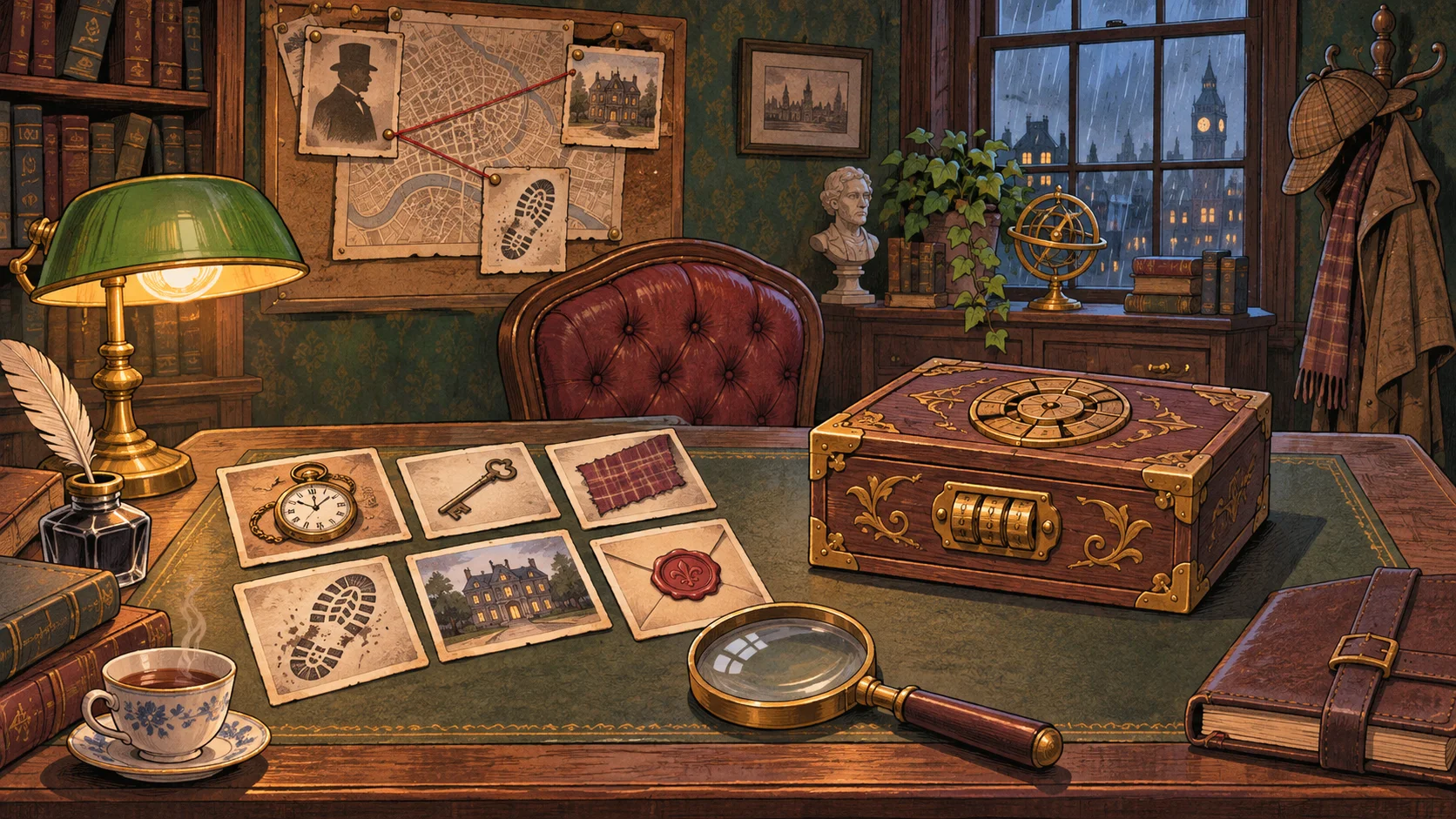
The official The Case of the Golden Idol listing from Color Gray Games describes a point-and-click detective game centered on investigating clues and forming theories. It supports the investigation context only; adaptive hints here are original. Store puzzle state in a way the hint system can query without changing the puzzle solution itself.
Reveal hints in gradual steps
For each puzzle, prepare a hint ladder: first point to a relevant area, then name the kind of relationship to inspect, and finally state the next action. Unlock the next step only when the player asks again or shows continued difficulty. Keep the ladder attached to puzzle state so a hint remains accurate after the player discovers new evidence.
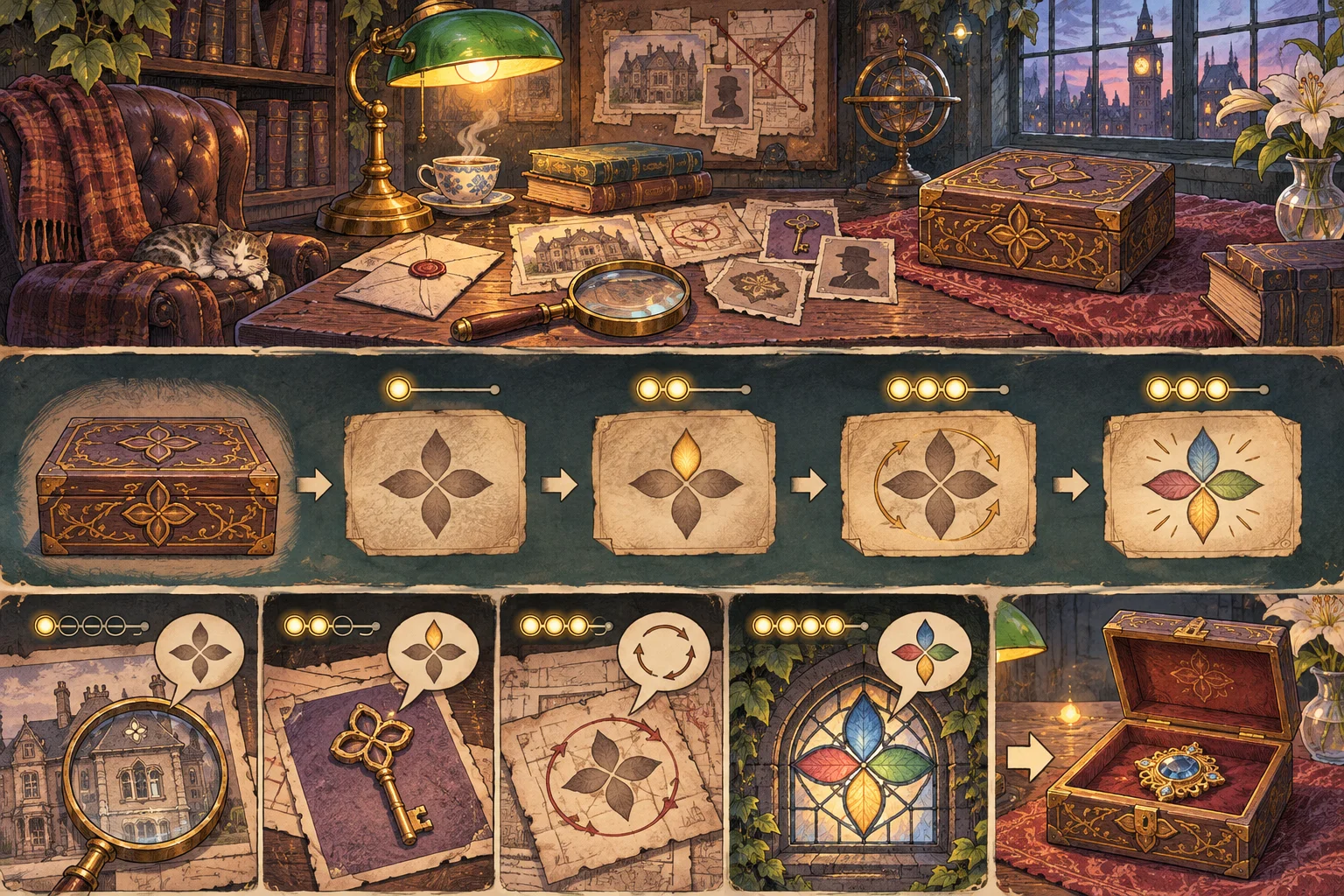
Use the player’s progress to choose the next useful hint. If a key object has not been examined, direct attention to its location; if the player has the evidence but has not linked two facts, suggest the relationship to compare. Avoid repeating a generic hint that ignores what the player already knows.
Respect player agency and pacing
Let players choose when to request a hint and whether to reveal another step. Make help easy to find but visually quiet, so it does not interrupt observation. A hint can explain what evidence matters without giving away a conclusion, and the player should be able to close it and continue investigating at their own pace.
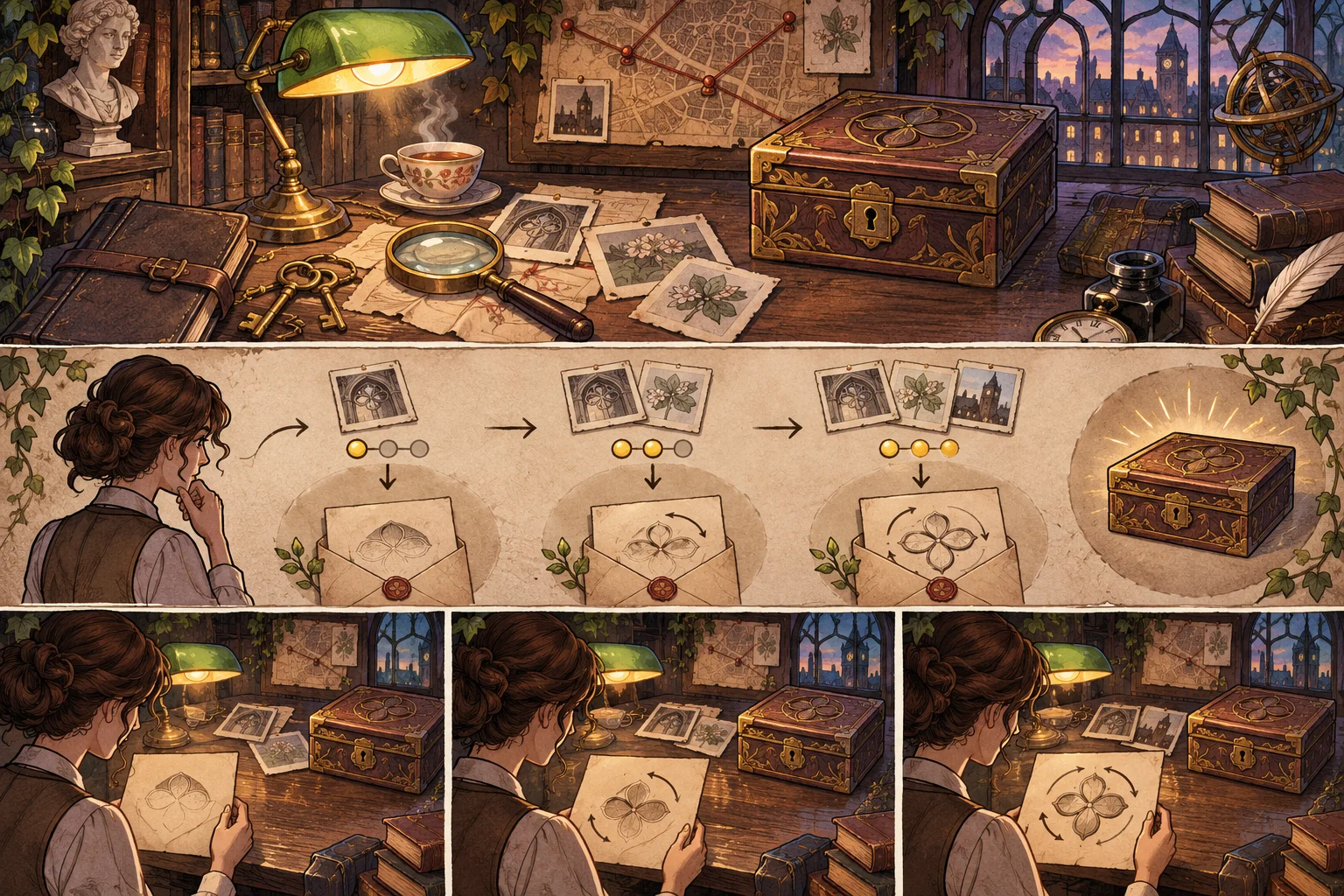
Keep hints consistent with the world and avoid presenting a false lead as if it were a fact. If multiple theories remain possible, phrase the hint as a question about evidence rather than a verdict. Track whether players use the hint and then make progress, but do not treat hint use as failure; the goal is to help them understand the puzzle.
Test hint timing and usefulness
Test the system with players who solve quickly, players who explore slowly, and players who repeat an unproductive action. Record when the first hint appears, which step they choose, whether it changes their next action, and whether it reveals too much. Include a player who asks for help immediately to ensure the hint ladder remains optional and useful.
For more puzzle-specific approaches, see a guide to original puzzle rules with multiple valid solutions and a guide to environmental puzzle rules. Pass when each hint reflects the player’s current state and helps them make a meaningful next move.
FAQ
How should a progress-aware hint system work?
Track puzzle states such as visited locations, inspected objects, collected evidence, and tested actions. Use more than elapsed time to infer that a player may be stuck. Offer a gradual hint ladder that starts with a location, then a useful relationship, and finally a next action, while letting the player choose when to reveal help.
How can hints respond to player progress?
Select hints from the state the player has reached. If an object has not been inspected, point to it; if the player has the evidence but has not connected two facts, suggest what relationship to compare. Avoid repeating generic text that ignores discoveries already made, and make sure each hint remains accurate after new evidence appears.
How do you keep hints from giving away the solution?
Reveal help in steps and begin with attention or evidence, not the conclusion. Ask a question that points to a relevant relationship before stating a specific action. Let players request another step, close the hint, or continue exploring. Test that each level helps without removing the reasoning the puzzle is meant to support.
What should you test in an adventure hint system?
Test fast solvers, slow explorers, players who repeat an unproductive action, and players who request help immediately. Record when a hint appears, which step they reveal, whether it changes their next action, and whether it gives away too much. Treat hint use as useful feedback rather than a failure state.