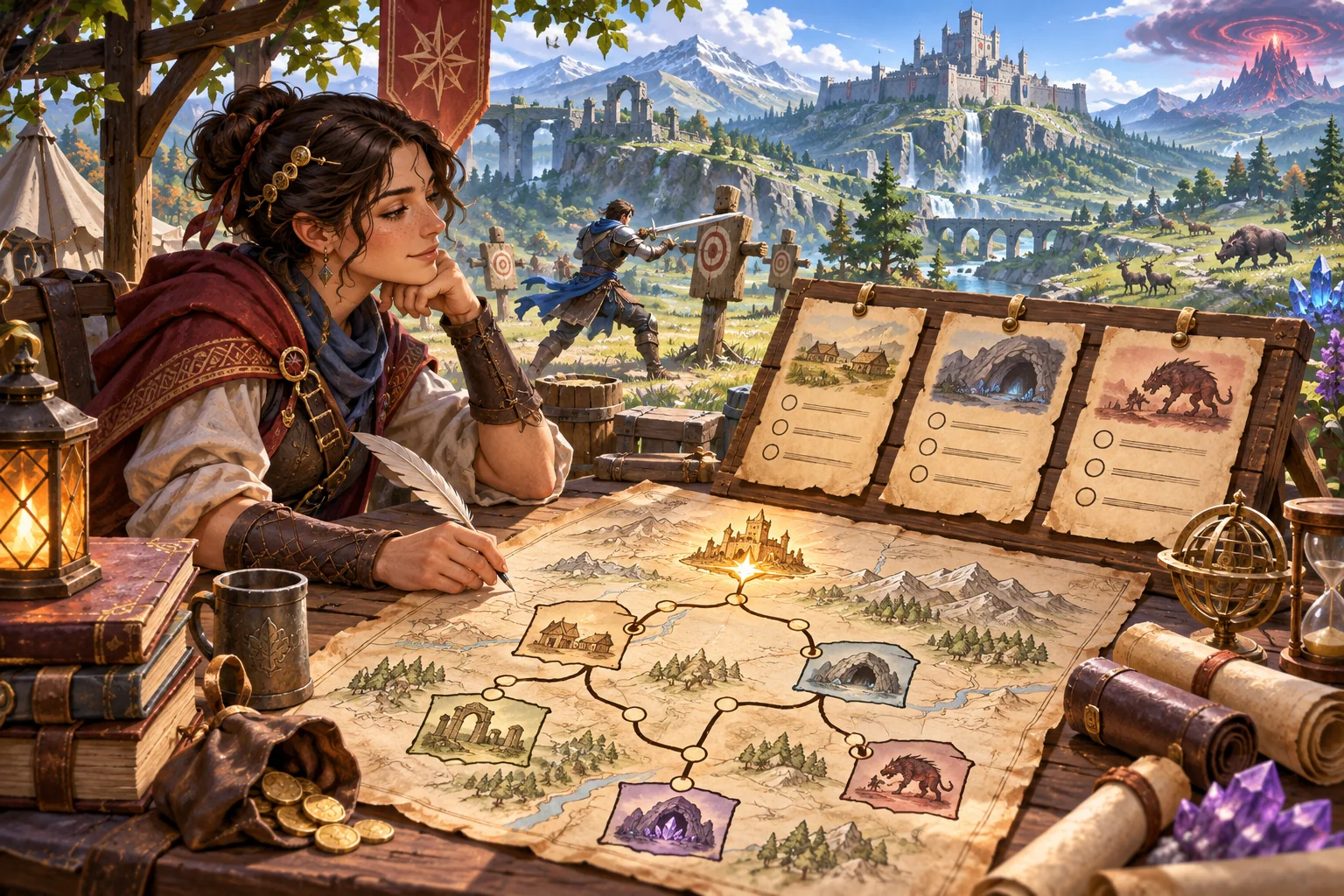
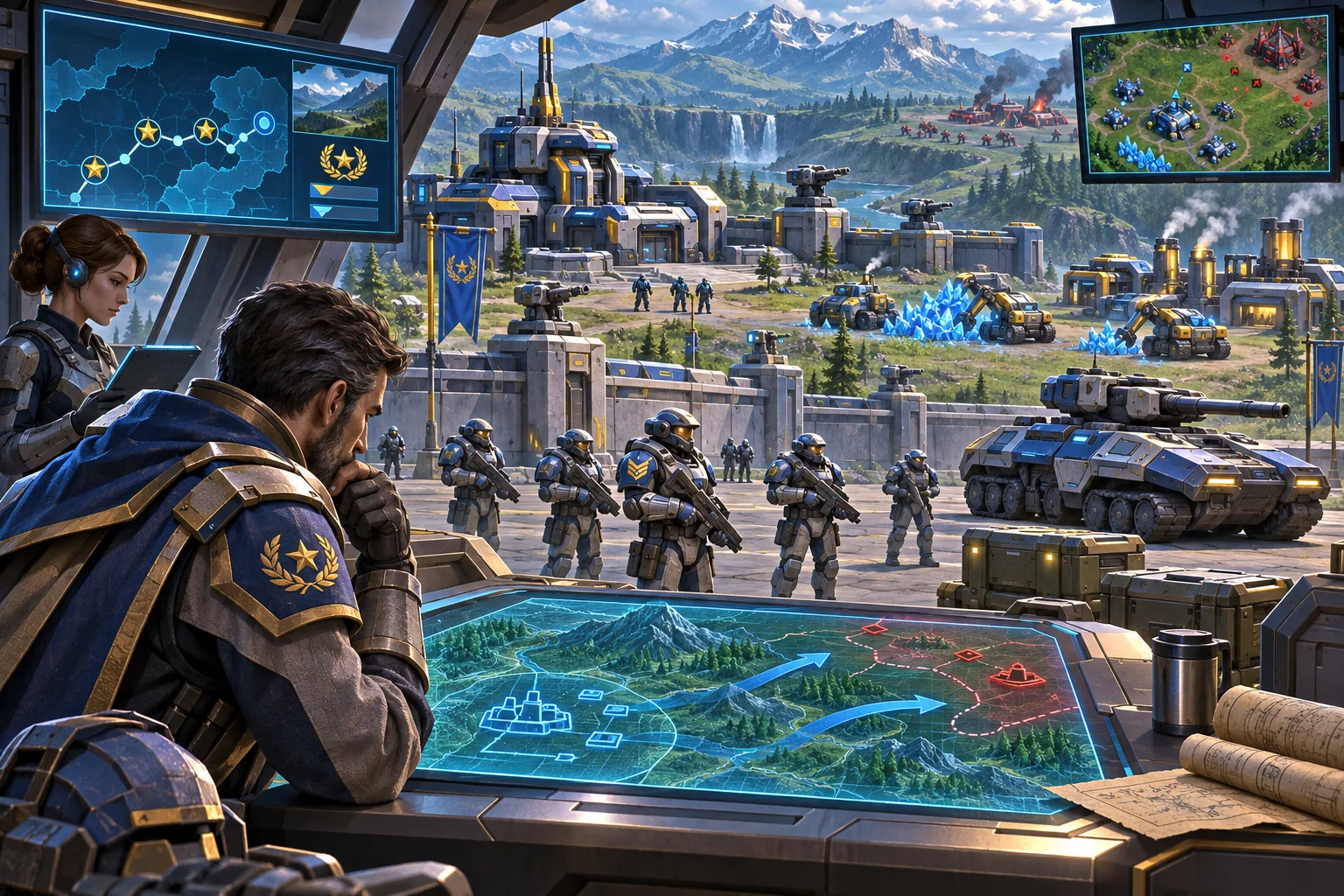
Long-term character progression can make a tactical RPG feel rewarding between battles, but it can also blur the roles that make tactical choices meaningful. Before asking AI to add levels, skill trees, or respecs, decide which character state persists and what a new upgrade is allowed to change in battle.
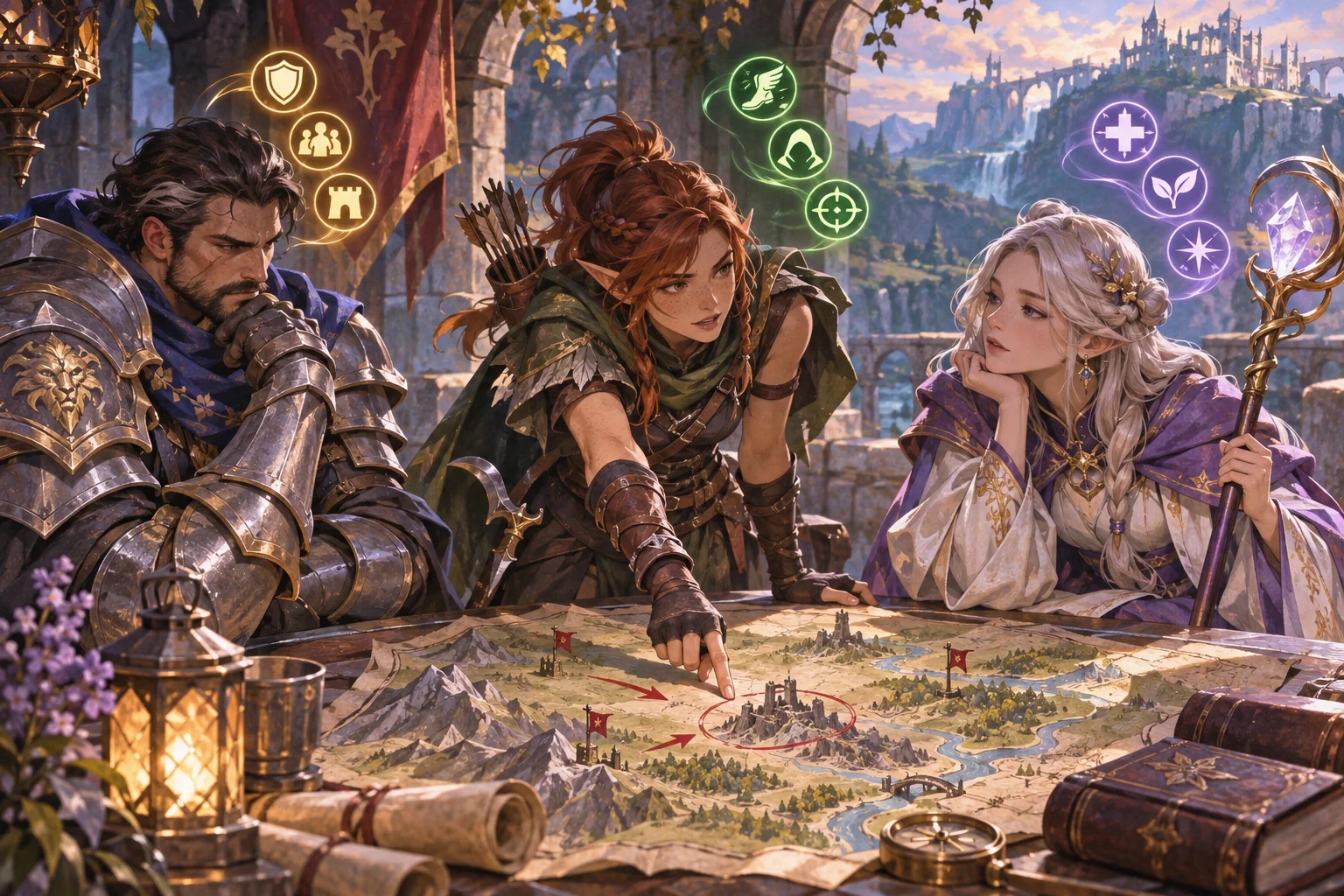
This guide uses an invented defender, scout, and support mage to explain the design. No game, save migration, or encounter was tested. The workflow is about adding one reviewable growth layer to an existing project while preserving its battle resolver.
Keep permanent growth separate from battle state
List what belongs to the character record and what exists only during an encounter. A learned ability, class path, or earned point might persist. Turn order, grid position, temporary armor, poison, and an uncommitted battle reward usually belong to the current encounter. If the game already supports mid-battle saves, follow its existing model instead of assuming a reset.
| State | Examples | Lifetime |
|---|---|---|
| Character growth | Skill points, unlocked abilities, class branch | Campaign or profile |
| Equipment | Weapon, armor, accessories | Existing campaign inventory rules |
| Battle state | Position, turn order, status effects | One encounter unless resumable saves exist |
| Party progress | Mission unlocks, roster availability | Campaign progression |
Trace where the current project stores levels, stats, equipment, and mission completion. Find the code that constructs a battle unit and the system that applies upgrades. Ask AI to map those owners before it edits. A single growth record should feed the existing battle setup, not create a second damage or movement formula.
Give every upgrade a role and a cost
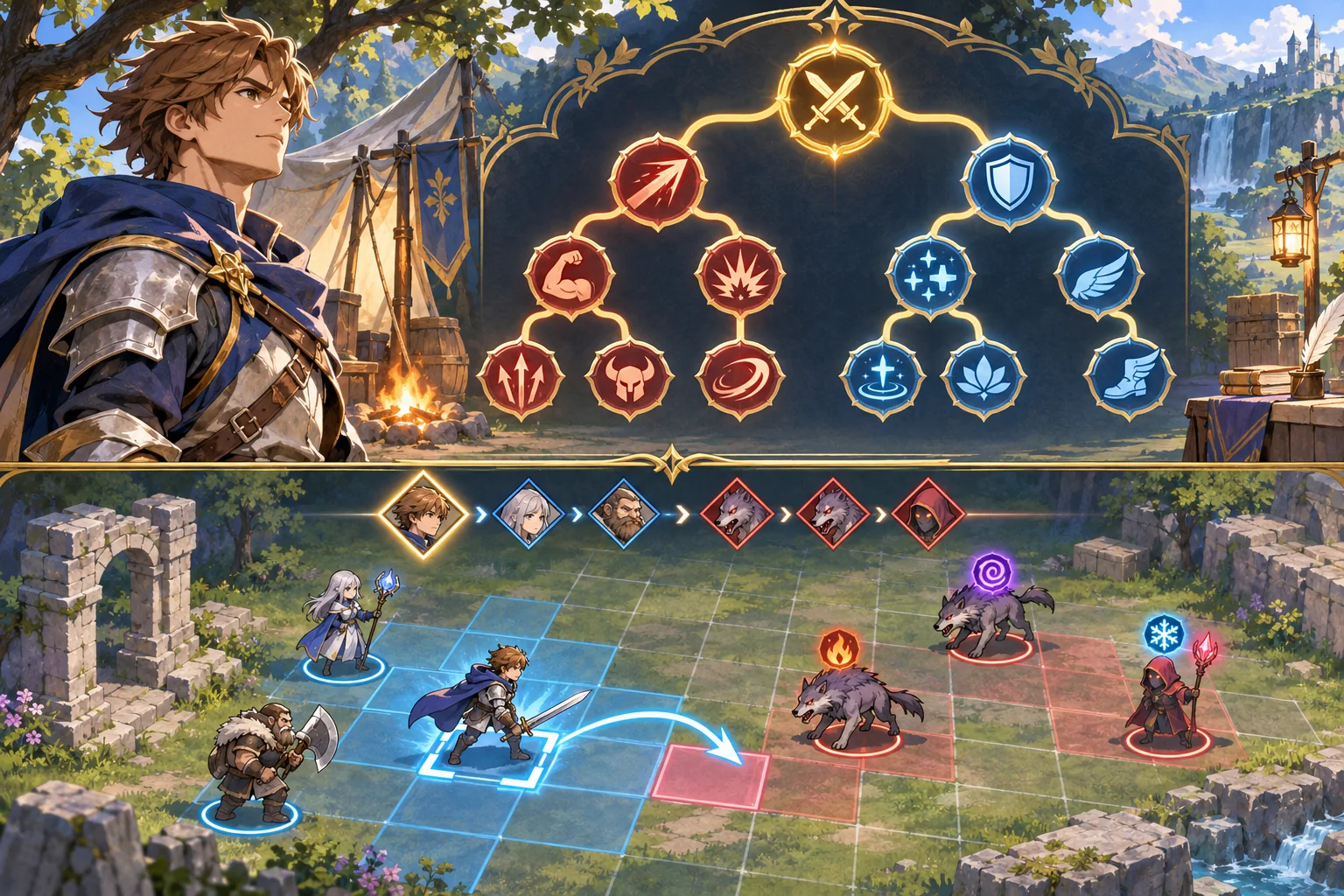
Write the tactical role of each character before drafting a tree. The fictional defender holds a corridor, the scout crosses space and finds flanking routes, and the support mage helps the team recover or control an area. An upgrade can deepen a role or create an alternate specialization, but the player should still face a choice about position, action points, or team composition.
Avoid giving every hero the same broad stat increases. If an upgrade adds movement, damage, defense, and range at once, it can erase the decisions that made the original roles distinct. Define prerequisites, costs, respec rules, and whether growth is permanent before implementing a menu.
Use stable ability IDs instead of display labels. If a skill name changes with localization, a saved ID such as “scout_overwatch” can still reference the same behavior. Decide how retired or renamed abilities migrate from old saves, and keep a known-good save copy for testing.
Connect the growth layer through existing interfaces
A useful boundary is: the campaign records a player's chosen upgrades; battle setup reads that record and builds the unit's available stats and abilities; the current combat system resolves actions exactly as before. If the project already uses data assets or character definitions, follow that pattern. Keep the UI from directly editing combat values in the middle of a turn unless that is already a supported mechanic.
Make the changed data versioned. A new ability field should have a safe default for old characters. A respec should remove or refund only the intended upgrade state and then rebuild the character loadout through the existing path. Do not rewrite equipment ownership or class identity as a side effect of adding skill points.
Save data needs an engine-supported location and format. Godot's official saving tutorial demonstrates file-based serialization and discusses JSON tradeoffs. Unity's Application.persistentDataPath is intended for data retained between runs, with paths that vary by platform. These sources help with storage decisions but do not prescribe a tactical RPG schema or guarantee a particular migration strategy.
Ask AI for a small, reversible implementation
Give the assistant a precise contract: add one growth choice to one character; preserve turn order, movement, action points, enemy AI, equipment, and existing save fields; use stable ability IDs; list the files changed; and explain how old saves load. Ask it to propose the data flow before it changes code.
Review for copied stat formulas, hard-coded display names, upgrades that can be applied twice, new fields without defaults, and changes to the battle resolver. Compare the diff with the contract. Keep the original project and a sample save so you can return to the baseline if the new growth layer changes more than expected.
Verify choices in the same tactical encounters
A character growth feature should be tested in a few repeatable situations. The table is a proposed test plan, not a report about Northwatch.
| Case | Action | What to verify |
|---|---|---|
| Fresh character | Create a new campaign | Default stats and starting skills match existing rules |
| Earn and choose | Gain one upgrade and select it | Cost, prerequisite, and resulting ability are correct |
| Role encounter | Play the same mission before and after growth | Defender, scout, and support still have meaningful choices |
| Respec | Use the respec path if the game supports it | Refund and equipment state remain consistent |
| Old save | Load a duplicate from before the new field | Migration preserves known character and campaign data |
| Save/reload | Restart between missions | Growth persists while battle-only effects reset |
Use the same mission, difficulty, party, and build for comparisons. Record project version, character IDs, steps, expected and observed behavior. Balance needs repeated real encounter evidence; a generated battlefield illustration is only a visual aid.
Frequently asked questions
What should persist in a tactical RPG character progression system?
Persist defined character growth such as earned skill points, unlocked abilities, and selected class paths. Keep current battle position, temporary buffs, turn order, and uncommitted encounter rewards in the battle state unless the game already supports mid-battle saves. Keep these boundaries visible in the character and battle records.
How can progression preserve tactical character roles?
List each role's existing strengths and tradeoffs before adding upgrades. New choices should deepen those roles or create a clear specialization, not make every character equally good at movement, defense, range, and damage. A focused role helps each upgrade retain a tactical tradeoff.
Should players be able to respec character upgrades?
Choose a respec rule that fits the campaign economy and communicate its cost or limit. Test respec on a copy of an older save and verify that equipment, abilities, and battle loadouts remain consistent. Apply the chosen cost consistently across the full campaign.
How do I add character growth without rewriting combat?
Keep upgrade selection and character records separate from the existing battle resolver. Pass the selected stats and abilities through the same interfaces combat already reads, then inspect the diff for duplicate damage or action rules. This keeps selected growth from creating a second source of truth.
What should I test after adding progression?
Test a fresh character, earned upgrade, returning campaign, respec if supported, old save migration, and a representative tactical encounter. Record the build and observed result; a hypothetical squad is not balance evidence. The result should be documented separately from the test plan.
Grow the roster without erasing its roles
Start with one character choice, one persistence boundary, and a few repeatable encounters. Keep permanent growth in the campaign record and let the existing battle system apply it. Add more branches only after old saves, respec, equipment, and tactical role choices all behave as intended in the actual build.
For a separate browser-playable prototype idea, try SEELE AI Game Maker. This CTA is for a separate prototype, not an existing tactical RPG modification tool.