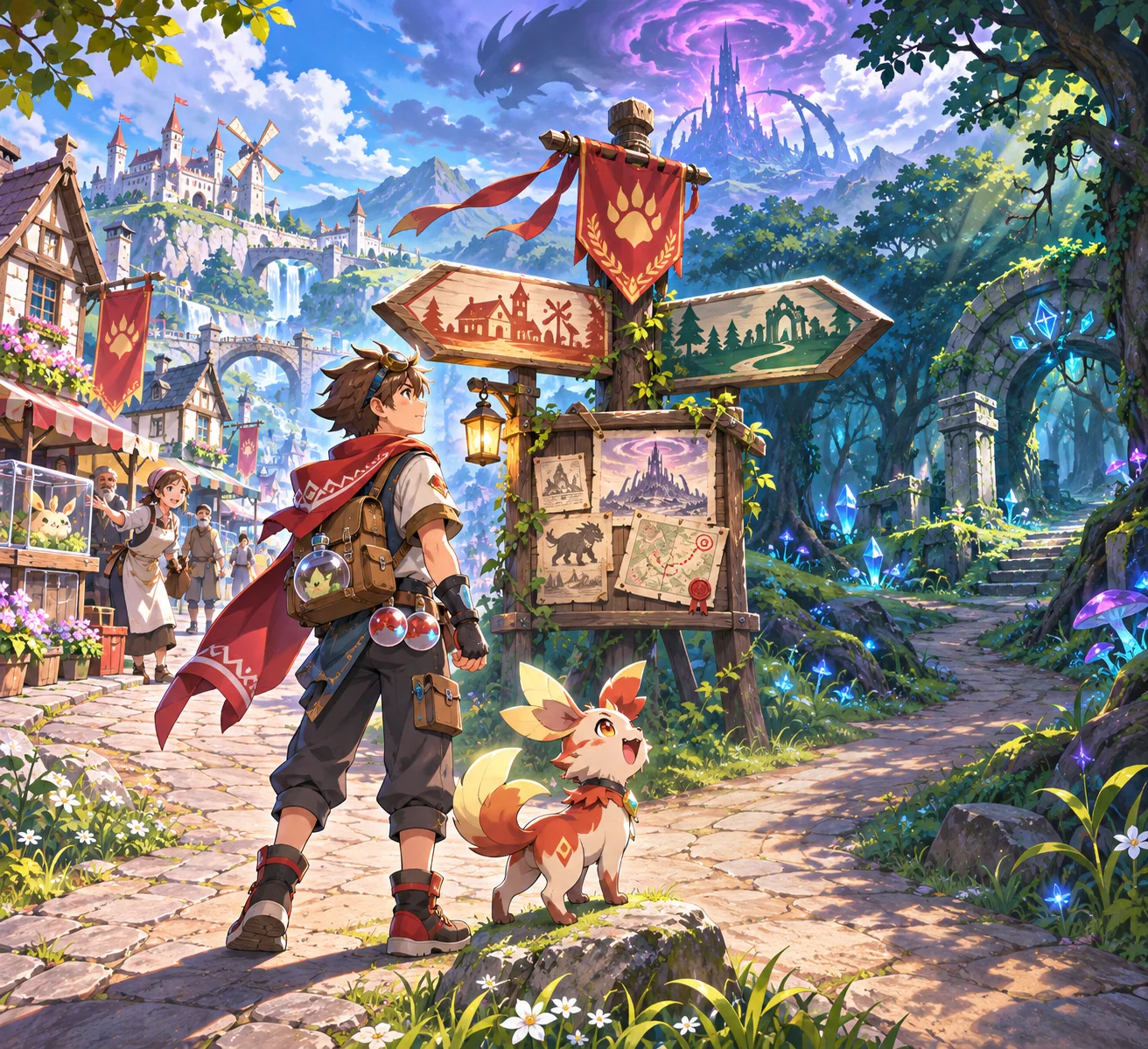
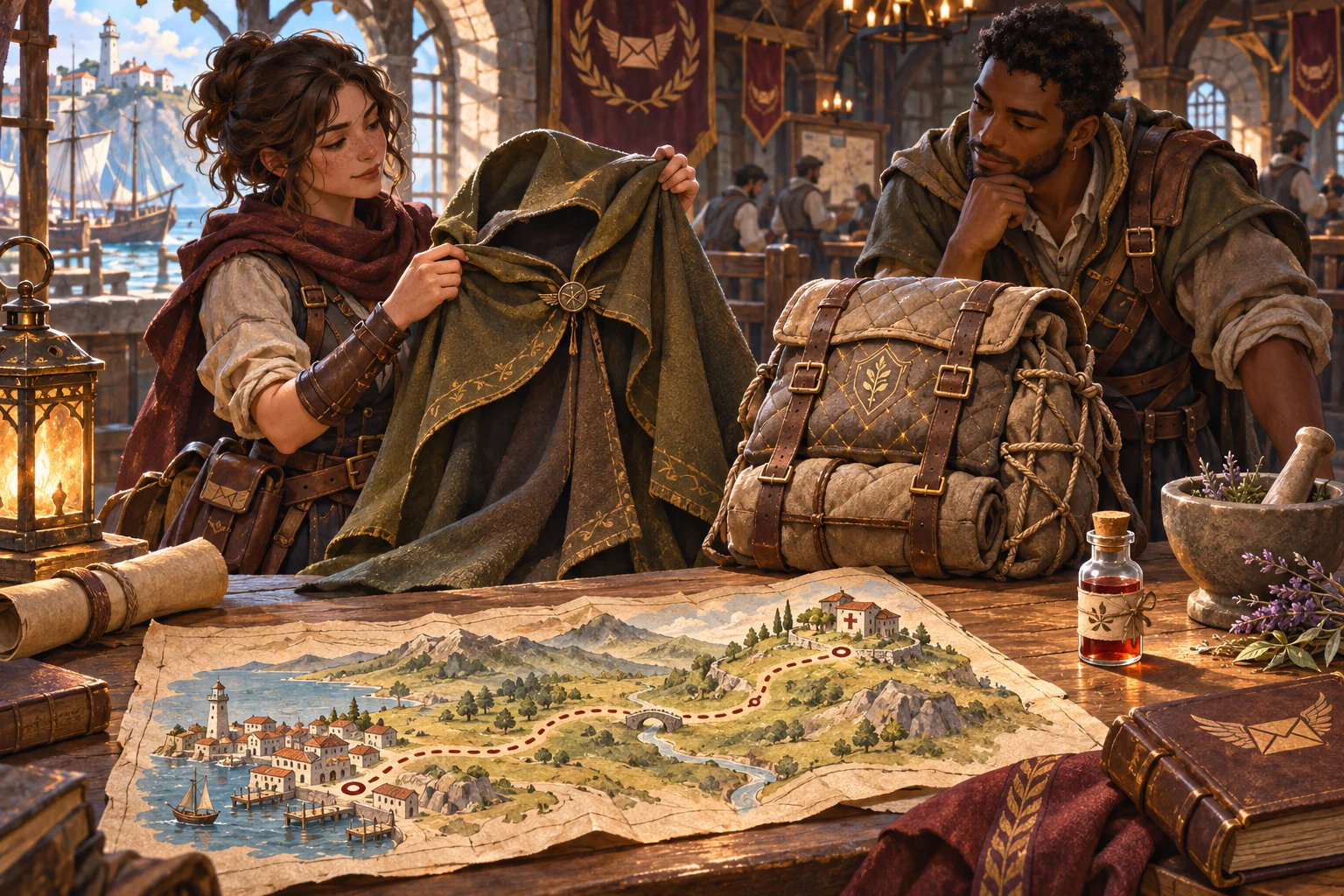
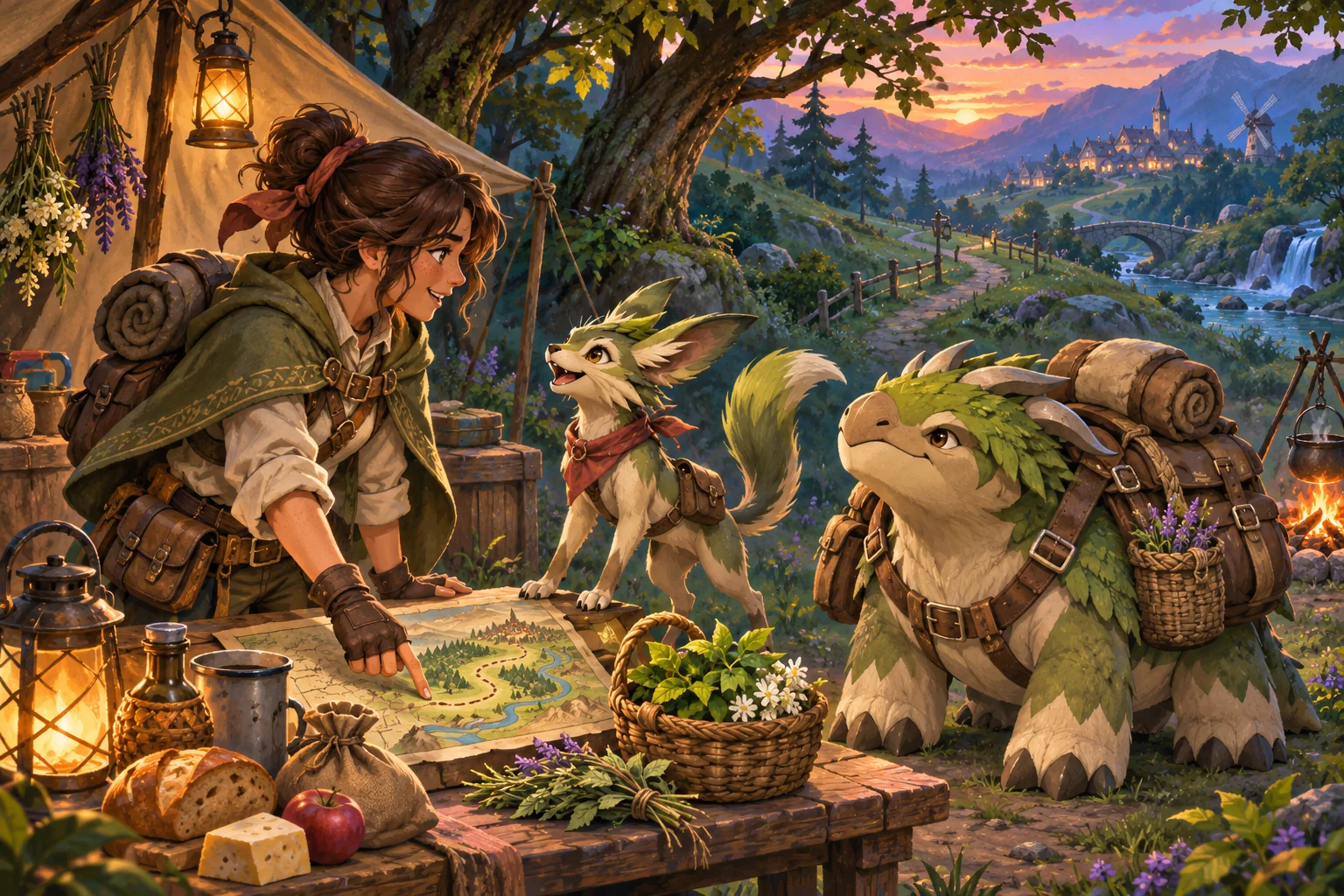
Let important quest decisions update a small set of persistent world and companion states. Later missions should reveal those changes in play, so consequences feel earned rather than recorded only in dialogue. Prototype one quest and one later callback first. The official source below confirms only the creature-RPG context; the state model here is original design guidance.
Choose persistent states worth tracking
Choose only consequences that change a future player decision. A short list might include regional recovery, a companion’s trust, and whether a local group will offer help. For each variable, define its possible states, who changes it, and which later scene reads it. The official Necro Story listing describes a creature-collection RPG with collectible minions and strategic combat; this supports only the genre context, not the campaign-state design proposed here. See Rablo Games for the limited context claim.
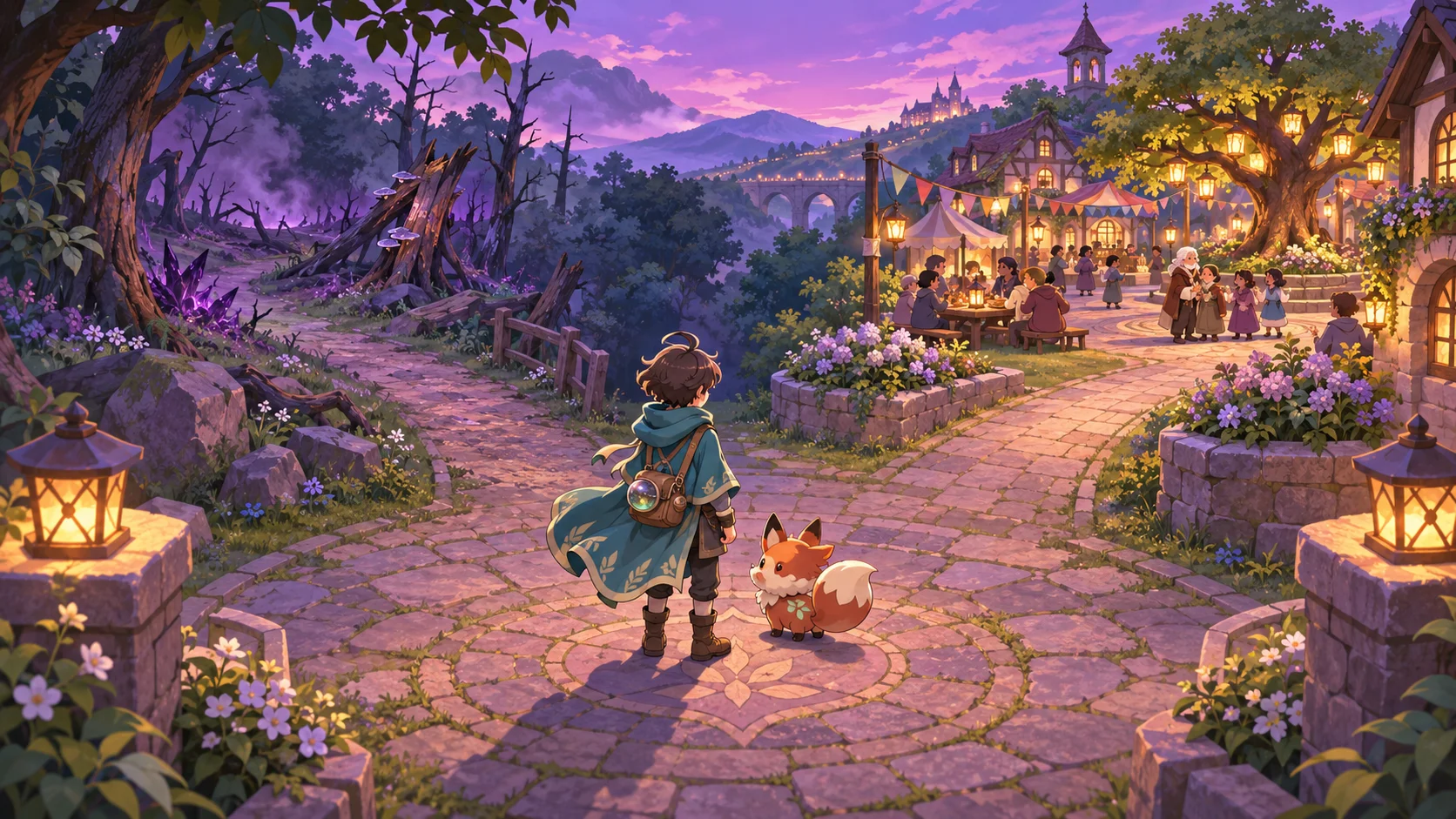
Keep the state model small and explicit. If a quest choice changes a forest from damaged to recovering, record the state once and show the updated version whenever the player returns. Avoid duplicating flags for dialogue, map art, and rewards when one shared world state can drive all three.
Tie creature and quest choices to world changes
Give creature choices a consequence the player can see. Recruiting a creature might earn a companion’s trust, while leaving it behind could preserve a regional resource or change which ally appears later. Do not make every choice a moral test; include practical trade-offs and communicate what the player knows before deciding.
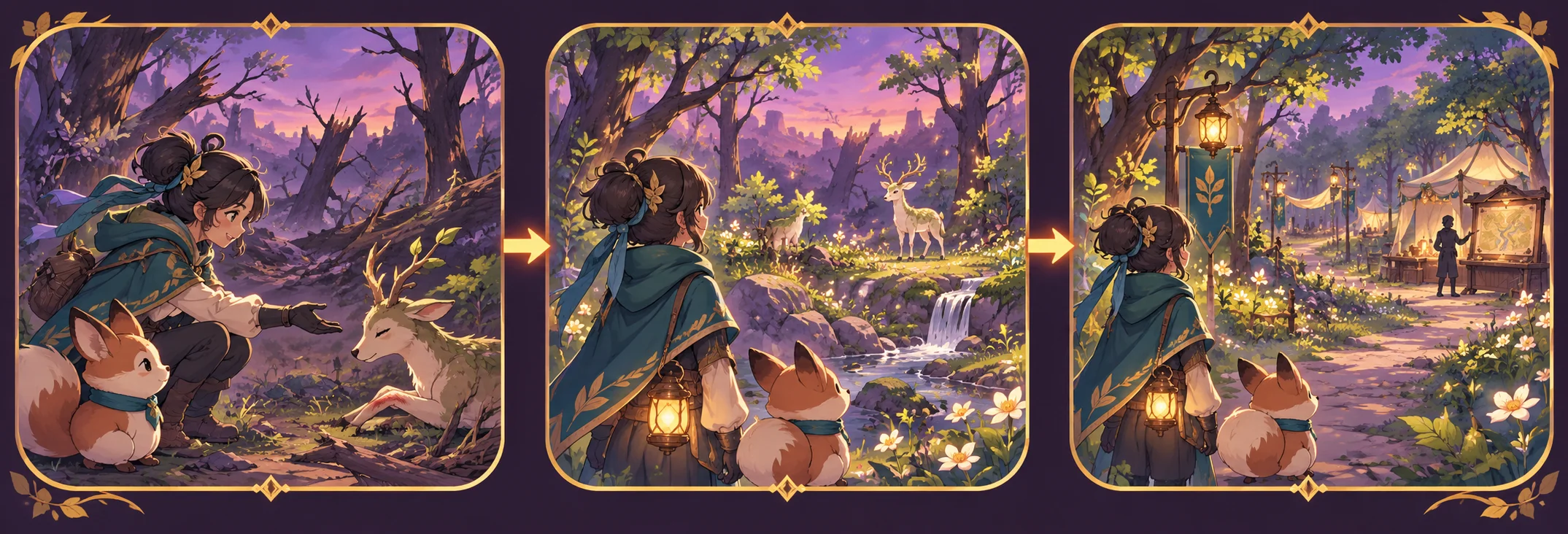
Let quest outcomes affect a region through visible events: a repaired route, a new gathering area, or a different group controlling a camp. Keep immediate rewards distinct from lasting changes so players understand what they gained now and what may matter later. Record which decisions are reversible and which close a path.
Reveal consequences through later play
Bring a consequence back through play rather than a recap line. A changed region can alter traversal, creature encounters, or the available quest; a companion state can affect a battle assist or a conversation. Reuse familiar locations so the player notices the change, and make the state transition persistent across travel, reload, and chapter progression.
Avoid combinatorial branch growth by combining a few persistent variables in shared scenes. A quest can check regional recovery and companion trust to vary an encounter without requiring two fully separate campaign routes. Provide a summary in the journal for clarity, but treat changed gameplay as the proof that the choice mattered.
Test continuity across the campaign
Test each state from both possible outcomes. Complete a quest, leave the region, save and reload, then return and verify that the world and available actions match the stored state. Test a companion swap and a skipped side quest so one path does not accidentally erase another consequence.
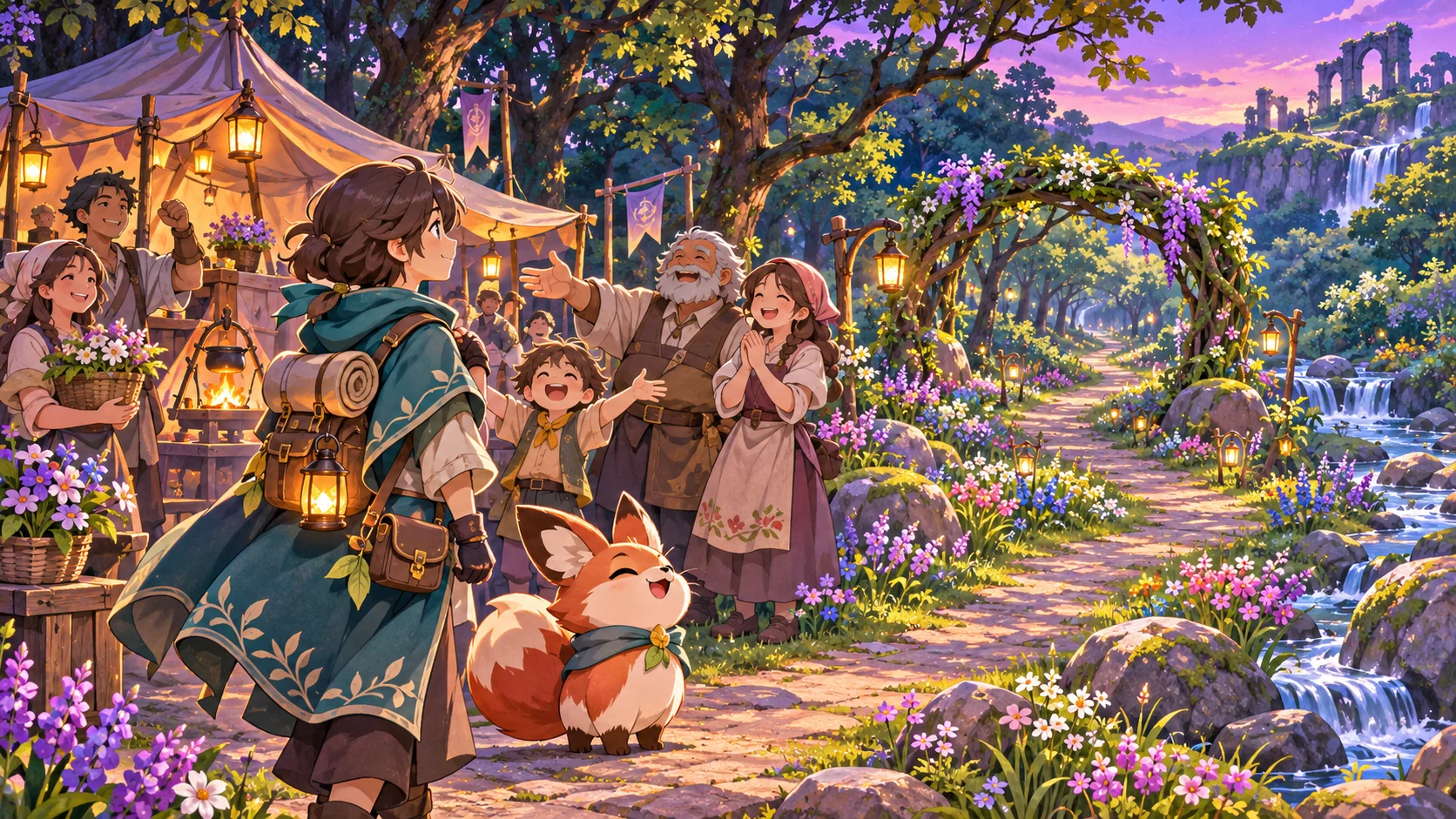
For a related creature-RPG quest structure, see a quest campaign guide focused on persistent consequences. Ask playtesters what they remember choosing and which later event reflected it. Pass when they can connect a past action to a visible world or companion change without needing a designer explanation.
FAQ
What makes quest consequences feel persistent?
A consequence feels persistent when a later scene or action changes because of an earlier choice. Show the result in a world state, companion behavior, encounter, or available quest, and preserve it across travel and save reloads. Dialogue can reinforce the memory, but a changed playable situation makes the consequence easier to recognize.
How can creature choices affect later quests?
Tie a creature choice to a small number of readable states, such as companion trust, a regional resource, or which ally appears in a later encounter. Show the immediate effect and bring it back through gameplay later. Avoid creating a unique branch for every creature if a shared scene can respond to a few variables.
How do you track campaign state without branching overload?
Track a small, explicit set of variables and use shared scenes that respond to combinations of those states. Separate short-term rewards from lasting changes, reuse locations so changes are easy to notice, and test save/load behavior. A journal summary can help players remember, while changed routes or encounters provide the actual payoff.
What should you test in a persistent quest campaign?
Replay each important quest from both outcomes, then leave and revisit the region after saving and reloading. Check world state, companion behavior, available quests, and encounter options. Ask players to identify which earlier choice caused the change. Include skipped quests and party changes to catch state conflicts.