Add a replay mode built around alternative solutions to your branching narrative game with AI. Make trade-offs visible, preserve recovery, and test the system in a short repeatable scenario. Start with one decision node and one alternate outcome before building a complete branch graph.
Store decision and outcome state cleanly
Record the decision point, the state before it, the player’s choice, and the outcome that followed. Keep a stable checkpoint identifier for each replayable scene so the mode can restore the relevant variables without corrupting the active story. Separate current-run state from explored alternatives, and make the distinction visible in the replay interface.

The official Tomorrow Never Comes listing from Xamo Games describes a choice-driven narrative with a time loop, branching paths, and multiple endings. It supports branching narrative and replay context only; the replay mode here is original. Track branch state explicitly so a replay can compare a possible outcome without silently rewriting the player’s current path.
Make replay compare meaningful alternatives
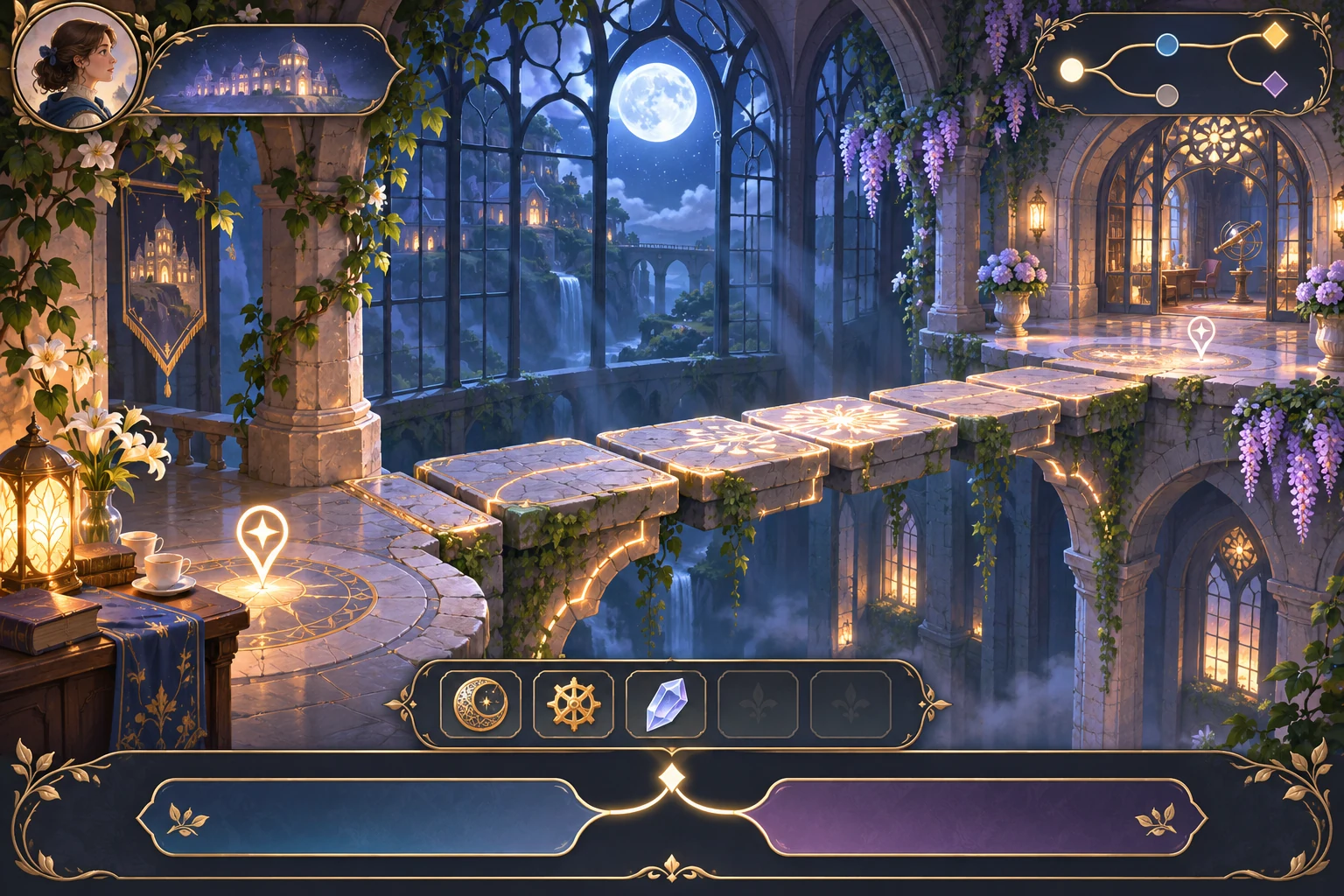
Let players revisit a decision and see which alternatives are available, what information was known at the time, and what consequence changed. A branch map can mark the current route and label explored outcomes with short descriptions. Provide a direct replay action from a chapter or decision summary, then return the player to the previous timeline after comparison.

Keep each branch distinct enough to justify replay. If two choices produce the same scene with only a different line, summarize that difference; if they change a character relationship or unlock a route, show the change in the comparison. Avoid presenting hidden future information before the player chooses to replay, since that can change the original decision context.
Preserve the original story context
Offer a clear choice between replaying a scene as an alternate branch and continuing the active story. Store the original selection and its consequences separately, and mark the replay as exploratory. If the player decides to adopt the alternate outcome, ask them to confirm that the active timeline will change and explain which later state will be replaced.

Keep continuity when a scene depends on earlier choices. Rebuild the checkpoint using the state that led to that branch, not a generic default. Show any unavailable option with a simple reason, such as missing evidence or a relationship state, and let players return to the chapter that can change it.
Test branch replay and state restoration
Test a simple choice, a branch that changes a character state, and a branch that unlocks a later scene. Verify that the replay restores the correct context, returns to the active story without data loss, and updates the comparison accurately. Include a save-and-load cycle inside replay mode to check that explored outcomes persist without replacing the current path.
For related narrative and progression design, see a guide to progress-aware hints and a guide to alternative story encounter solutions. Pass when players can compare a branch and return to the active route with its state intact.
FAQ
What should a branching narrative replay mode show?
Show the decision point, the state that led to it, the selected choice, and the resulting outcome. Mark which alternatives the player has explored and explain what will be restored during replay. Keep the active story separate from explored branches so comparing an outcome does not silently overwrite current progress.
How can replay compare alternative solutions?
Let players revisit a decision with its original context, then summarize how each available choice changes scenes, relationships, or later access. Provide a clear way to return to the active route after comparison. Keep hidden future information out of the original choice screen unless the player deliberately enters replay mode.
How do you preserve context while replaying?
Restore the checkpoint state that led to the branch, including relevant character relationships, evidence, and prior decisions. Store the active timeline separately from exploratory replay. If a player chooses to adopt an alternate outcome, ask for confirmation and identify which later state will change.
What should you test in a narrative replay mode?
Test simple choices, branches that change character state, and branches that unlock later scenes. Verify checkpoint restoration, return to the active story, save and load behavior, and branch comparison accuracy. Confirm that explored outcomes persist without replacing the current route unless the player explicitly chooses that change.