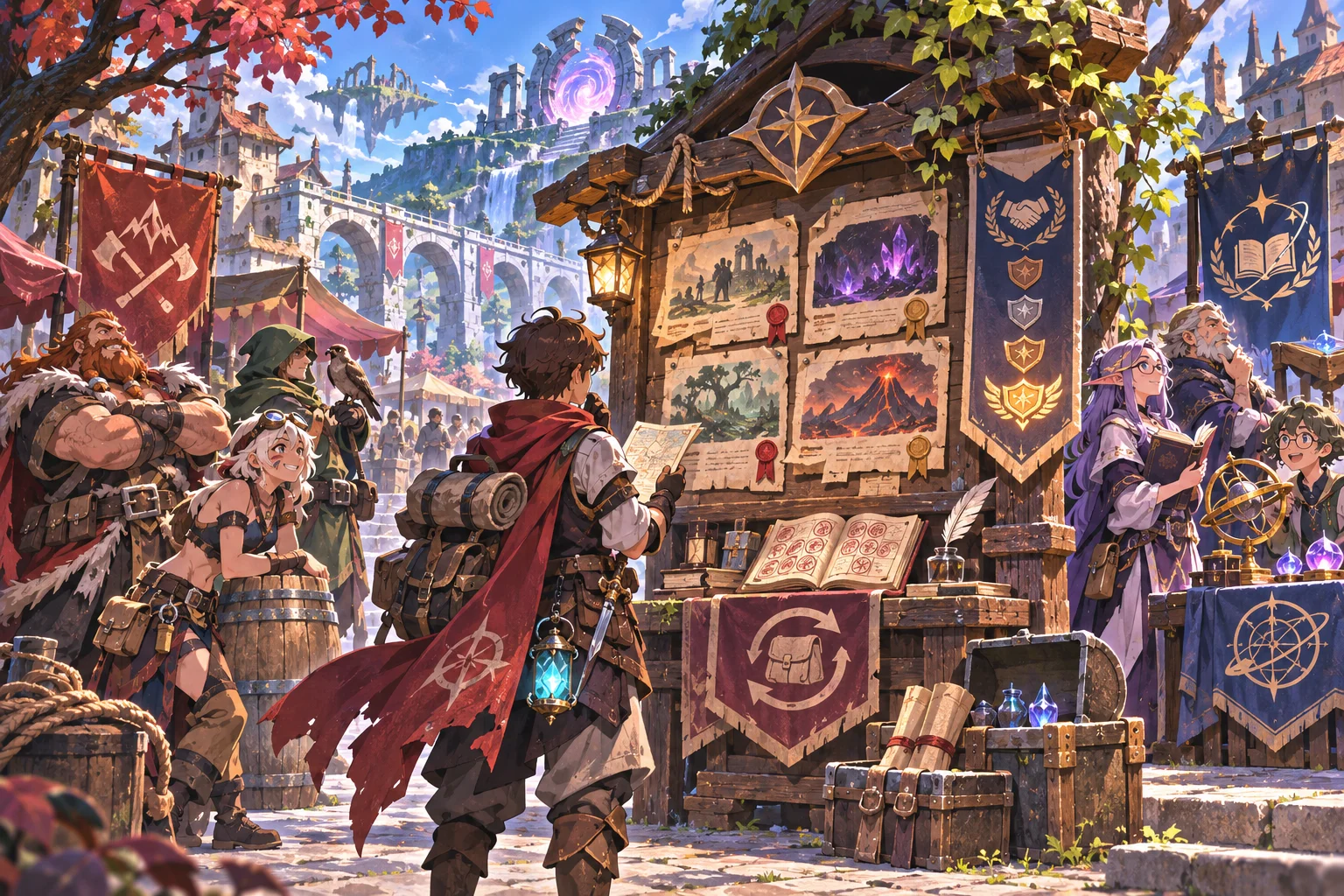
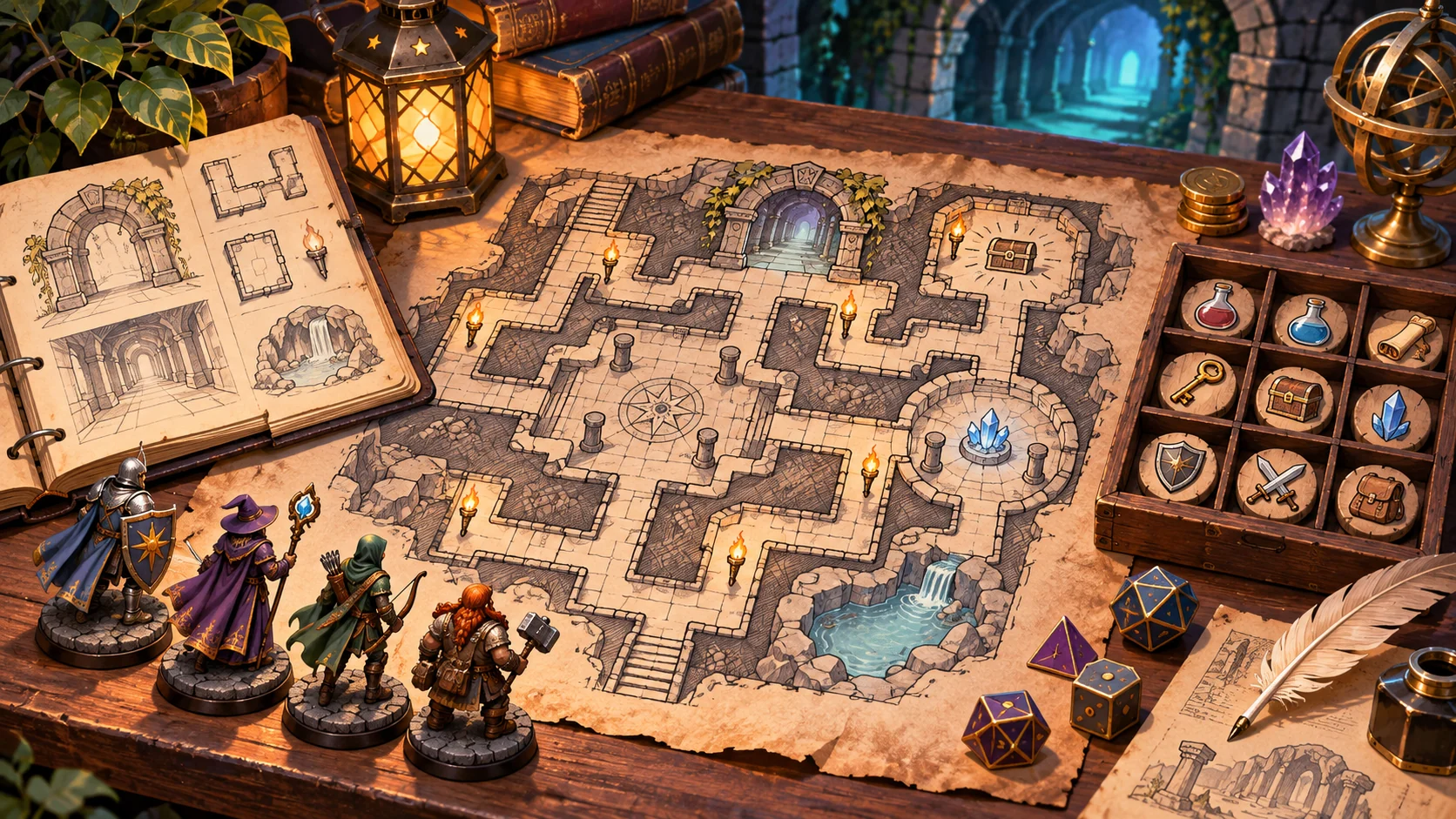
Tie a small number of reputation states to quests with visible thresholds and consequences. Let players understand which actions affect access, and provide alternate routes when a choice closes one path. Prototype one faction, one threshold, and one alternate route before expanding the system. The official source below establishes genre context only; the reputation design here is original.
Define reputations and observable actions
Choose a small number of reputations, each tied to a group whose interests players can recognize. Define the actions that change each value, the range and thresholds, and whether a reputation can recover. Dungeon choices should communicate who benefits or loses before the player commits whenever possible. Darkest Dungeon’s official listing supports this article’s gothic dungeon-crawler context; reputation and quest gating below are original system design guidance. See Red Hook Studios for the limited context claim.
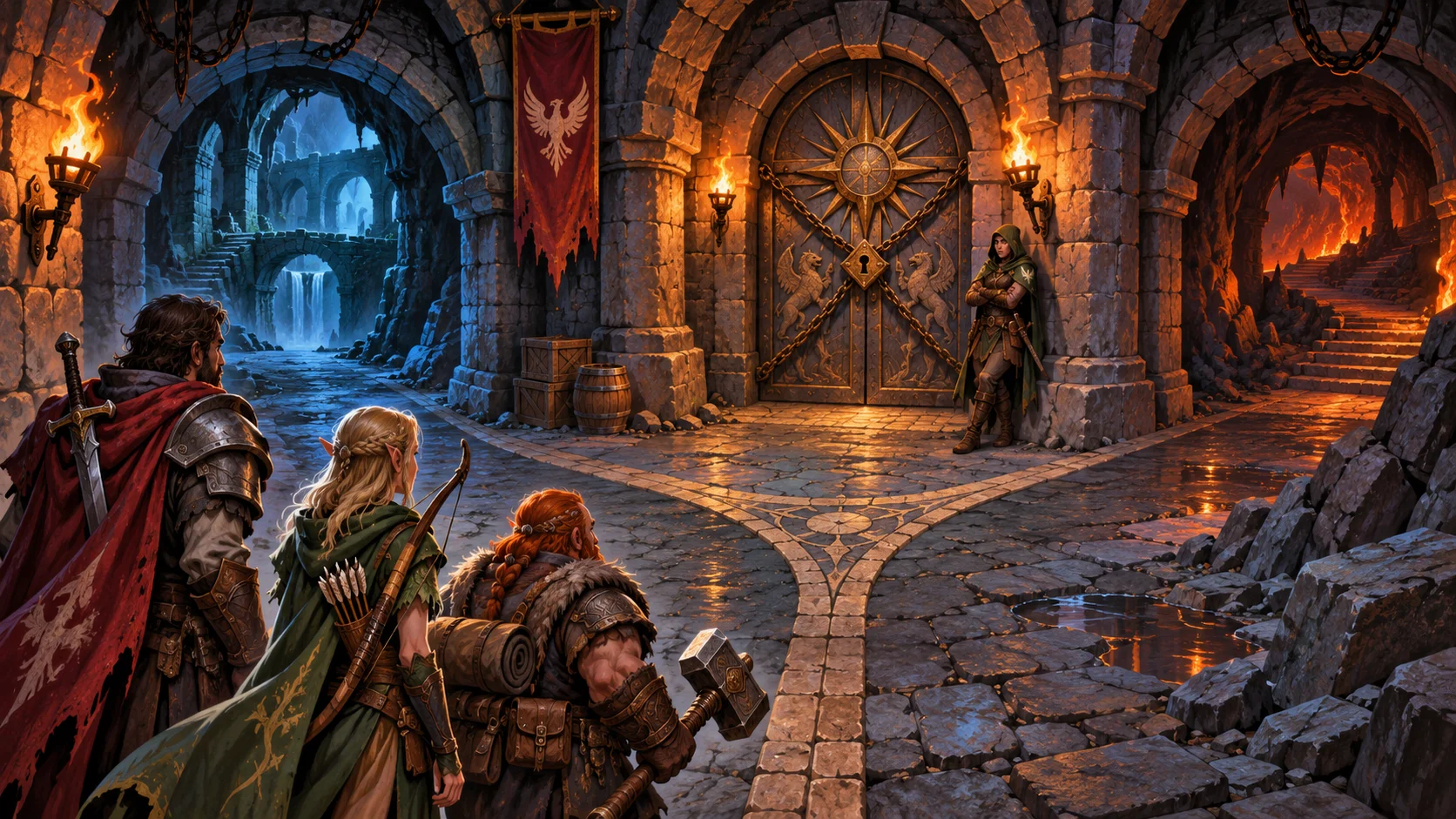
Avoid letting every minor action shift reputation. Use meaningful events such as rescuing a group member, taking a faction resource, or completing a contract. Show a concise feedback cue and keep a journal record so players can connect an action to the resulting state.
Set quest thresholds players can predict
Make quest requirements visible before a player reaches the gate. A contact can explain that the faction trusts proven rescuers, while a map marker shows which kind of work could build that trust. Use thresholds that are easy to compare, and avoid hidden decay unless the game consistently signals when it occurs.
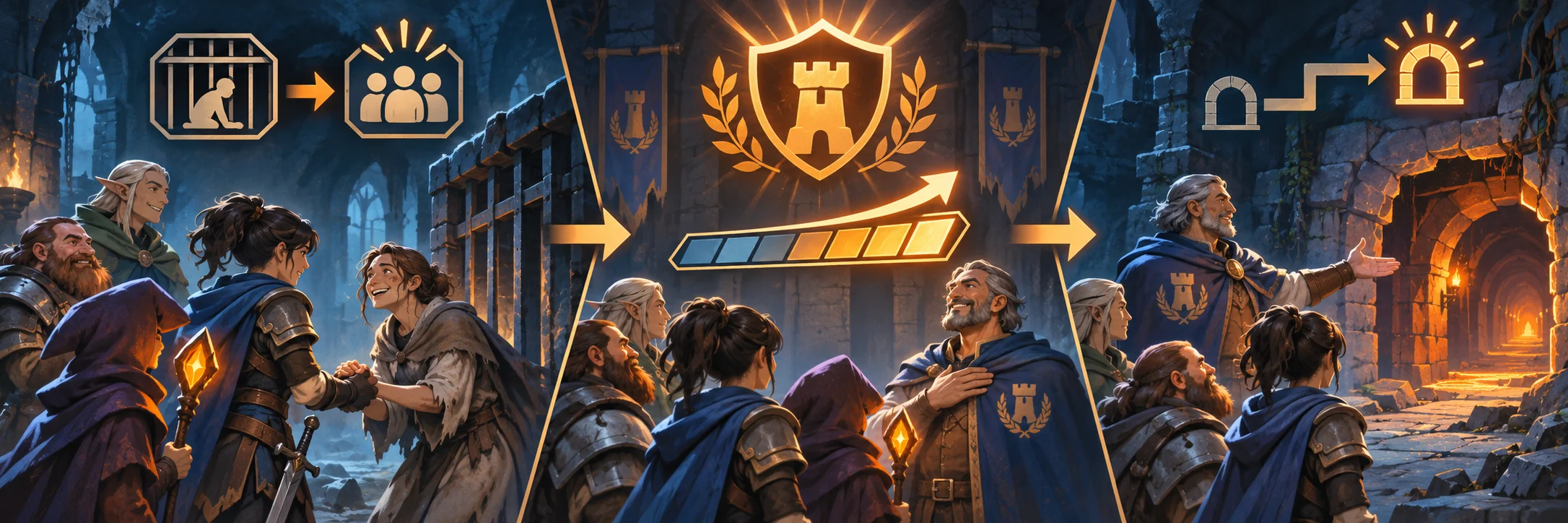
Quest availability should change for a reason the player can understand. Gate one reward or route rather than making the whole dungeon inaccessible. If a threshold is missed, offer another route: negotiate, complete a different task, pay a cost, or return later after earning trust. This preserves agency while making reputation consequential.
Show alternatives when access changes
Show how access affects the dungeon run. A faction quest could change which room is safe, what supplies appear, or which optional encounter is available. Keep the effect legible during exploration, and ensure the new quest does not quietly invalidate a build or resource plan that was reasonable when the player entered.
Separate access from moral judgment. Different factions can open distinct content rather than ranking one path as correct. Offer valuable but different outcomes so players can choose a role-play direction without losing the only way to continue the main campaign.
Test reputation recovery and edge cases
Test the same start with low, neutral, and high reputation. Verify which quests appear, whether the reason is visible, and how the player can recover after a failed or skipped task. Include a reload and a threshold edge case to catch stale quest markers.
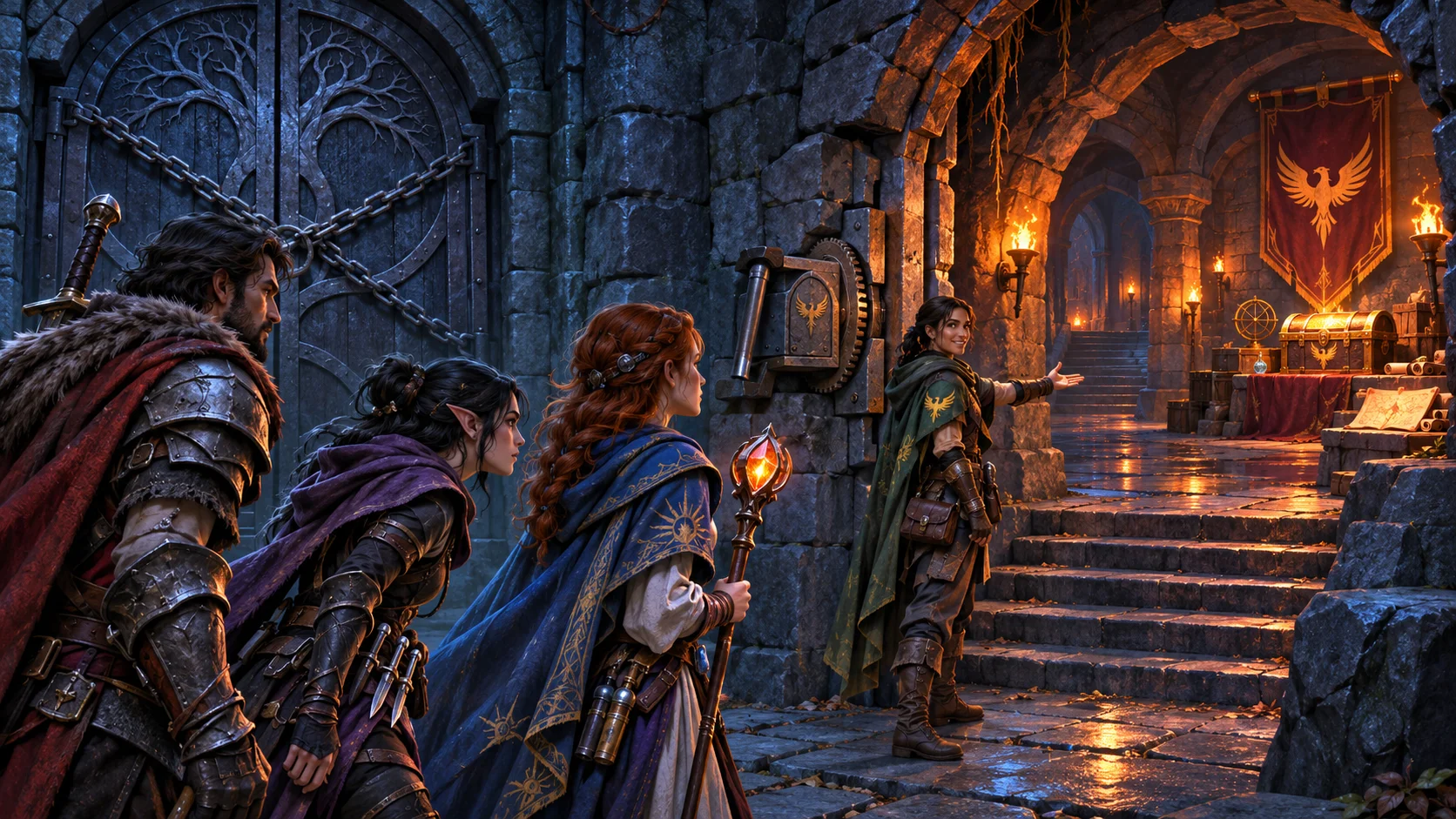
For another model of reputation changing quest access, read a related reputation and quest-access guide. Pass when players can predict at least one access consequence, find a route when a quest is unavailable, and explain which action moved reputation.
FAQ
How should dungeon reputation affect quests?
Tie each reputation to a group with clear interests and let a few consequential actions change it. Show feedback when it moves and connect thresholds to specific quest opportunities. Keeping the number of reputations small makes it easier for players to remember which actions matter and easier for designers to test the resulting content gates.
How can players understand reputation thresholds?
Show the requirement before the gate and explain what kind of action can meet it. Use thresholds that players can compare to their current standing. If reputation changes over time, signal the cause and timing instead of allowing hidden decay to make a previously reasonable plan fail without warning.
What happens when reputation blocks a quest?
Close one option while preserving another route, such as negotiation, a different faction task, a resource cost, or returning later. Keep the main campaign completable and make alternate rewards distinct. This lets reputation change a run without turning a missed threshold into a dead end.
How do you test a reputation-gated quest system?
Replay the same dungeon start at low, neutral, and high reputation, including a threshold edge and save reload. Check quest markers, reasons for access changes, recovery options, and resource consequences. Ask players to explain which action changed standing and what they can do when a quest is unavailable.