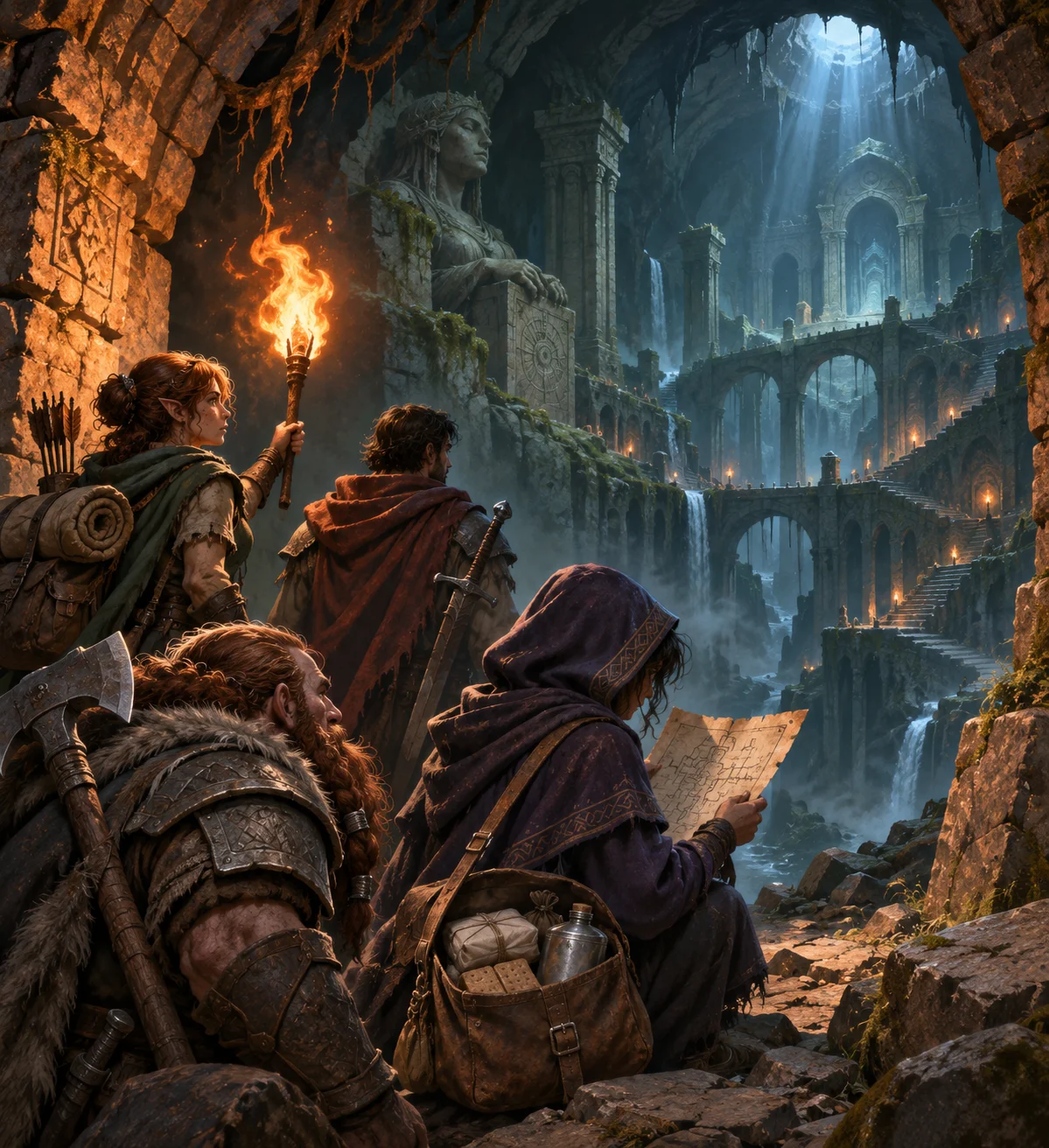
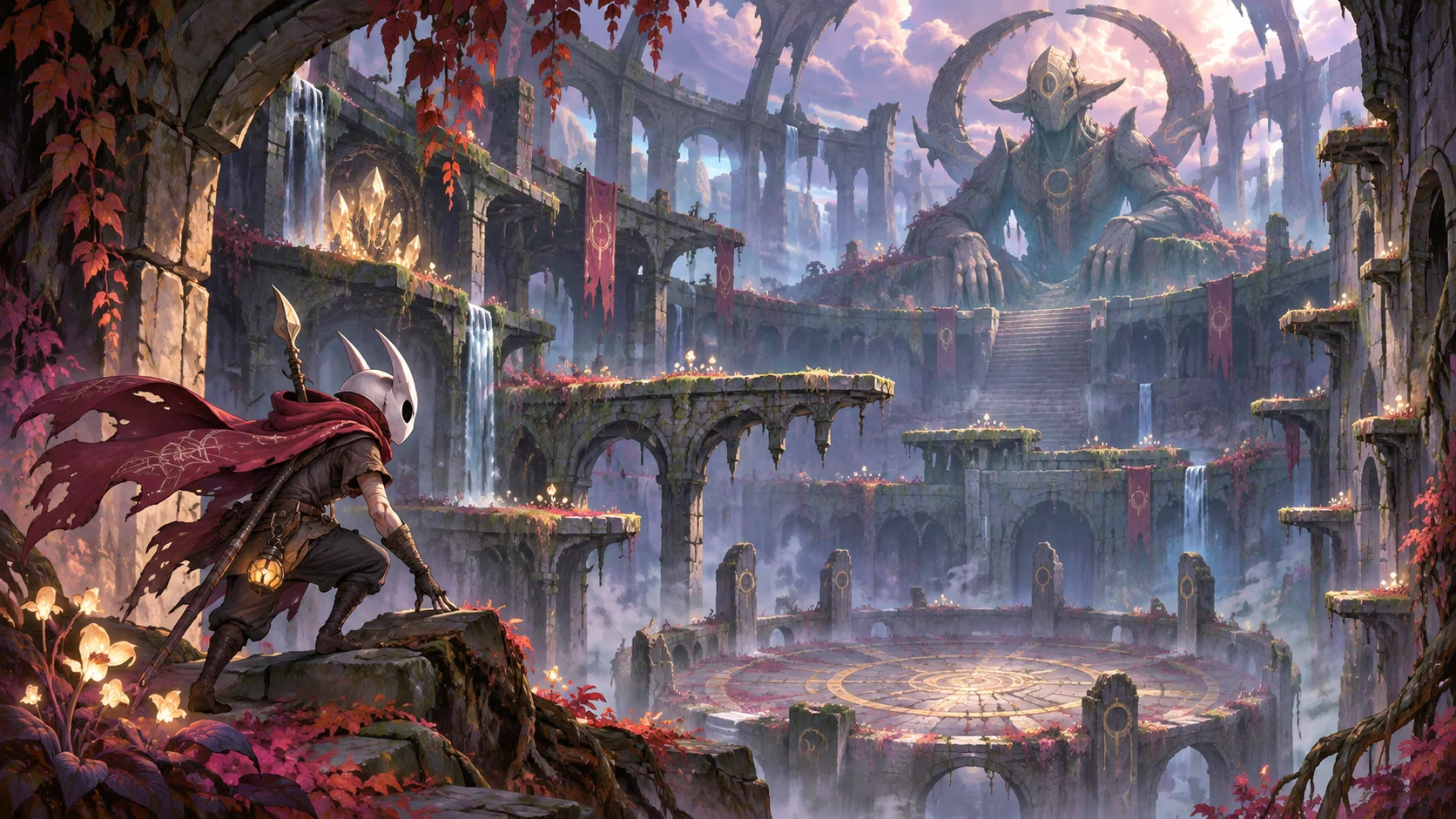
Use one clearly tracked meter for both combat and movement actions, then define how it fills, spends, and caps. Make feedback and recovery legible, then test the system in a short repeatable scenario. Prototype one loop where the same resource can solve a combat problem or open a traversal option.
Define one shared resource state
Choose one meter that supports both combat and traversal, then define its starting amount, cap, refill rule, and costs. A spell might spend energy to stagger an enemy, while a dash spends the same energy to cross a spike gap. Show the current amount and cost before the action so the player understands the trade-off before committing.
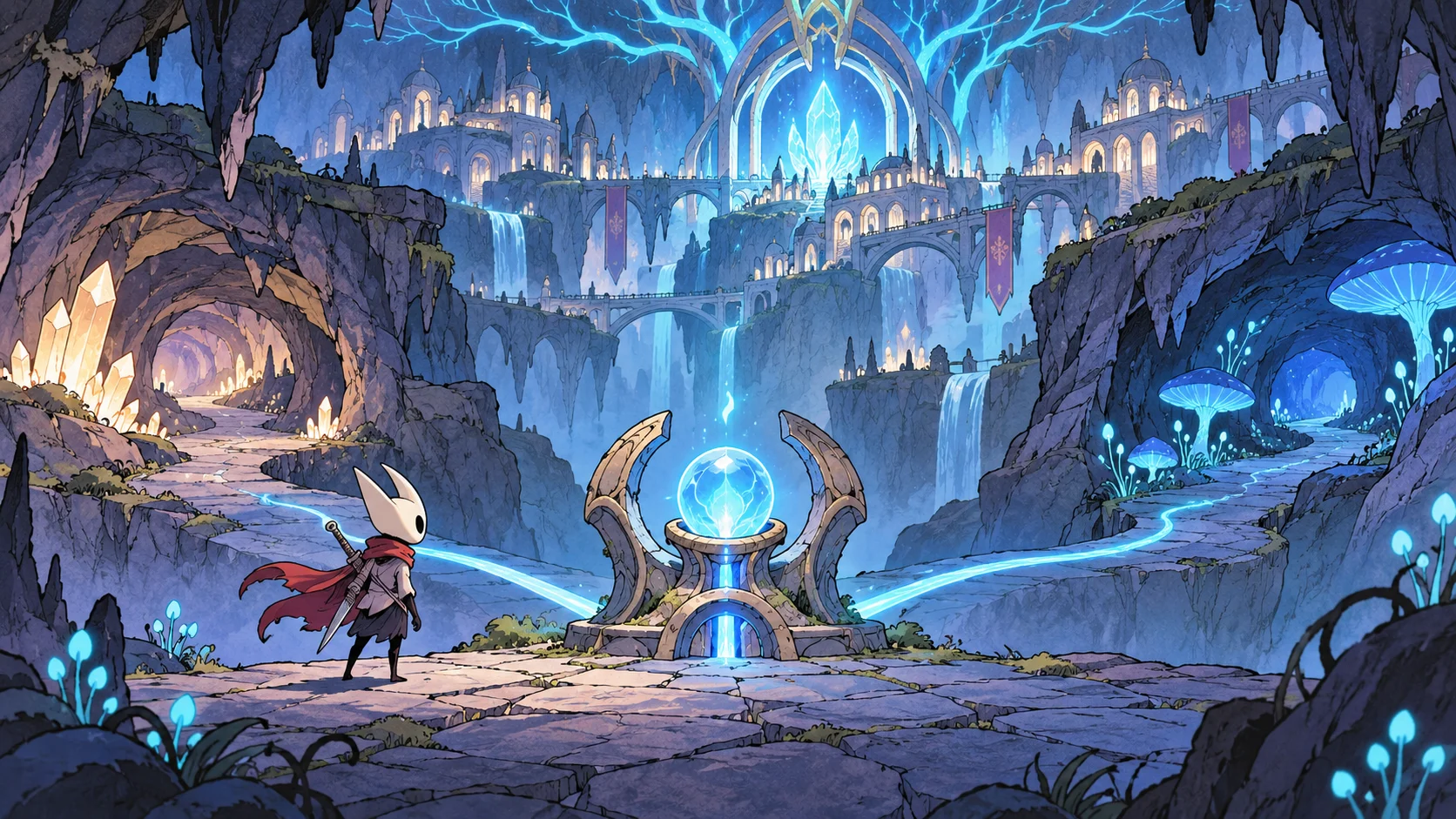
The official Hollow Knight listing from Team Cherry describes a connected 2D action-adventure with combat, exploration, and abilities that enable new movement. It supports the Metroidvania context only; the shared resource economy here is original. Begin with one enemy encounter and one traversal gate that both use the same pool, then test whether its refill rule supports the expected pace.
Make combat and traversal compete fairly
Put the player in a situation where either action has value. Spending energy to interrupt an enemy can make a fight safer, while saving it for a nearby dash gate can open a shorter route. Let the player see both opportunities before choosing. If a gate needs the full meter, signal that requirement in the environment and preserve another route or a refill source nearby.
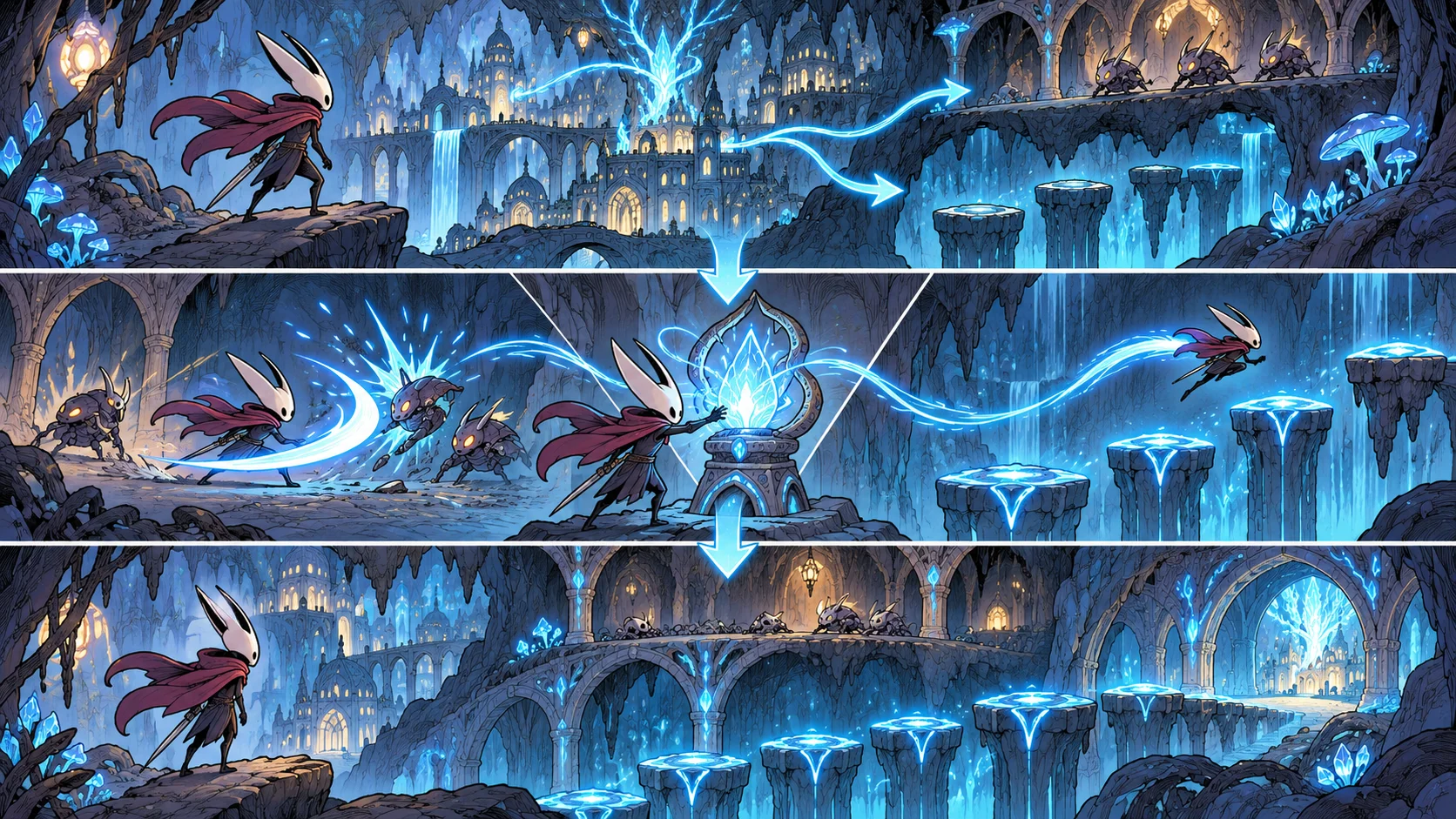
Tune the resource around the whole sequence, not a single encounter. Adjust attack cost, traversal cost, refill rate, enemy pressure, and distance between checkpoints together. If one option dominates, add a meaningful cost or lower the opportunity frequency. Do not make the player hoard every charge for an unknown future gate; that makes the shared system feel like a tax rather than a choice.
Show recovery and pacing choices
Use a consistent refill action, such as striking an enemy, resting at a checkpoint, or collecting a limited energy source. Explain the rule through the same meter and world feedback every time. A player who spends the pool in combat should know where and how recovery is possible before reaching a gate that asks for traversal energy.
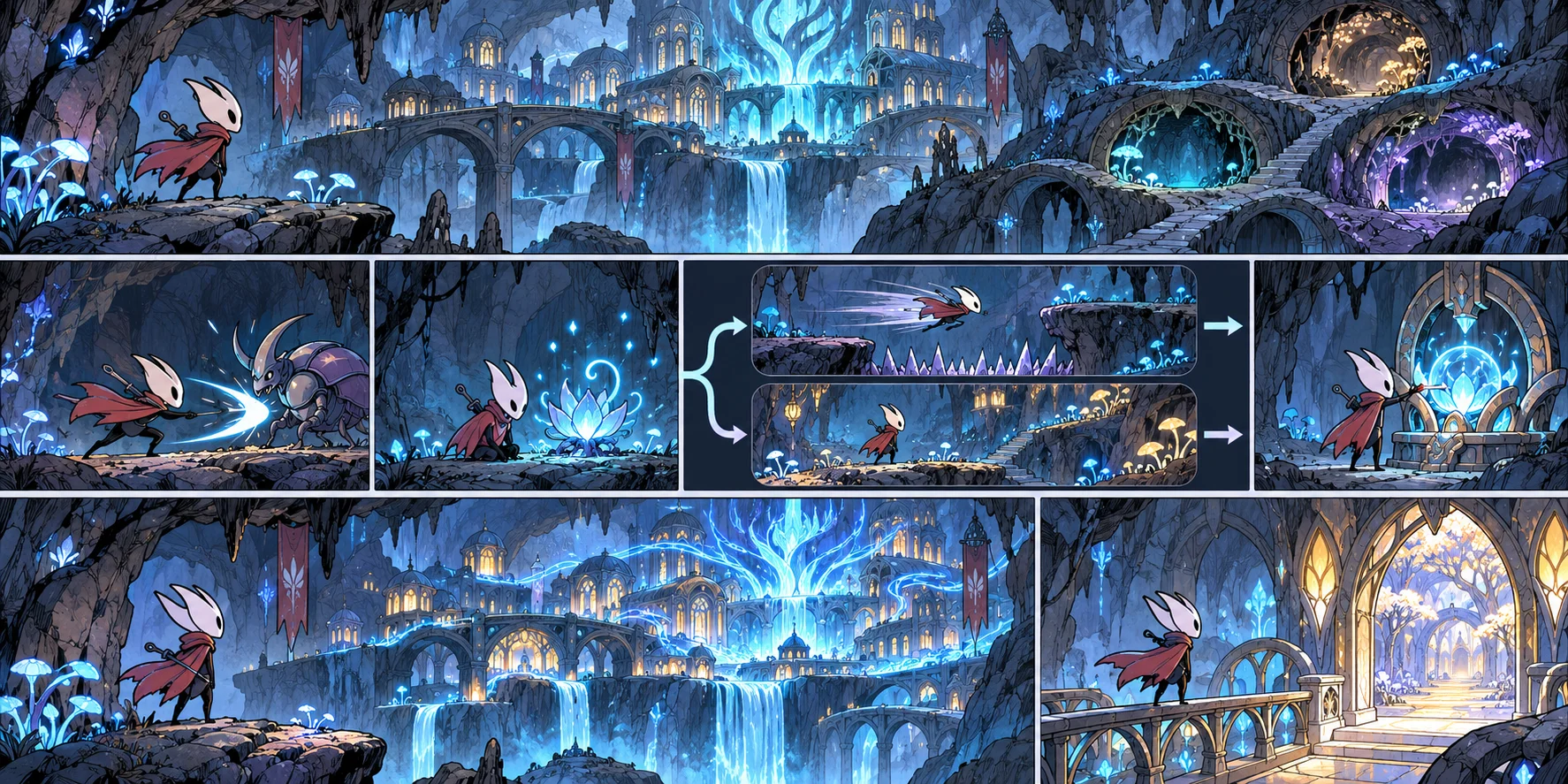
Provide a recovery route for a low-resource state. The player may fight a small enemy, return to a checkpoint, or take a longer path that avoids the dash gate. Keep the alternative costly enough to preserve the decision, but never let a routine spend permanently block progress. A strong prototype makes the player choose between uses while preserving agency after an imperfect decision.
Test access, combat, and route fairness
Run the same section with a combat-heavy approach and a traversal-heavy approach. Track energy spent, hits taken, time to the next refill, missed gates, and whether players can explain the cost of each action. Repeat with a first-time player who has not seen the upcoming obstacle; unclear future costs can turn a reasonable action into a punishment.
Test an empty-meter state at every required gate and checkpoint. Confirm the player can refill safely or choose a different route, and verify that enemy placement does not demand energy while also making recovery impossible. For a related design pattern, see a related guide to exploration and combat sharing resource costs. Pass when both uses feel valuable and a low meter never creates a soft lock.
FAQ
How can combat and traversal share one resource?
Use one clearly tracked meter for both combat and movement actions, then define how it fills, spends, and caps. A spell might damage an enemy while a dash consumes the same charge needed to cross a gap. Show the cost before the player commits so the shared pool creates a deliberate trade-off.
How do you balance the shared resource cost?
Make each action useful and avoid a single dominant use. Tune costs, refill opportunities, enemy pressure, and traversal spacing so players can still explore after spending in combat. Provide route or combat alternatives when the meter is low, and test whether players feel forced to hoard the resource for an unknown future gate.
How should players recover the resource?
Refill through a predictable action such as striking enemies, resting at a checkpoint, or collecting a finite resource. Make the refill rule consistent and visible. Ensure a player who reaches a gate with an empty meter has a safe way to recover or a secondary route, rather than a soft lock.
What should you test in a shared-resource Metroidvania?
Test combat-heavy and exploration-heavy sequences, then inspect meter state at checkpoints and gates. Record spending decisions, time waiting for refill, missed route access, and damage taken while saving energy. Include a low-resource test and a first-time player to reveal unclear costs or mandatory hoarding.