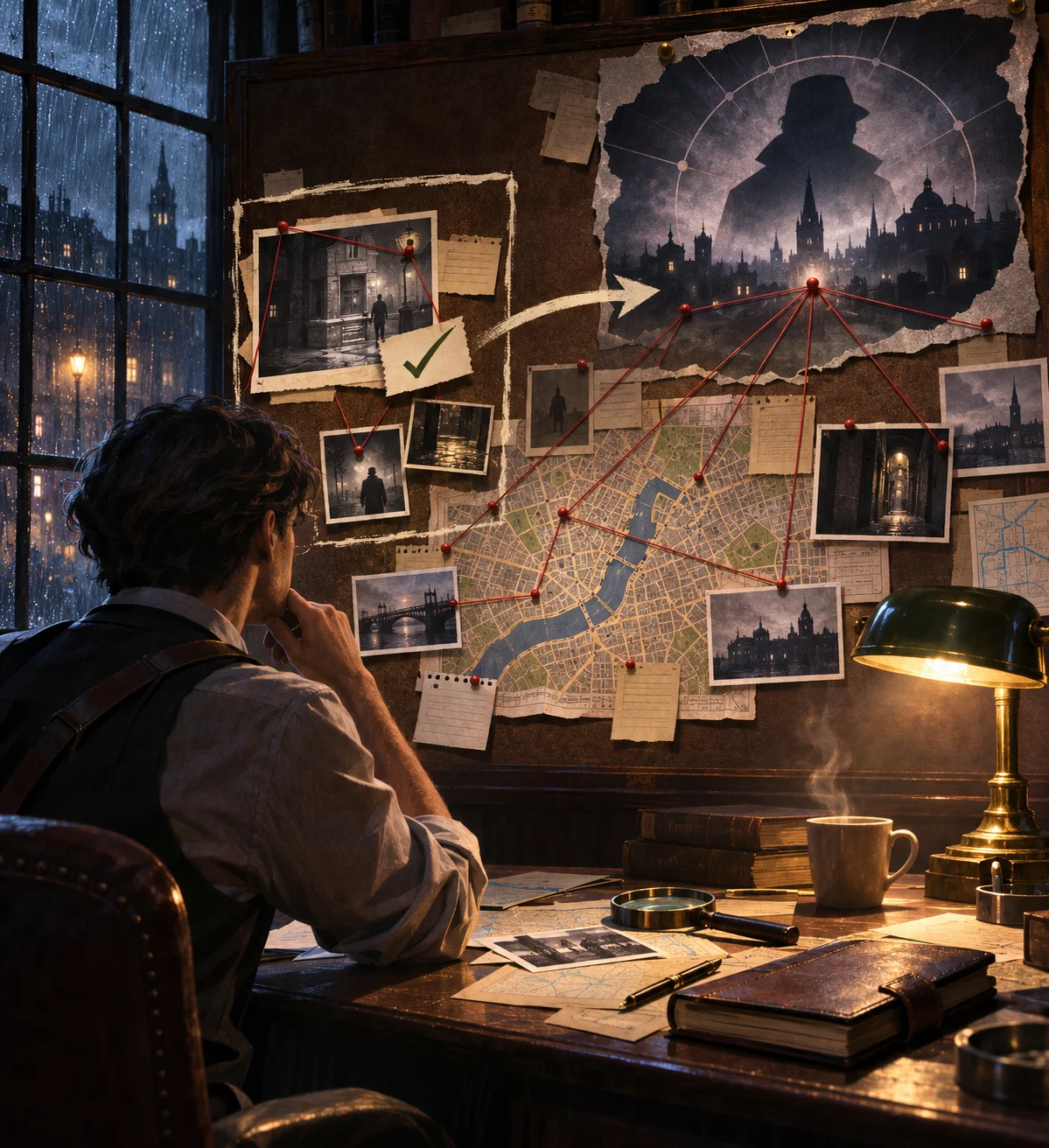
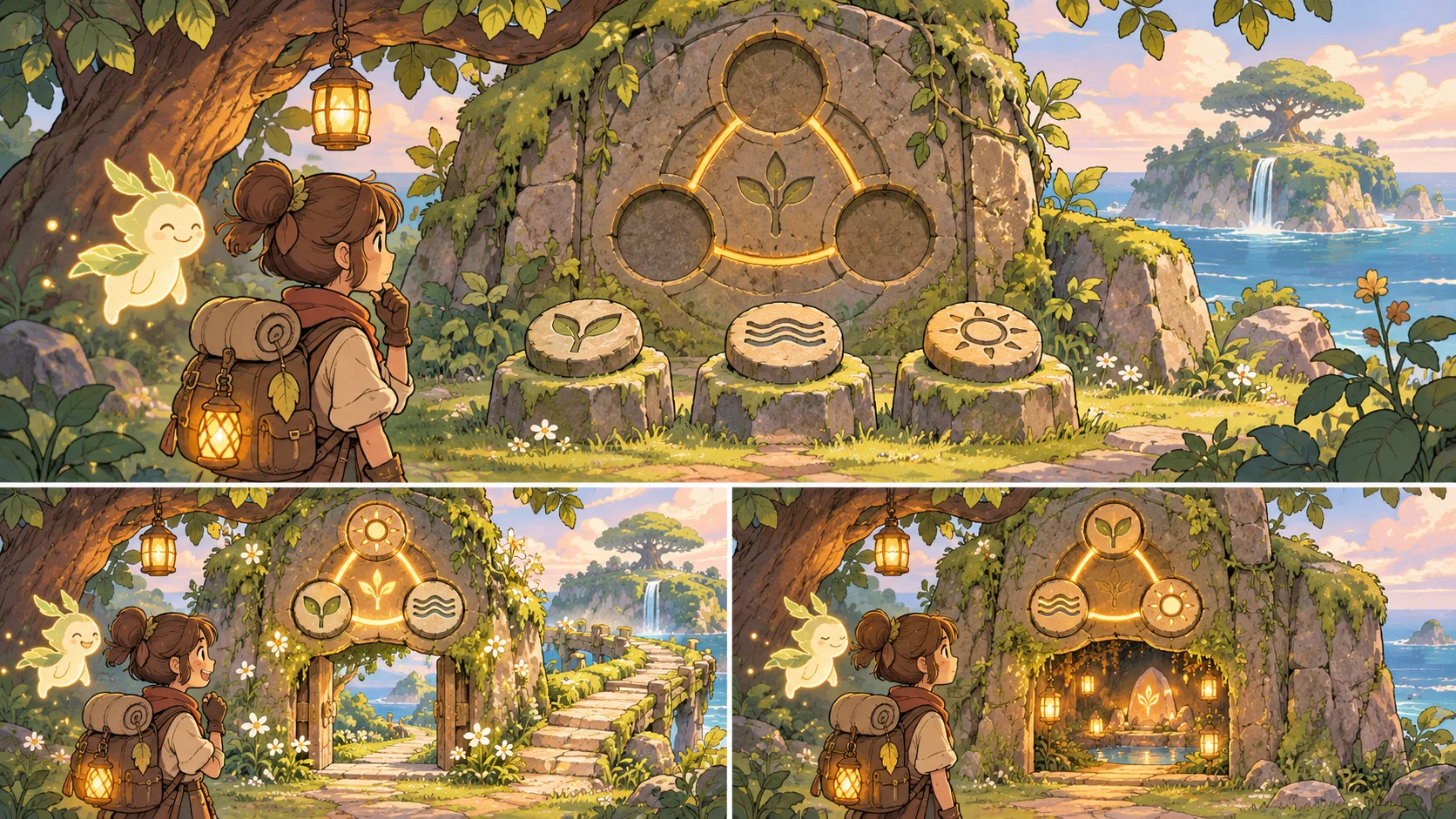
Let puzzle choices alter campaign scenes while rhythm play remains readable, fair, and musically coherent. A useful first prototype connects the player action, its feedback, and the next decision so the system can be tested as a complete loop.
Set the rhythm and story baseline
Start with the rhythm game’s stable play loop: song selection, timing input, scoring, and return to the campaign. Decide when a puzzle appears and what state it can change. Keep the puzzle separate from note timing unless the puzzle itself is designed as a rhythm challenge; otherwise players may not know which skill a failure reflects.

The official Pearl Music Demo listing describes rhythm gameplay alongside narrative choices that affect the protagonist and story outcome. This supports a rhythm-plus-branching-story example, while the puzzle-result campaign system in this guide is an original design proposal. See the official Pearl Music Demo listing for this context.
Map puzzle outcomes to campaign state
Represent puzzle outcomes as a small set of campaign flags, not a separate branch for every possible move. A flag might record a discovered clue, repaired relationship, or chosen route. Use it to select a scene variant, song arrangement, or later dialogue while retaining a shared campaign spine.
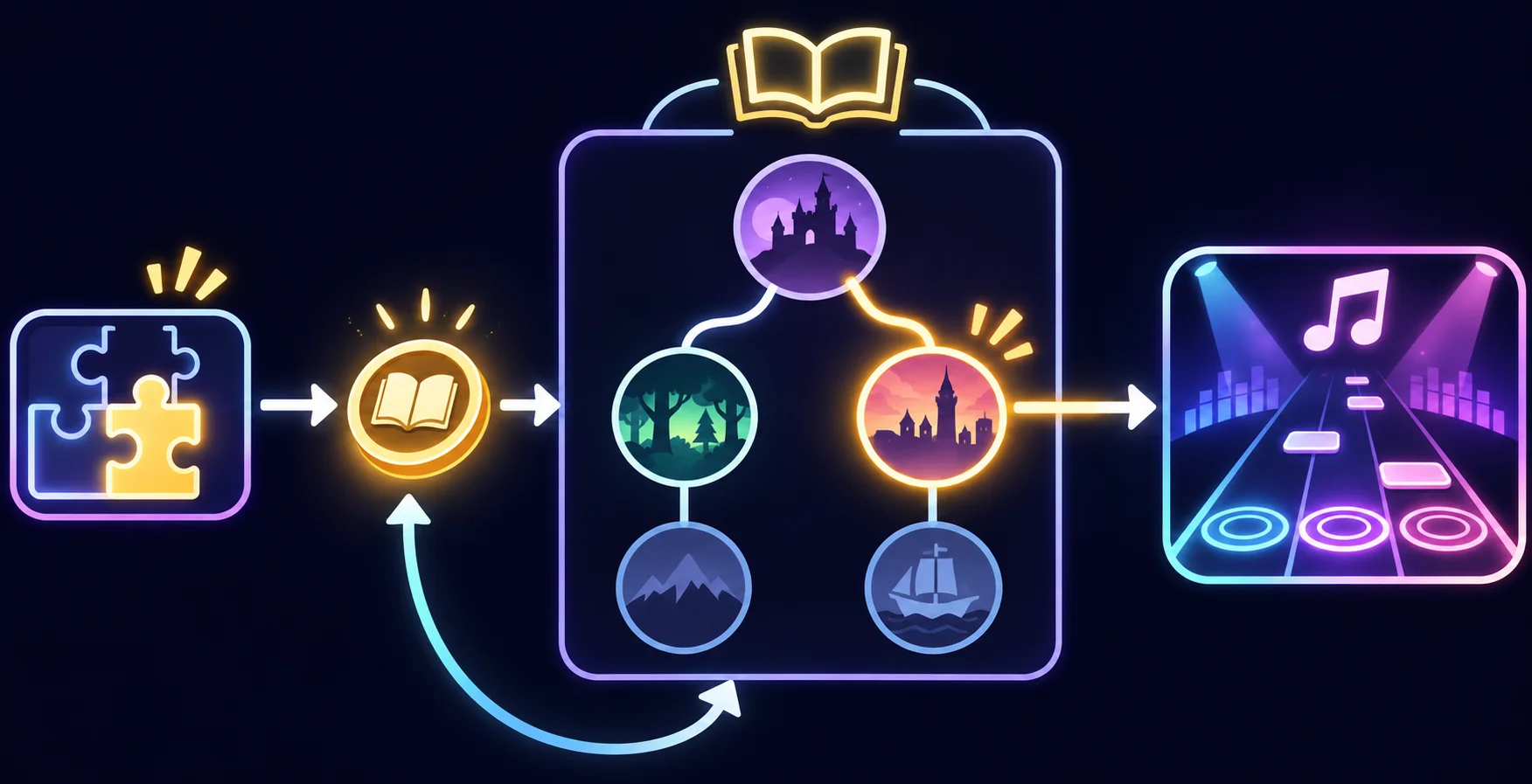
Write a simple mapping table before adding content: outcome, saved flag, next scene, and visible consequence. Decide which results are reversible and which persist. This makes the campaign easier to debug and helps artists, writers, and designers agree on what the player’s puzzle result means.
Deliver story changes between tracks
Show the consequence between tracks or in a clear pause point. Let players read the changed scene, understand the next goal, and then begin the next song with a brief countdown or familiar input cue. Preserve the timing window and audio mix so narrative transitions do not make the next chart feel unfair.
If outcomes unlock different songs, ensure players can still recover from a missed or failed puzzle. A retry, alternate route, or shorter branch can preserve forward motion without pretending that every ending is equally easy to produce.
Test branches without breaking musical flow
Test one complete loop: solve a puzzle, save its result, enter a song, and verify that the next story scene reflects the flag. Repeat with another outcome and a restart or save-load. Track whether players can explain why the story changed and whether the music transition preserves timing readability.
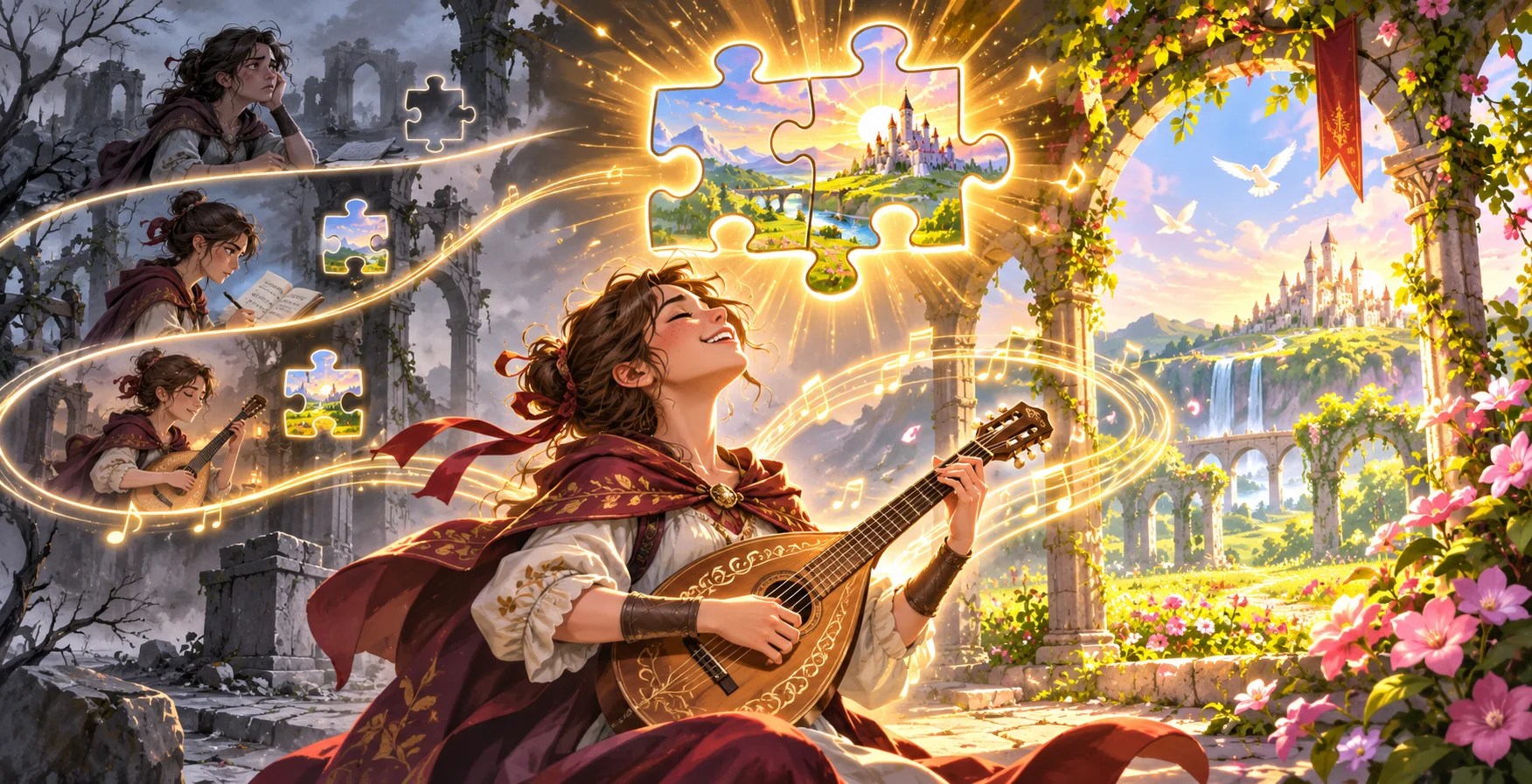
Keep the first prototype to two outcomes and one shared song or stage. Expand only after the state mapping works. For a related example of carrying puzzle choices through a campaign, see a puzzle-outcome campaign example. SEELE AI can help brainstorm alternative campaign branches; narrative writing, implementation, and rhythm playtests remain team work.
FAQ
How can puzzle outcomes drive a rhythm-game story?
Save a small set of clear puzzle-result flags, then use those flags to select later dialogue, scenes, or track context. Keep the main campaign structure shared where possible. This creates visible consequences without multiplying every chapter into a completely separate production path.
When should a rhythm game show branching story scenes?
A between-track or post-puzzle moment is often easier to read than a scene layered over a demanding chart. Give players time to understand the consequence and the next goal, then return to a familiar song-start flow with a predictable timing cue.
How do you keep story branches manageable?
Limit the number of persistent flags and define what each one changes before writing all branches. Reuse a shared campaign spine, vary selected scenes or dialogue, and test save-load behavior. Add more branches only when the first outcome-to-scene mapping is easy to inspect.
What should you test in a puzzle-driven rhythm campaign?
Check that each puzzle outcome saves correctly, the next scene reflects it, and restarting does not produce contradictory state. Playtest song transitions for readable timing and audio feedback. Ask players to describe the consequence so you can tell whether the story effect is clear.