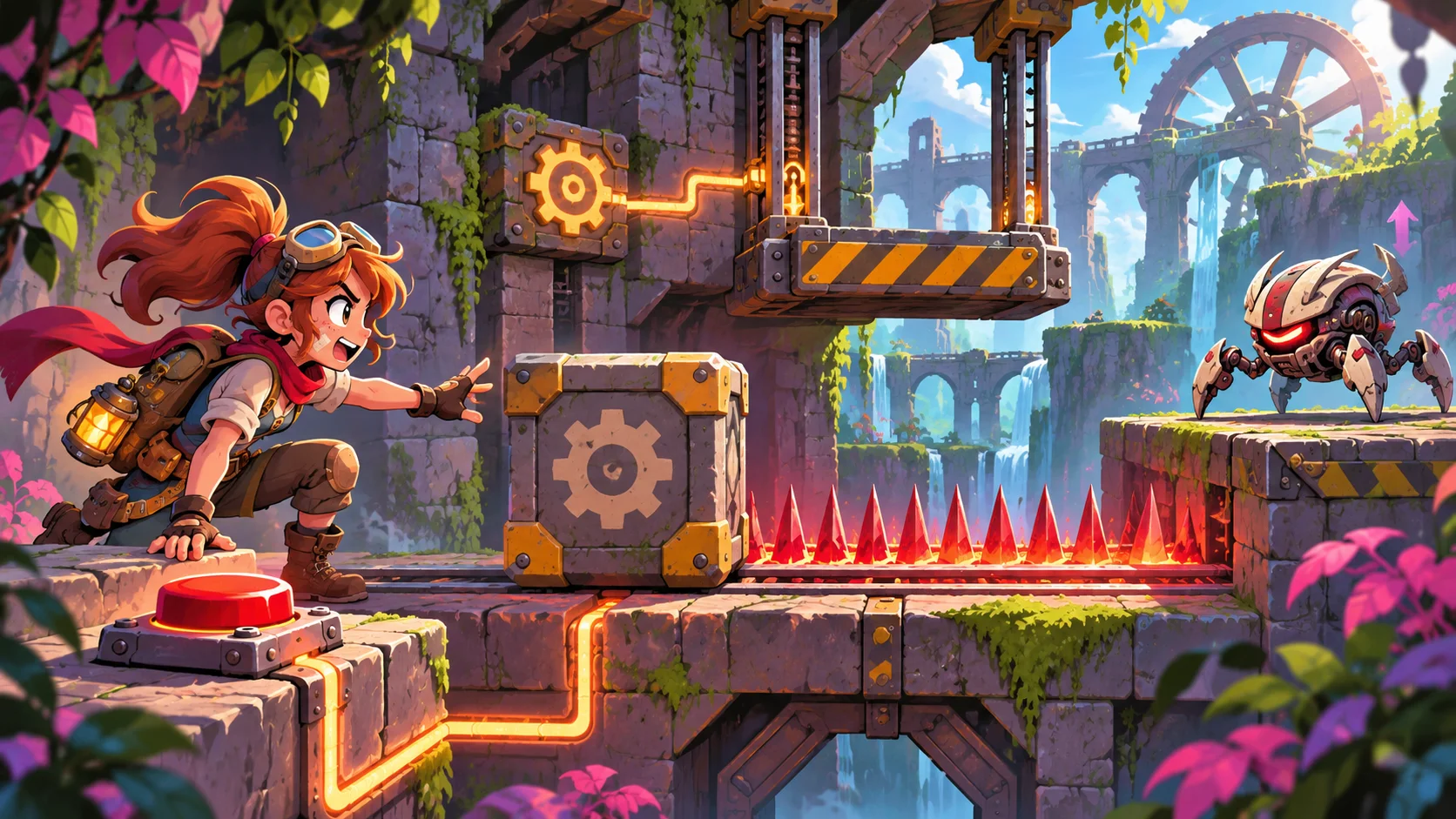
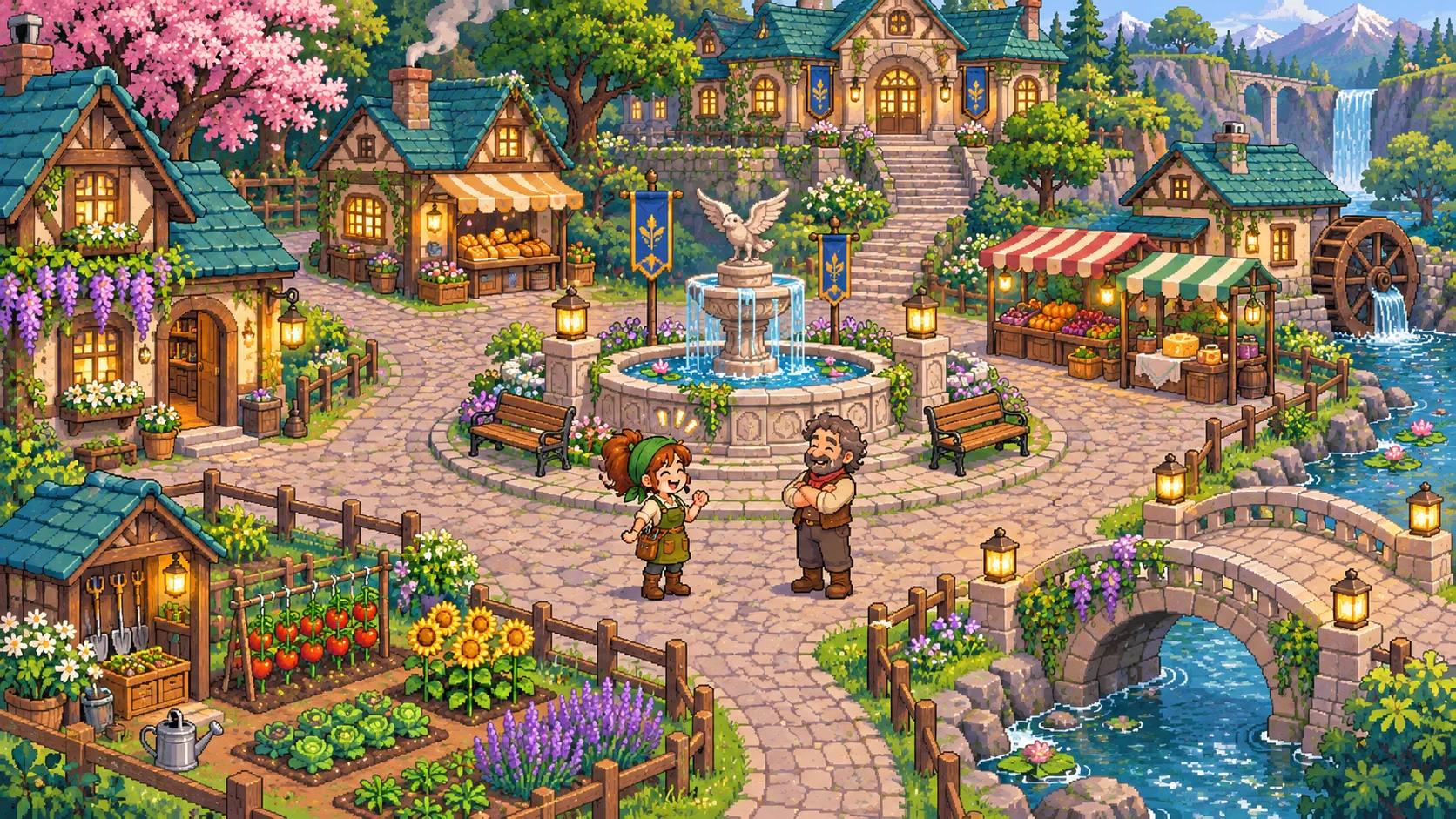
Pair an ability with a visible change in the puzzle world, such as revealing a hidden path, moving a light source, or redirecting water. Make feedback and recovery legible, then test the system in a short repeatable scenario. The design below keeps the pace low pressure and makes a puzzle result repeatable.
Define an ability and its puzzle effect
Give each ability a specific verb and a visible effect on the puzzle state. A glow ability might reveal submerged stepping stones, while a seed ability grows a temporary bridge across a stream. State the target, range, duration, and cost before the player commits. Keep the first prototype to one room and one goal so you can observe whether a player understands the relationship between ability and environment.
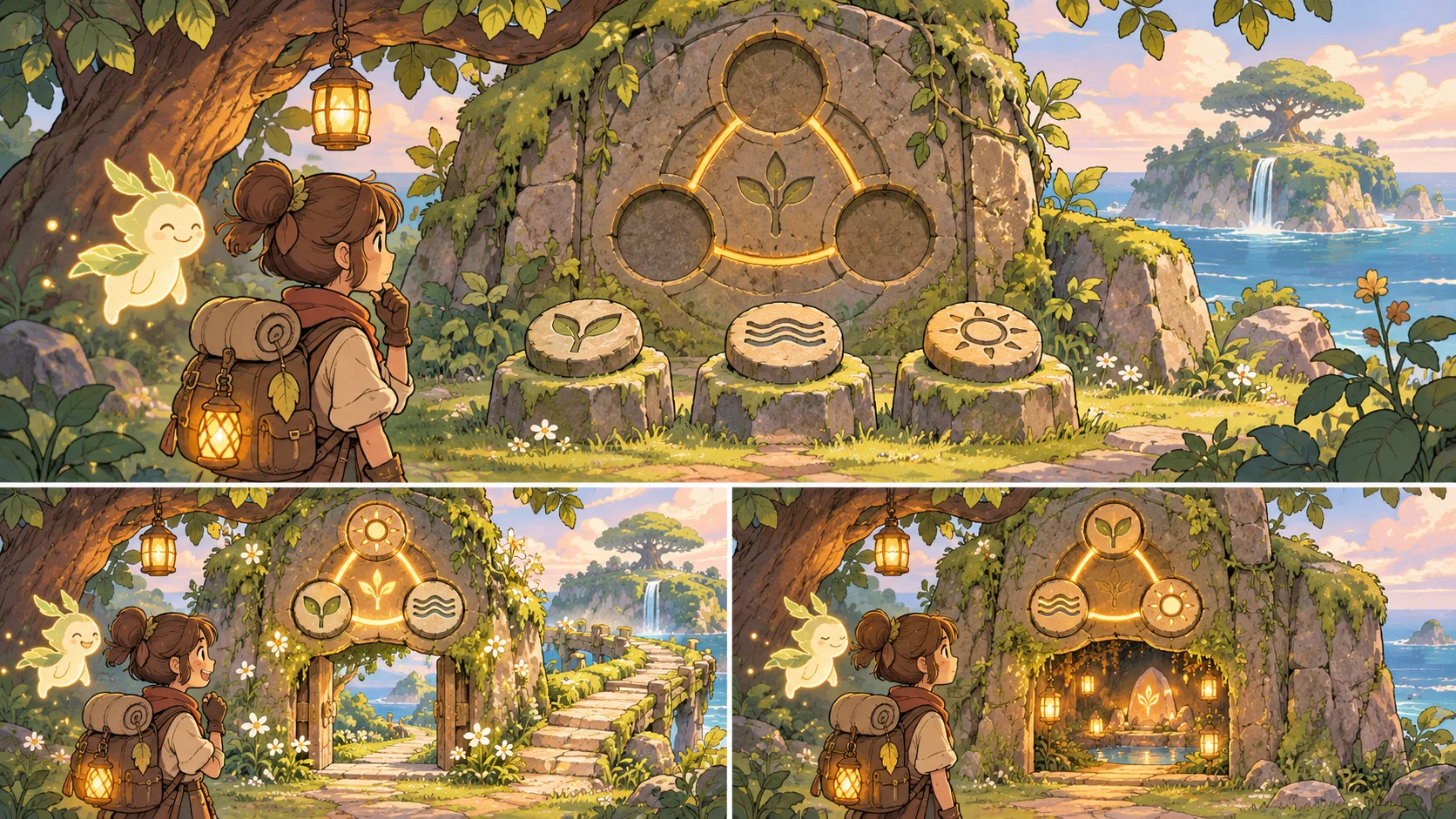
The official Cozy Grove listing from Spry Fox describes exploring a changing island, discovering secrets, and helping memorable characters. It supports the cozy exploration context only; character-driven ability puzzles here are original. Introduce the ability through a friendly character or environmental clue, then let the player test it in a low-pressure space before a later puzzle asks for deliberate use.
Create more than one path through a puzzle
Build alternative solutions around the same outcome rather than unrelated shortcuts. A player might reveal stones with a glow ability or grow a bridge with a seed ability; both routes should cross the stream and reach the same garden. Make the trade-off visible in time, resource use, or route shape so choosing a character ability feels meaningful without making one path secretly correct.
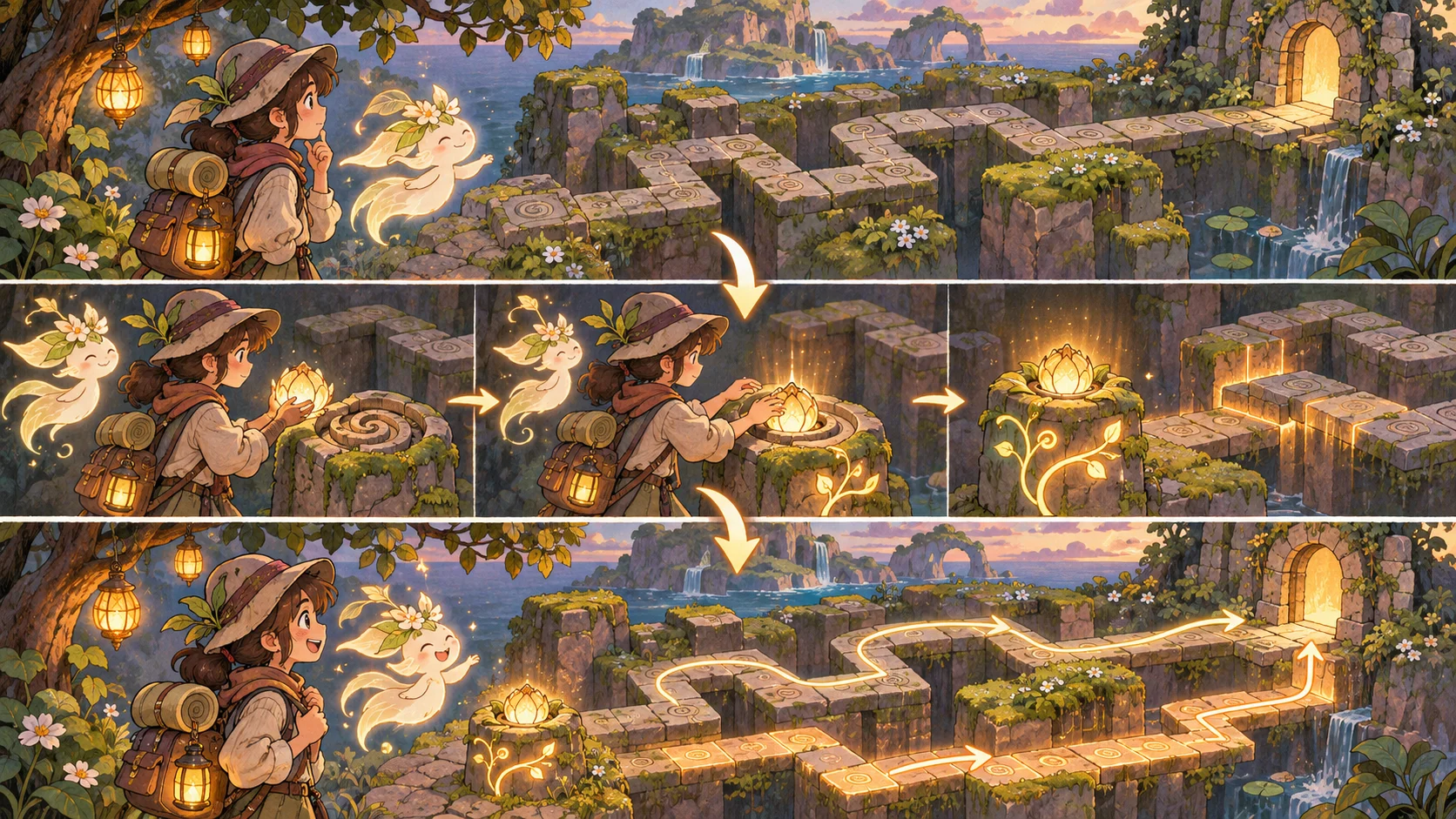
Keep both solutions discoverable from the environment. A reflected light can hint at hidden stones, while fertile soil and a broken trellis can suggest plant growth. Test routes independently, then test whether players can switch plans mid-puzzle. If an ability is unavailable or spent, preserve a readable alternate path or a safe reset.
Keep character abilities readable and optional
Use consistent animation, sound, and world response for each ability. A revealed stone should remain visible long enough to plan a crossing; a temporary bridge should show when it will fade. Let players inspect the puzzle before spending a limited charge. Avoid communicating interaction solely through color, since the target should remain identifiable from shape and motion.
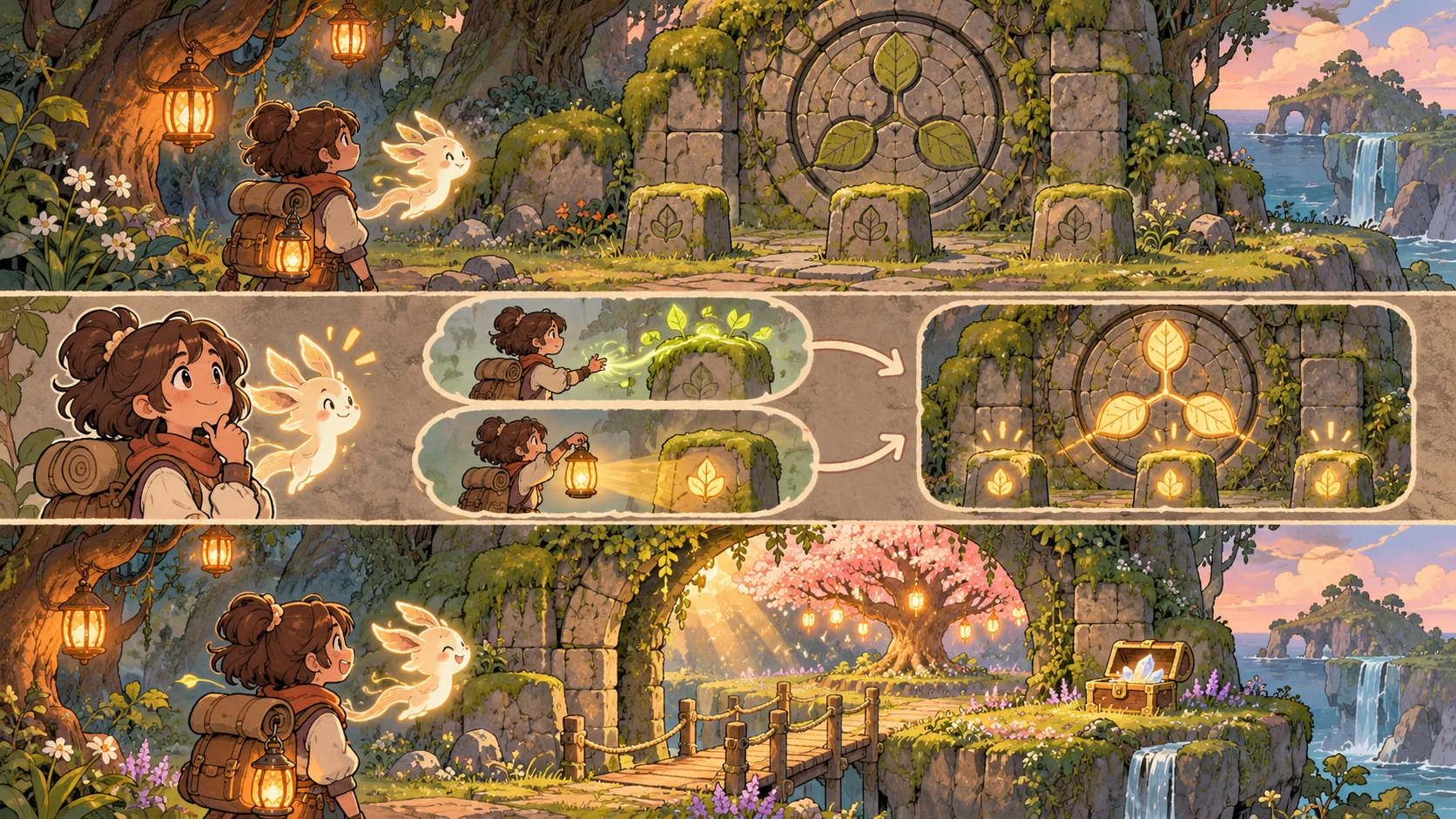
Optional abilities can add a shorter route, a collectible, or a new environmental detail, while the main path stays solvable with the baseline kit. This keeps the cozy pace low pressure and encourages curiosity. In a short scene, show the main route first and place one optional experiment nearby so the player learns there is more than one way to interact.
Test puzzle solutions and failure states
Give a new player the room without verbal instructions and ask them to think aloud. Record which clue they notice, which ability they try, how long they spend before progress, and whether they can explain why the state changed. Repeat with each character and with the alternate route hidden from the first run to see whether the puzzle teaches its rule consistently.
Test a wrong target, an interrupted ability, and a late switch between solutions. Feedback should explain what happened without scolding, and the player should have a safe way to try again. For a related environmental puzzle pattern, see a related guide to environmental interactions in puzzle spaces. Pass when players can describe the ability’s effect and complete the goal through either supported route.
FAQ
How should character abilities change a puzzle?
Pair an ability with a visible change in the puzzle world, such as revealing a hidden path, moving a light source, or redirecting water. Show the player what state changed and which new action became possible. Preserve at least one understandable route so the ability creates a choice rather than a mandatory hidden key.
How can one puzzle support different character abilities?
Build the same goal around two distinct interactions, such as using a glow ability to reveal stepping stones or a seed ability to grow a temporary bridge. Make the inputs and feedback clear, and ensure both routes remain fair in distance, timing, and risk. The player should understand the trade-off before committing.
How do you keep ability-based puzzles readable?
Show the ability target, resource cost, and resulting world change with consistent animation and sound. Let players inspect the puzzle before spending a limited charge. Keep optional routes visible enough to invite experimentation, and avoid relying on color alone to signal an interaction.
What should you test in character ability puzzles?
Test each route from a fresh start and ask players to explain why it worked. Record missed cues, ability use, time, and whether a player discovered an alternative without hints. Also test a wrong ability or mistimed action and confirm the puzzle provides feedback and a safe way to try again.