Define progression and decision baselines
List how characters grow now: levels, skills, equipment, relationships, and tactical actions. Mark which decisions affect each system. This prevents a new choice-driven layer from duplicating a reward the player already receives for combat or exploration.
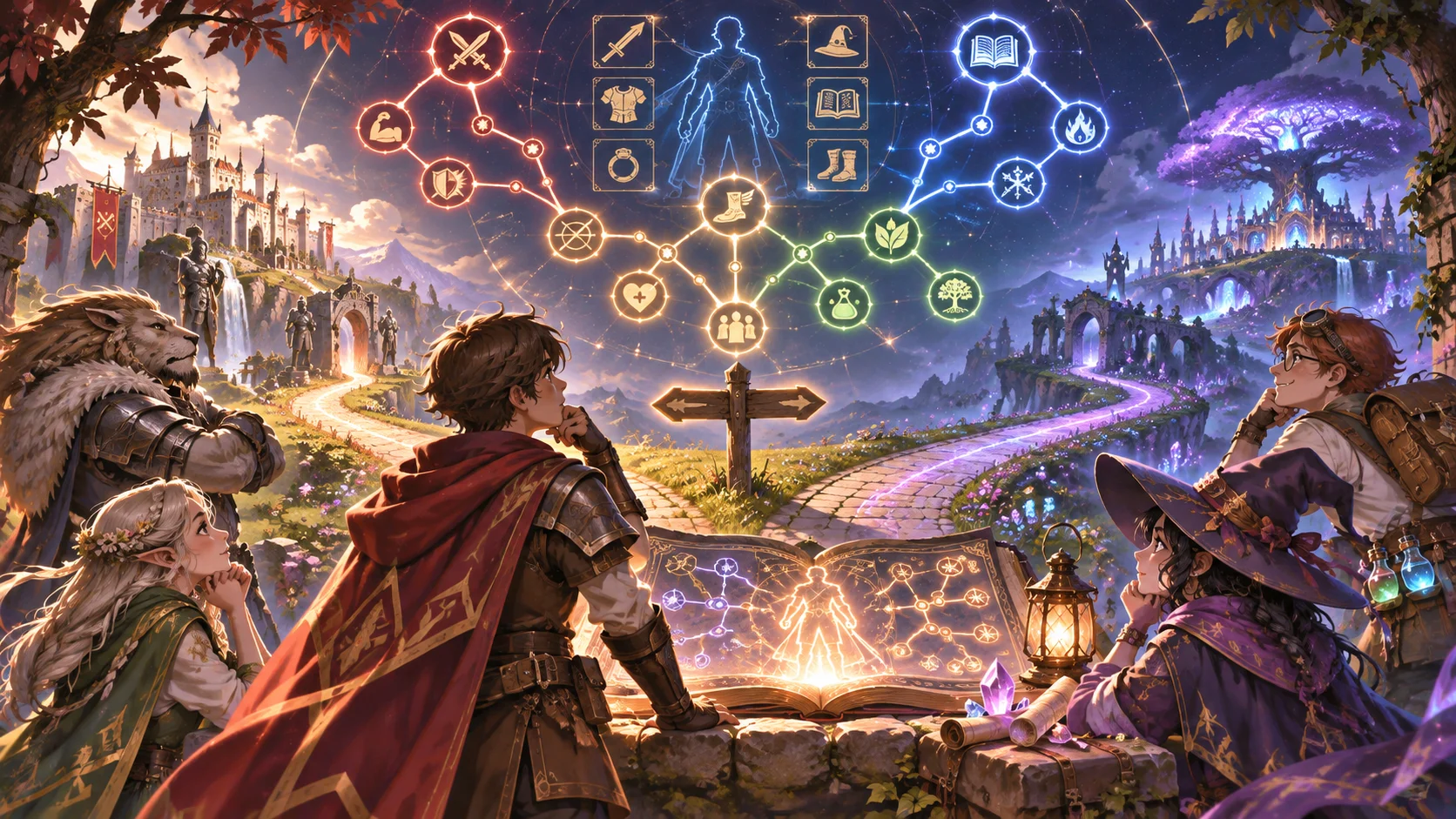
Choose the scale of change. A decision might unlock a skill, strengthen a trait, shift a companion relationship, or change which actions are available in battle. Keep one decision from changing too many unrelated systems unless the story clearly supports that consequence.
The official The Age of Decadence listing describes a turn-based RPG with a skill-based character system, several skill-based approaches to quests, and choices with consequences. This supports genre context only; the growth model here is original. See the official source for this context.
Map decisions to character growth
Build a small decision-to-growth map. For each important choice, note the player’s intention, the immediate response, the growth outcome, and a later moment where the outcome matters. This chain helps ensure a decision is more than flavor text attached to an arbitrary stat point.
Use outcomes that reflect the action. Helping a community might increase trust or unlock a support ability; taking a risky negotiation could improve resolve while closing another relationship. Avoid moral labels that treat one play style as inherently correct.
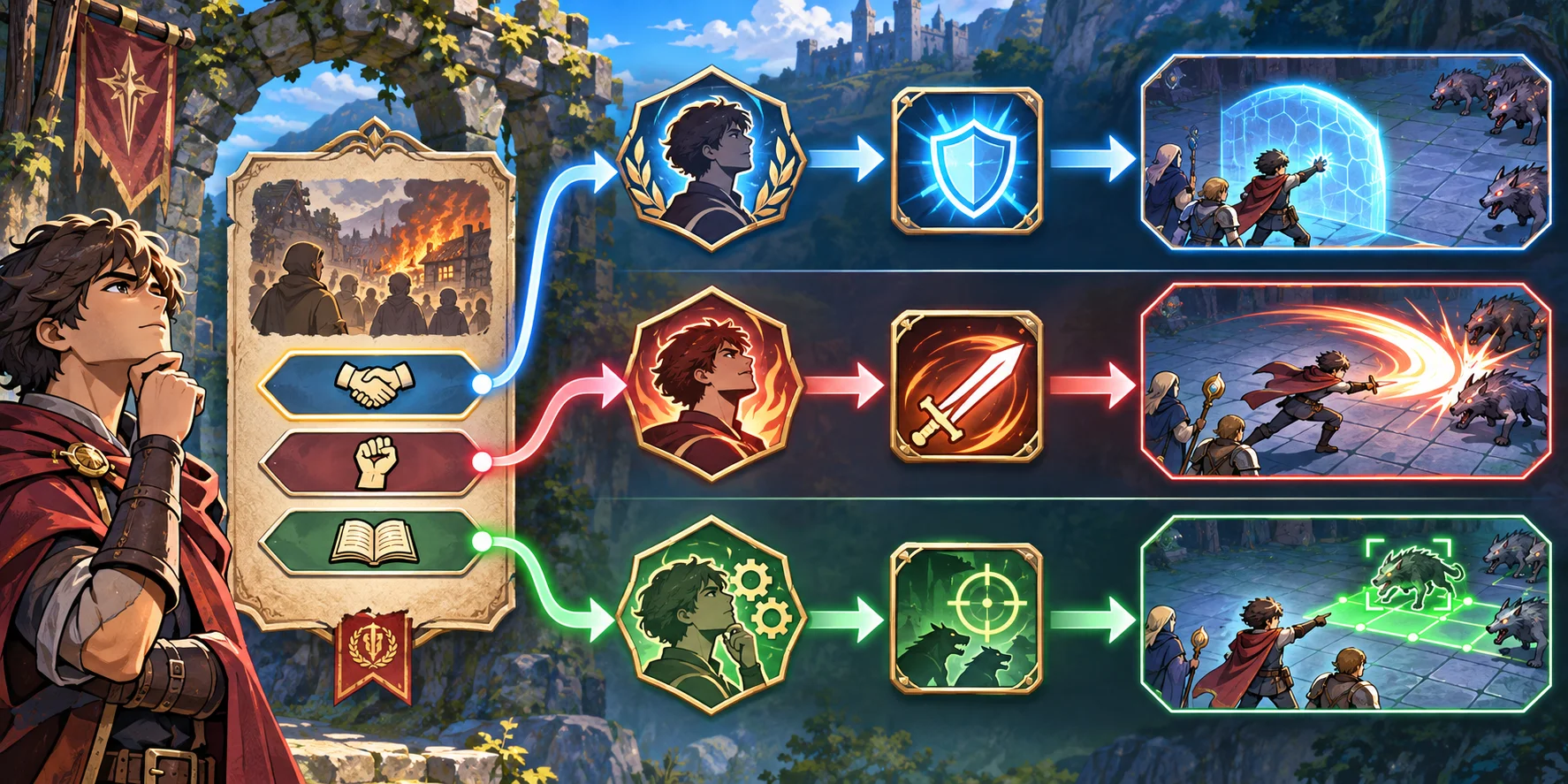
Give players a chance to understand the character state after the choice. A short journal or party screen can record a new trait, ability, or relationship change and explain what it affects. This is especially important when the outcome appears several turns or quests later.
Keep growth legible and build-safe
Preserve the usefulness of existing investments. A new ability should complement a build or open a deliberate alternate path, not make earlier points irrelevant. If a choice reshapes the build, provide a respec or a second route at a reasonable cost.
Keep character expression separate from hard power where possible. A choice can change dialogue, information, party trust, or tactical setup without adding raw damage. This lets different decisions feel consequential while keeping encounter balance manageable.
Check turn-based actions against the progression system. A new skill may alter action cost, range, status effects, or turn order. Show these rules in previews and make sure the battle UI explains when a character can use the ability.
Test turn-based combat and story outcomes
Replay the same chapter with contrasting choices and builds. Track new abilities, action choices, quest routes, companion responses, and encounter completion. Ask players whether the progression result matched the intention they had when making the decision.
Test missed side content, a character built around defense, and a player who picks a low-power narrative route. Confirm the game remains completable and that later scenes acknowledge the correct choices after saves, reloads, and party changes.
Accept the system when decisions change future options, growth remains understandable, and no ordinary path becomes unusable. See the story outcome guide for tracking consequences across a campaign.
FAQ
How can player decisions shape character progression in a turn-based RPG?
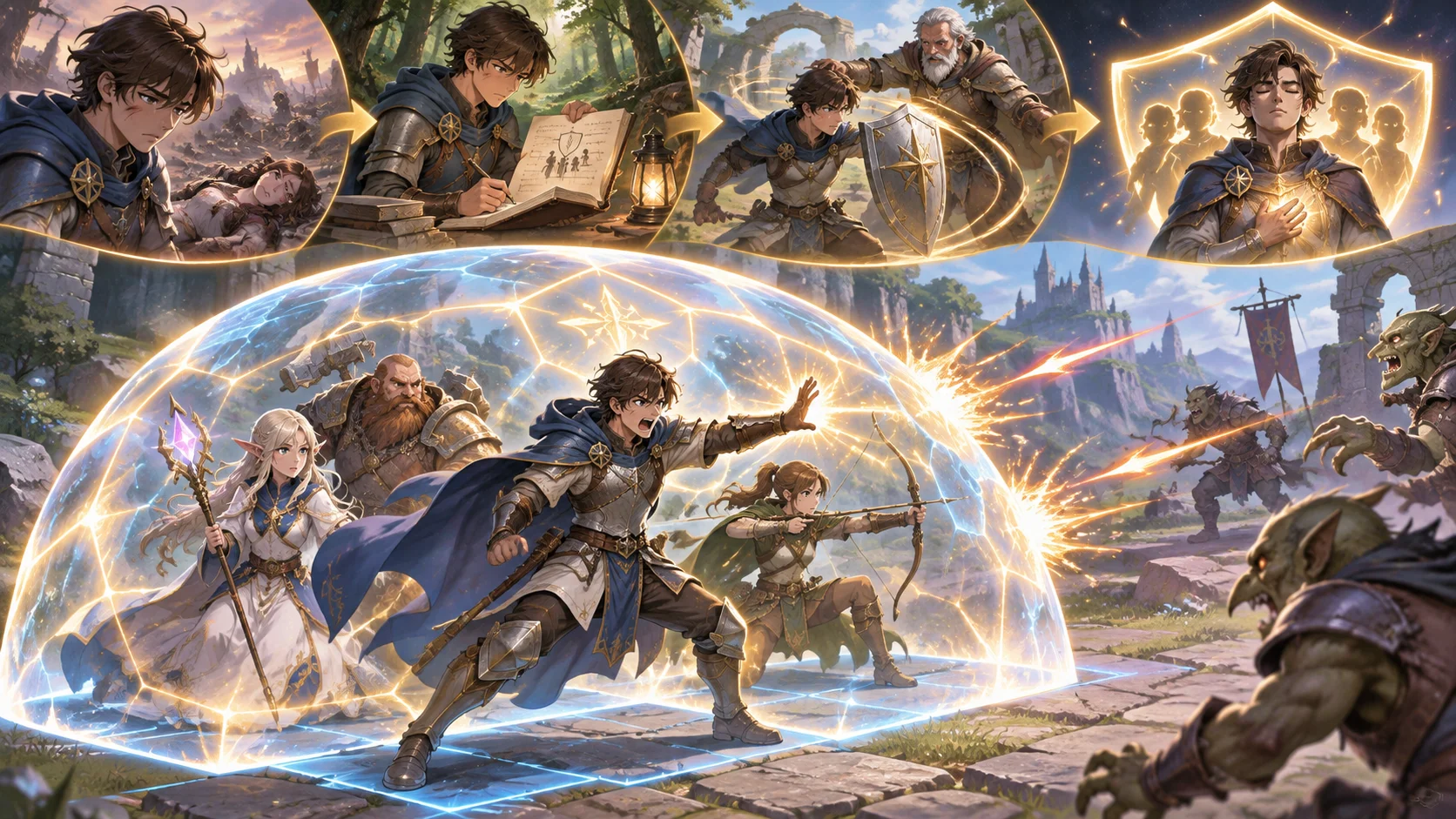
Tie a decision to a clear growth result such as a skill, relationship, trait, or tactical option. Show the player what changed and let the result matter in later encounters. Test whether choices create distinct builds without invalidating an earlier character investment.
Should every dialogue choice change a character build?
No. Reserve mechanical growth for decisions that express a meaningful commitment or meet a clear condition. Smaller dialogue choices can change trust, information, or later scenes. This keeps build progression understandable and prevents players from feeling punished for ordinary conversation.
How do you keep choice-driven character growth fair?
Explain prerequisites and likely consequences before a major commitment. Preserve viable combat and story paths for different builds, and test a character that missed optional rewards. If a choice is irreversible, signal that clearly and make its role in the story meaningful.
What should you playtest in choice-driven progression?
Replay key decisions with different builds and inspect abilities, party roles, quest options, combat turns, and later story responses. Ask players to explain how a decision changed their character, then look for choices that feel cosmetic or unexpectedly restrictive. This gives players useful feedback and helps them plan a next action.